
Journal of Southern Medical University ›› 2026, Vol. 46 ›› Issue (2): 423-433.doi: 10.12122/j.issn.1673-4254.2026.02.20
Linlin HUANG1( ), Wang ZHENG1, Jianguo HU2,4, Xue SONG3,4, Lu TAO3,4, Zhijun GENG3,4, Jing LI2,4, Lugen ZUO1,4, Sitang GE1,4()
Received:2025-06-09
Online:2026-02-20
Published:2026-03-10
Contact:
Sitang GE
E-mail:huangl1nl1n@163.com;gesitang@163.com
Linlin HUANG, Wang ZHENG, Jianguo HU, Xue SONG, Lu TAO, Zhijun GENG, Jing LI, Lugen ZUO, Sitang GE. Verbenalin ameliorates intestinal inflammation and colitis in a mouse model of Crohn's disease by inhibiting the PI3K-AKT pathway[J]. Journal of Southern Medical University, 2026, 46(2): 423-433.
Add to citation manager EndNote|Ris|BibTeX
URL: https://www.j-smu.com/EN/10.12122/j.issn.1673-4254.2026.02.20
| Gene | Primer sequence (5'to 3') |
|---|---|
| TNF-α | F: CACGCTCTTCTGTCTACTGAACTTC |
| R: CTTGGTGGTTTGTGAGTGTGAGG | |
| IL-1β | F: AATCTCGCAGCAGCACATCAAC |
| R: AGGTCCACGGGAAAGACACAG | |
| IL-6 | F: GAGAGGAGACTTCACAGAGGATACC |
| R: TCATTTCCACGATTTCCCAGAGAAC | |
| GAPDH | F: AACTCCCACTCTTCCACCTTCG R: TCCACCACCCTGTTGCTGTAG |
Tab.1 Primer sequences for RT-qPCR
| Gene | Primer sequence (5'to 3') |
|---|---|
| TNF-α | F: CACGCTCTTCTGTCTACTGAACTTC |
| R: CTTGGTGGTTTGTGAGTGTGAGG | |
| IL-1β | F: AATCTCGCAGCAGCACATCAAC |
| R: AGGTCCACGGGAAAGACACAG | |
| IL-6 | F: GAGAGGAGACTTCACAGAGGATACC |
| R: TCATTTCCACGATTTCCCAGAGAAC | |
| GAPDH | F: AACTCCCACTCTTCCACCTTCG R: TCCACCACCCTGTTGCTGTAG |
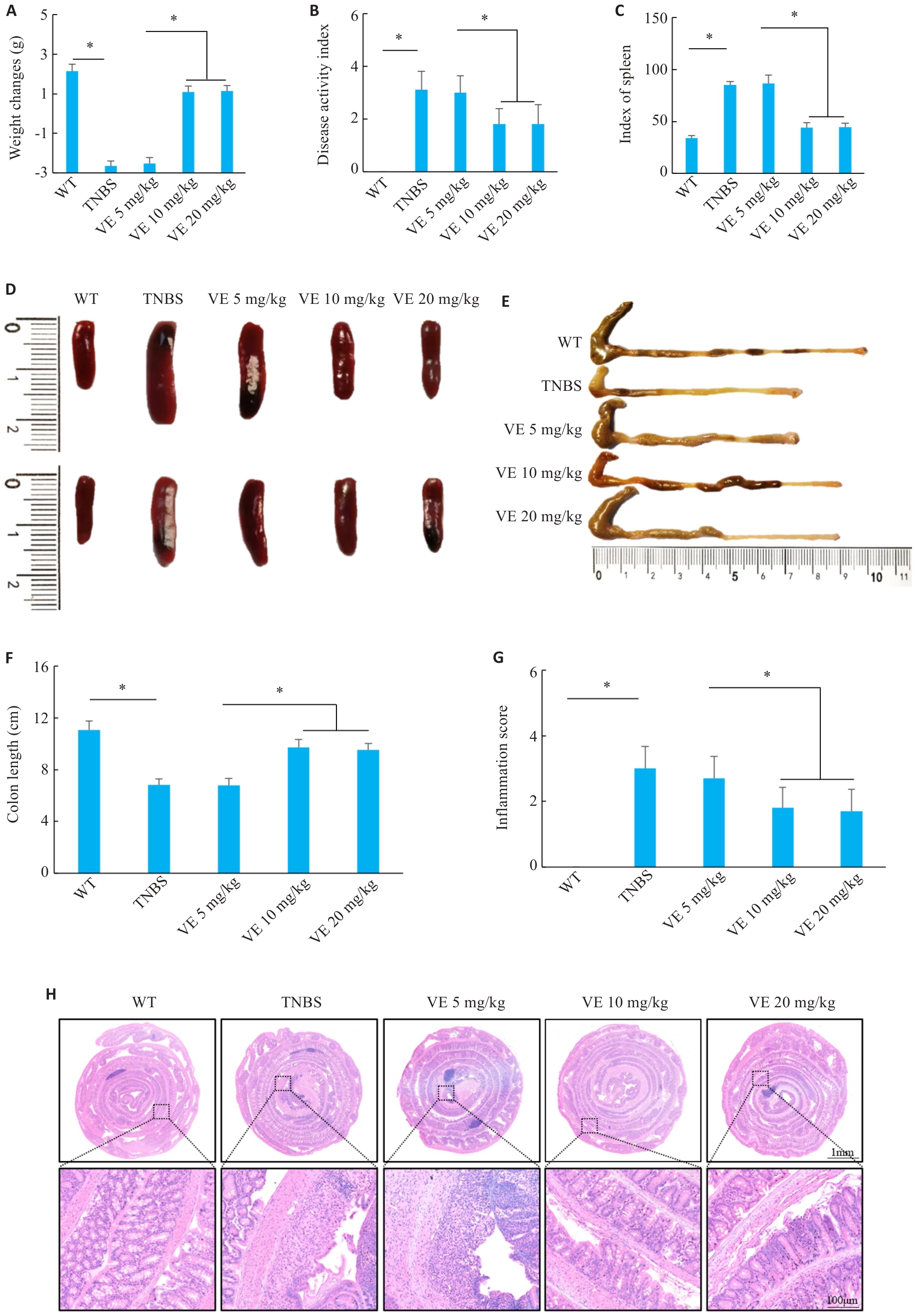
Fig.1 Effects of VE treatment on TNBS-induced colitis symptoms in mice. A: Body weight changes. B: Disease activity index (DAI) scores. C: Spleen index. D: Spleen size. E: Gross morphology of mouse colon. F: Quantitative analysis of colon length. G: Histological inflammation score. H: HE staining of the colon tissue (n=10). *P<0.05.
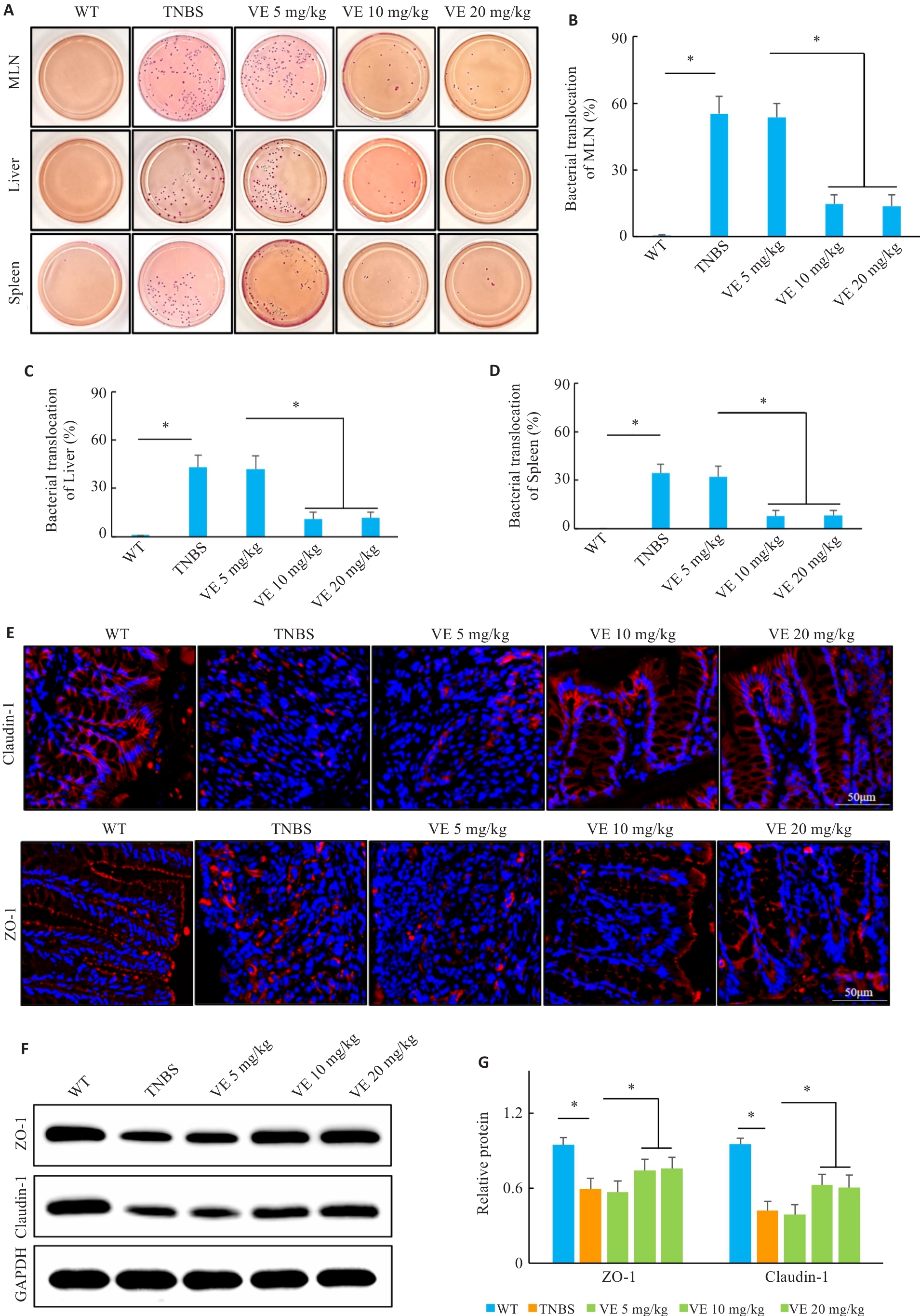
Fig.2 Effects of VE on intestinal barrier function and structure in mice. A-D: Bacterial culture and translocation rates in the lymph nodes, liver, and spleen. E: Immunofluorescence staining of ZO-1 and claudin-1 in colonic mucosa. F-G: Western blotting bands and quantitative analysis of ZO-1 and claudin-1 protein expression (n=10). *P<0.05.
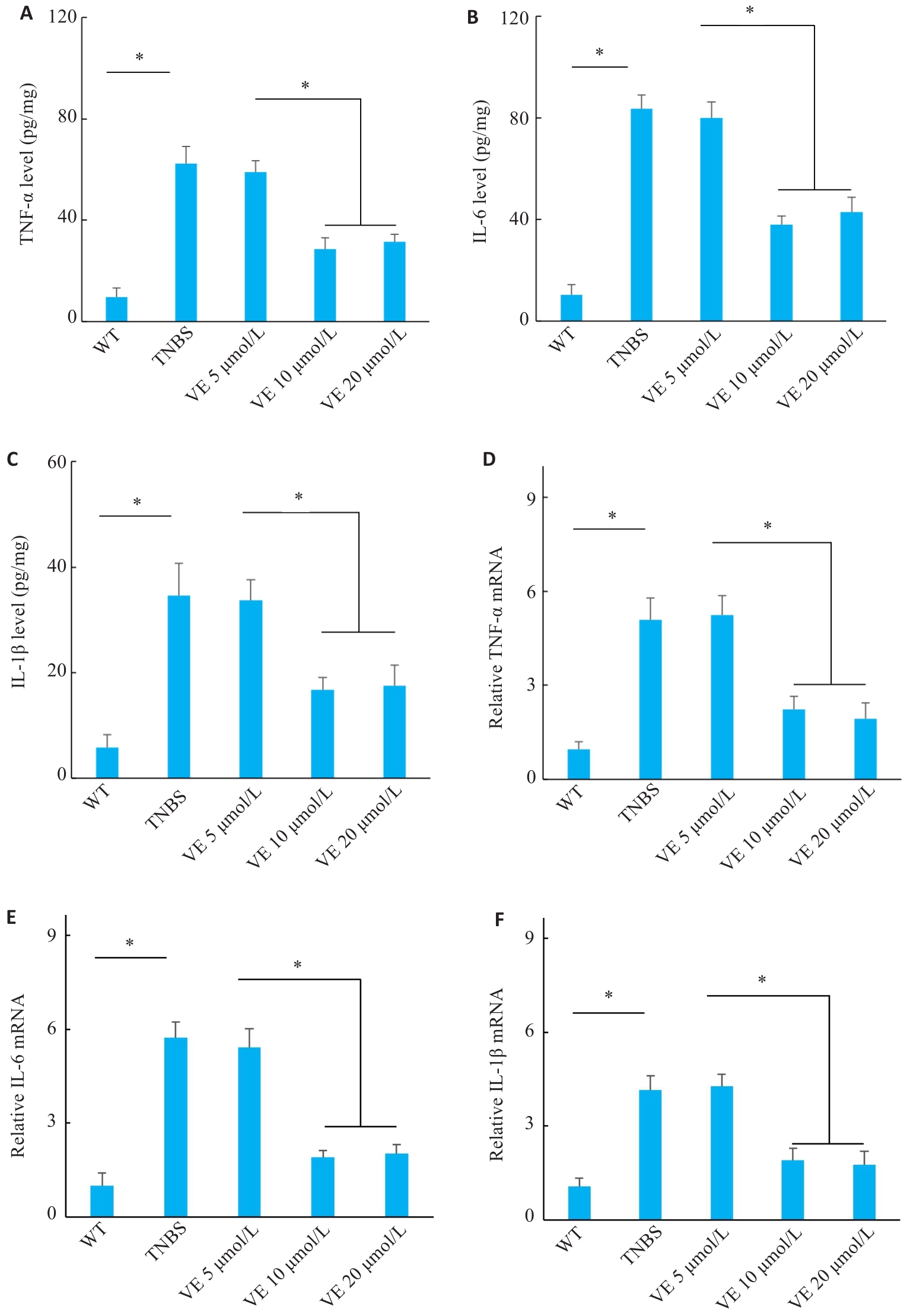
Fig.3 Effects of VE on inflammatory mediator levels in colonic mucosa of TNBS-treated mice. A-C: ELISA detection of IL-6, IL-1β, and TNF-α protein levels. D-F: RT-qPCR analysis of IL-6, IL-1β, and TNF-α mRNA expression levels (n=10). *P<0.05.
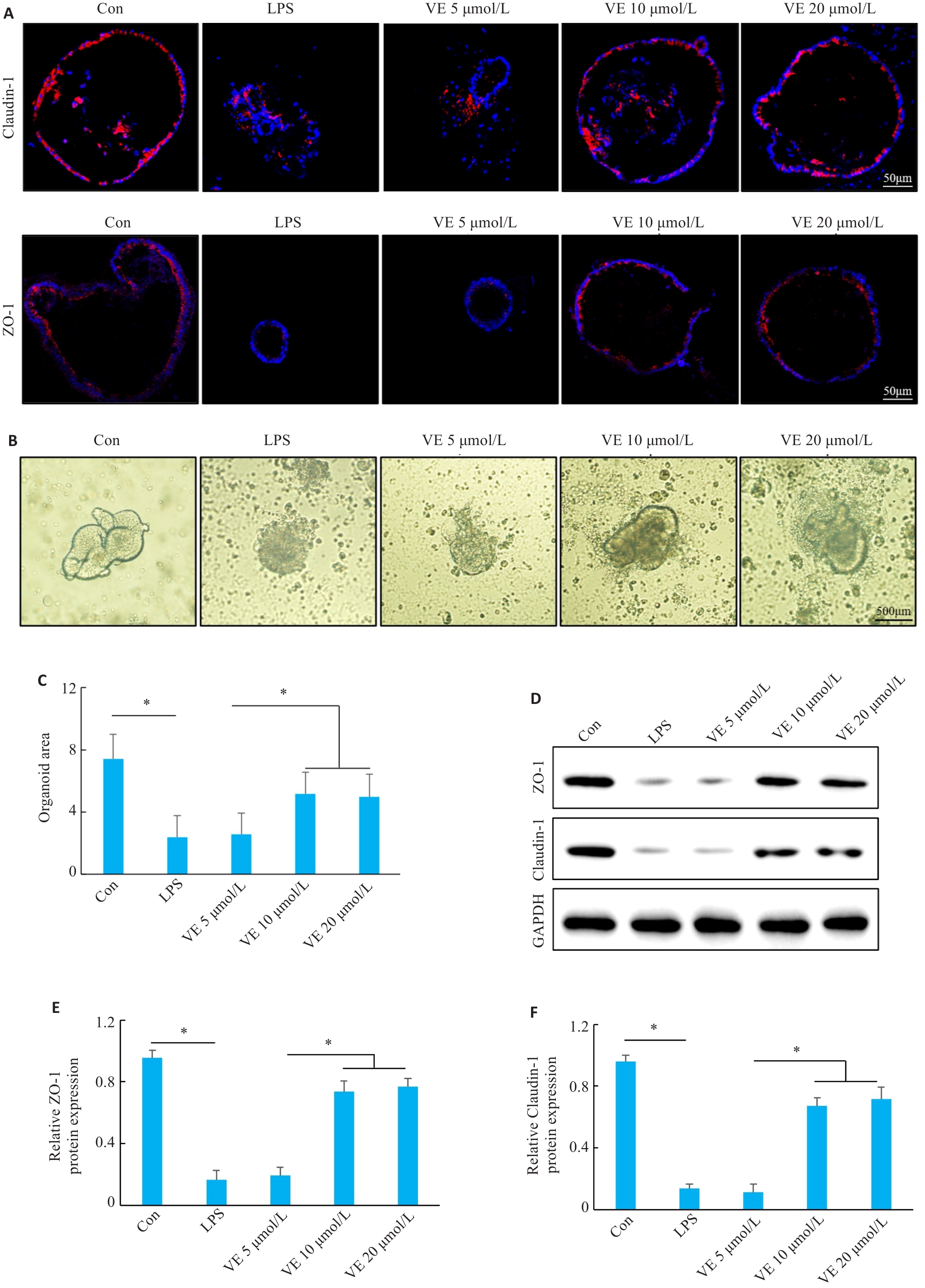
Fig.4 Effects of VE on LPS-induced intestinal barrier injury in colonic organoids. A: Immunofluorescence staining of ZO-1 and claudin-1. B: Microscopic images of colonic organoids. C: Quantitative analysis of organoid area. D-F: Western blotting for analysis of ZO-1 and claudin-1 protein expression levels (n=3). *P<0.05.
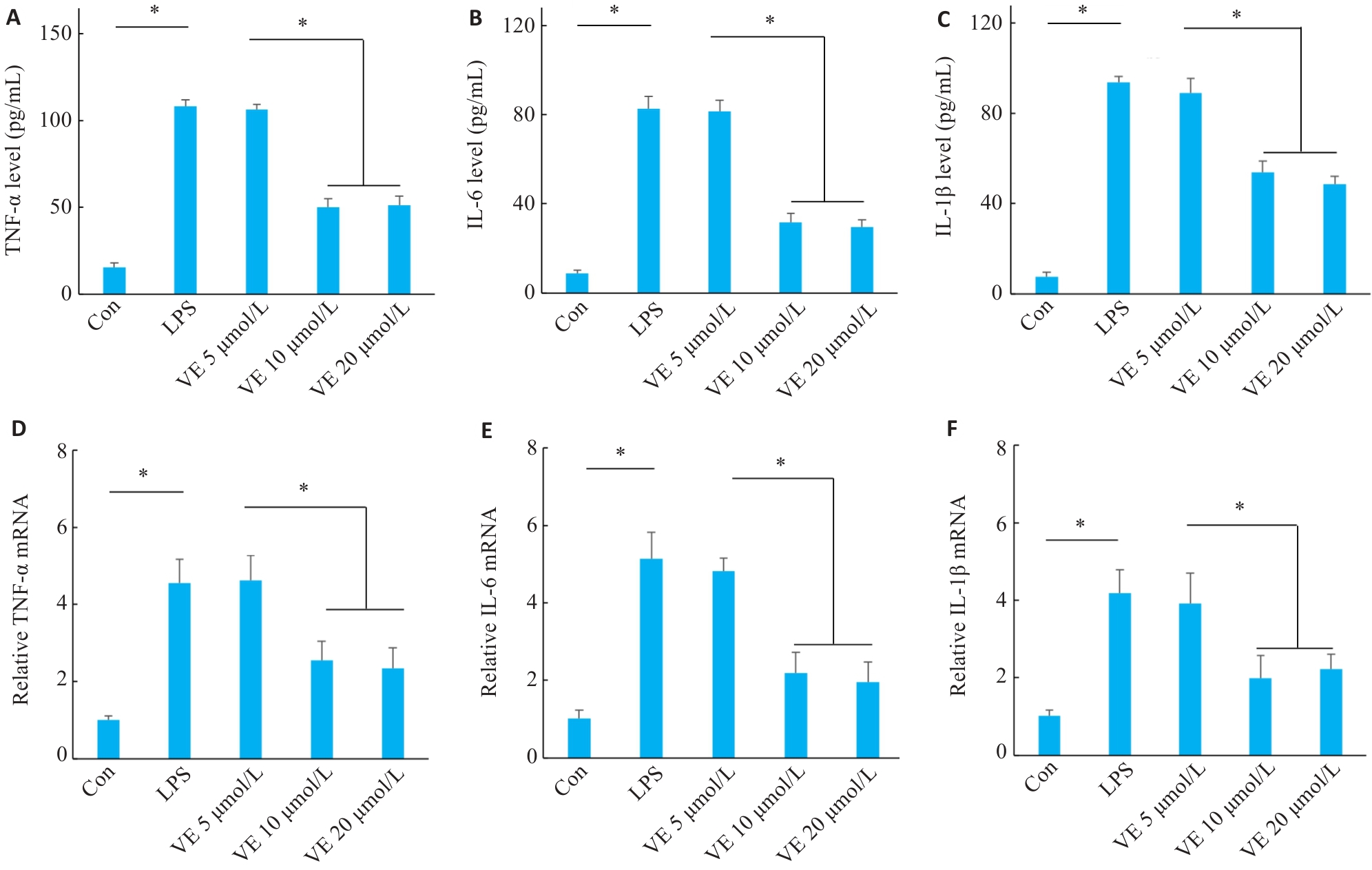
Fig.5 Effects of VE on inflammatory mediator levels in LPS-induced colonic organoids. A-C: ELISA detection of IL-6, IL-1β, and TNF-α protein levels. D-F: RT-qPCR analysis of IL-6, IL-1β, and TNF-α mRNA expression levels (n=3). *P<0.05.
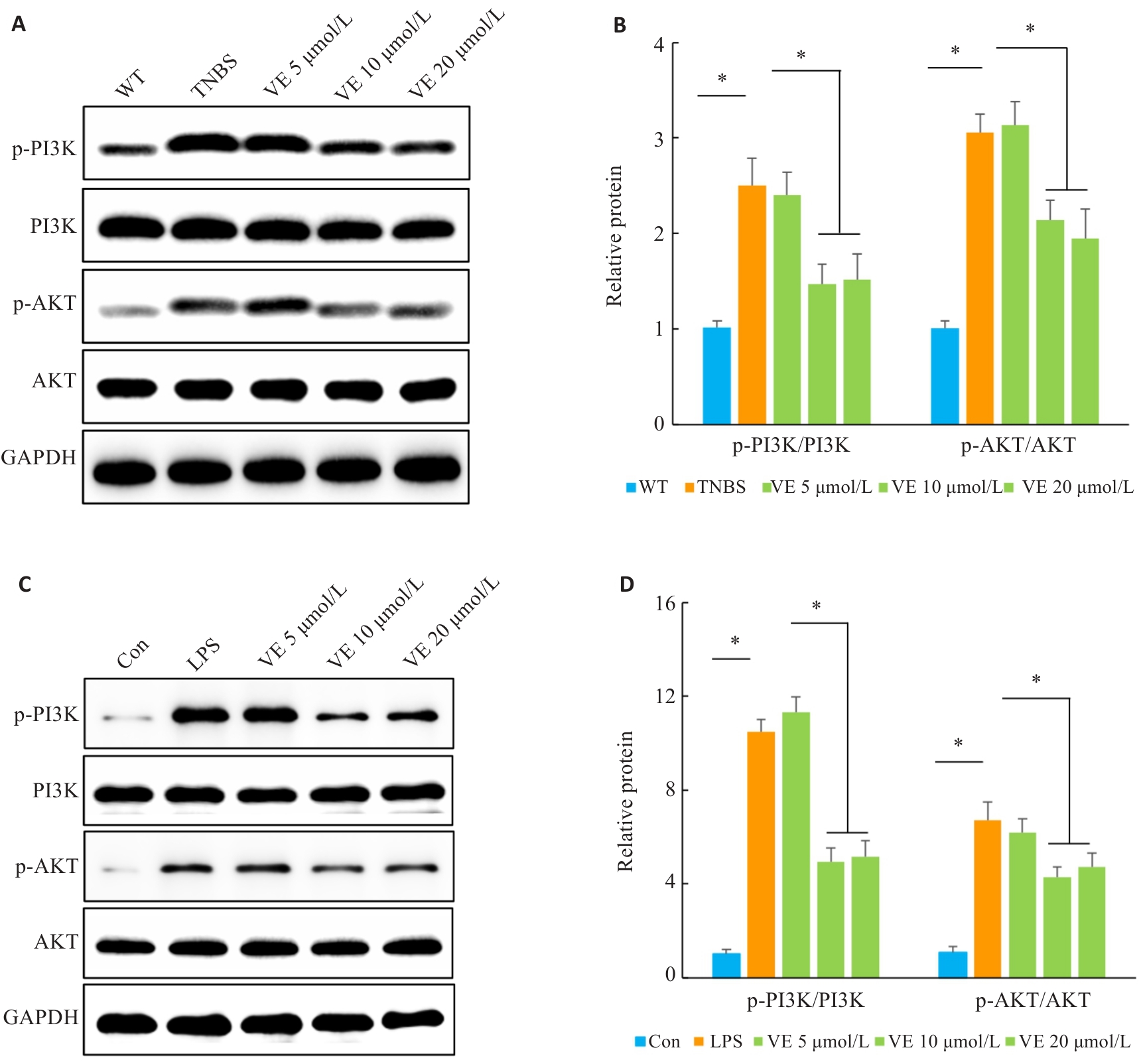
Fig.6 Effects of VE on PI3K-AKT signaling pathway activation. A, B: Western blotting for analysis of p-PI3K/PI3K and p-AKT/AKT protein expressions in colon tissues of TNBS-treated mice (n=10). C, D: Western blotting for analysis of p-PI3K/PI3K and p-AKT/AKT protein expressions in LPS-induced colonic organoids (n=3). *P<0.05.
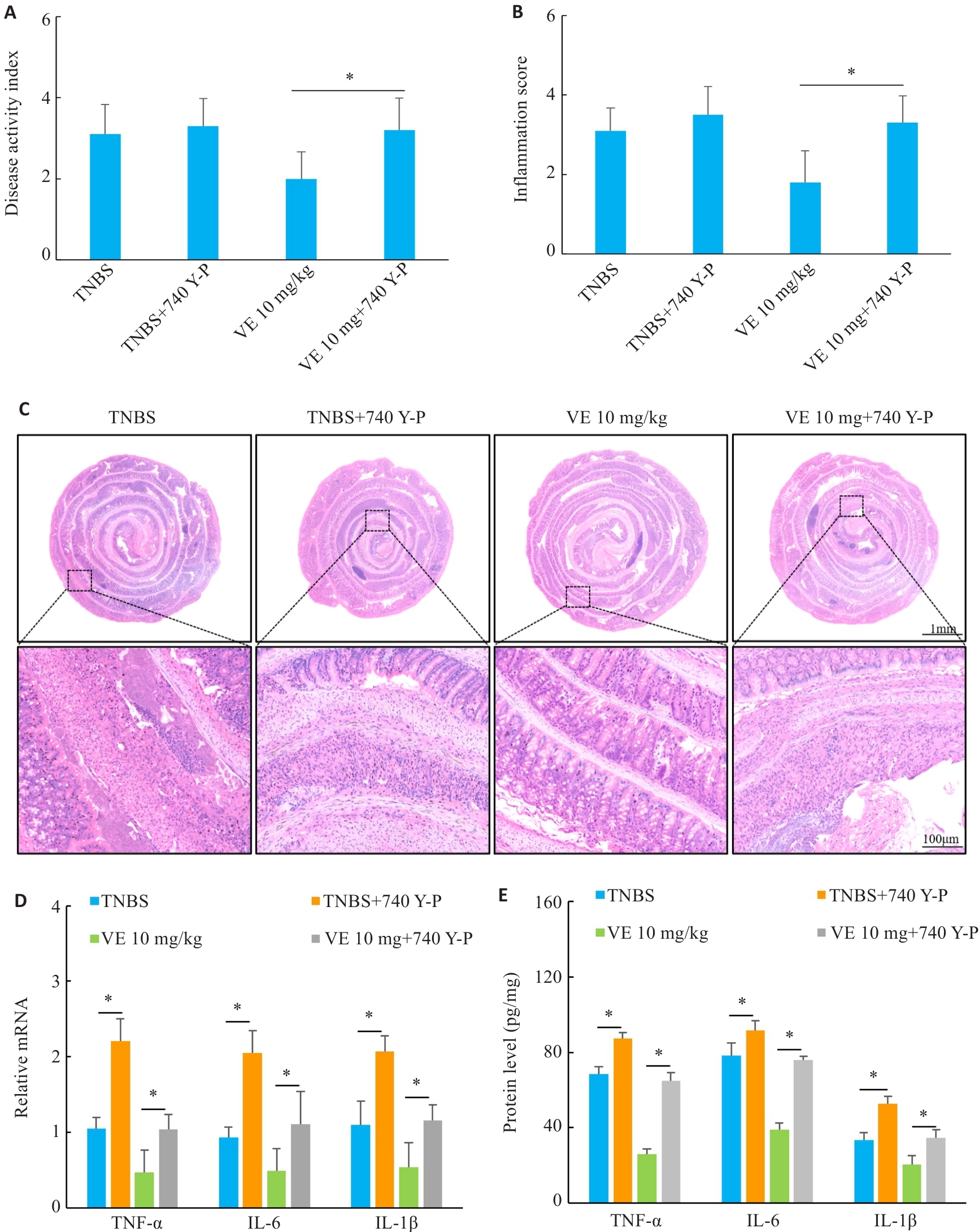
Fig.7 VE ameliorates colitis in mice by inhibiting the PI3K-AKT signaling pathway. A: DAI scores following 740 Y-P intervention. B: Histological inflammation scores. C: HE staining of the colon tissue. D-E: mRNA and protein expression levels of IL-6, IL-1β, and TNF-α in the colonic mucosa. n=10, *P<0.05.
| [1] | Wong SY, Estevinho MM, Heaney T, et al. Goblet cell loss linked to NOD2 and secondary resection in Crohn's disease is induced by dysbiosis and epithelial MyD88[J]. Cell Mol Gastroenterol Hepatol, 2025: 101533. doi:10.1016/j.jcmgh.2025.101533 |
| [2] | Palmela C, Chevarin C, Xu ZL, et al. Adherent-invasive Escherichia coli in inflammatory bowel disease[J]. Gut, 2018, 67(3): 574-87. doi:10.1136/gutjnl-2017-314903 |
| [3] | Liang WJ, Zhang W, Tian JY, et al. Advances in carbohydrate-based nanoparticles for targeted therapy of inflammatory bowel diseases: a review[J]. Int J Biol Macromol, 2024, 281(Pt 4): 136392. doi:10.1016/j.ijbiomac.2024.136392 |
| [4] | Pinelli M, Makdissi S, Scur M, et al. Peroxisomal cholesterol metabolism regulates Yap-signaling, which maintains intestinal epithelial barrier function and is altered in Crohn’s disease[J]. Cell Death Dis, 2024, 15(7): 536. doi:10.1038/s41419-024-06925-x |
| [5] | 李 静, 孙 洋, 熊心雨, 等. 樱黄素抑制TLR4/MyD88通路减轻肠上皮炎症反应改善小鼠克罗恩病样结肠炎[J]. 细胞与分子免疫学杂志, 2024, 40(3): 199-206. |
| [6] | Ma WY, Wang M, Chen JK, et al. Qingshu Yiqi decoction ameliorates exertional heat stroke-induced intestinal barrier injury via NF‑κB/MLC pathway and gut microbiota[J]. Phytomedicine, 2025, 143: 156723. doi:10.1016/j.phymed.2025.156723 |
| [7] | Kim HM, Kim YM. HMGB1: LPS delivery vehicle for caspase-11-mediated pyroptosis[J]. Immunity, 2018, 49(4): 582-4. doi:10.1016/j.immuni.2018.09.021 |
| [8] | Veloso PM, Machado R, Nobre C. Mesalazine and inflammatory bowel disease-From well-established therapies to progress beyond the state of the art[J]. Eur J Pharm Biopharm, 2021, 167: 89-103. doi:10.1016/j.ejpb.2021.07.014 |
| [9] | Kapizioni C, Desoki R, Lam D, et al. Biologic therapy for inflammatory bowel disease: real-world comparative effectiveness and impact of drug sequencing in 13 222 patients within the UK IBD BioResource[J]. J Crohns Colitis, 2024, 18(6): 790-800. |
| [10] | Alajmi A, Yuan YH, Solitano V, et al. 5-Aminosalicylates for non-surgical patients with active or quiescent Crohn's disease: an overview of systematic reviews (umbrella review)[J]. J Crohns Colitis, 2025, 19(5): jjaf069. doi:10.1093/ecco-jcc/jjaf069 |
| [11] | 李 艳, 刘 阳, 郑 敏, 等. 苍苓止泻口服液治疗儿童腹泻的系统评价[J]. 中国医院用药评价与分析, 2018, 18(1): 74-7, 82. |
| [12] | 朱鸿全. 桃红马鞭汤治疗子宫内膜异位症48例[J]. 陕西中医, 1998, 19(12): 532. |
| [13] | 赵益人. 马鞭草合剂治疗血尿[J]. 上海中医药杂志, 1979, 13(4): 26. |
| [14] | Wang YY, Wang X, Li YX, et al. Xuanfei Baidu Decoction reduces acute lung injury by regulating infiltration of neutrophils and macrophages via PD-1/IL17A pathway[J]. Pharmacol Res, 2022, 176: 106083. doi:10.1016/j.phrs.2022.106083 |
| [15] | Kang ZC, Jiang WL, Luan HY, et al. Cornin induces angiogenesis through PI3K-Akt-ENOS-VEGF signaling pathway[J]. Food Chem Toxicol, 2013, 58: 340-6. doi:10.1016/j.fct.2013.05.017 |
| [16] | Dong JH, Du CL, Xu CT, et al. Verbenalin attenuates hepatic damage and mitochondrial dysfunction in alcohol-associated steatohepatitis by regulating MDMX/PPARα‑mediated ferroptosis[J]. J Ethnopharmacol, 2023, 307: 116227. doi:10.1016/j.jep.2023.116227 |
| [17] | Zuo LG, Li J, Zhang XF, et al. Aberrant mesenteric adipose extracellular matrix remodelling is involved in adipocyte dysfunction in Crohn's disease: the role of TLR-4-mediated macrophages[J]. J Crohns Colitis, 2022, 16(11): 1762-76. doi:10.1093/ecco-jcc/jjac087 |
| [18] | Lukonin I, Serra D, Challet Meylan L, et al. Phenotypic landscape of intestinal organoid regeneration[J]. Nature, 2020, 586(7828): 275-80. doi:10.1038/s41586-020-2776-9 |
| [19] | Alula KM, Dowdell AS, LeBere B, et al. Interplay of gut microbiota and host epithelial mitochondrial dysfunction is necessary for the development of spontaneous intestinal inflammation in mice[J]. Microbiome, 2023, 11(1): 256. doi:10.1186/s40168-023-01686-9 |
| [20] | Zuo LG, Li J, Ge ST, et al. Bryostatin-1 ameliorated experimental colitis in Il-10-/- Mice by protecting the intestinal barrier and limiting immune dysfunction[J]. J Cell Mol Med, 2019, 23(8): 5588-99. doi:10.1111/jcmm.14457 |
| [21] | 李晴晴, 黄 菊, 孙 洋, 等. 乙酰紫堇灵通过抑制肠上皮细胞凋亡改善三硝基苯磺酸诱导的小鼠克罗恩病样结肠炎[J]. 南方医科大学学报, 2023, 43(8): 1306-14. |
| [22] | Li YY, Wang XJ, Su YL, et al. Baicalein ameliorates ulcerative colitis by improving intestinal epithelial barrier via AhR/IL-22 pathway in ILC3s[J]. Acta Pharmacol Sin, 2022, 43(6): 1495-507. doi:10.1038/s41401-021-00781-7 |
| [23] | Dönder Y, Arikan TB, Baykan M, et al. Effects of quercitrin on bacterial translocation in a rat model of experimental colitis[J]. Asian J Surg, 2018, 41(6): 543-50. doi:10.1016/j.asjsur.2017.12.002 |
| [24] | Zuo LG, Geng ZJ, Song X, et al. Browning of mesenteric white adipose tissue in Crohn’s disease: a new pathological change and therapeutic target[J]. J Crohns Colitis, 2023, 17(8): 1179-92. doi:10.1093/ecco-jcc/jjad046 |
| [25] | Wirtz S, Popp V, Kindermann M, et al. Chemically induced mouse models of acute and chronic intestinal inflammation[J]. Nat Protoc, 2017, 12(7): 1295-309. doi:10.1038/nprot.2017.044 |
| [26] | Wei ZY, Ni X, Cui H, et al. Engeletin attenuates the inflammatory response via inhibiting TLR4-NFκB signaling pathway in Crohn's disease-like colitis[J]. J Ethnopharmacol, 2025, 336: 118733. doi:10.1016/j.jep.2024.118733 |
| [27] | Gao ZX, Yu XC, Su WL, et al. Atractylenolide-1 alleviates ulcerative colitis via restraining RhoA/ROCK/MLC pathway-mediated intestinal barrier dysfunction[J]. J Agric Food Chem, 2025, 73(21): 12690-701. doi:10.1021/acs.jafc.4c11976 |
| [28] | Liu HY, Li SC, Ogamune KJ, et al. Probiotic Lactobacillus johnsonii reduces intestinal inflammation and rebalances splenic treg/Th17 responses in dextran sulfate sodium-induced colitis[J]. Antioxidants (Basel), 2025, 14(4): 433. doi:10.3390/antiox14040433 |
| [29] | Leibovitzh H, Lee SH, Xue MY, et al. Altered gut microbiome composition and function are associated with gut barrier dysfunction in healthy relatives of patients with Crohn's disease[J]. Gastroenterology, 2022, 163(5): 1364-76.e10. doi:10.1053/j.gastro.2022.07.004 |
| [30] | Sato Y, Kanayama M, Nakajima S, et al. Sialyllactose enhances the short-chain fatty acid production and barrier function of gut epithelial cells via nonbifidogenic modification of the fecal microbiome in human adults[J]. Microorganisms, 2024, 12(2): 252. doi:10.3390/microorganisms12020252 |
| [31] | Spalinger MR, Schwarzfischer M, Niechcial A, et al. Loss of PTPN22 promotes intestinal inflammation by compromising granulocyte-mediated antibacterial defence[J]. J Crohns Colitis, 2021, 15(12): 2118-30. doi:10.1093/ecco-jcc/jjab098 |
| [32] | Hazime H, Ducasa GM, Santander AM, et al. DUOX2 activation drives bacterial translocation and subclinical inflammation in IBD-associated dysbiosis[J]. Gut, 2025, 74(10): 1589-601. doi:10.1136/gutjnl-2024-334346 |
| [33] | Zhang J, Zhao LL, He JY, et al. Protect effects of Perilla seed extract and its active ingredient luteolin against inflammatory bowel disease model via the PI3K/AKT signal pathway in vivo and in vitro [J]. Int J Mol Sci, 2025, 26(8): 3564. doi:10.3390/ijms26083564 |
| [34] | Qiao M, Xue TT, Zhu Y, et al. Polysaccharides from Cistanche deserticola mitigate inflammatory bowel disease via modulating intestinal microbiota and SRC/EGFR/PI3K/AKT signaling pathways[J]. Int J Biol Macromol, 2025, 308(Pt 2): 142452. doi:10.1016/j.ijbiomac.2025.142452 |
| [35] | Zhang SF, Zhong RQ, Zhou M, et al. Mechanisms of baicalin alleviates intestinal inflammation: role of M1 macrophage polarization and Lactobacillus amylovorus [J]. Adv Sci (Weinh), 2025, 12(21): e2415948. doi:10.1002/advs.202415948 |
| [36] | Geng ZJ, Zuo LG, Li J, et al. Ginkgetin improved experimental colitis by inhibiting intestinal epithelial cell apoptosis through EGFR/PI3K/AKT signaling[J]. FASEB J, 2024, 38(14): e23817. doi:10.1096/fj.202400211rr |
| [37] | Hu JY, Niu JJ, Jiang SS, et al. Qilian Jiechang Ning alleviates TNBS-induced ulcerative colitis in mice and segatella copri outer membrane vesicle-triggered inflammation in colon epithelial cells via the caspase-1/11-GSDMD pathways[J]. J Innate Immun, 2025, 17(1): 262-76. doi:10.1159/000545394 |
| [38] | Zhao HM, Xu R, Huang XY, et al. Curcumin improves regulatory T cells in gut-associated lymphoid tissue of colitis mice[J]. World J Gastroenterol, 2016, 22(23): 5374-83. doi:10.3748/wjg.v22.i23.5374 |
| [1] | Binjie LI, Xiaofang ZHOU, Xiaomeng LANG, Xin KANG, Jianping LIU. Xiezhuo Jiedu Recipe improves ulcerative colitis in rats by regulating Th17/Treg immune balance [J]. Journal of Southern Medical University, 2026, 46(2): 335-344. |
| [2] | Lin YIN, Keni ZHANG, Tong QIAO, Minzhu NIU, Lixia YIN, Xinyue LIU, Zhijun GENG, Jing LI, Jianguo HU. Veratric acid relieves oxidative stress and DSS-induced colitis in mice by activating the Nrf2/HO-1 signaling pathway [J]. Journal of Southern Medical University, 2026, 46(2): 403-411. |
| [3] | Tong QIAO, Lin YIN, Keni ZHANG, Minzhu NIU, Ju HUANG, Zhijun Geng, Jing LI, Jianguo HU. Poricoic acid A alleviates dextran sulfate sodium-induced colitis in mice by regulating AMPK/mTOR-mediated autophagy and inhibiting intestinal epithelial cell apoptosis [J]. Journal of Southern Medical University, 2026, 46(1): 131-140. |
| [4] | Minzhu NIU, Lixia YIN, Tong QIAO, Lin YIN, Keni ZHANG, Jianguo HU, Chuanwang SONG, Zhijun GENG, Jing LI. Ecliptasaponin A ameliorates DSS-induced colitis in mice by suppressing M1 macrophage polarization via inhibiting the JAK2/STAT3 pathway [J]. Journal of Southern Medical University, 2025, 45(6): 1297-1306. |
| [5] | Jiahao LI, Ruiting XIAN, Rong LI. Down-regulation of ACADM-mediated lipotoxicity inhibits invasion and metastasis of estrogen receptor-positive breast cancer cells [J]. Journal of Southern Medical University, 2025, 45(6): 1163-1173. |
| [6] | Fei CHU, Xiaohua CHEN, Bowen SONG, Jingjing YANG, Lugen ZUO. Moslosooflavone ameliorates dextran sulfate sodium-induced colitis in mice by suppressing intestinal epithelium apoptosis via inhibiting the PI3K/AKT signaling pathway [J]. Journal of Southern Medical University, 2025, 45(4): 819-828. |
| [7] | Lixia YIN, Minzhu NIU, Keni ZHANG, Zhijun GENG, Jianguo HU, Jiangyan LI, Jing LI. Cimifugin ameliorates Crohn's disease-like colitis in mice by modulating Th-cell immune balance via inhibiting the MAPK pathway [J]. Journal of Southern Medical University, 2025, 45(3): 595-602. |
| [8] | Qingqing HUANG, Jingjing YANG, Xuening JIANG, Wenjing ZHANG, Yu WANG, Lugen ZUO, Lian WANG, Yueyue WANG, Xiaofeng ZHANG, Xue SONG, Jianguo HU. Hypaphorine alleviates Crohn's disease-like colitis in mice by inhibiting intestinal epithelial inflammatory response and protecting intestinal barrier function [J]. Journal of Southern Medical University, 2025, 45(11): 2456-2465. |
| [9] | Lu TAO, Yue CHEN, Linlin HUANG, Wang ZHENG, Xue SONG, Ping XIANG, Jianguo HU. Niranthin ameliorates Crohn's disease-like enteritis in mice by inhibiting intestinal epithelial cell apoptosis and protecting intestinal barrier via modulating p38/JNK signaling [J]. Journal of Southern Medical University, 2025, 45(11): 2483-2495. |
| [10] | Shuo LIU, Jing LI, Xingwang WU. Swertiamarin ameliorates 2,4,6-trinitrobenzenesulfonic acid-induced colitis in mice by inhibiting intestinal epithelial cell apoptosis [J]. Journal of Southern Medical University, 2024, 44(8): 1545-1552. |
| [11] | Minzhu NIU, Lixia YIN, Ting DUAN, Ju HUANG, Jing LI, Zhijun GENG, Jianguo HU, Chuanwang SONG. Asperosaponin VI alleviates TNBS-induced Crohn's disease-like colitis in mice by reducing intestinal epithelial cell apoptosis via inhibiting the PI3K/AKT/NF-κB signaling pathway [J]. Journal of Southern Medical University, 2024, 44(12): 2335-2346. |
| [12] | Yumei YANG, Xuerou LIU, Wei LIU, Xingqi ZHOU, Zhen ZHANG, Yan HU, Peipei LIU, Xian LI, Hao LIU, Shanshan LI. Aumolertinib combined with anlotinib inhibits proliferation of non-small cell lung cancer cells by down-regulating the PI3K/AKT pathway [J]. Journal of Southern Medical University, 2024, 44(10): 1965-1975. |
| [13] | SHAO Rongrong, YANG Zi, ZHANG Wenjing, ZHANG Nuo, ZHAO Yajing, ZHANG Xiaofeng, ZUO Lugen, GE Sitang. Pachymic acid protects against Crohn's disease-like intestinal barrier injury and colitis in mice by suppressing intestinal epithelial cell apoptosisviainhibiting PI3K/AKT signaling [J]. Journal of Southern Medical University, 2023, 43(6): 935-942. |
| [14] | XIAO Shuzhe, CHENG Yanling, ZHU Yun, TANG Rui, GU Jianbiao, LAN Lin, HE Zhihua, LIU Danqiong, GENG Lanlan, CHENG Yang, GONG Sitang. Fibroblasts overpressing WNT2b cause impairment of intestinal mucosal barrier [J]. Journal of Southern Medical University, 2023, 43(2): 206-212. |
| [15] | . Changes of guanylate cyclase C in colon tissues of rats with intestinal injury associated with severe acute pancreatitis [J]. Journal of Southern Medical University, 2021, 41(3): 376-383. |
| Viewed | ||||||
|
Full text |
|
|||||
|
Abstract |
|
|||||
