
Journal of Southern Medical University ›› 2026, Vol. 46 ›› Issue (9): 2173-2184.doi: 10.12122/j.issn.1673-4254.2026.09.16
Baichao LI1( ), Bingzhe WANG1, Xianghui MEI1, Ye TIAN1, Liang HAN1, Jiuna ZHANG2()
Received:2025-12-25
Online:2026-09-20
Published:2026-09-30
Contact:
Jiuna ZHANG
E-mail:1832492339@qq.com;shitouli1020@163.com
Baichao LI, Bingzhe WANG, Xianghui MEI, Ye TIAN, Liang HAN, Jiuna ZHANG. Phosphatidylinositol glycan anchor biosynthesis class T promotes malignant phenotype of colon cancer through the NF-κB signaling pathway[J]. Journal of Southern Medical University, 2026, 46(9): 2173-2184.
Add to citation manager EndNote|Ris|BibTeX
URL: https://www.j-smu.com/EN/10.12122/j.issn.1673-4254.2026.09.16
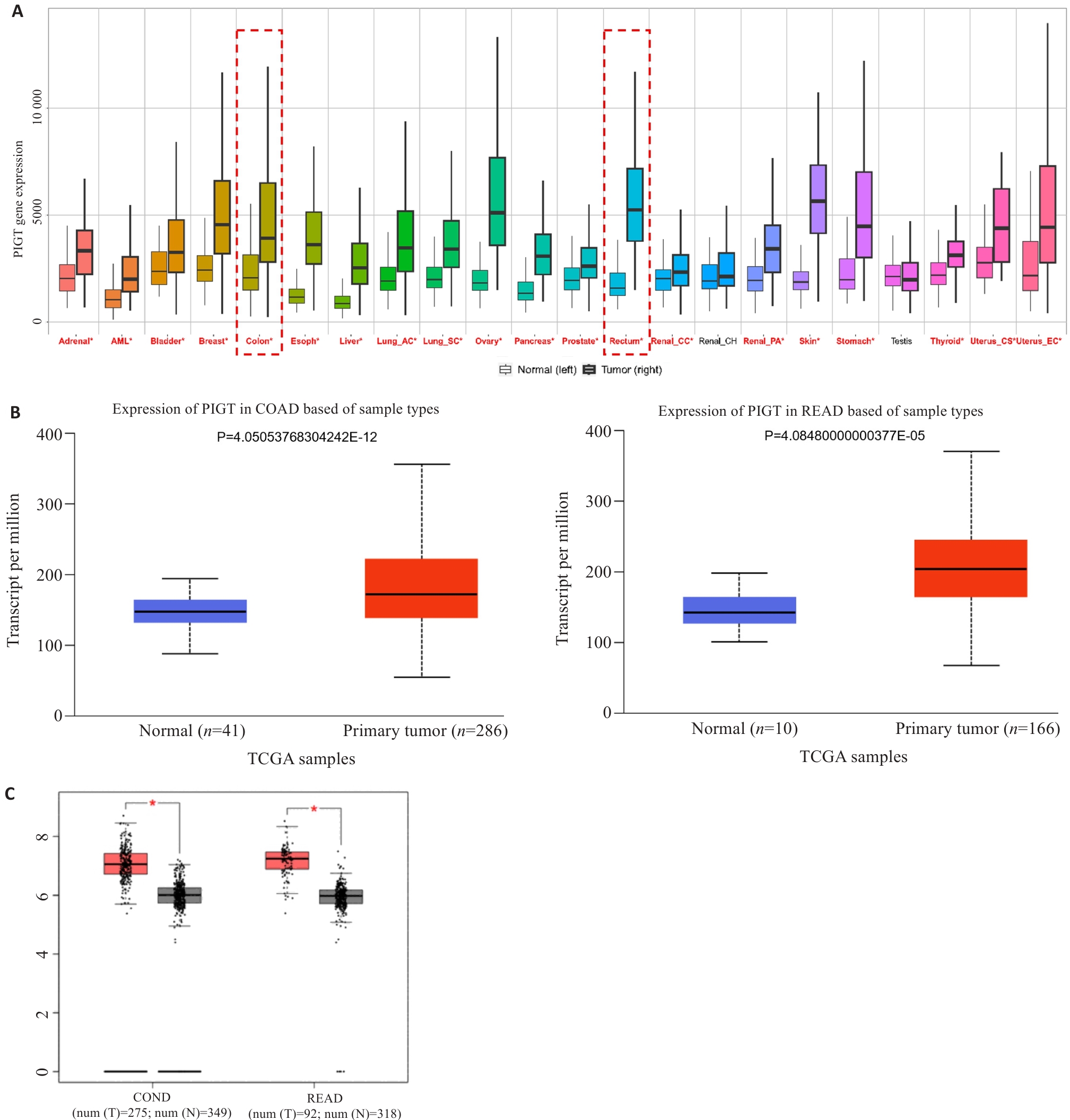
Fig.1 Elevated expression of PIGT in colorectal cancer tissues. A: Pan cancer analysis based on the TNMplot database show that PIGT mRNA levels are significantly upregulated in multiple malignancies, including colorectal cancer (CRC), compared with corresponding normal tissues. B: Validation using the UALCAN database demonstrates that PIGT mRNA levels in primary tumor tissues are significantly higher than those in adjacent normal tissues in both colon adenocarcinoma (COAD) and rectal adenocarcinoma (READ). C: Analysis using the GEPIA database shows that PIGT mRNA expression is significantly increased in COAD and READ samples compared with normal controls. *P<0.05.
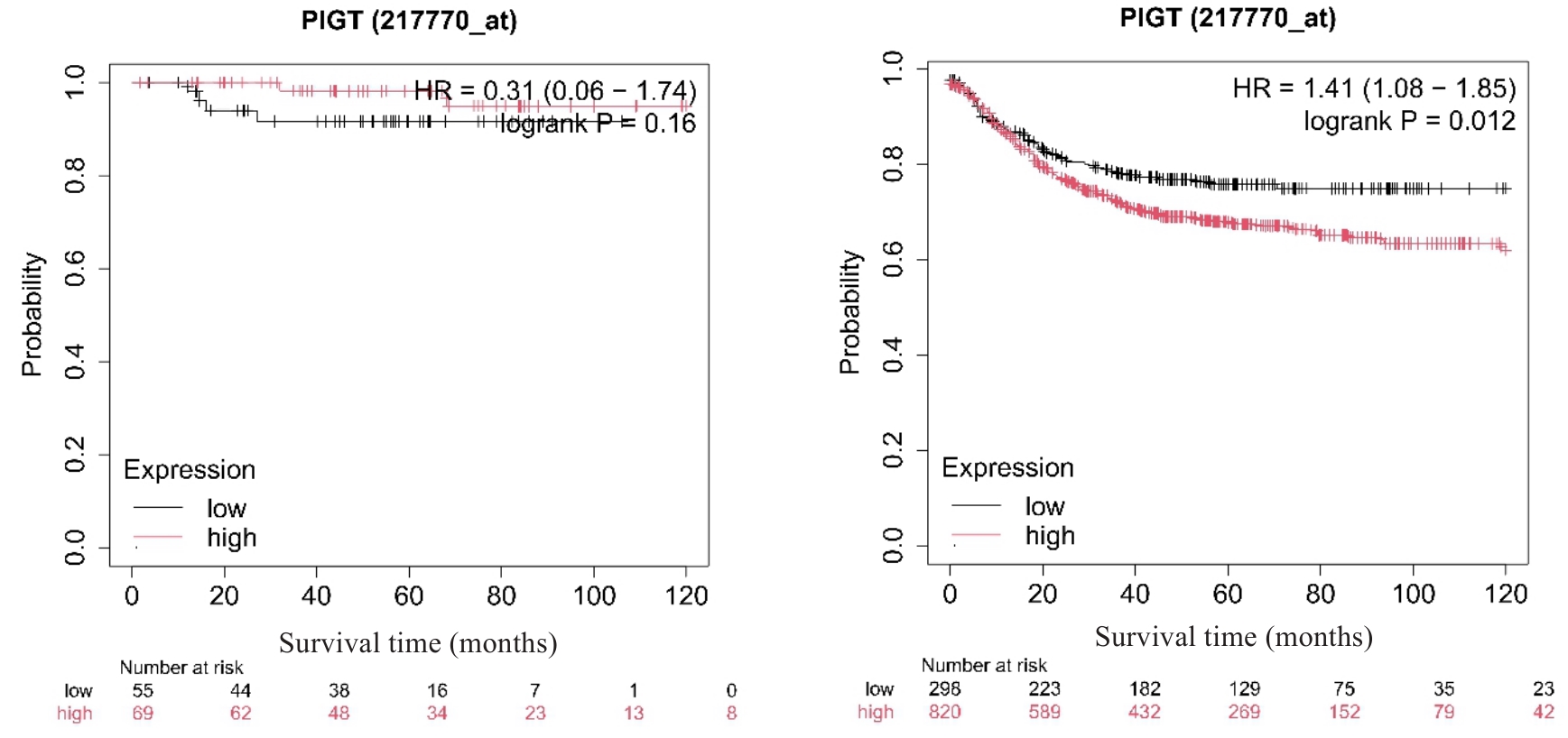
Fig.2 High PIGT expression is associated with poor prognosis in mid-to-late stage colorectal cancer patients.
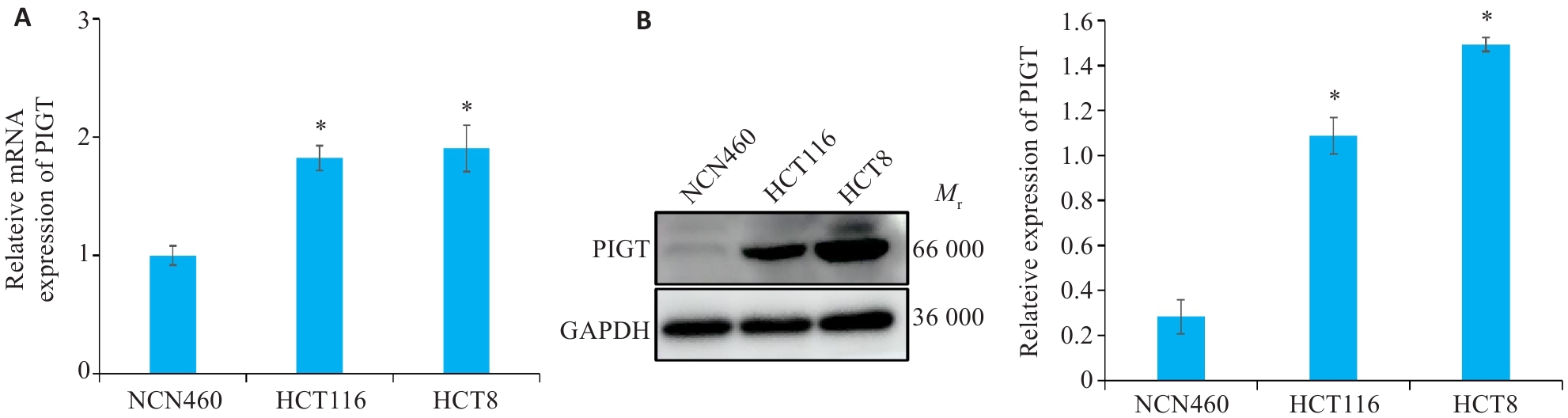
Fig.3 PIGT expression is upregulated in colorectal cancer cell lines. A: qPCR analysis of PIGT mRNA levels in two colorectal cancer cell lines (HCT116 and HCT8) and the normal colorectal mucosal cell line NCM460. B: Western blotting analysis of PIGT protein expression in the same cell lines. All data represent the Mean±SD from 3 independent experiments. *P<0.05 vs NCM460.
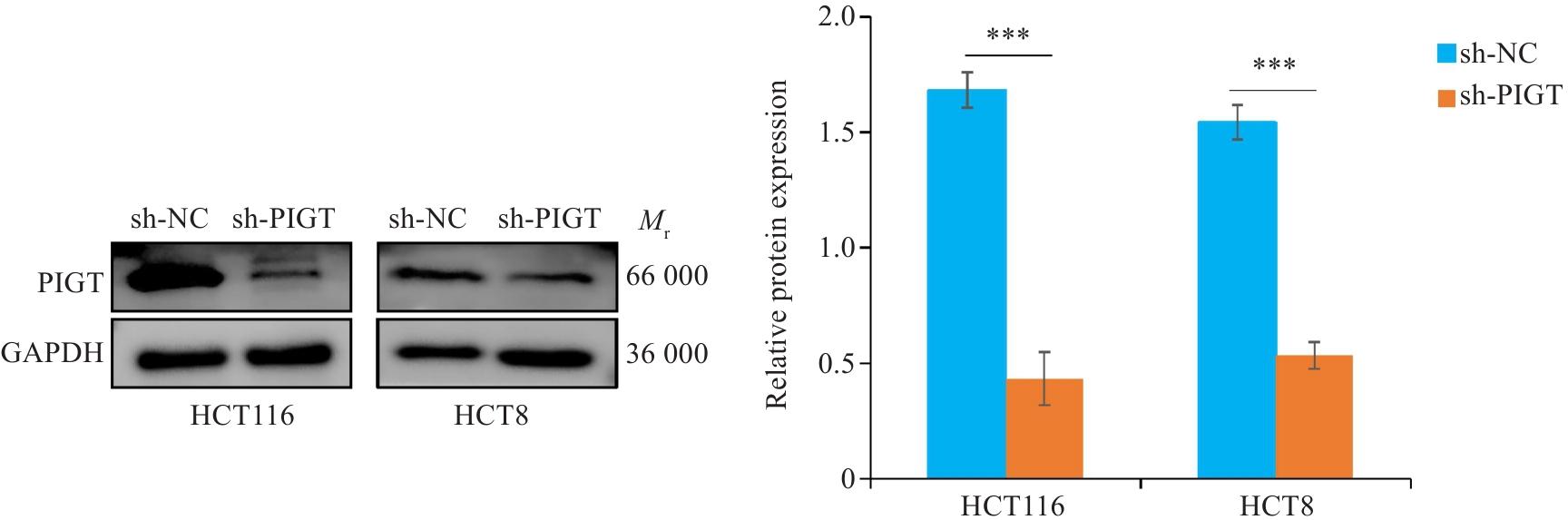
Fig.4 PIGT expression is efficiently knocked down in HCT116 and HCT8 cells (n=3). ***P<0.001.
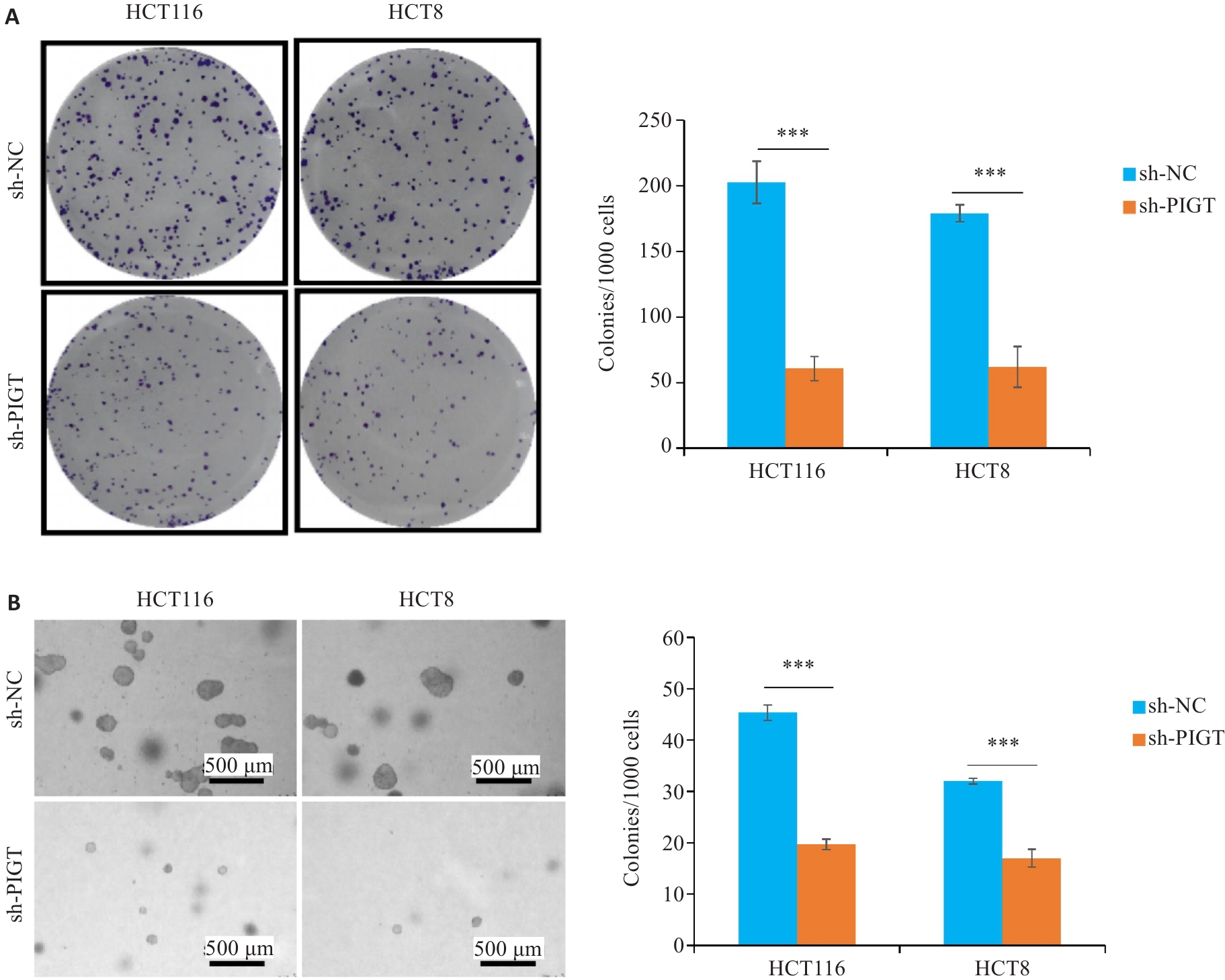
Fig.5 Knockdown of PIGT inhibits proliferation of colorectal cancer cells. A: Knockdown of PIGT significantly reduces the number and size of colonies compared with the sh-NC control group. B: PIGT knockdown markedly decreases the number of colony spheres formed in soft agar. ***P<0.001 (n=3).
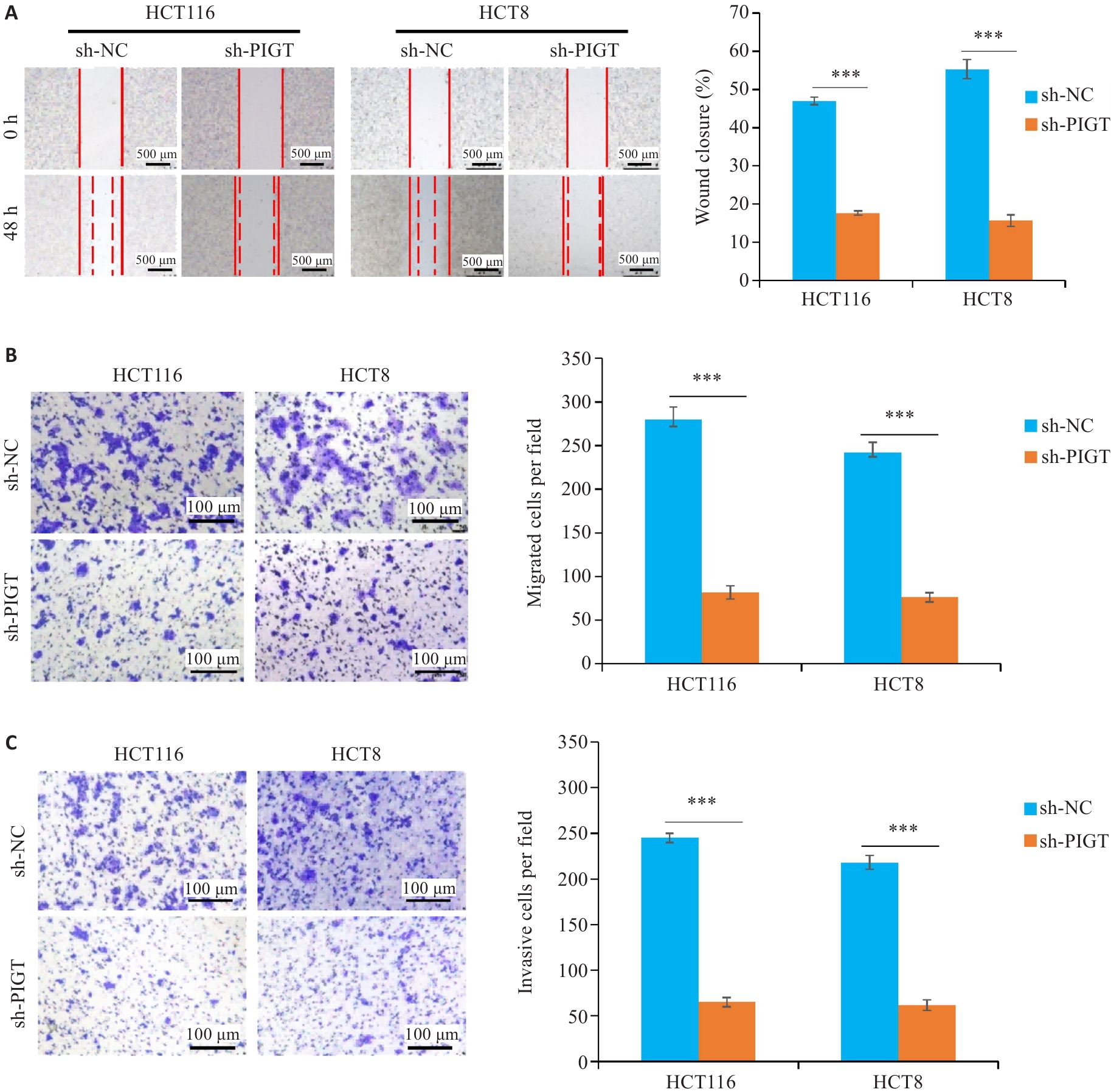
Fig.6 Knockdown of PIGT attenuates migration and invasion of CRC cells. A: Wound healing assay in HCT116 and HCT8 cells transfected with sh NC or sh PIGT. Knockdown of PIGT significantly delays wound closure compared with the control group. B: Transwell migration assay. PIGT knockdown markedly reduces the number of cells migrating through the polycarbonate membrane. C: Matrigel invasion assay. PIGT knockdown similarly impairs the ability of cells to penetrate the Matrigel barrier. ***P<0.001 (n=3).
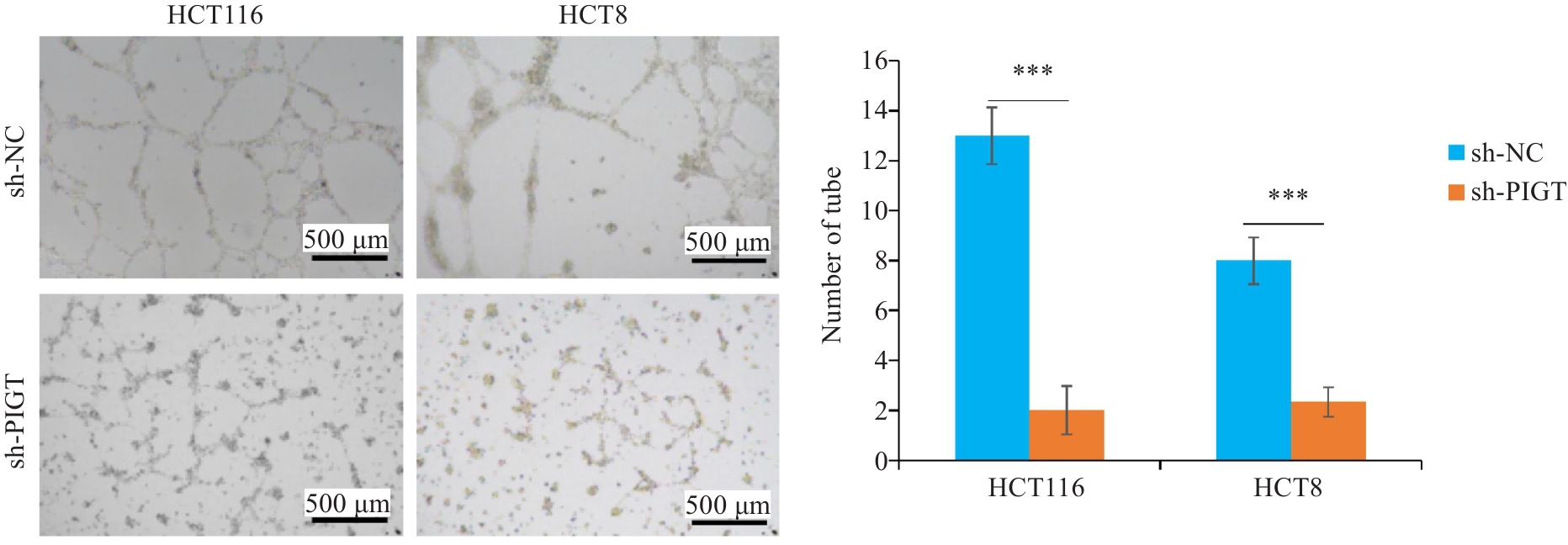
Fig.7 Knockdown of PIGT impairs tube formation in CRC cells (n=3). ***P<0.001.
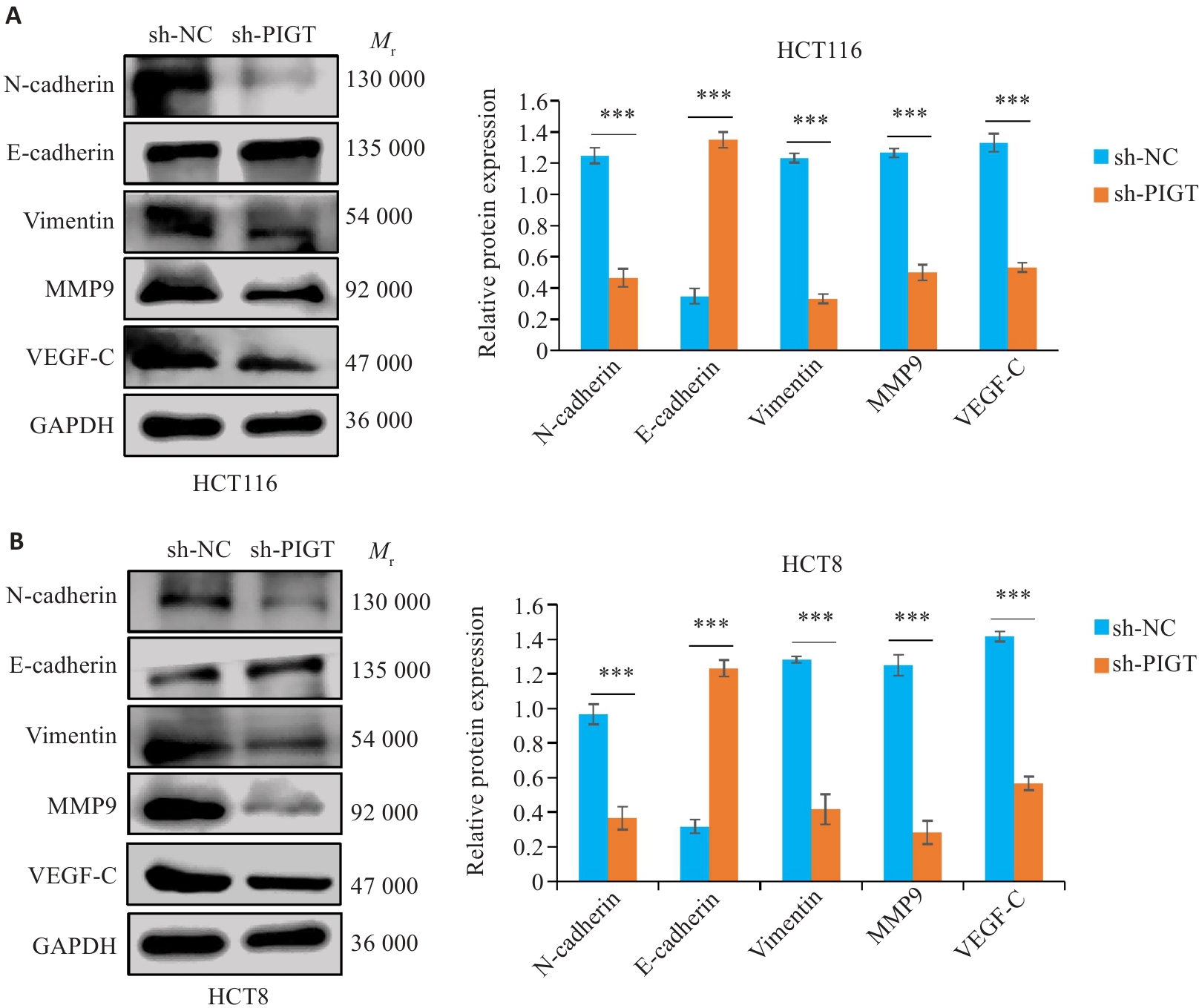
Fig.8 PIGT knockdown reverses EMT by downregulating its effector molecules in CRC cells. A: Western blotting of N cadherin, E cadherin, Vimentin, MMP9, and VEGF-C protein levels in HCT116 cells after PIGT knockdown. GAPDH was used as a loading control. B: Western blotting and quantification of the same proteins in HCT8 cells. ***P<0.001 (n= 3).
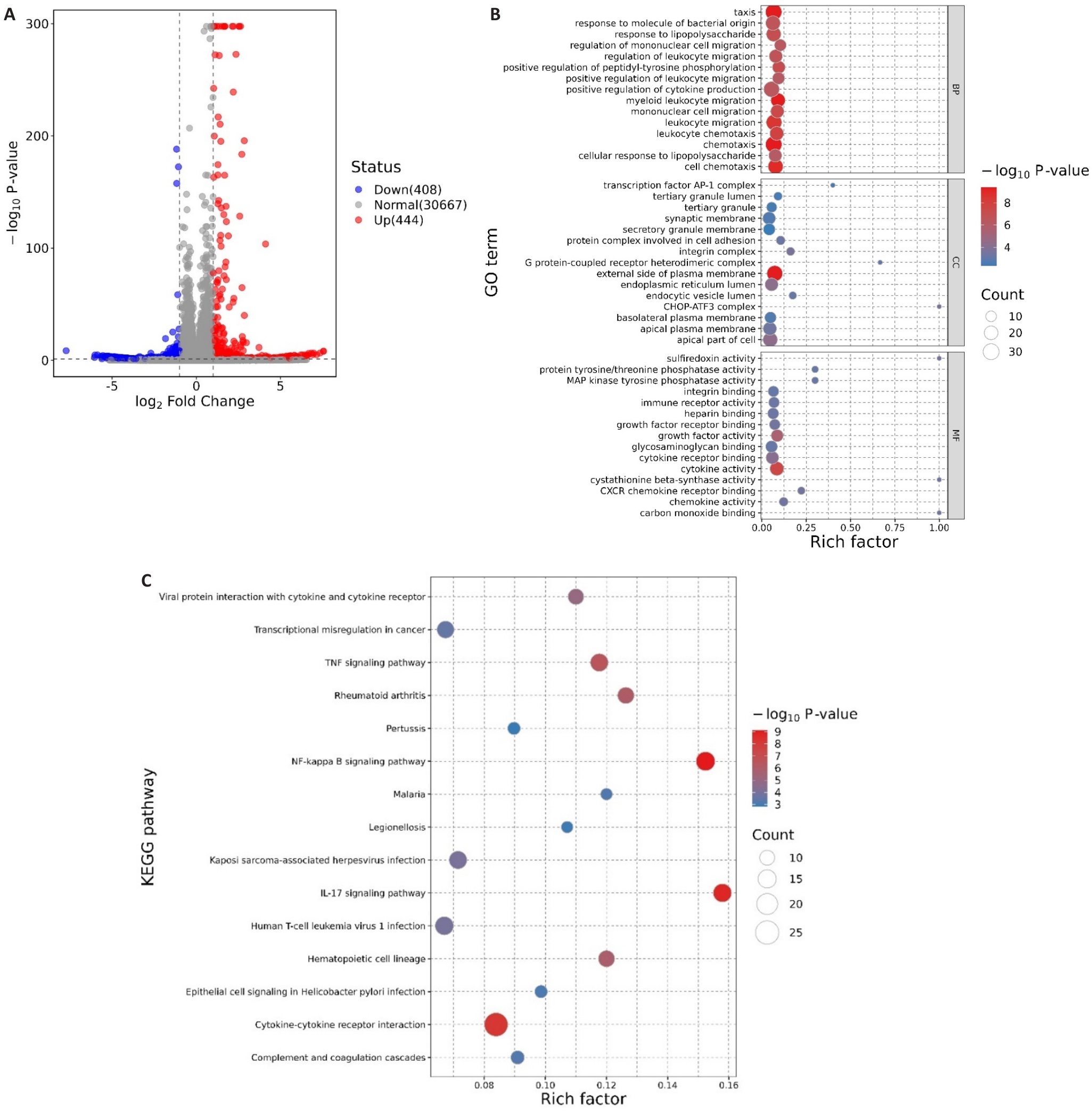
Fig.9 Functional enrichment analysis reveals key pathways and biological processes associated with PIGT. A: Number of differentially expressed genes upon PIGT knockdown. B: GO enrichment analysis of the differentially expressed genes. C: KEGG pathway enrichment analysis of the differentially expressed genes.
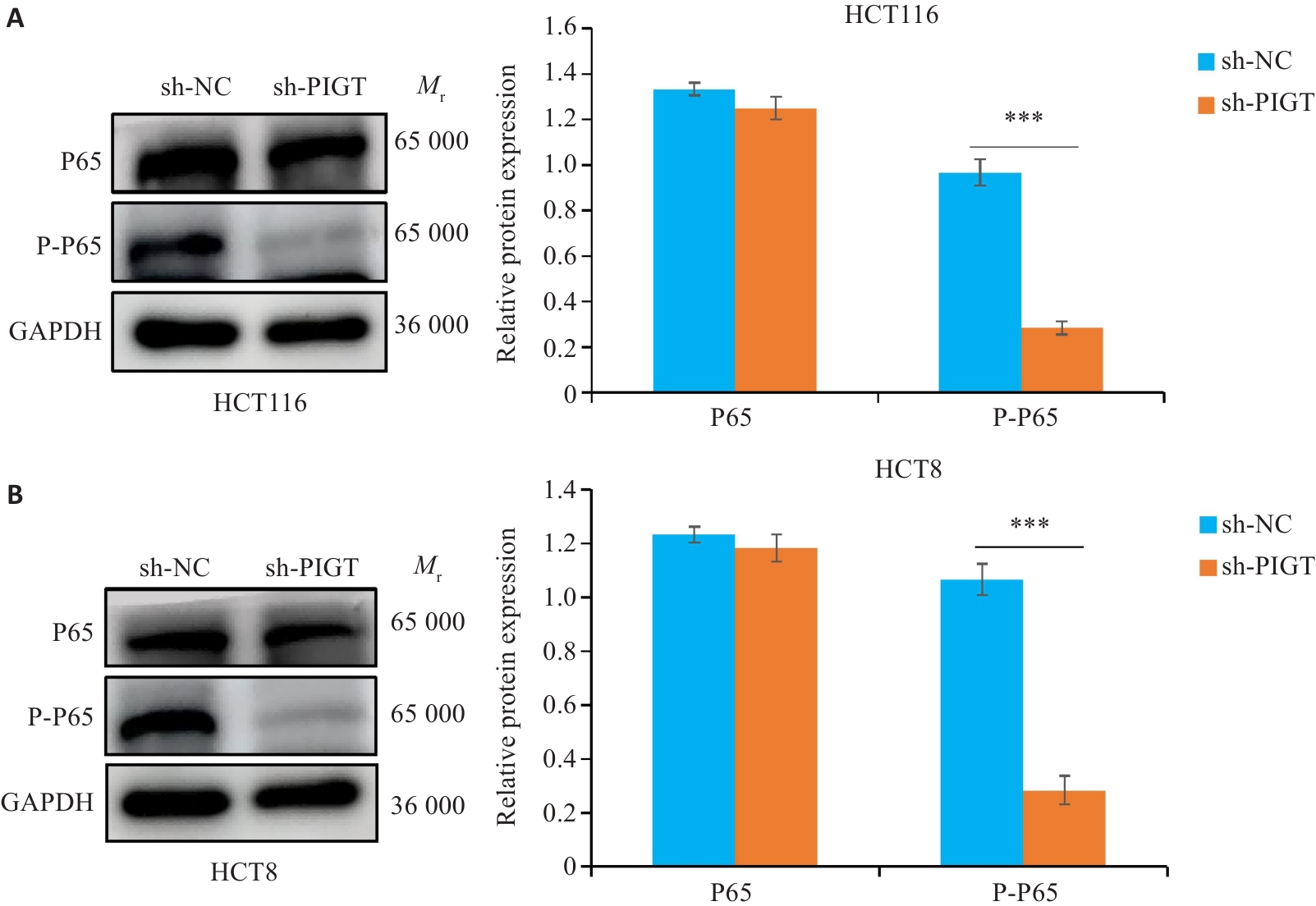
Fig.10 Protein level validation of PIGT-mediated regulation of NF‑κB signaling. A: Western blotting of P65 and phosphorylated P65 (P-P65) in HCT116 cells after PIGT knockdown. B: Western blotting analysis of P65 and P-P65 in HCT8 cells after PIGT knockdown. ***P<0.001 (n=3).
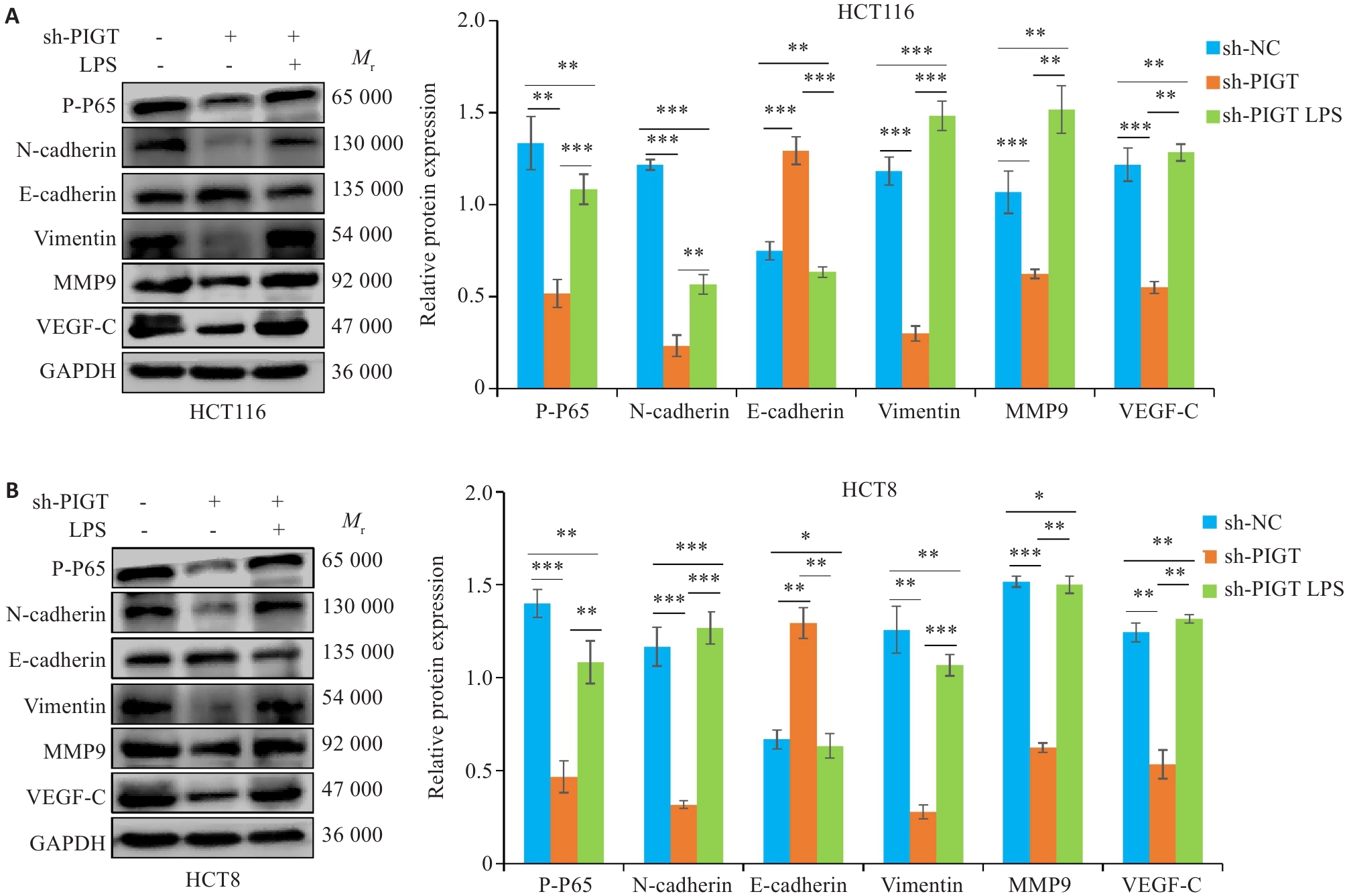
Fig.11 LPS reverses PIGT knockdown-induced inhibition of NF-κB pathway and EMT in colorectal cancer cells. A: Western blotting of P P65, E cadherin, N cadherin, vimentin, MMP9, and VEGF-C in HCT116 cells in sh NC, sh PIGT, and sh PIGT+LPS (1 μg/mL LPS, 24 h) groups. B: Western blotting analysis of the same proteins in HCT8 cells. *P<0.05, **P<0.01, ***P<0.001 (n=3).
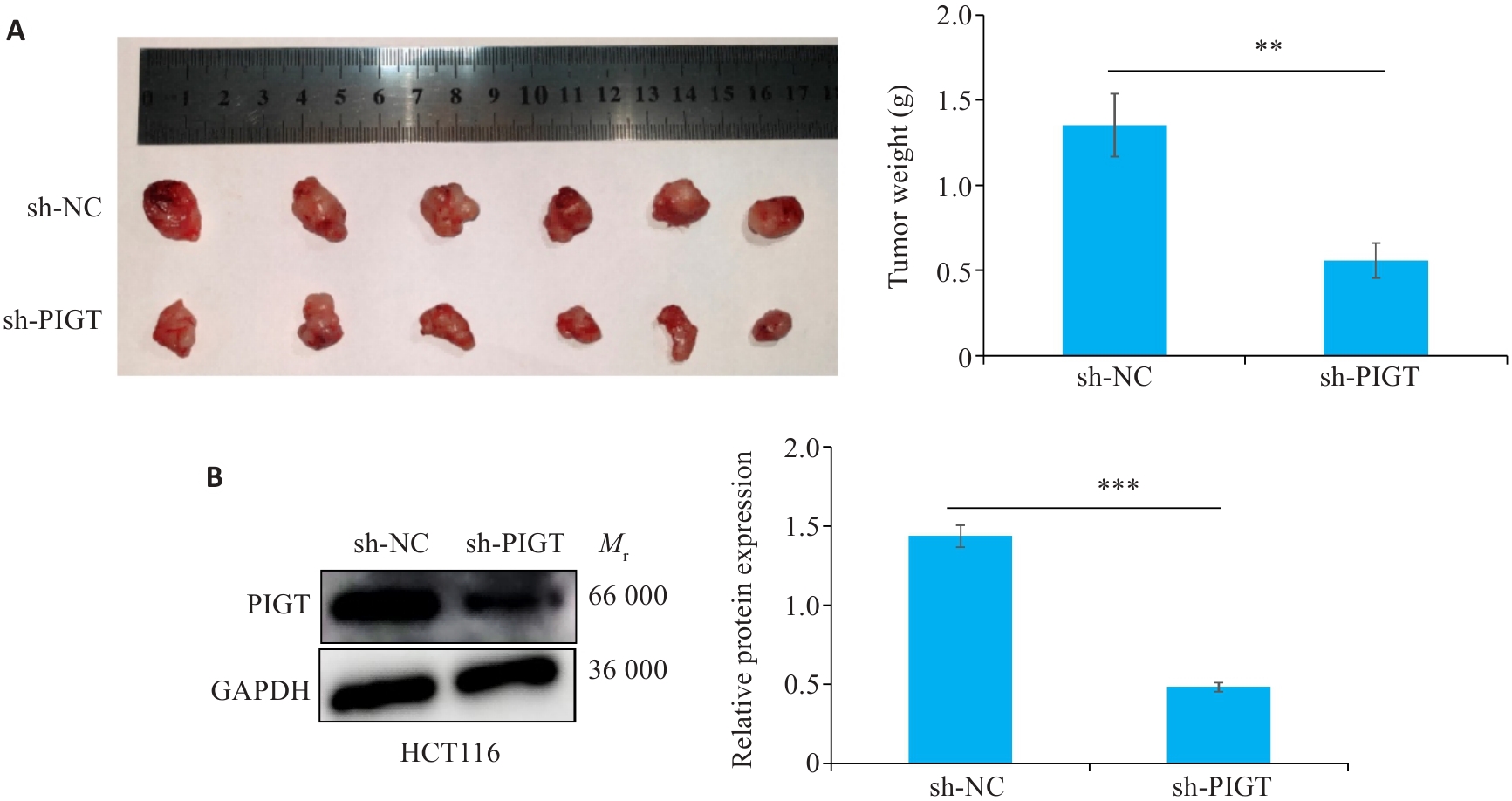
Fig.12 Knockdown of PIGT inhibits growth of colorectal cancer xenografts in nude mice. A: Representative images of xenograft tumors derived from HCT116 cells transfected with sh NC or sh PIGT. B: Western blotting of PIGT protein expression in tumor tissues, confirming efficient PIGT knockdown in vivo. **P<0.01, ***P<0.001.
| [1] | Bray F, Laversanne M, Sung H, et al. Global cancer statistics 2022: GLOBOCAN estimates of incidence and mortality worldwide for 36 cancers in 185 countries[J]. CA Cancer J Clin, 2024, 74(3): 229-63. doi:10.3322/caac.21834 |
| [2] | Zhou YY, Song K, Chen YQ, et al. Burden of six major types of digestive system cancers globally and in China[J]. Chin Med J, 2024, 137(16): 1957-64. doi:10.1097/cm9.0000000000003225 |
| [3] | Weng WH, Feng JL, Qin HL, et al. Molecular therapy of colorectal cancer: Progress and future directions[J]. Int J Cancer, 2015, 136(3): 493-502. doi:10.1002/ijc.28722 |
| [4] | Shin AE, Giancotti FG, Rustgi AK. Metastatic colorectal cancer: mechanisms and emerging therapeutics[J]. Trends Pharmacol Sci, 2023, 44(4): 222-36. doi:10.1016/j.tips.2023.01.003 |
| [5] | Li WH, Zhou SZ. Identification of a novel splicing variant in the phosphatidylinositol glycan class S (PIGS) gene that is associated with early onset epilepsy, severe developmental delay, and ventricular septal defect: a case report[J]. Transl Pediatr, 2023, 12(3): 514-20. doi:10.21037/tp-22-317 |
| [6] | Wu TH, Yin F, Guang SQ, et al. The Glycosylphosphatidylinositol biosynthesis pathway in human diseases[J]. Orphanet J Rare Dis, 2020, 15(1): 129. doi:10.1186/s13023-020-01401-z |
| [7] | Wu GJ, Guo ZM, Chatterjee A, et al. Overexpression of glycosylphosphatidylinositol (GPI) transamidase subunits phosphatidylinositol glycan class T and/or GPI anchor attachment 1 induces tumorigenesis and contributes to invasion in human breast cancer[J]. Cancer Res, 2006, 66(20): 9829-36. doi:10.1158/0008-5472.can-06-0506 |
| [8] | Zhao P, Nairn AV, Hester S, et al. Proteomic identification of glycosylphosphatidylinositol anchor-dependent membrane proteins elevated in breast carcinoma[J]. J Biol Chem, 2012, 287(30): 25230-40. doi:10.1074/jbc.m112.339465 |
| [9] | Tan MY, Pan Q, Yu C, et al. PIGT promotes cell growth, glycolysis, and metastasis in bladder cancer by modulating GLUT1 glycosylation and membrane trafficking[J]. J Transl Med, 2024, 22: 5. doi:10.1186/s12967-023-04805-0 |
| [10] | Amit M, Nara S, Francis D, et al. Post-translational regulation of radioactive iodine therapy response in papillary thyroid carcinoma [J]. J Natl Cancer Inst, 2017, 109(12): 1-10. doi:10.1093/jnci/djx092 |
| [11] | Cao JZ, Wang PH, Chen JM, et al. PIGU overexpression adds value to TNM staging in the prognostic stratification of patients with hepatocellular carcinoma[J]. Hum Pathol, 2019, 83: 90-9. doi:10.1016/j.humpath.2018.08.013 |
| [12] | Wei X, Yang WJ, Zhang F, et al. PIGU promotes hepatocellular carcinoma progression through activating NF‑κB pathway and increasing immune escape[J]. Life Sci, 2020, 260: 118476. doi:10.1016/j.lfs.2020.118476 |
| [13] | Soleimani A, Rahmani F, Ferns GA, et al. Role of the NF‑κB signaling pathway in the pathogenesis of colorectal cancer[J]. Gene, 2020, 726: 144132. doi:10.1016/j.gene.2019.144132 |
| [14] | Wang YZ. Comment on "Regulation of nuclear Factor-KappaB (NF-κB) signaling pathway by non-coding RNAs in cancer: Inhibiting or promoting carcinogenesis?" [Cancer Lett. 509 (2021 May 2) 63-80[J]. Cancer Lett, 2021, 516: 99-100. doi:10.1016/j.canlet.2021.05.028 |
| [15] | Jodo A, Shibazaki A, Onuma A, et al. Pdlim7 synergizes with pdlim2 and p62/Sqstm1 to inhibit inflammatory signaling by promoting degradation of the p65 subunit of NF-κB[J]. Front Immunol, 2020, 11: 1559. doi:10.3389/fimmu.2020.01559 |
| [16] | Tang Q, Chen JH, Di ZY, et al. TM4SF1 promotes EMT and cancer stemness via the Wnt/β-catenin/SOX2 pathway in colorectal cancer[J]. J Exp Clin Cancer Res, 2020, 39(1): 232. doi:10.1186/s13046-020-01690-z |
| [17] | Xu D, Li MR, Ran LY, et al. C5aR1 promotes the progression of colorectal cancer by EMT and activating Wnt/β-catenin pathway[J]. Clin Transl Oncol, 2023, 25(2): 440-6. doi:10.1007/s12094-022-02956-y |
| [18] | Long XL, Hu YK, Duan SY, et al. MRGBP promotes colorectal cancer metastasis via DKK1/Wnt/β‑catenin and NF-kB/p65 pathways mediated EMT[J]. Exp Cell Res, 2022, 421(1): 113375. doi:10.1016/j.yexcr.2022.113375 |
| [19] | Wang Y, Liu F, Chen L, et al. Neutrophil extracellular traps (NETs) promote non-small cell lung cancer metastasis by suppressing lncRNA MIR503HG to activate the NF‑κB/NLRP3 inflammasome pathway[J]. Front Immunol, 2022, 13: 867516. doi:10.3389/fimmu.2022.867516 |
| [20] | Mirzaei S, Saghari S, Bassiri F, et al. NF-κB as a regulator of cancer metastasis and therapy response: a focus on epithelial-mesenchymal transition[J]. J Cell Physiol, 2022, 237(7): 2770-95. doi:10.1002/jcp.30759 |
| [21] | Bakir B, Chiarella AM, Pitarresi JR, et al. EMT, MET, plasticity, and tumor metastasis[J]. Trends Cell Biol, 2020, 30(10): 764-76. doi:10.1016/j.tcb.2020.07.003 |
| [22] | Manfioletti G, Fedele M. Epithelial-mesenchymal transition (EMT) 2021[J]. Int J Mol Sci, 2022, 23(10): 5848. doi:10.3390/ijms23105848 |
| [23] | Debnath P, Huirem RS, Dutta P, et al. Epithelial-mesenchymal transition and its transcription factors[J]. Biosci Rep, 2022, 42: BSR20211754. doi:10.1042/bsr20211754 |
| [24] | Perkins ND. The diverse and complex roles of NF‑κB subunits in cancer [J]. Nat Rev Cancer, 2012, 12(2): 121-32. doi:10.1038/nrc3204 |
| [25] | Yang SC, Liu Y, Li MY, et al. FOXP3 promotes tumor growth and metastasis by activating Wnt/β-catenin signaling pathway and EMT in non-small cell lung cancer[J]. Mol Cancer, 2017, 16(1): 124. doi:10.1186/s12943-017-0700-1 |
| [26] | Karin M, Cao Y, Greten FR, et al. NF‑κB in cancer: from innocent bystander to major culprit [J]. Nat Rev Cancer, 2002, 2(4): 301-10. doi:10.1038/nrc780 |
| [27] | Fang LL, Che Y, Zhang CQ, et al. PLAU directs conversion of fibroblasts to inflammatory cancer-associated fibroblasts, promoting esophageal squamous cell carcinoma progression via uPAR/Akt/NF-κB/IL8 pathway[J]. Cell Death Discov, 2021, 7: 32. doi:10.1038/s41420-021-00410-6 |
| [28] | Fu YJ, Xu B, Huang SW, et al. Baicalin prevents LPS-induced activation of TLR4/NF‑κB p65 pathway and inflammation in mice via inhibiting the expression of CD14 [J]. Acta Pharmacol Sin, 2021, 42(1): 88-96. doi:10.1038/s41401-020-0411-9 |
| [29] | Li QY, Lai QH, He CC, et al. RUNX1 promotes tumour metastasis by activating the Wnt/β‑catenin signalling pathway and EMT in colorectal cancer[J]. J Exp Clin Cancer Res, 2019, 38(1): 334. doi:10.1186/s13046-019-1330-9 |
| [1] | Zhanfa XU, Zhenyue CHEN, Liping XIE, Xinyi LI, Genggeng QIN, Jie GAO. Jianwei Shoutai Pill reduces spontaneous abortion in mice by inhibiting Exo-miR-410-3p uptake and promoting trophoblast epithelial-mesenchymal transition, migration, and invasion [J]. Journal of Southern Medical University, 2026, 46(9): 2006-2022. |
| [2] | Liping HUANG, Yu SHAO, Wanbing ZHOU, Jingping HE. Hepatocellular carcinoma-derived lactate-mediated histone H3K18 lactylation modifies S100A2 transcription to promote proliferation, migration, invasion and epithelial-mesenchymal transition of hepatocellular carcinoma cells [J]. Journal of Southern Medical University, 2026, 46(9): 2056-2068. |
| [3] | Baofeng ZHAO, Xueying TAN, Xuewen LIANG, Yuyao PAN, Jiangshui YUAN, Weiqing SONG. MIS18BP1 regulates epithelial-mesenchymal transition, proliferation, and migration of renal cancer cells via the PI3K/AKT pathway [J]. Journal of Southern Medical University, 2026, 46(9): 2159-2172. |
| [4] | Mengjie YU, Anbo ZHAO, Yixuan HAO, Yiren WANG, Yuexian LIU, Hongwei YE, Qin GAO. LCN2 knockout protects endothelial barrier function in mice with sepsis-induced acute lung injury by regulating the NF-κB signaling pathway [J]. Journal of Southern Medical University, 2026, 46(8): 1779-1789. |
| [5] | Yuhang SUN, Xingzhen LU, Xinyue ZHANG, Jianpeng GUO, Xin JIN. Natural bear bile powder attenuates lipopolysaccharide-induced acute lung injury in mice by regulating the NF-κB and Nrf-2/HO-1 signaling pathways [J]. Journal of Southern Medical University, 2026, 46(7): 1622-1633. |
| [6] | Shufen ZHANG, Tianrong HUANG, Canhong YANG, Jiayi CHEN, Tianming LÜ, Jiafa ZHANG. Sulforaphane reduces reactive astrocyte-mediated neuron apoptosis in vitro by inhibiting the MAPK/NF-κB signaling pathway in Aβ42 oligomer-activated astrocytes [J]. Journal of Southern Medical University, 2026, 46(1): 191-199. |
| [7] | Siyuan MA, Bochao ZHANG, Chun PU. Circ_0000437 promotes proliferation, invasion, migration and epithelial-mesenchymal transition of breast cancer cells by targeting the let-7b-5p/CTPS1 axis [J]. Journal of Southern Medical University, 2025, 45(8): 1682-1696. |
| [8] | Ziliang WANG, Xiaohua CHEN, Jingjing YANG, Chen YAN, Zhizhi ZHANG, Bingyi HUANG, Meng ZHAO, Song LIU, Sitang GE, Lugen ZUO, Deli CHEN. High expression of SURF4 promotes migration, invasion and proliferation of gastric cancer cells by inhibiting tight junction proteins [J]. Journal of Southern Medical University, 2025, 45(8): 1732-1742. |
| [9] | Bing XIA, Jin PENG, Jiuyang DING, Jie WANG, Guowei TANG, Guojie LIU, Yun WANG, Changwu WAN, Cuiyun LE. ATF3 regulates inflammatory response in atherosclerotic plaques in mice through the NF-κB signaling pathway [J]. Journal of Southern Medical University, 2025, 45(6): 1131-1142. |
| [10] | Zhennan MA, Fuquan LIU, Xuefeng ZHAO, Xiaowei ZHANG. High expression of DTX2 promotes proliferation, invasion and epithelial-mesenchymal transition of oxaliplatin-resistant colorectal cancer cells [J]. Journal of Southern Medical University, 2025, 45(4): 829-836. |
| [11] | Lu TAO, Zhuoli WEI, Yueyue WANG, Ping XIANG. CEACAM6 inhibits proliferation and migration of nasopharyngeal carcinoma cells by suppressing epithelial-mesenchymal transition [J]. Journal of Southern Medical University, 2025, 45(3): 566-576. |
| [12] | Jinzhi XIA, Yue CHEN, Lü REN, Jing LI, Xue SONG, Lu TAO, Jianguo HU. Kahweol improves motor function of mice with spinal cord injury by inhibiting microglial activation via regulating the IκBα/NF-κB pathway [J]. Journal of Southern Medical University, 2025, 45(12): 2561-2572. |
| [13] | Renjie ZHOU, Jingjing YANG, Bowen SONG, Xiaohua CHEN, Lian WANG, Yueyue WANG, Lugen ZUO, Bing ZHU. PSMD11 overexpression promotes epithelial-mesenchymal transition in gastric cancer and affects patient prognosis [J]. Journal of Southern Medical University, 2025, 45(12): 2747-2755. |
| [14] | Xuening JIANG, Qingqing HUANG, Ying XU, Shunyin² WANG, Xiaofeng² ZHANG, Lian¹ WANG, Yueyue² WANG, Lugen ZUO. High YEATS2 expression promotes epithelial-mesenchymal transition in gastric cancer cells by activating the Wnt/β-catenin signaling pathway [J]. Journal of Southern Medical University, 2025, 45(11): 2416-2426. |
| [15] | Yongxin MAI, Shuting ZHOU, Ruijia WEN, Jinfang ZHANG, Dongxiang ZHAN. Aucubin alleviates knee osteoarthritis in mice by suppressing the NF‑κB signaling pathway [J]. Journal of Southern Medical University, 2025, 45(10): 2104-2110. |
| Viewed | ||||||
|
Full text |
|
|||||
|
Abstract |
|
|||||
