
Journal of Southern Medical University ›› 2025, Vol. 45 ›› Issue (12): 2708-2717.doi: 10.12122/j.issn.1673-4254.2025.12.18
Meng QU( ), Rong FU()
Received:2025-05-22
Online:2025-12-20
Published:2025-12-22
Contact:
Rong FU
E-mail:1228772136@qq.com;834460113@qq.com
Meng QU, Rong FU. ResLSTM-TemporalSE: an automated classification model for multi-lead ECG signals[J]. Journal of Southern Medical University, 2025, 45(12): 2708-2717.
Add to citation manager EndNote|Ris|BibTeX
URL: https://www.j-smu.com/EN/10.12122/j.issn.1673-4254.2025.12.18
| Class | SR | SA | SB | ST | AF | PVC | LVLL | IRBBB | LVH |
|---|---|---|---|---|---|---|---|---|---|
| Number | 3023 | 2080 | 1799 | 1619 | 1130 | 1157 | 1289 | 410 | 1145 |
Tab.1 Category distribution in private dataset
| Class | SR | SA | SB | ST | AF | PVC | LVLL | IRBBB | LVH |
|---|---|---|---|---|---|---|---|---|---|
| Number | 3023 | 2080 | 1799 | 1619 | 1130 | 1157 | 1289 | 410 | 1145 |
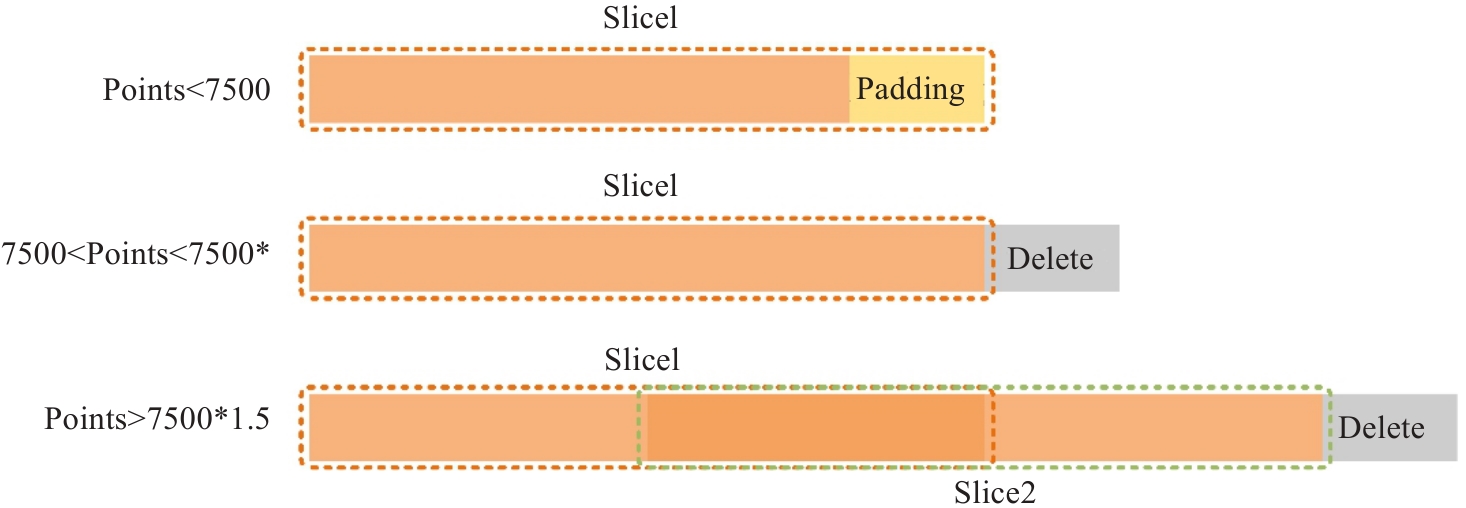
Fig.1 ECG Signal Segmentation.
| Class | Raw data | Data filtering |
|---|---|---|
| Normal | 918 | 1128 |
| AF | 1098 | 1540 |
| I-AVB | 704 | 869 |
| LBBB | 207 | 248 |
| RBBB | 1695 | 2099 |
| PAC | 556 | 902 |
| PVC | 672 | 1149 |
| STD | 825 | 949 |
| STE | 202 | 271 |
| Total | 6877 | 9155 |
Tab.2 Distribution of sample categories in cpsc2018 dataset after truncation processing
| Class | Raw data | Data filtering |
|---|---|---|
| Normal | 918 | 1128 |
| AF | 1098 | 1540 |
| I-AVB | 704 | 869 |
| LBBB | 207 | 248 |
| RBBB | 1695 | 2099 |
| PAC | 556 | 902 |
| PVC | 672 | 1149 |
| STD | 825 | 949 |
| STE | 202 | 271 |
| Total | 6877 | 9155 |
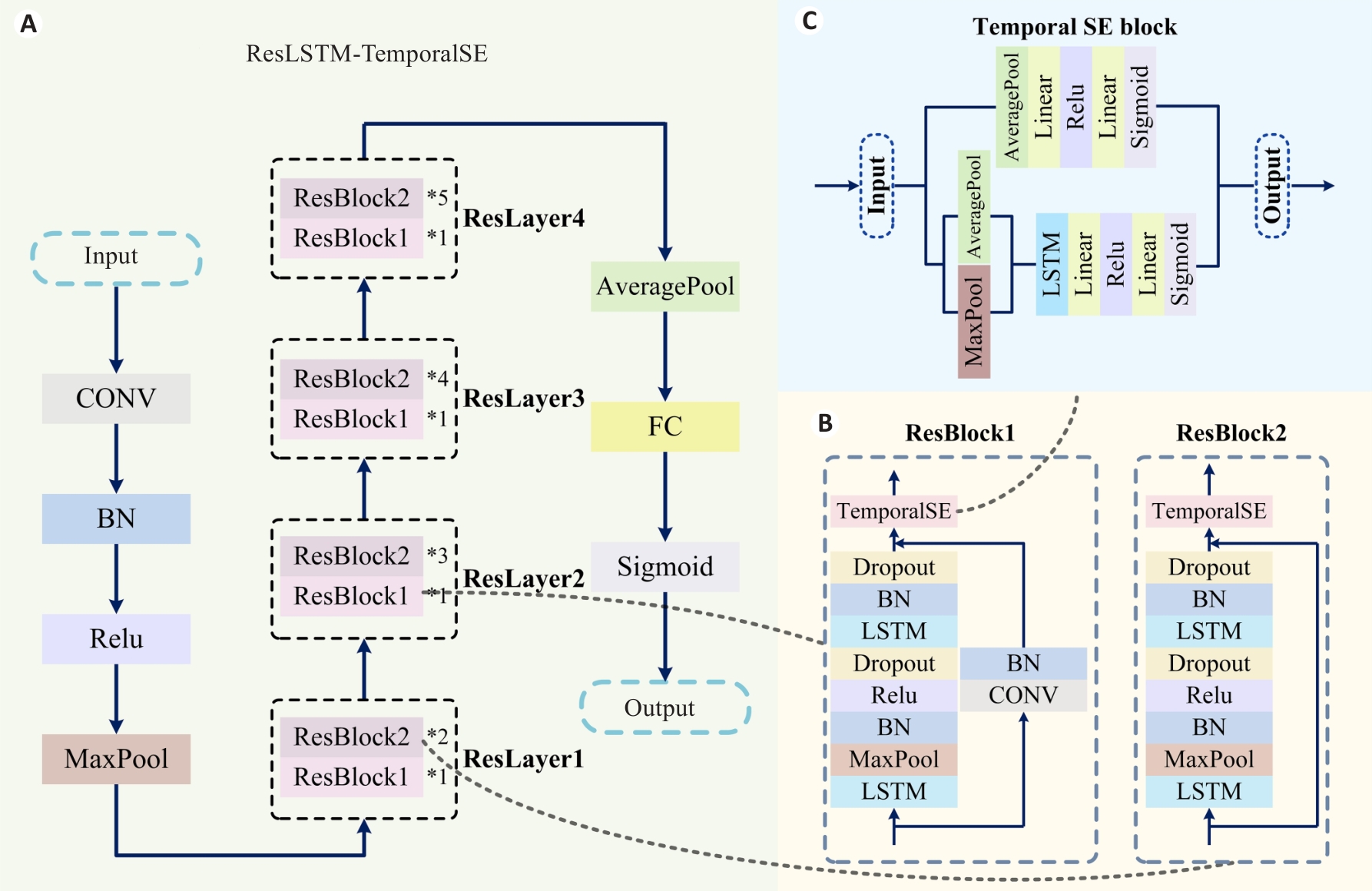
Fig.2 Architecture of the ResLSTM-TemporalSE model. A: ResLSTM-TemporalSE model architecture. B: ResBlock structures. C: Temporal SE block.
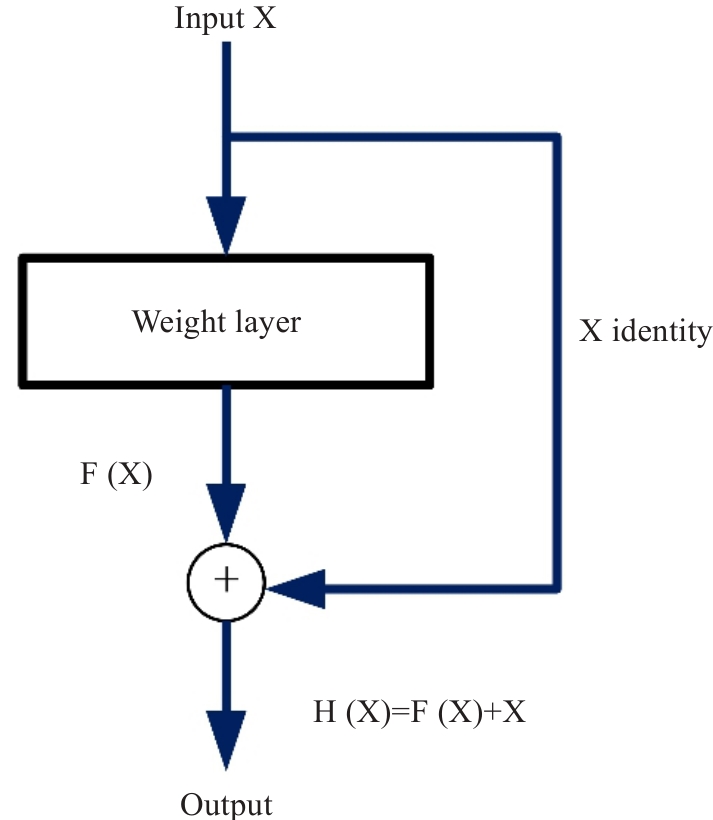
Fig.3 Schematic diagram of the residual structure.
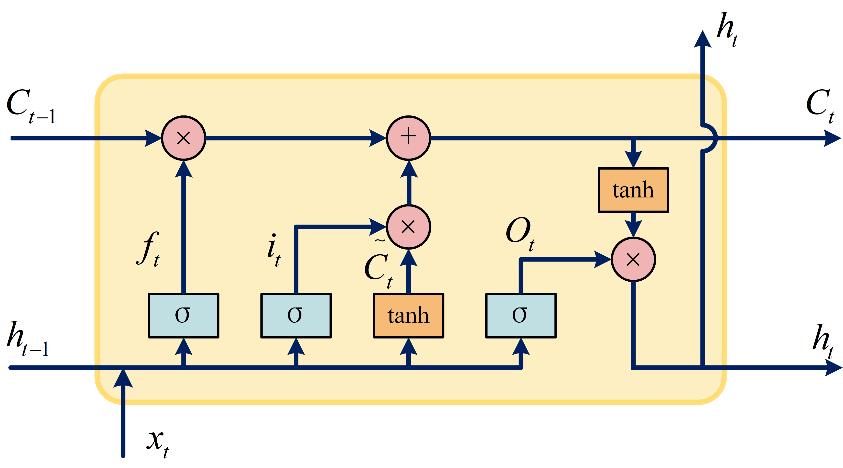
Fig.4 Schematic diagram of the Long Short-Term Memory (LSTM) network.
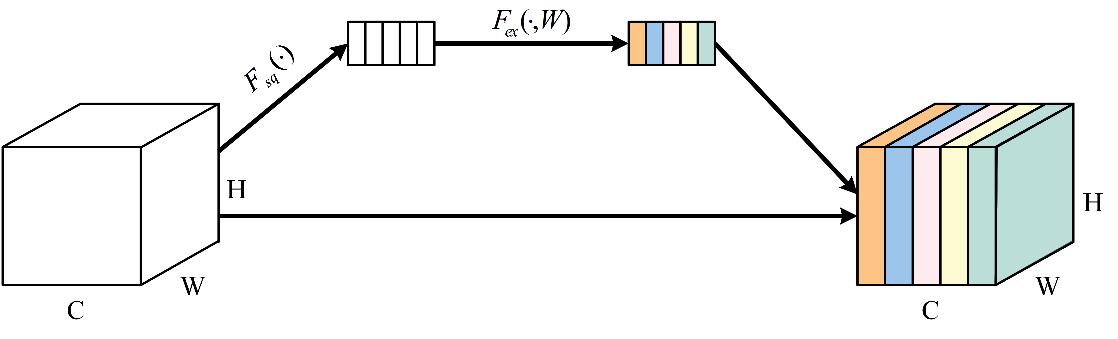
Fig.5 Schematic diagram of the SE network. C: Channels; W: Width; H: Height.
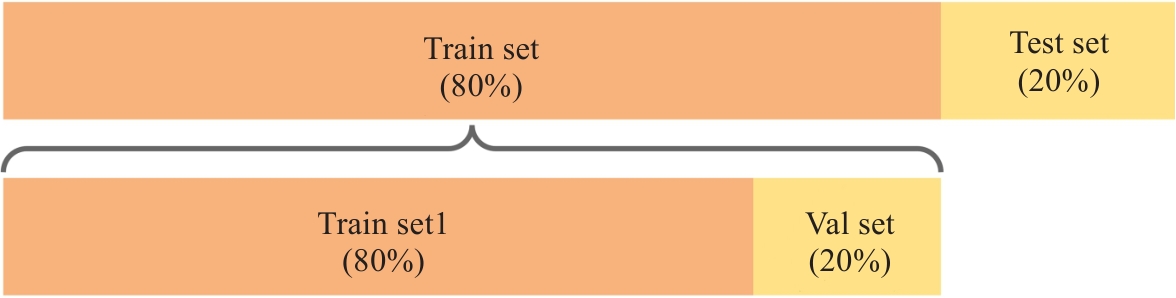
Fig. 6 Schematic diagram of dataset splitting.
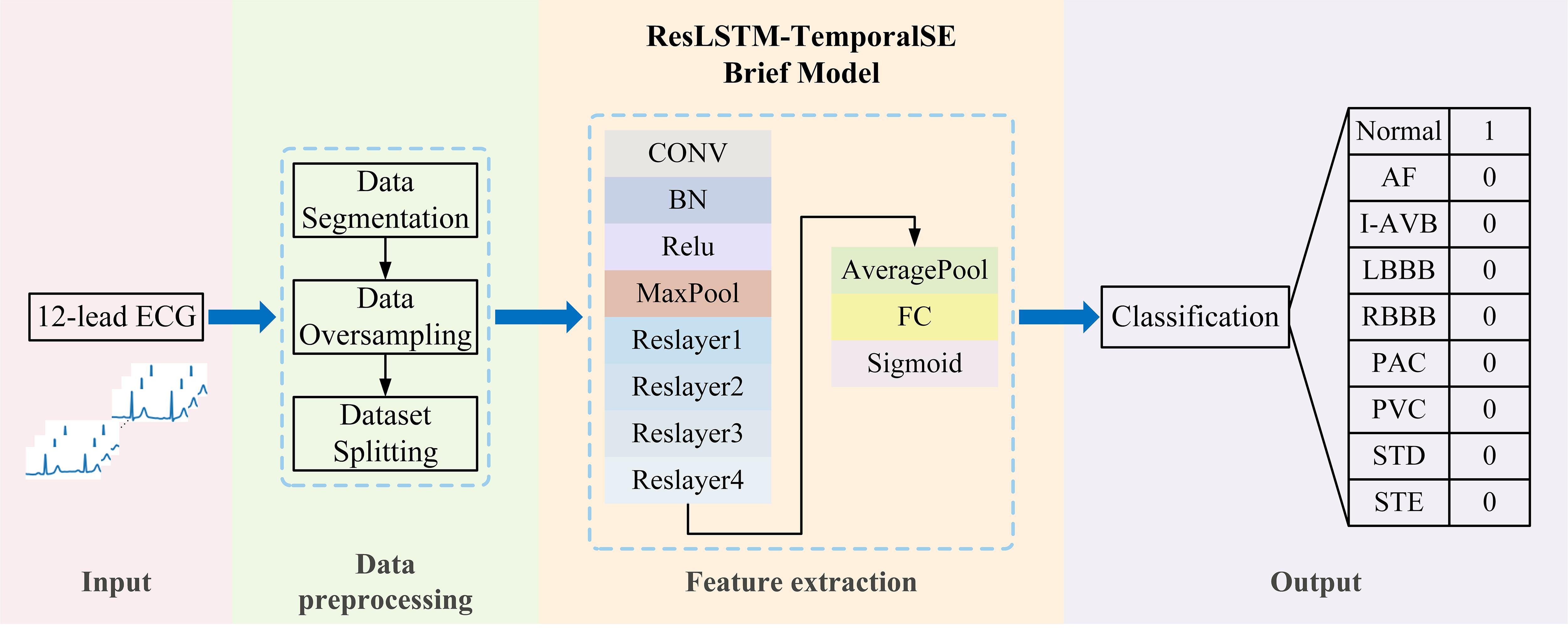
Fig.7 Experimental workflow.
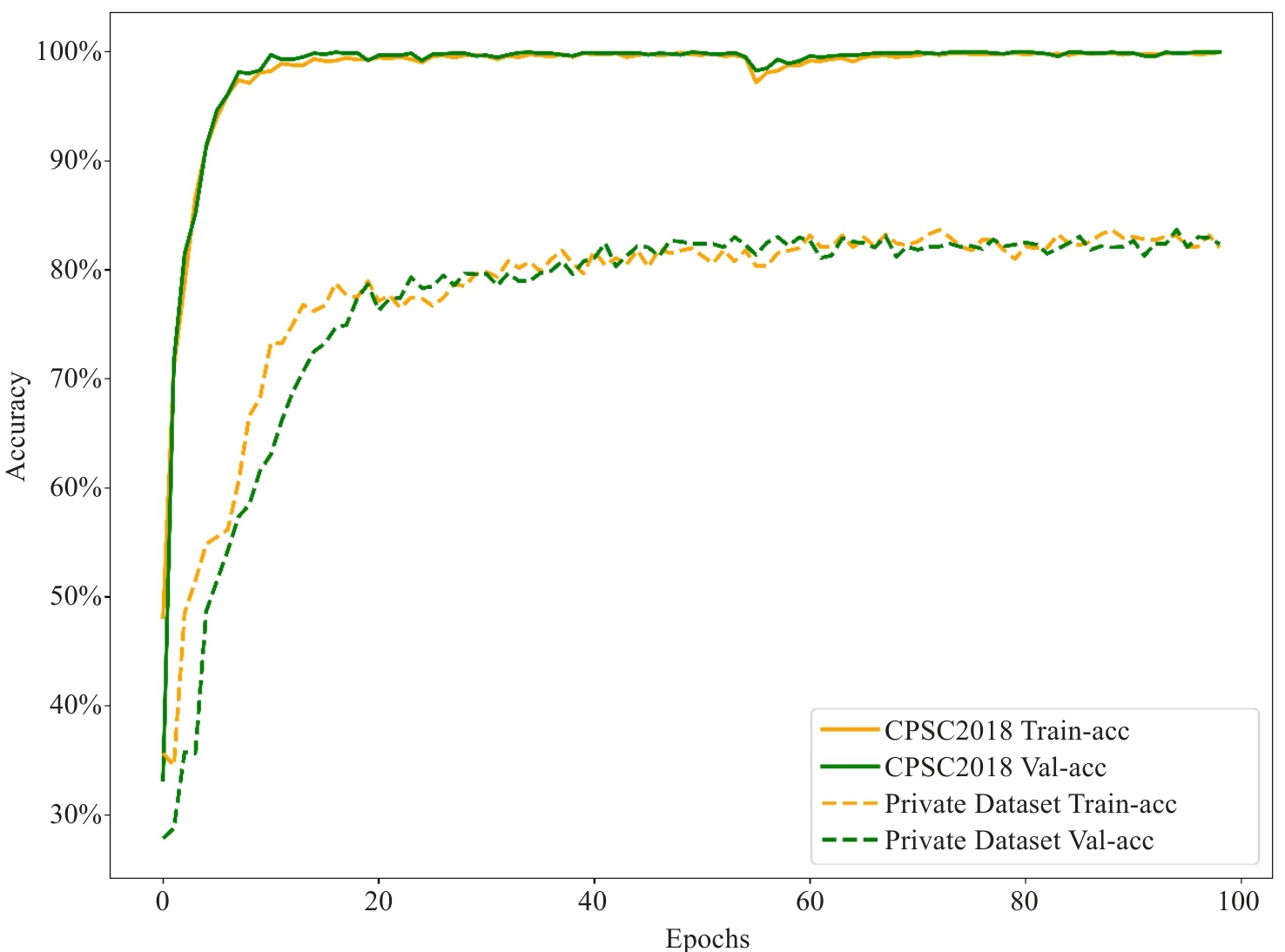
Fig.8 Training1 and validation accuracy curves of ResLSTM-TemporalSE with lr=0.001.
| Dataset | Model | Accuracy | Precision | Recall | F1 Score | Loss |
|---|---|---|---|---|---|---|
| CPSC2018 | ResLSTM-perTemporalSE | 73.46% | 0.7515 | 0.6676 | 0.6797 | 0.049033 |
| ResLSTM-LastTemporalSE | 89.41% | 0.9083 | 0.8424 | 0.8653 | 0.044679 | |
| Ours | 99.70% | 0.9966 | 0.9370 | 0.9653 | 0.024851 | |
| Private dataset | ResLSTM-perTemporalSE | 43.97% | 0.3145 | 0.6109 | 0.4123 | 0.222588 |
| ResLSTM-LastTemporalSE | 73.78% | 0.7442 | 0.7049 | 0.7171 | 0.024013 | |
| Ours | 82.77% | 0.6811 | 0.8961 | 0.7723 | 0.023127 |
Tab.3 Performance comparison of the variant models in ECG signal classification tasks
| Dataset | Model | Accuracy | Precision | Recall | F1 Score | Loss |
|---|---|---|---|---|---|---|
| CPSC2018 | ResLSTM-perTemporalSE | 73.46% | 0.7515 | 0.6676 | 0.6797 | 0.049033 |
| ResLSTM-LastTemporalSE | 89.41% | 0.9083 | 0.8424 | 0.8653 | 0.044679 | |
| Ours | 99.70% | 0.9966 | 0.9370 | 0.9653 | 0.024851 | |
| Private dataset | ResLSTM-perTemporalSE | 43.97% | 0.3145 | 0.6109 | 0.4123 | 0.222588 |
| ResLSTM-LastTemporalSE | 73.78% | 0.7442 | 0.7049 | 0.7171 | 0.024013 | |
| Ours | 82.77% | 0.6811 | 0.8961 | 0.7723 | 0.023127 |
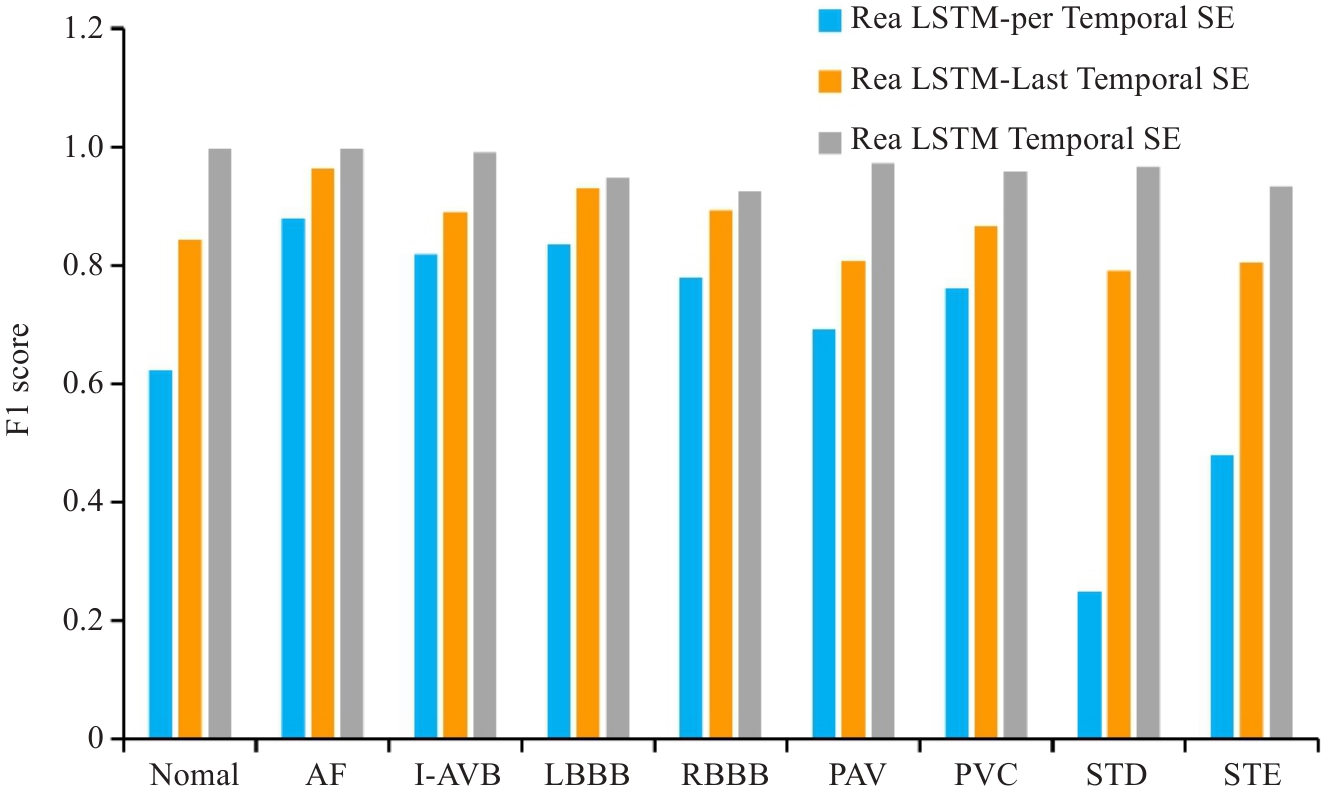
Fig.9 F1-Score by rhythm class on CPSC2018 dataset across model variants.
| Dataset | Model | Accuracy | Precision | Recall | F1 Score | loss |
|---|---|---|---|---|---|---|
| CPSC2018 | Ribeiro et al. [ | 96.62% | 0.9309 | 0.9041 | 0.9151 | 0.048194 |
| Zhang et al.[ | 97.91% | 0.9791 | 0.9314 | 0.9547 | 0.036724 | |
| Hwang et al. [ | 99.51% | 0.9961 | 0.9357 | 0.9644 | 0.024788 | |
| Ours | 99.70% | 0.9966 | 0.9370 | 0.9653 | 0.024851 | |
| Private dataset | Ribeiro et al. [ | 61.36% | 0.3841 | 0.3435 | 0.3301 | 0.049832 |
| Zhang et al.[ | 80.36% | 0.7174 | 0.8396 | 0.7674 | 0.040777 | |
| Hwang et al. [ | 67.78% | 0.7126 | 0.5028 | 0.5801 | 0.095033 | |
| Ours | 82.77% | 0.6811 | 0.8961 | 0.7723 | 0.023127 |
Tab.4 Classification performance metrics of different models on the dataset
| Dataset | Model | Accuracy | Precision | Recall | F1 Score | loss |
|---|---|---|---|---|---|---|
| CPSC2018 | Ribeiro et al. [ | 96.62% | 0.9309 | 0.9041 | 0.9151 | 0.048194 |
| Zhang et al.[ | 97.91% | 0.9791 | 0.9314 | 0.9547 | 0.036724 | |
| Hwang et al. [ | 99.51% | 0.9961 | 0.9357 | 0.9644 | 0.024788 | |
| Ours | 99.70% | 0.9966 | 0.9370 | 0.9653 | 0.024851 | |
| Private dataset | Ribeiro et al. [ | 61.36% | 0.3841 | 0.3435 | 0.3301 | 0.049832 |
| Zhang et al.[ | 80.36% | 0.7174 | 0.8396 | 0.7674 | 0.040777 | |
| Hwang et al. [ | 67.78% | 0.7126 | 0.5028 | 0.5801 | 0.095033 | |
| Ours | 82.77% | 0.6811 | 0.8961 | 0.7723 | 0.023127 |
| Dataset | Model | Accuracy | Precision | Recall | F1 Score | Loss |
|---|---|---|---|---|---|---|
| CPSC2018 | ResNet | 96.65% | 0.9665 | 0.9194 | 0.9424 | 0.029559 |
| ResLSTM | 98.31% | 0.9869 | 0.9237 | 0.9535 | 0.022480 | |
| ResNet-SE | 99.58% | 0.9956 | 0.9331 | 0.9624 | 0.021720 | |
| ResLSTM-SE | 99.62% | 0.9910 | 0.9367 | 0.9624 | 0.022866 | |
| Ours | 99.70% | 0.9966 | 0.9370 | 0.9653 | 0.024851 | |
| Private dataset | ResNet | 69.71% | 0.6028 | 0.7415 | 0.6614 | 0.067322 |
| ResLSTM | 81.41% | 0.8084 | 0.7906 | 0.7981 | 0.028402 | |
| ResNet-SE | 79.37% | 0.7795 | 0.7357 | 0.7507 | 0.030583 | |
| ResLSTM-SE | 81.98% | 0.6887 | 0.8757 | 0.7704 | 0.019994 | |
| Ours | 82.77% | 0.6811 | 0.8961 | 0.7723 | 0.023127 |
Tab.5 Ablation study model performance comparison
| Dataset | Model | Accuracy | Precision | Recall | F1 Score | Loss |
|---|---|---|---|---|---|---|
| CPSC2018 | ResNet | 96.65% | 0.9665 | 0.9194 | 0.9424 | 0.029559 |
| ResLSTM | 98.31% | 0.9869 | 0.9237 | 0.9535 | 0.022480 | |
| ResNet-SE | 99.58% | 0.9956 | 0.9331 | 0.9624 | 0.021720 | |
| ResLSTM-SE | 99.62% | 0.9910 | 0.9367 | 0.9624 | 0.022866 | |
| Ours | 99.70% | 0.9966 | 0.9370 | 0.9653 | 0.024851 | |
| Private dataset | ResNet | 69.71% | 0.6028 | 0.7415 | 0.6614 | 0.067322 |
| ResLSTM | 81.41% | 0.8084 | 0.7906 | 0.7981 | 0.028402 | |
| ResNet-SE | 79.37% | 0.7795 | 0.7357 | 0.7507 | 0.030583 | |
| ResLSTM-SE | 81.98% | 0.6887 | 0.8757 | 0.7704 | 0.019994 | |
| Ours | 82.77% | 0.6811 | 0.8961 | 0.7723 | 0.023127 |
| [1] | Gaziano TA, Bitton A, Anand S, et al. Growing epidemic of coronary heart disease in low- and middle-income countries[J]. Curr Probl Cardiol, 2010, 35(2): 72-115. doi:10.1016/j.cpcardiol.2009.10.002 |
| [2] | Roth GA, Johnson C, Abajobir A, et al. Global, regional, and national burden of cardiovascular diseases for 10 causes, 1990 to 2015[J]. J Am Coll Cardiol, 2017, 70(1): 1-25. |
| [3] | 刘明波, 何新叶, 杨晓红, 等. 《中国心血管健康与疾病报告2023》要点解读[J]. 中国全科医学, 2025, 28(1): 20-38. |
| [4] | Benjamin EJ, Muntner P, Alonso A, et al. Heart disease and stroke statistics-2019 update: a report from the American heart association[J]. Circulation, 2019, 139(10): e56-e528. |
| [5] | Zhai XL, Tin C. Automated ECG classification using dual heartbeat coupling based on convolutional neural network[J]. IEEE Access, 2018, 6: 27465-72. doi:10.1109/access.2018.2833841 |
| [6] | Yan ZL, Zhou J, Wong WF. Energy efficient ECG classification with spiking neural network[J]. Biomed Signal Process Control, 2021, 63: 102170. doi:10.1016/j.bspc.2020.102170 |
| [7] | Jyotishi D, Dandapat S. An ECG biometric system using hierarchical LSTM with attention mechanism[J]. IEEE Sens J, 2022, 22(6): 6052-61. doi:10.1109/jsen.2021.3139135 |
| [8] | Allam JP, Samantray S, Ari S. SpEC: a system for patient specific ECG beat classification using deep residual network[J]. Biocybern Biomed Eng, 2020, 40(4): 1446-57. doi:10.1016/j.bbe.2020.08.001 |
| [9] | Hoekema R, Uijen GJH, van Oosterom A. Geometrical aspects of the interindividual variability of multilead ECG recordings[J]. IEEE Trans Biomed Eng, 2001, 48(5): 551-9. doi:10.1109/10.918594 |
| [10] | Akan T, Alp S, Nobel Bhuiyan MA. ECGformer: leveraging transformer for ECG heartbeat arrhythmia classification[C]//2023 International Conference on Computational Science and Com-putational Intelligence (CSCI). December 13-15, 2023, Las Vegas, NV, USA. IEEE, 2023: 1412-7. doi:10.1109/csci62032.2023.00231 |
| [11] | Malik J, Devecioglu OC, Kiranyaz S, et al. Real-time patient-specific ECG classification by 1D self-operational neural networks[J]. IEEE Trans Biomed Eng, 2022, 69(5): 1788-801. doi:10.1109/tbme.2021.3135622 |
| [12] | Wang JK, Qiao X, Liu CC, et al. Automated ECG classification using a non-local convolutional block attention module[J]. Comput Meth Programs Biomed, 2021, 203: 106006. doi:10.1016/j.cmpb.2021.106006 |
| [13] | He RN, Liu Y, Wang KQ, et al. Automatic cardiac arrhythmia classification using combination of deep residual network and bidirectional LSTM[J]. IEEE Access, 2019, 7: 102119-35. doi:10.1109/access.2019.2931500 |
| [14] | Yıldırım Ö, Pławiak P, Tan RS, et al. Arrhythmia detection using deep convolutional neural network with long duration ECG signals[J]. Comput Biol Med, 2018, 102: 411-20. doi:10.1016/j.compbiomed.2018.09.009 |
| [15] | 邓 力, 傅 蓉. 基于心拍的端到端心律失常分类[J]. 南方医科大学学报, 2019, 39(9): 1071-7. |
| [16] | Brito C, Machado A, Sousa A. Electrocardiogram beat-classification based on a ResNet network[J]. Stud Health Technol Inform, 2019, 264: 55-9. doi:10.3233/shti190182 |
| [17] | Luo CS, Jiang HX, Li QC, et al. Multi-label classification of abnormalities in 12-lead ECG using 1D CNN and LSTM[M]//Machine Learning and Medical Engineering for Cardiovascular Health and Intravascular Imaging and Computer Assisted Stenting. Cham: Springer International Publishing, 2019: 55-63. doi:10.1007/978-3-030-33327-0_7 |
| [18] | Zhang HP, Gu HZ, Gao JL, et al. An effective atrial fibrillation detection from short single-lead electrocardiogram recordings using MCNN-BLSTM network[J]. Algorithms, 2022, 15(12): 454. doi:10.3390/a15120454 |
| [19] | Li D, Sun TT, Nan JF, et al. A novel R-peak detection model and SE-ResNet-based PVC recognition for 12-lead ECGs[J]. Circuits Syst Signal Process, 2024, 43(7): 4460-86. doi:10.1007/s00034-024-02662-w |
| [20] | Zhu ZW, Lan X, Zhao TT, et al. Identification of 27 abnormalities from multi-lead ECG signals: an ensembled SE_ResNet framework with Sign Loss function[J]. Physiol Meas, 2021, 42(6): 1088. doi:10.1088/1361-6579/ac08e6 |
| [21] | Le KH, Pham HH, Nguyen TB, et al. Enhancing deep learning-based 3-lead ECG classification with heartbeat counting and demographic data integration[C]//2022 IEEE-EMBS Conference on Biomedical Engineering and Sciences (IECBES). December 7-9, 2022, Kuala Lumpur, Malaysia. IEEE, 2022: 154-9. doi:10.1109/iecbes54088.2022.10079267 |
| [22] | Liu FF, Liu CY, Zhao LN, et al. An open access database for evaluating the algorithms of electrocardiogram rhythm and morphology abnormality detection[J]. J Med Imaging Hlth Inform, 2018, 8(7): 1368-73. doi:10.1166/jmihi.2018.2442 |
| [23] | Li JH, Pang SP, Xu FZ, et al. Two-dimensional ECG-based cardiac arrhythmia classification using DSE-ResNet[J]. Sci Rep, 2022, 12: 14485. doi:10.1038/s41598-022-18664-0 |
| [24] | Han H, Wang WY, Mao BH. Borderline-SMOTE: a new over-sampling method in imbalanced data sets learning[C]//Advances in Intelligent Computing. Berlin, Heidelberg: Springer, 2005: 878-87. doi:10.1007/11538059_91 |
| [25] | He KM, Zhang XY, Ren SQ, et al. Deep residual learning for image recognition[C]//2016 IEEE Conference on Computer Vision and Pattern Recognition (CVPR). June 27-30, 2016, Las Vegas, NV, USA. IEEE, 2016: 770-8. doi:10.1109/cvpr.2016.90 |
| [26] | Ji LP, Wei ZH, Hao J, et al. An intelligent diagnostic method of ECG signal based on Markov transition field and a ResNet[J]. Comput Methods Programs Biomed, 2023, 242: 107784. doi:10.1016/j.cmpb.2023.107784 |
| [27] | Luo XY, Yang LY, Cai HY, et al. Multi-classification of arrhythmias using a HCRNet on imbalanced ECG datasets[J]. Comput Methods Programs Biomed, 2021, 208: 106258. doi:10.1016/j.cmpb.2021.106258 |
| [28] | Saadatnejad S, Oveisi M, Hashemi M. LSTM-based ECG classification for continuous monitoring on personal wearable devices[J]. IEEE J Biomed Health Inform, 2020, 24(2): 515-23. doi:10.1109/jbhi.2019.2911367 |
| [29] | Hiriyannaiah S, G M S, M H M K, et al. A comparative study and analysis of LSTM deep neural networks for heartbeats classification[J]. Health Technol, 2021, 11(3): 663-71. doi:10.1007/s12553-021-00552-8 |
| [30] | Hua J, Zou JW, Rao J, et al. ECG signals deep compressive sensing framework based on multiscale feature fusion and SE block[J]. IEEE Access, 2023, 11: 104359-72. doi:10.1109/access.2023.3316487 |
| [31] | Houssein EH, Hassaballah M, Ibrahim IE, et al. An automatic arrhythmia classification model based on improved Marine Predators Algorithm and Convolutions Neural Networks[J]. Expert Syst Appl, 2022, 187: 115936. doi:10.1016/j.eswa.2021.115936 |
| [32] | Yao QH, Wang RX, Fan XM, et al. Multi-class Arrhythmia detection from 12-lead varied-length ECG using Attention-based Time-Incremental Convolutional Neural Network[J]. Inf Fusion, 2020, 53: 174-82. doi:10.1016/j.inffus.2019.06.024 |
| [33] | Ribeiro AH, Ribeiro MH, Paixão GMM, et al. Automatic diagnosis of the 12-lead ECG using a deep neural network[J]. Nat Commun, 2020, 11(1): 1760. doi:10.1038/s41467-020-15432-4 |
| [34] | Zhang DD, Yang S, Yuan XH, et al. Interpretable deep learning for automatic diagnosis of 12-lead electrocardiogram[J]. iScience, 2021, 24(4): 102373. doi:10.1016/j.isci.2021.102373 |
| [35] | Hwang S, Cha J, Heo J, et al. Multi-label abnormality classification from 12-lead ECG using a 2D residual U-net[C]//ICASSP 2024 - 2024 IEEE International Conference on Acoustics, Speech and Signal Processing (ICASSP). April 14-19, 2024, Seoul, Korea, Republic of. IEEE, 2024: 2265-9. doi:10.1109/icassp48485.2024.10448259 |
| [1] | Qiucen WU, Xueqi LU, Yaoqi WEN, Yong HONG, Yuliang WU, Chaomin CHEN. A myocardial infarction detection and localization model based on multi-scale field residual blocks fusion with modified channel attention [J]. Journal of Southern Medical University, 2025, 45(8): 1777-1790. |
| [2] | Ziyu ZHENG, Xiaying YANG, Shengjie WU, Shijie ZHANG, Guorong LYU, Peizhong LIU, Jun WANG, Shaozheng HE. A multi-feature fusion-based model for fetal orientation classification from intrapartum ultrasound videos [J]. Journal of Southern Medical University, 2025, 45(7): 1563-1570. |
| [3] | Huirong XIE, Chaobin HU, Guohua LIANG, Hongzhe HAN, Mu HUANG, Qianjin FENG. Design and validation of a multimodal model integrating text and imaging data for intelligent assessment of psychological stress in college students [J]. Journal of Southern Medical University, 2025, 45(11): 2504-2510. |
| [4] | Yadi HE, Xuanru ZHOU, Jinhui JIN, Ting SONG. PE-CycleGAN network based CBCT-sCT generation for nasopharyngeal carsinoma adaptive radiotherapy [J]. Journal of Southern Medical University, 2025, 45(1): 179-186. |
| [5] | Weiyang FANG, Hui XIAO, Shuang WANG, Xiaoming LIN, Chaomin CHEN. A deep learning model based on magnetic resonance imaging and clinical feature fusion for predicting preoperative cytokeratin 19 status in hepatocellular carcinoma [J]. Journal of Southern Medical University, 2024, 44(9): 1738-1751. |
| [6] | Jiazhi OU, Chang'an ZHAN, Feng YANG. An autoencoder model based on one-dimensional neural network for epileptic EEG anomaly detection [J]. Journal of Southern Medical University, 2024, 44(9): 1796-1804. |
| [7] | Chen WANG, Mingqiang MENG, Mingqiang LI, Yongbo WANG, Dong ZENG, Zhaoying BIAN, Jianhua MA. Reconstruction from CT truncated data based on dual-domain transformer coupled feature learning [J]. Journal of Southern Medical University, 2024, 44(5): 950-959. |
| [8] | LONG Kaixing, WENG Danyi, GENG Jian, LU Yanmeng, ZHOU Zhitao, CAO Lei. Automatic classification of immune-mediated glomerular diseases based on multi-modal multi-instance learning [J]. Journal of Southern Medical University, 2024, 44(3): 585-593. |
| [9] | XIAO Hui, FANG Weiyang, LIN Mingjun, ZHOU Zhenzhong, FEI Hongwen, CHEN Chaomin. A multiscale carotid plaque detection method based on two-stage analysis [J]. Journal of Southern Medical University, 2024, 44(2): 387-396. |
| [10] | Caolin LIU, Qingqing ZOU, Menghong WANG, Qinmei YANG, Liwen SONG, Zixiao LU, Qianjin FENG, Yinghua ZHAO. Identification of osteoid and chondroid matrix mineralization in primary bone tumors using a deep learning fusion model based on CT and clinical features: a multi-center retrospective study [J]. Journal of Southern Medical University, 2024, 44(12): 2412-2420. |
| [11] | MI Jia, ZHOU Yujia, FENG Qianjin. A 3D/2D registration method based on reconstruction of orthogonal-view Xray images [J]. Journal of Southern Medical University, 2023, 43(9): 1636-1643. |
| [12] | CHU Zhiqin, QU Yaoming, ZHONG Tao, LIANG Shujun, WEN Zhibo, ZHANG Yu. A Dual-Aware deep learning framework for identification of glioma isocitrate dehydrogenase genotype using magnetic resonance amide proton transfer modalities [J]. Journal of Southern Medical University, 2023, 43(8): 1379-1387. |
| [13] | YU Jiahong, ZHANG Kunpeng, JIN Shuang, SU Zhe, XU Xiaotong, ZHANG Hua. Sinogram interpolation combined with unsupervised image-to-image translation network for CT metal artifact correction [J]. Journal of Southern Medical University, 2023, 43(7): 1214-1223. |
| [14] | ZHOU Hao, ZENG Dong, BIAN Zhaoying, MA Jianhua. A semi-supervised network-based tissue-aware contrast enhancement method for CT images [J]. Journal of Southern Medical University, 2023, 43(6): 985-993. |
| [15] | TENG Lin, WANG Bin, FENG Qianjin. Deep learning-based dose prediction in radiotherapy planning for head and neck cancer [J]. Journal of Southern Medical University, 2023, 43(6): 1010-1016. |
| Viewed | ||||||
|
Full text |
|
|||||
|
Abstract |
|
|||||
