
Journal of Southern Medical University ›› 2026, Vol. 46 ›› Issue (1): 166-174.doi: 10.12122/j.issn.1673-4254.2026.01.18
Zhe WANG1,2( ), Keyu KONG3, Minghao JIN3, Sonu NG3, Wenxuan FAN3, Zanjing ZHAI3, Zihao HU1,2, Lin NIU2, Yansong QI2(), Yongsheng XU1,2()
Received:2025-06-27
Online:2026-01-20
Published:2026-01-16
Contact:
Yansong QI, Yongsheng XU
E-mail:jonna170308@163.com;malaqinfu@126.com;xys_sportsmedicine@126.com
Zhe WANG, Keyu KONG, Minghao JIN, Sonu NG, Wenxuan FAN, Zanjing ZHAI, Zihao HU, Lin NIU, Yansong QI, Yongsheng XU. Exosomes from folic acid-treated subpatellar fat pad-derived mesenchymal stem cells promote M2 polarization of macrophages in vitro[J]. Journal of Southern Medical University, 2026, 46(1): 166-174.
Add to citation manager EndNote|Ris|BibTeX
URL: https://www.j-smu.com/EN/10.12122/j.issn.1673-4254.2026.01.18
| Gene | Forward (5′-3′) | Reverse (5′-3′) |
|---|---|---|
| ARG1 | CCACAGTCTGGCAGTTGGAAG | GGTTGTCAGGGGAGTGTTGATG |
| MRC1 | GGCTGATTACGAGCAGTGGA | CATCACTCCAGGTGAACCCC |
| TNF-α | GCCTCTTCTCATTCCTGCTTGTGG | GTGGTTTGTGAGTGTGAGGGTCT |
| IL-1β | TCGCAGCAGCACATCAACAAGAG | AGGTCCACGGGAAAGACACAGG |
| NOS2 | ACTCAGCCAAGCCCTCACCTAC | TCCAATCTCTGCCTATCCGTCTCG |
| IL-6 | CTTCTTGGGACTGATGCTGGTGAC | AGGTCTGTTGGGAGTGGTATCCTC |
| GADPH | GGCAAGTTCAACGGCACAG | CGCCAGTAGACTCCACGACAT |
Tab.1 Primer sequence for qRT-PCR
| Gene | Forward (5′-3′) | Reverse (5′-3′) |
|---|---|---|
| ARG1 | CCACAGTCTGGCAGTTGGAAG | GGTTGTCAGGGGAGTGTTGATG |
| MRC1 | GGCTGATTACGAGCAGTGGA | CATCACTCCAGGTGAACCCC |
| TNF-α | GCCTCTTCTCATTCCTGCTTGTGG | GTGGTTTGTGAGTGTGAGGGTCT |
| IL-1β | TCGCAGCAGCACATCAACAAGAG | AGGTCCACGGGAAAGACACAGG |
| NOS2 | ACTCAGCCAAGCCCTCACCTAC | TCCAATCTCTGCCTATCCGTCTCG |
| IL-6 | CTTCTTGGGACTGATGCTGGTGAC | AGGTCTGTTGGGAGTGGTATCCTC |
| GADPH | GGCAAGTTCAACGGCACAG | CGCCAGTAGACTCCACGACAT |
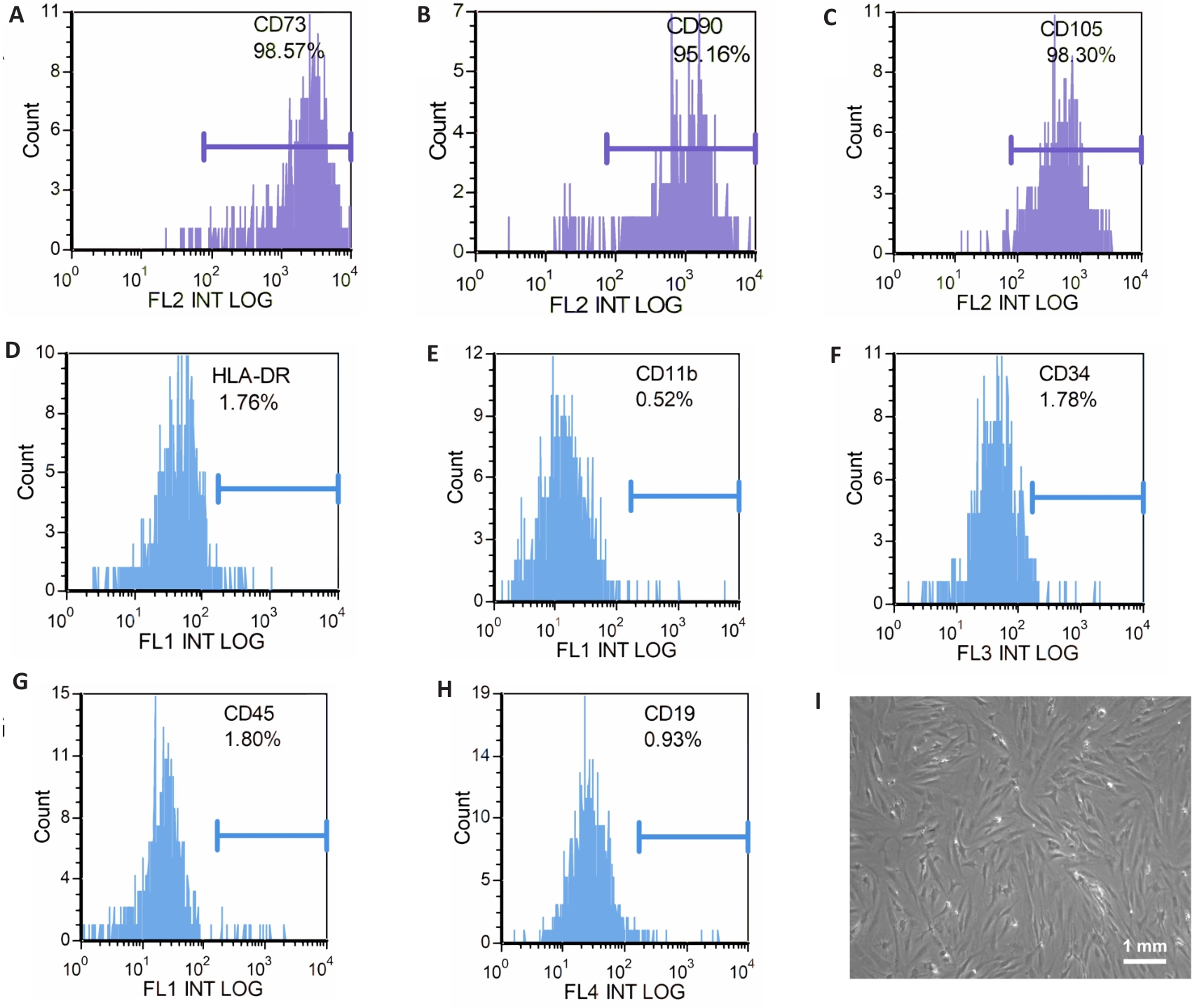
Fig.1 Identification of infrapatellar fat pad mesenchymal stem cells (IPFP-MSCs) by flow cytometry (A-H) and under optical microscope (I).
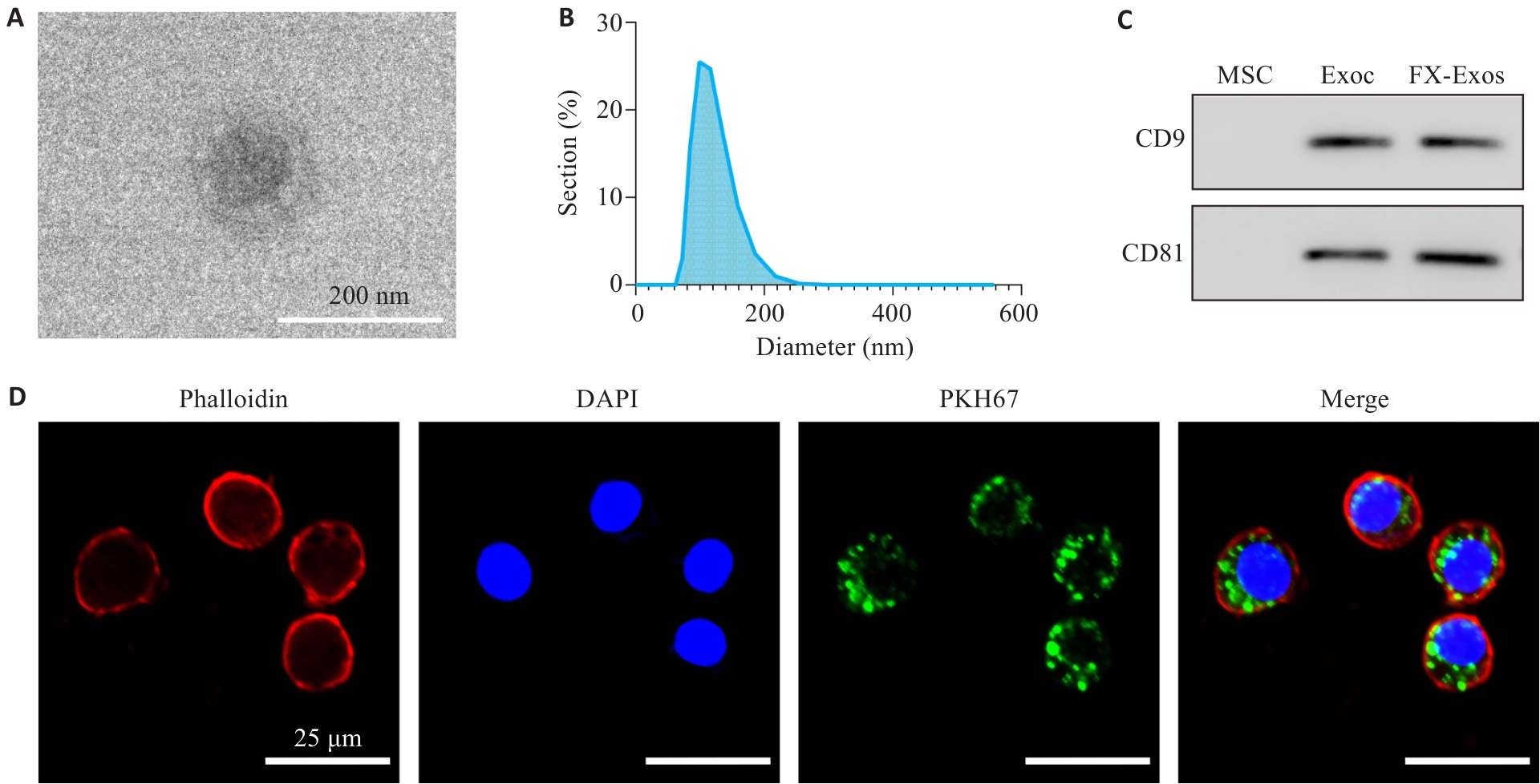
Fig.2 Identification of exosomes from IPFP-MSCs (IPFP-Exos) and its distribution in RAW264.7 macrophages. A: TEM observation showing cup-shaped IPFP-Exos. B: NTA showing homogenous diameter of the vesicles. C: Positive expression of surface markers CD9 and CD81 on IPFP-Exos; D: Confocal microscopy for observing distribution of IPFP-Exos in RAW264.7 macrophages.
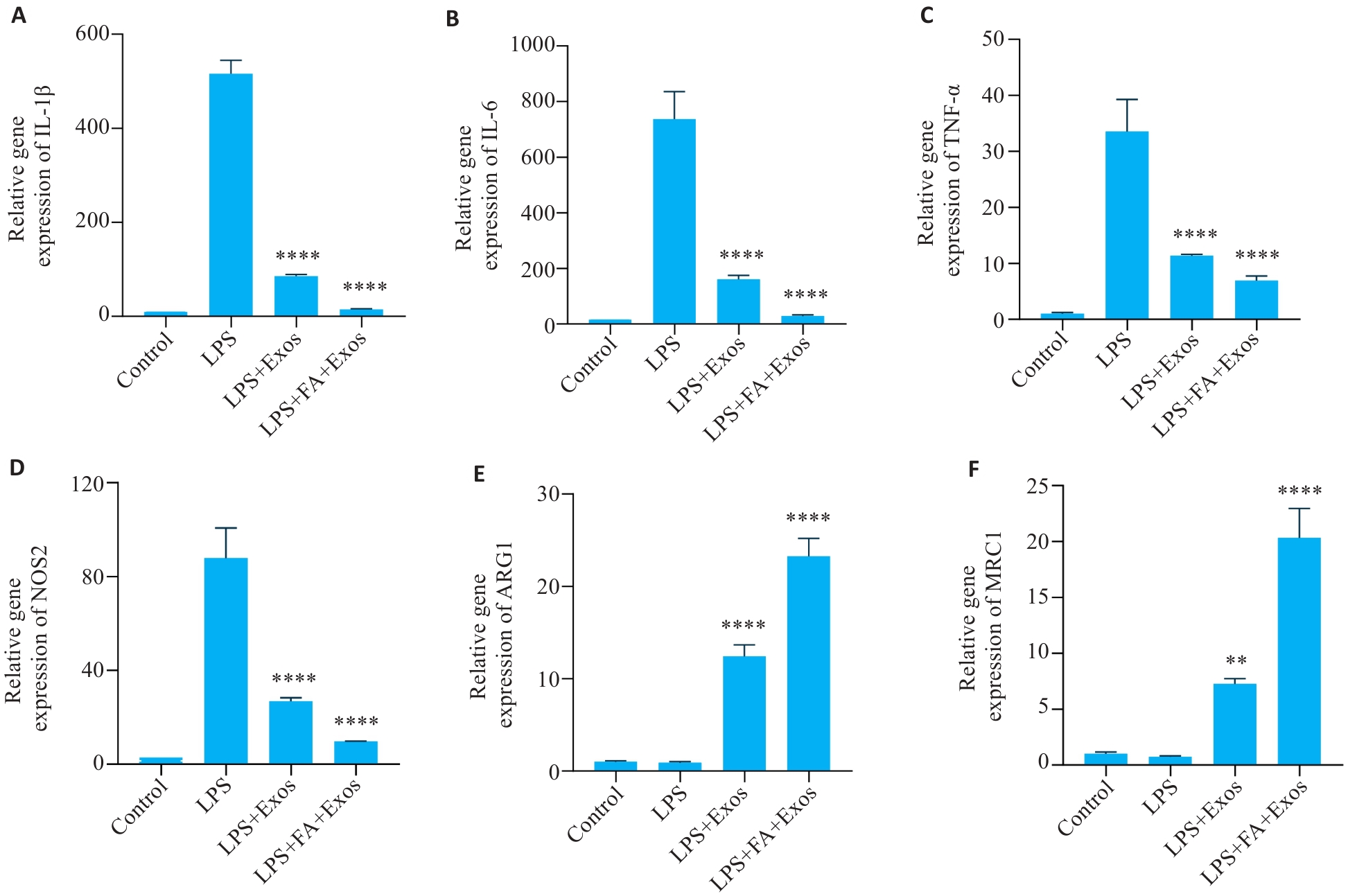
Fig.3 Changes in the mRNA expression levels of IL-1β (A), IL-6 (B), TNF-α (C), NOS2(D), ARG1 (E) and MRC1 (F) (n=3). **P<0.01, ****P<0.0001 vs LPS group.
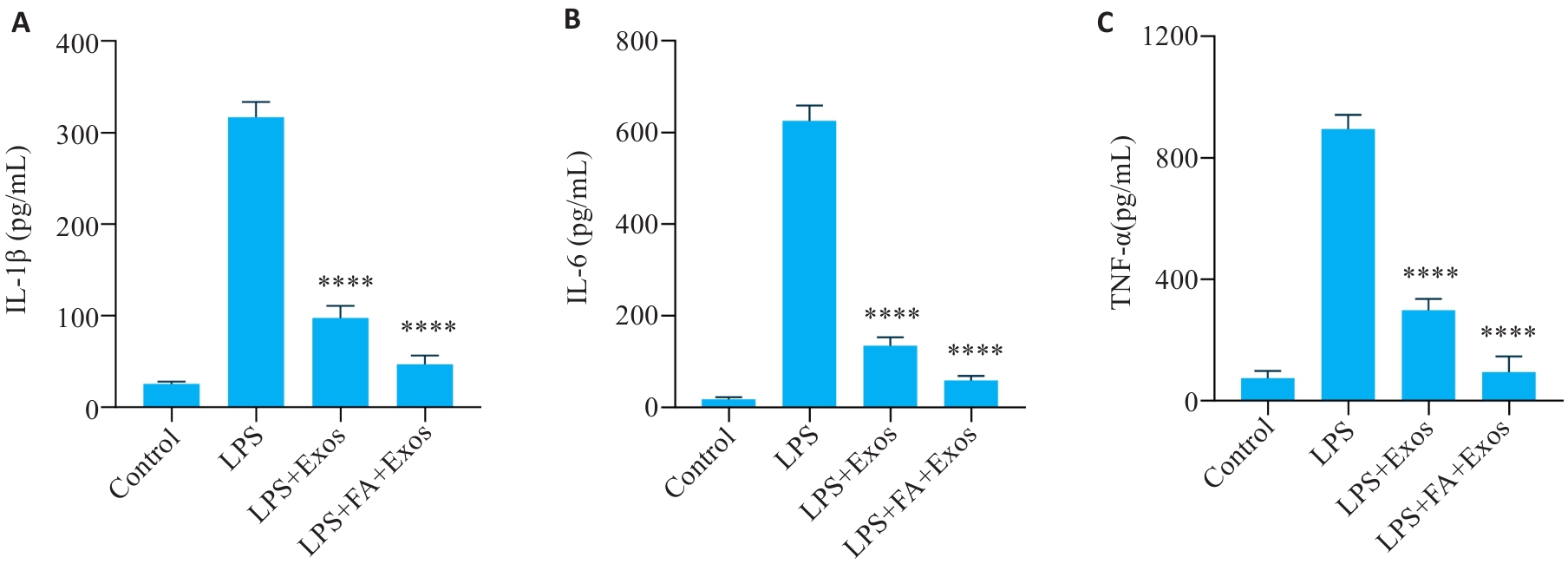
Fig.4 Results of ELISA for detecting expression levels of IL-1β (A), IL-6 (B) and TNF-α (C) in the cell supernatant (n=5). ****P<0.0001 vs LPS group.
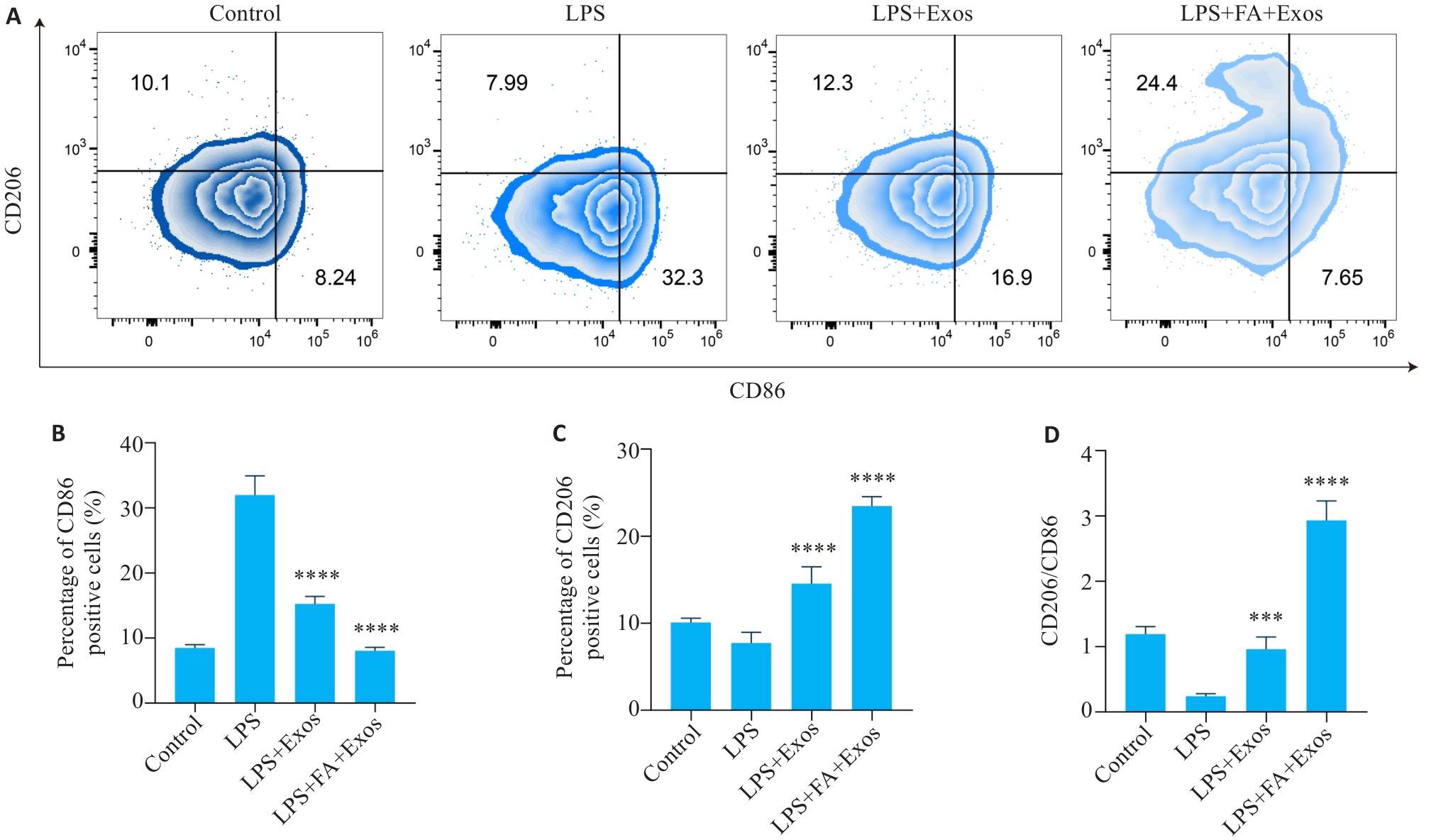
Fig.5 Expressions of CD86 and CD206 in RAW264.7 macrophages incubated with the exosomes detected by flow cytometry. A: Two-dimensional density maps of flow cytometry showing the expression of M1-type marker CD86 and M2-type marker CD206 in different groups. B: Bar chart of the percentage of CD86-positive cells in different groups. C: Bar chart of the percentage of CD206-positive cells in different groups. D: The ratio of CD206/CD86 in different groups. (n=4/5). ***P<0.001, ****P<0.0001 vs LPS group.
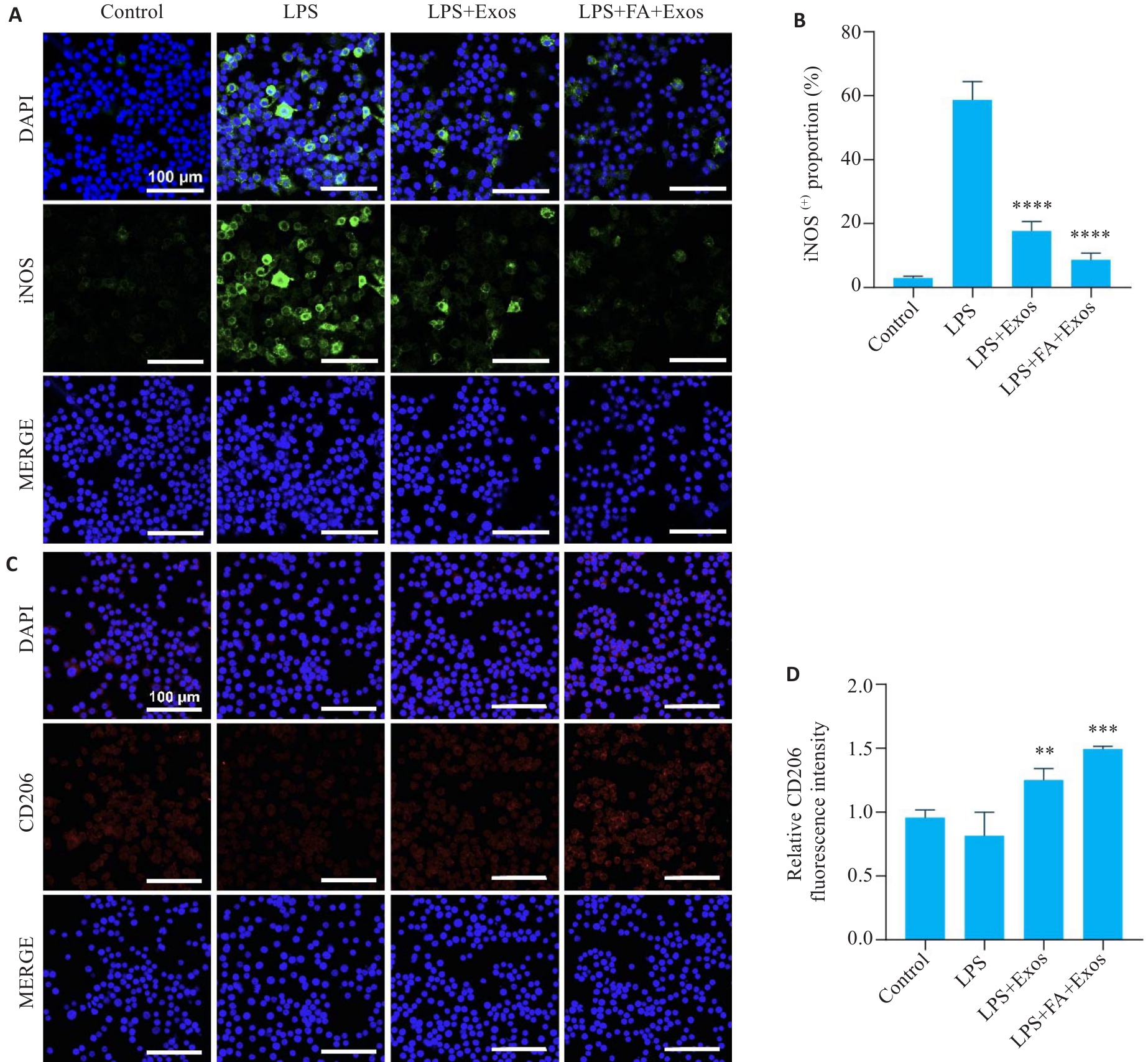
Fig.6 Immunofluorescence staining of iNOS and CD206 in RAW264.7 macrophages incubated with the exosomes. A: Expression of iNOS in RAW264.7 cells in different treatment groups. B: Statistical analysis of the proportion of iNOS-positive cells in each group. C: Expression of CD206 in RAW264.7 cells in different groups. D: Statistical analysis of the fluorescence intensity of CD206 in each group (n=3). **P<0.01, ***P<0.001, ****P<0.0001 vs LPS group.
| [1] | Yue LD, Berman J. What is osteoarthritis?[J]. Jama, 2022, 327(13): 1300. doi:10.1001/jama.2022.1980 |
| [2] | GBD 2021 Osteoarthritis Collaborators. Global, regional, and national burden of osteoarthritis, 1990-2020 and projections to 2050: a systematic analysis for the Global Burden of Disease Study 2021[J]. Lancet Rheumatol, 2023, 5(9): e508-22. |
| [3] | Cui A, Li H, Wang D, et al. Global, regional prevalence, incidence and risk factors of knee osteoarthritis in population-based studies[J]. EClinicalMedicine, 2020, 29/30: 100587. |
| [4] | Xie JW, Huang ZY, Yu XJ, et al. Clinical implications of macrophage dysfunction in the development of osteoarthritis of the knee[J]. Cytokine Growth Factor Rev, 2019, 46: 36-44. doi:10.1016/j.cytogfr.2019.03.004 |
| [5] | Coryell PR, Diekman BO, Loeser RF. Mechanisms and therapeutic implications of cellular senescence in osteoarthritis[J]. Nat Rev Rheumatol, 2021, 17(1): 47-57. doi:10.1038/s41584-020-00533-7 |
| [6] | Moulin D, Sellam J, Berenbaum F, et al. The role of the immune system in osteoarthritis: mechanisms, challenges and future directions[J]. Nat Rev Rheumatol, 2025, 21(4): 221-36. doi:10.1038/s41584-025-01223-y |
| [7] | De Roover A, Escribano-Núñez A, Monteagudo S, et al. Fundam-entals of osteoarthritis: inflammatory mediators in osteoarthritis[J]. Osteoarthr Cartil, 2023, 31(10): 1303-11. doi:10.1016/j.joca.2023.06.005 |
| [8] | Mathieu M, Martin-Jaular L, Lavieu G, et al. Specificities of secretion and uptake of exosomes and other extracellular vesicles for cell-to-cell communication[J]. Nat Cell Biol, 2019, 21(1): 9-17. doi:10.1038/s41556-018-0250-9 |
| [9] | Che Z, Yan W, Zhao Q. Extracellular vesicles in the mesenchymal stem cell/macrophage axis: potential targets for inflammatory treatment[J]. Int J Mol Sci, 2025, 26(6): 2827. doi:10.3390/ijms26062827 |
| [10] | Otahal A, Kramer K, Neubauer M, et al. Culture of Hoffa fat pad mesenchymal stem/stromal cells on microcarrier suspension in vertical wheel bioreactor for extracellular vesicle production[J]. Stem Cell Res Ther, 2024, 15(1): 61. doi:10.1186/s13287-024-03681-9 |
| [11] | Shen D, He Z. Mesenchymal stem cell-derived exosomes regulate the polarization and inflammatory response of macrophages via miR-21-5p to promote repair after myocardial reperfusion injury[J]. Ann Transl Med, 2021, 9(16): 1323. doi:10.21037/atm-21-3557 |
| [12] | Kou M, Huang L, Yang J, et al. Mesenchymal stem cell-derived extracellular vesicles for immunomodulation and regeneration: a next generation therapeutic tool[J]?. Cell Death Dis, 2022, 13(7): 580. doi:10.1038/s41419-022-05034-x |
| [13] | 张梦莹, 李 志, 裴纬亚, 等. M2型巨噬细胞来源的外泌体lncRNA NR_028113.1通过激活JAK2/STAT3通路促进巨噬细胞的极化 [J]. 南方医科大学学报, 2023, 43(3): 393-9. |
| [14] | 涂舒谕, 陈祥宇, 李程辉, 等. 补阳还五汤通过调控外泌体miR-590-5p介导的巨噬细胞极化延缓大鼠血管衰老 [J]. 南方医科大学学报, 2025, 45(6): 1251-9. |
| [15] | Kouroupis D, Kaplan LD, Best TM. Human infrapatellar fat pad mesenchymal stem cells show immunomodulatory exosomal signatures[J]. Sci Rep, 2022, 12: 3609. doi:10.1038/s41598-022-07569-7 |
| [16] | Wang Z, Hu Z, Niu L, et al. Mesenchymal stem cell-derived exosomes for the treatment of knee osteoarthritis: a systematic review and meta-analysis based on rat model[J]. Front Pharmacol, 2025, 16: 1588841. doi:10.3389/fphar.2025.1588841 |
| [17] | Kostyusheva A, Romano E, Yan N, et al. Breaking barriers in targeted therapy: advancing exosome isolation, engineering, and imaging[J]. Adv Drug Deliv Rev, 2025, 218: 115522. doi:10.1016/j.addr.2025.115522 |
| [18] | Fan JH, Xu HX, Qin ZZ, et al. Folic acid protects against kidney damage in mice with diabetic nephropathy by inhibiting M1 macrophage polarization via nuclear factor-k-gene binding pathway[J]. Altern Ther Health Med, 2023, 29(6): 418-20. |
| [19] | Feng D, Zhou Y, Xia M, et al. Folic acid inhibits lipopolysaccharide-induced inflammatory response in RAW264.7 macrophages by suppressing MAPKs and NF-κB activation[J]. Inflamm Res, 2011, 60(9): 817-22. doi:10.1007/s00011-011-0337-2 |
| [20] | Kolb AF, Petrie L. Folate deficiency enhances the inflammatory response of macrophages[J]. Mol Immunol, 2013, 54(2): 164-72. doi:10.1016/j.molimm.2012.11.012 |
| [21] | Puig-Kröger A, Sierra-Filardi E, Domínguez-Soto A, et al. Folate receptor beta is expressed by tumor-associated macrophages and constitutes a marker for M2 anti-inflammatory/regulatory macro-phages[J]. Cancer Res, 2009, 69(24): 9395-403. doi:10.1158/0008-5472.can-09-2050 |
| [22] | Jin Y, Zhang Q, Qin X, et al. Carbon dots derived from folic acid attenuates osteoarthritis by protecting chondrocytes through NF-κB/MAPK pathway and reprogramming macrophages[J]. J Nanobiotechnology, 2022, 20(1): 469. doi:10.1186/s12951-022-01681-6 |
| [23] | Kim HI, Park J, Zhu Y, et al. Recent advances in extracellular vesicles for therapeutic cargo delivery[J]. Exp Mol Med, 2024, 56(4): 836-49. doi:10.1038/s12276-024-01201-6 |
| [24] | Zeng H, Guo S, Ren X, et al. Current strategies for exosome cargo loading and targeting delivery[J]. Cells, 2023, 12(10): 1416. doi:10.3390/cells12101416 |
| [25] | Abbasi R, Alamdari-Mahd G, Maleki-Kakelar H, et al. Recent advances in the application of engineered exosomes from mesenchymal stem cells for regenerative medicine[J]. Eur J Pharmacol, 2025, 989: 177236. doi:10.1016/j.ejphar.2024.177236 |
| [26] | Kalluri R, LeBleu VS. The biology,function, and biomedical applications of exosomes[J]. Science, 2020, 367(6478): eaau6977. doi:10.1126/science.aau6977 |
| [27] | Hu X, Ni S, Zhao K, et al. Bioinformatics-led discovery of osteoarthritis biomarkers and inflammatory infiltrates[J]. Front Immunol, 2022, 13: 871008. doi:10.3389/fimmu.2022.871008 |
| [28] | Knights AJ, Redding SJ, Maerz T. Inflammation in osteoarthritis: the latest progress and ongoing challenges[J]. Curr Opin Rheumatol, 2023, 35(2): 128-34. doi:10.1097/bor.0000000000000923 |
| [29] | Yuan Z, Jiang D, Yang M, et al. Emerging roles of macrophage polarization in osteoarthritis: mechanisms and therapeutic strategies[J]. Orthop Surg, 2024, 16(3): 532-50. doi:10.1111/os.13993 |
| [30] | Ma YD, Yang HY, Zong XQ, et al. Artificial M2 macrophages for disease-modifying osteoarthritis therapeutics[J]. Biomaterials, 2021, 274: 120865. doi:10.1016/j.biomaterials.2021.120865 |
| [31] | Liao S, Yang M, Li D, et al. Comprehensive bulk and single-cell transcriptome profiling give useful insights into the characteristics of osteoarthritis associated synovial macrophages[J]. Front Immunol, 2022, 13: 1078414. doi:10.3389/fimmu.2022.1078414 |
| [32] | Lin C, Wan Y, Xu Y, et al. Molecular features and diagnostic modeling of synovium- and IPFP-derived OA macrophages in the inflammatory microenvironment via scRNA-seq and machine learning[J]. J Orthop Surg Res, 2025, 20(1): 382. doi:10.1186/s13018-025-05793-1 |
| [33] | Liao HJ, Chang CH, Huang CF, et al. Potential of using infrapatellar-fat-pad-derived mesenchymal stem cells for therapy in degenerative arthritis: chondrogenesis, exosomes, and transcription regulation[J]. Biomolecules, 2022, 12(3): 386. doi:10.3390/biom12030386 |
| [34] | Zhong YC, Wang SC, Han YH, et al. Recent advance in source, property, differentiation, and applications of infrapatellar fat pad adipose-derived stem cells[J]. Stem Cells Int, 2020, 2020: 2560174. doi:10.1155/2020/2560174 |
| [35] | Wu JY, Kuang L, Chen C, et al. miR-100-5p-abundant exosomes derived from infrapatellar fat pad MSCs protect articular cartilage and ameliorate gait abnormalities via inhibition of mTOR in osteoarthritis[J]. Biomaterials, 2019, 206: 87-100. doi:10.1016/j.biomaterials.2019.03.022 |
| [36] | Wu JY, Wu JH, Xiang W, et al. Engineering exosomes derived from TNF‑α preconditioned IPFP-MSCs enhance both yield and therapeutic efficacy for osteoarthritis[J]. J Nanobiotechnol, 2024, 22(1): 555. doi:10.1186/s12951-024-02795-9 |
| [37] | Rai A, Claridge B, Lozano J, et al. The discovery of extracellular vesicles and their emergence as a next-generation therapy[J]. Circ Res, 2024, 135(1): 198-221. doi:10.1161/circresaha.123.323054 |
| [38] | Chen M, Lu Y, Liu Y, et al. Injectable microgels with hybrid exosomes of chondrocyte-targeted FGF18 gene-editing and self-renewable lubrication for osteoarthritis therapy[J]. Adv Mater, 2024, 36(16): e2312559. doi:10.1002/adma.202312559 |
| [39] | Chen M, Liu Y, Cao Y, et al. Remodeling the proinflammatory microenvironment in osteoarthritis through interleukin-1 beta tailored exosome cargo for inflammatory regulation and cartilage regeneration[J]. ACS Nano, 2025, 19(4): 4924-41. doi:10.1021/acsnano.4c16785 |
| [40] | Pathrikar TV, Baby HM, Hakim B, et al. Cartilage-targeting exosomes for delivery of receptor antagonist of interleukin-1 in osteoarthritis treatment[J]. Osteoarthritis Cartilage, 2025, 33(7): 835-47. doi:10.1016/j.joca.2025.02.785 |
| [41] | Feng CX, Xiong ZY, Wang C, et al. Folic acid-modified Exosome-PH20 enhances the efficiency of therapy via modulation of the tumor microenvironment and directly inhibits tumor cell metastasis[J]. Bioact Mater, 2021, 6(4): 963-74. doi:10.1016/j.bioactmat.2020.09.014 |
| [1] | Haimei BO, Xinying CAO, Pingchuan XING, Zhijun WANG. Exosome-derived miR-1275 mediates IL-38 upregulation in lymphocytes to suppress lipopolysaccharide-induced apoptosis of myocardial cells in vitro [J]. Journal of Southern Medical University, 2025, 45(8): 1608-1615. |
| [2] | Zhaojun ZHANG, Qiong WU, Miaomiao XIE, Ruyin YE, Chenchen GENG, Jiwen SHI, Qingling YANG, Wenrui WANG, Yurong SHI. Layered double hydroxide-loaded si-NEAT1 regulates paclitaxel resistance and tumor-associated macrophage polarization in breast cancer by targeting miR-133b/PD-L1 [J]. Journal of Southern Medical University, 2025, 45(8): 1718-1731. |
| [3] | Changlong FU, Lu XU, Ruolan CHEN, Jinghang YANG, Yan LUO, Yanfeng HUANG. Tougu Xiaotong Capsule promotes repair of osteoarthritis cartilage damage in mice by activating the CXCL12/GDF5 pathway [J]. Journal of Southern Medical University, 2025, 45(6): 1122-1130. |
| [4] | Shuyu TU, Xiangyu CHEN, Chenghui LI, Danping HUANG, Li ZHANG. Buyang Huanwu Decoction delays vascular aging in rats through exosomal miR-590-5p signal-mediated macrophage polarization [J]. Journal of Southern Medical University, 2025, 45(6): 1251-1259. |
| [5] | Minzhu NIU, Lixia YIN, Tong QIAO, Lin YIN, Keni ZHANG, Jianguo HU, Chuanwang SONG, Zhijun GENG, Jing LI. Ecliptasaponin A ameliorates DSS-induced colitis in mice by suppressing M1 macrophage polarization via inhibiting the JAK2/STAT3 pathway [J]. Journal of Southern Medical University, 2025, 45(6): 1297-1306. |
| [6] | Zhihua TIAN, Qingqing YANG, Xin CHEN, Fangfang ZHANG, Baimao ZHONG, Hong CAO. Spermine suppresses GBP5-mediated NLRP3 inflammasome activation in macrophages to relieve vital organ injuries in neonatal mice with enterovirus 71 infection [J]. Journal of Southern Medical University, 2025, 45(5): 901-910. |
| [7] | Jiawen YU, Yi ZHOU, Chunmei QIAN, Lan MU, Renye QUE. Effects of liver fibrosis induced by iron overload on M2 polarization of macrophages in mice [J]. Journal of Southern Medical University, 2025, 45(4): 684-691. |
| [8] | Liping FU, Lixia YUAN, Jie WANG, Xuelan CHEN, Guizhi KE, Yu HUANG, Xinyi YANG, Gang LIU. Advances of low-intensity pulsed ultrasound for treatment of musculoskeletal disorders in the past decade [J]. Journal of Southern Medical University, 2025, 45(3): 661-668. |
| [9] | Jinhua ZOU, Hui WANG, Dongyan ZHANG. SLC1A5 overexpression accelerates progression of hepatocellular carcinoma by promoting M2 polarization of macrophages [J]. Journal of Southern Medical University, 2025, 45(2): 269-284. |
| [10] | Changlong FU, Ruolan CHEN, Shiqi XU, Jinxin YOU, Qing LIN, Yanfeng HUANG. Morinda officinalis polysaccharide delays osteoarthritis mouse chondrocyte degeneration by modulating the glycolysis-pyroptosis axis via targeting the lncRNA XIST [J]. Journal of Southern Medical University, 2025, 45(12): 2541-2550. |
| [11] | Qian ZHANG, Bowen LIU, Li LEI, Ye WANG, Xinyue ZHANG, Zhangkun MAO, Peng TANG, Jinmei ZHANG, Jiayi YANG, Yanxi PENG, Ze LIU. SERPINE1 overexpression promotes proliferation and paclitaxel resistance of triple-negative breast cancer cells by inducing M2 macrophage polarization [J]. Journal of Southern Medical University, 2025, 45(12): 2551-2560. |
| [12] | Xinxin LIU, Yingrui XU, Hongna SHENG, Hao LIU. Human umbilical cord mesenchymal stem cell grafting alleviates inflammatory response in type 1 diabetic mice by suppressing M1 macrophage polarization through Chi3l1 [J]. Journal of Southern Medical University, 2025, 45(12): 2738-2746. |
| [13] | Xiaohui QIU, Meng WANG, Jiangjie TANG, Jianda ZHOU, Chen JIN. Chitosan hydrogel loaded with human umbilical cord mesenchymal stem cell-derived exosomes promotes healing of chronic diabetic wounds in rats [J]. Journal of Southern Medical University, 2025, 45(10): 2082-2091. |
| [14] | Yongxin MAI, Shuting ZHOU, Ruijia WEN, Jinfang ZHANG, Dongxiang ZHAN. Aucubin alleviates knee osteoarthritis in mice by suppressing the NF‑κB signaling pathway [J]. Journal of Southern Medical University, 2025, 45(10): 2104-2110. |
| [15] | Keni¹ ZHANG, Tong¹ QIAO, Lin¹ YIN, Ju HUANG, Zhijun GENG, Lugen³ ZUO, Jianguo HU, Jing LI. Pinostrobin targets the PI3K/AKT/CCL2 axis in intestinal epithelial cells to inhibit intestinal macrophage infiltration and alleviate dextran sulfate sodium-induced colitis in mice [J]. Journal of Southern Medical University, 2025, 45(10): 2199-2209. |
| Viewed | ||||||
|
Full text |
|
|||||
|
Abstract |
|
|||||
