
Journal of Southern Medical University ›› 2026, Vol. 46 ›› Issue (9): 2196-2205.doi: 10.12122/j.issn.1673-4254.2026.09.18
Keni ZHANG1( ), Longtao ZHANG1, Yu ZHANG1, Ju HUANG2, Qingqing LI1, Zhijun GENG2, Jianguo HU1,2, Jing LI1,2()
Received:2026-01-22
Online:2026-09-20
Published:2026-09-30
Contact:
Jing LI
E-mail:kenizhang0906@163.com;lijingbyfy@bbmu.edu.cn
Keni ZHANG, Longtao ZHANG, Yu ZHANG, Ju HUANG, Qingqing LI, Zhijun GENG, Jianguo HU, Jing LI. Ethyl caffeate alleviates dextran sulfate sodium-induced colitis in mice by restoring intestinal epithelial tight junctions via activating the Wnt/β-Catenin pathway[J]. Journal of Southern Medical University, 2026, 46(9): 2196-2205.
Add to citation manager EndNote|Ris|BibTeX
URL: https://www.j-smu.com/EN/10.12122/j.issn.1673-4254.2026.09.18
| Gene name | Gene ID | Primer sequences (5'-3') |
|---|---|---|
| IL-6 | 16193 | F:TCTATACCACTTCACAAGTCGGA |
| R:GAATTGCCATTGCACAACTCTTT | ||
| TNF-α | 21926 | F:CAGGCGGTGCCTATGTCTC |
| R:CGATCACCCCGAAGTTCAGTAG | ||
| ZO-1 | 21872 | F: TTCACAGAGCAGCGACAACT |
| R: TCTGCTGGAGTAGGCTACGA | ||
| Claudin-1 | 100771737 | F: AAAGCACCGGGCAGATACAA |
| R: TCATGCCAATGGTGGACACA | ||
| GAPDH | 14433 | F:TGGCCTTCCGTGTTCCTAC |
| R:GAGTTGCTGTTGAAGTCGCA |
Tab.1 Primer sequences for RT-qPCR
| Gene name | Gene ID | Primer sequences (5'-3') |
|---|---|---|
| IL-6 | 16193 | F:TCTATACCACTTCACAAGTCGGA |
| R:GAATTGCCATTGCACAACTCTTT | ||
| TNF-α | 21926 | F:CAGGCGGTGCCTATGTCTC |
| R:CGATCACCCCGAAGTTCAGTAG | ||
| ZO-1 | 21872 | F: TTCACAGAGCAGCGACAACT |
| R: TCTGCTGGAGTAGGCTACGA | ||
| Claudin-1 | 100771737 | F: AAAGCACCGGGCAGATACAA |
| R: TCATGCCAATGGTGGACACA | ||
| GAPDH | 14433 | F:TGGCCTTCCGTGTTCCTAC |
| R:GAGTTGCTGTTGAAGTCGCA |
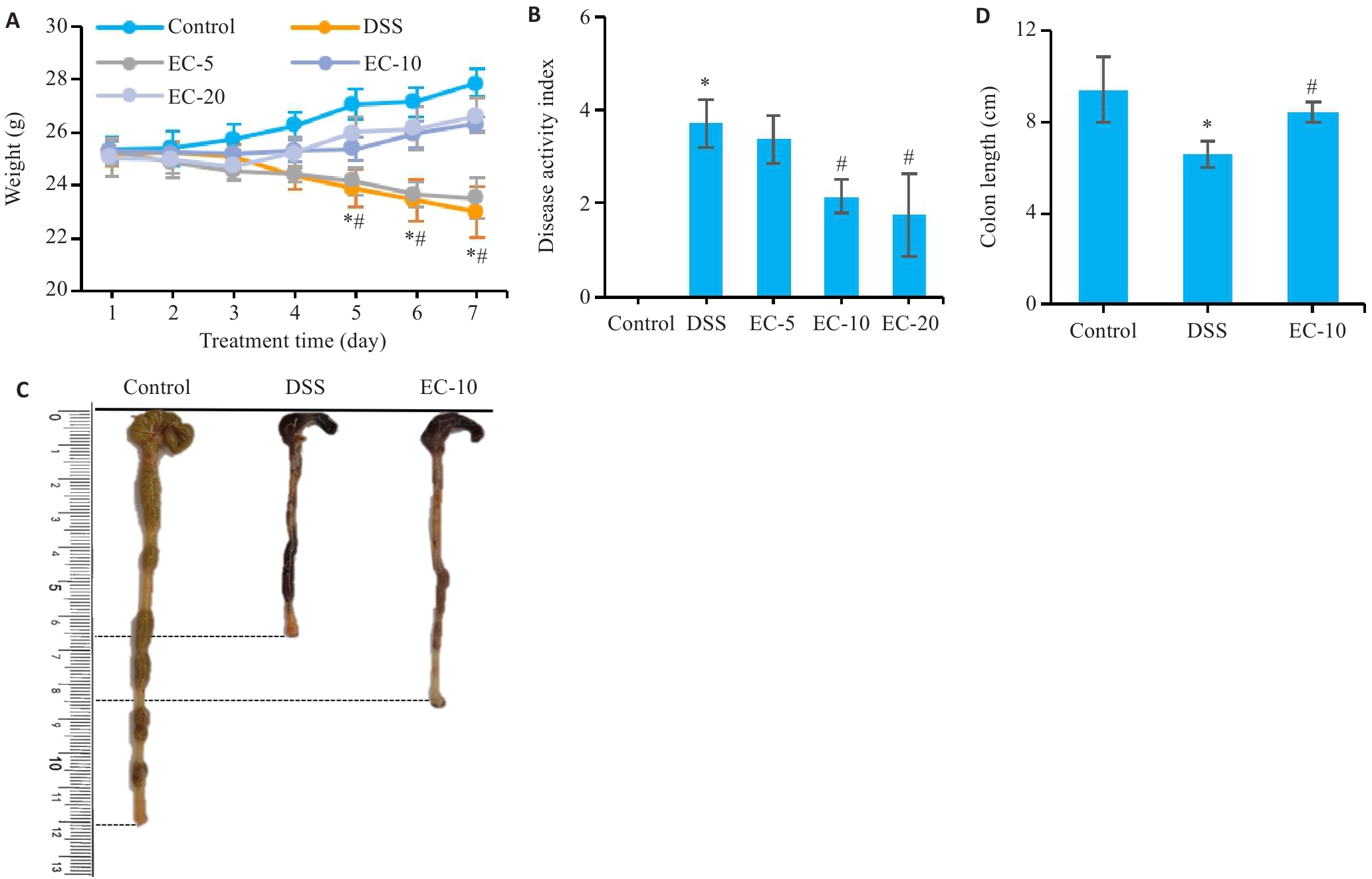
Fig.1 Ethyl caffeate (EC) alleviates dextran sulfate sodium (DSS)-induced colitis symptoms in mice. A: Body weight alterations in mice from the Control, DSS model, EC-5 mg/kg, EC-10 mg/kg, and EC-20 mg/kg groups. B: Disease activity index (DAI) scores of the 5 groups. C: Representative colonic images of the mice. D: Mouse colon length measurements (cm). *P<0.05 vs Control; #P<0.05 vs DSS.
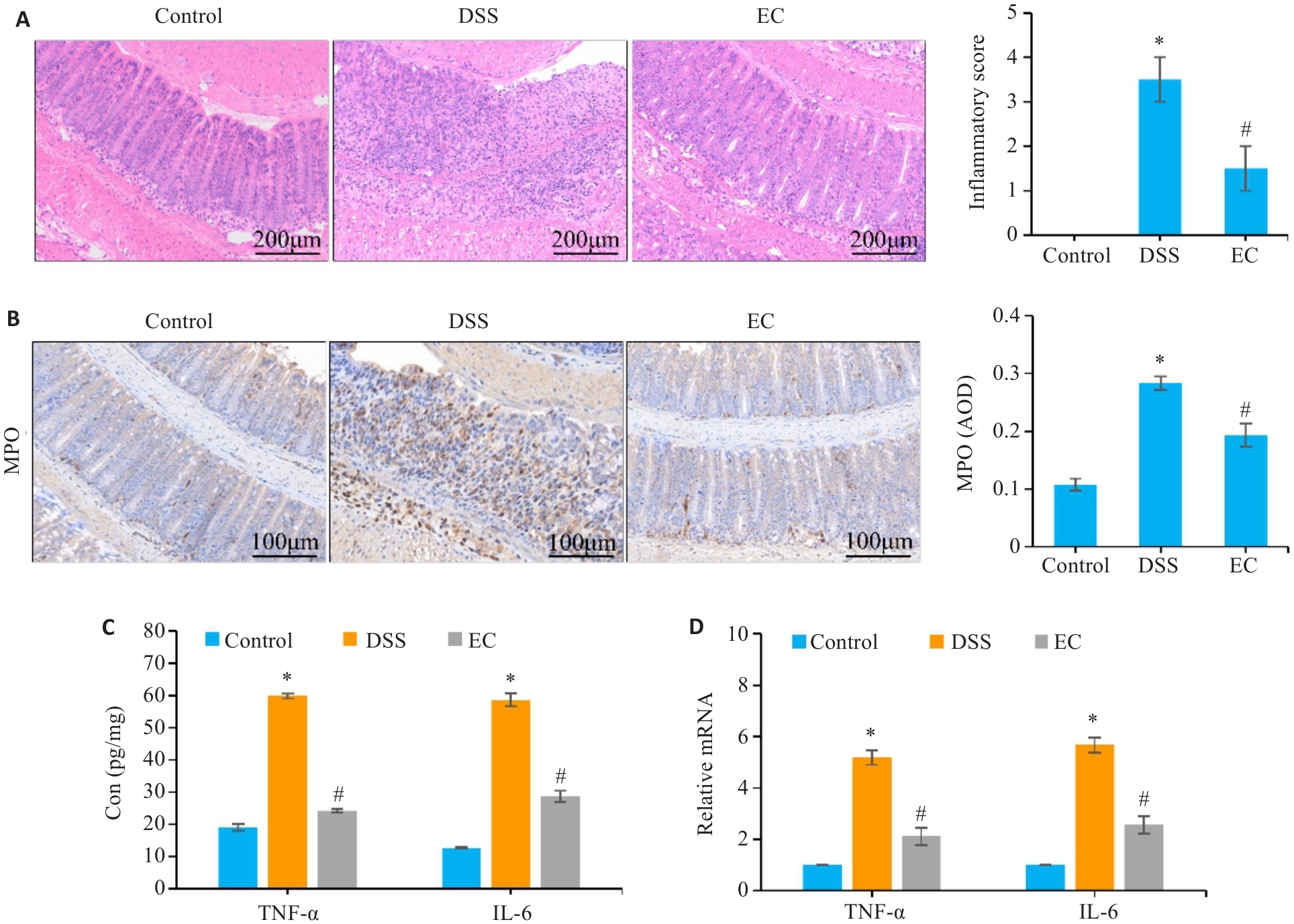
Fig.2 EC attenuates colonic pathology and inflammation in mice with DSS-induced colitis. A: Histological analysis and inflammation scoring of mouse colons using HE staining. B: MPO immunohistochemistry and the average optical density (AOD) in the 3 groups. C: TNF‑α and IL‑6 protein concentrations in colonic mucosa quantified using ELISA. D: Relative mRNA expression of TNF‑α and IL‑6 in colonic mucosa measured by RT‑qPCR. *P<0.05 vs Control; #P<0.05 vs DSS.
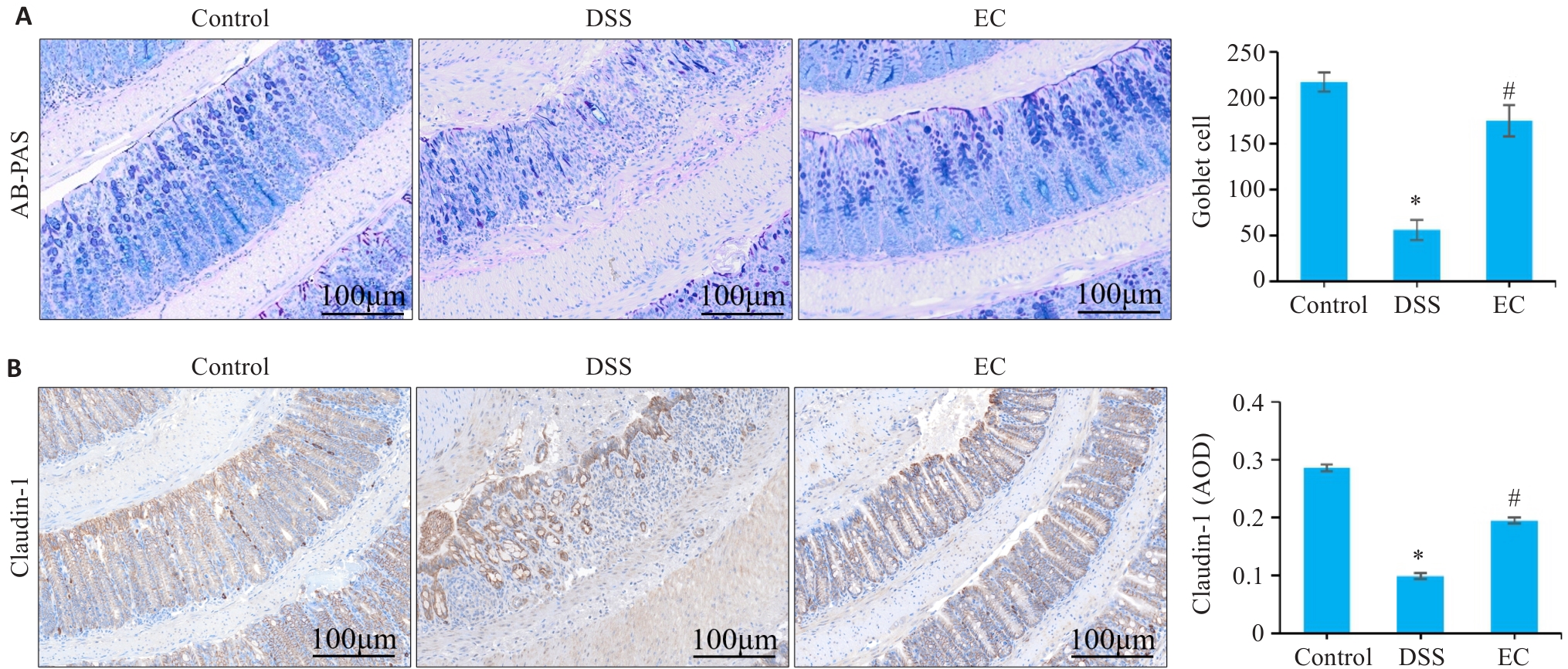
Fig.3 EC improves DSS-induced intestinal barrier dysfunction. A: AB-PAS staining of mouse colon and goblet cell counts. B: Claudin-1 expression (immunohistochemical staining) and the average optical density (AOD). *P<0.05 vs Control; #P<0.05 vs DSS.
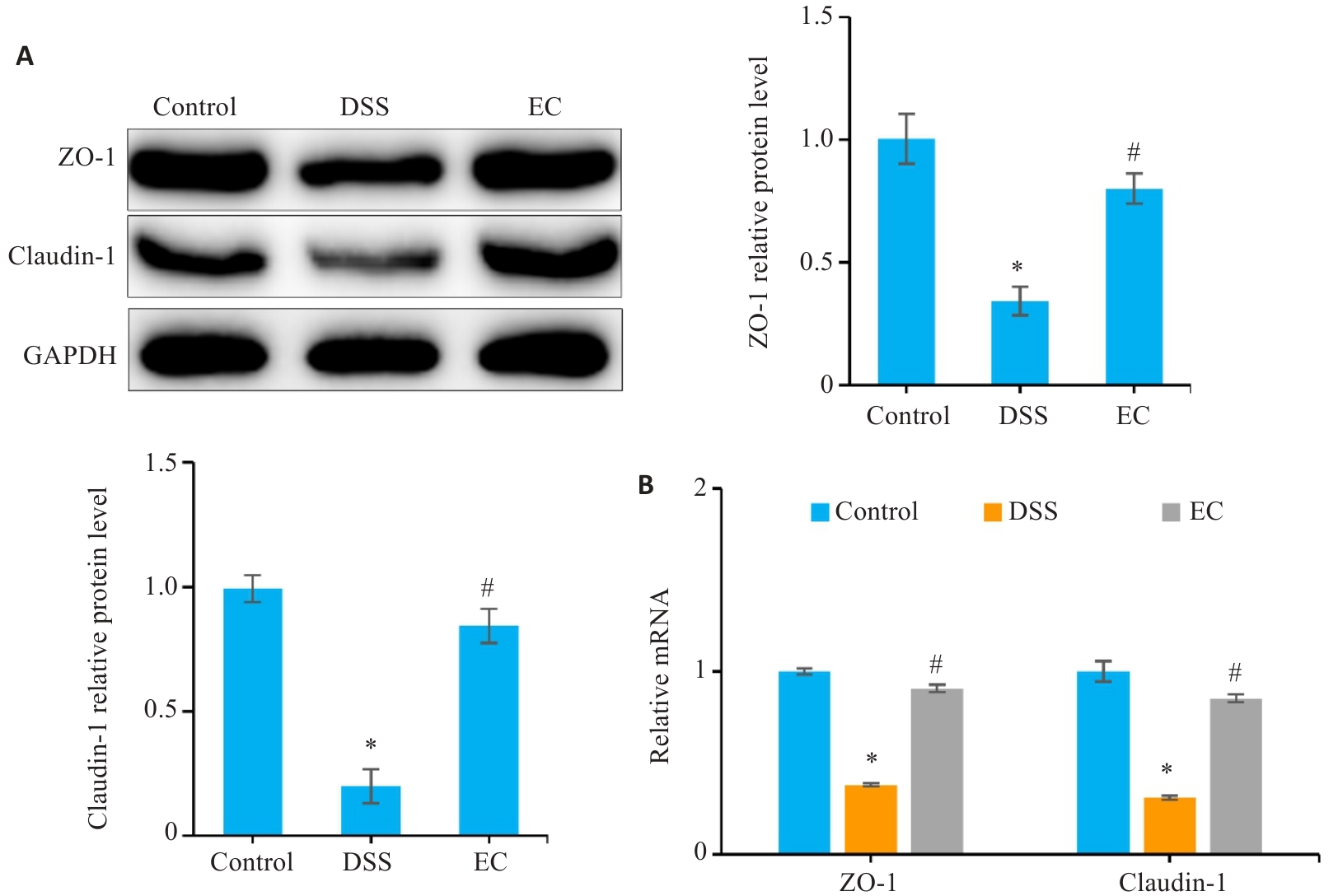
Fig.4 EC upregulates expression of intestinal mucosal tight junction proteins. A: Western blotting of ZO-1 and claudin-1 expression in colonic mucosal tissues. B: Relative mRNA expression levels of ZO-1 and claudin-1 in colonic mucosa determined by RT-qPCR. *P<0.05 vs Control; #P<0.05 vs DSS.
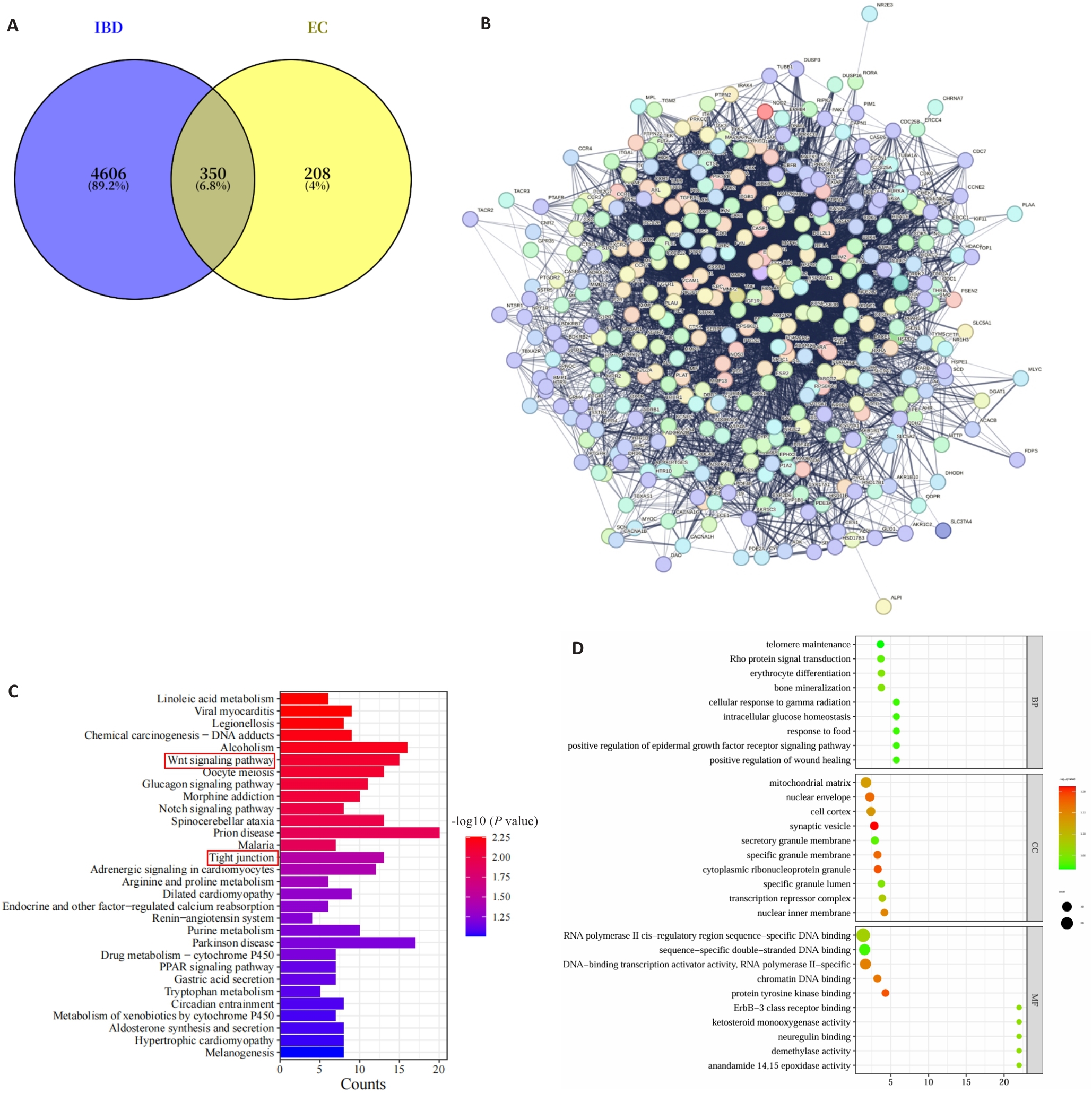
Fig.5 Network pharmacology of EC. A: Venn map. B: PPI network C: KEGG pathway enrichment. D: GO functional annotation (BP, CC, MF).
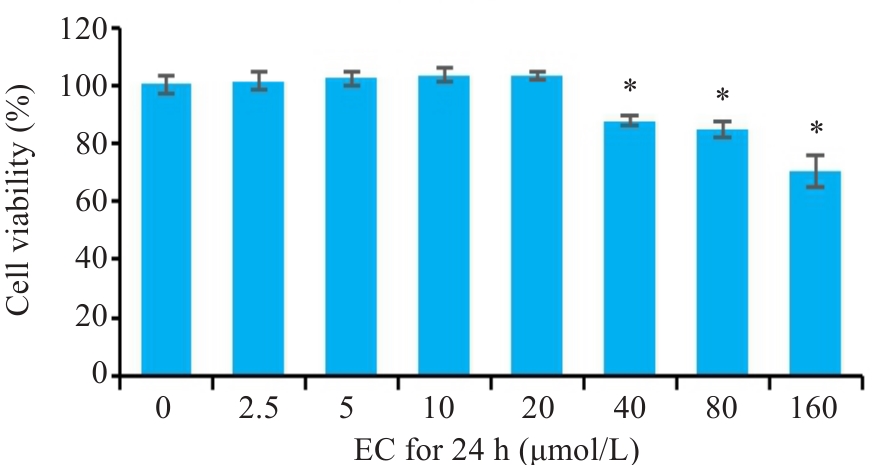
Fig.6 EC exhibits no obvious cytotoxicity in Caco-2 cells. *P<0.05 vs EC=0 μmol/L.
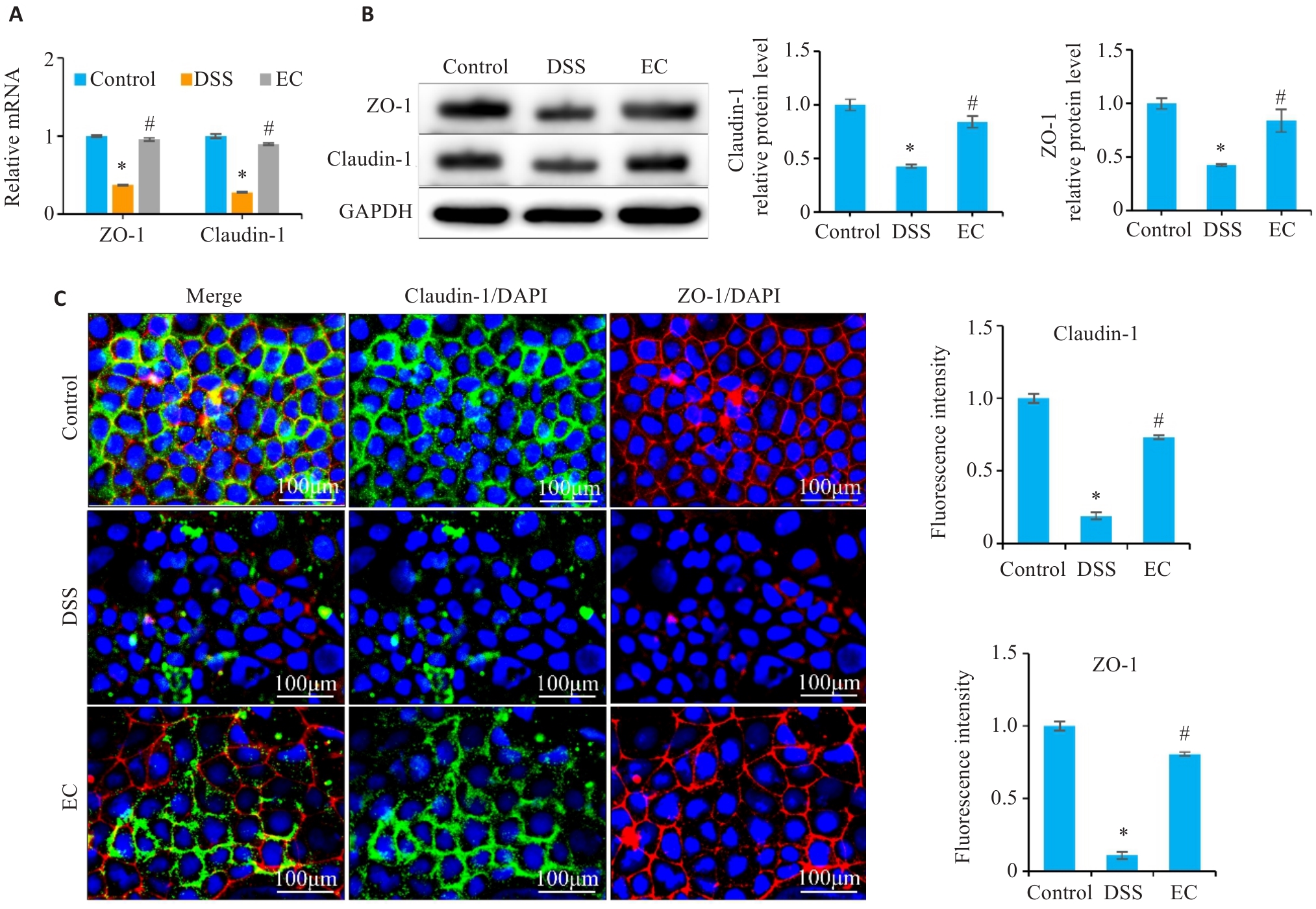
Fig.7 EC improves DSS-induced barrier structure disorder in Caco-2 cells. A: Relative mRNA expression levels of ZO-1 and claudin-1 in Caco-2 cells detected by RT-qPCR. B: Western blotting of ZO-1 and claudin-1 protein expressions in Caco-2 cells. C: Immunofluorescence staining of ZO-1 (red) and claudin-1 (green) localization and fluorescence intensity in Caco-2 cells. *P<0.05 vs Control; #P<0.05 vs DSS.
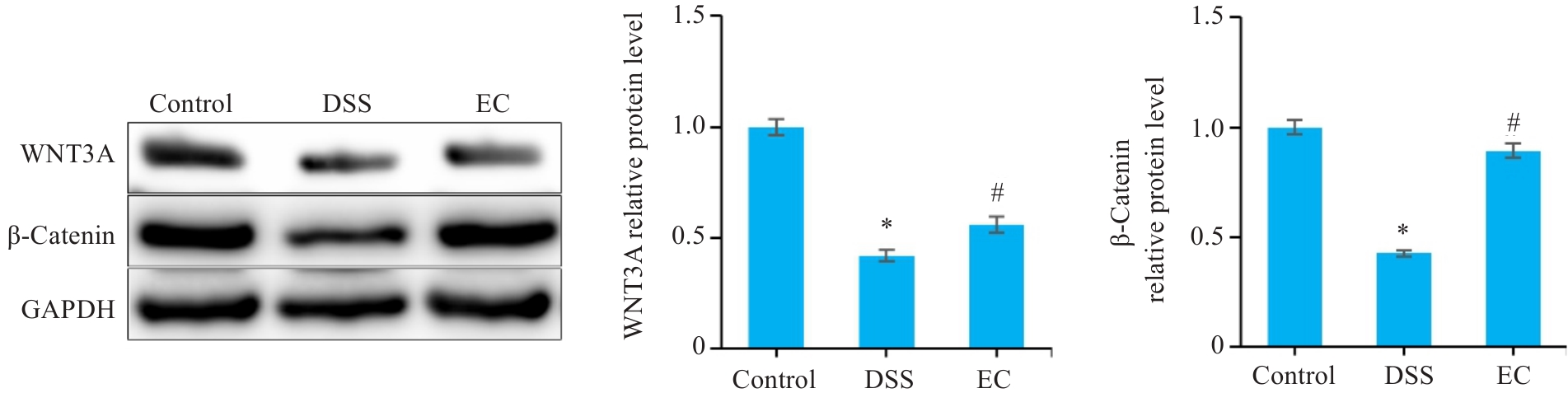
Fig.8 EC activates the Wnt/β-catenin signaling pathway in DSS-induced Caco-2 cells. *P<0.05 vs Control; #P<0.05 vs DSS.
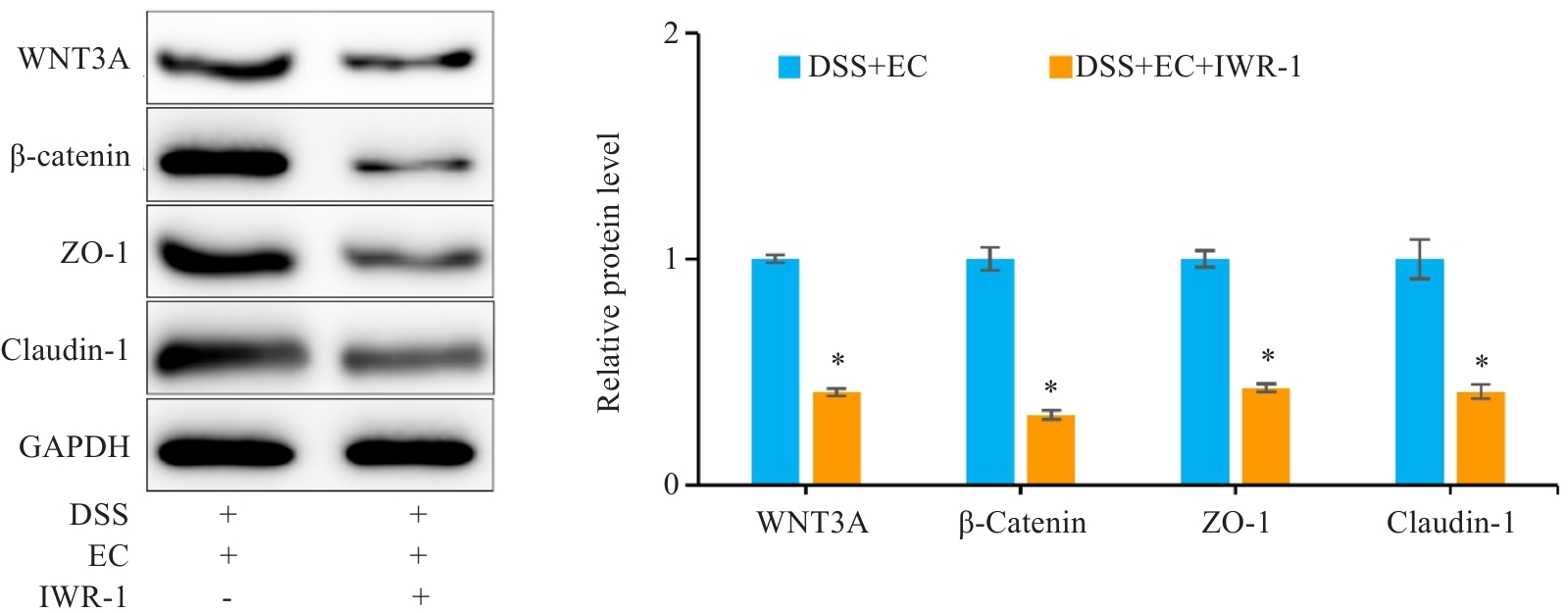
Fig.9 EC depend on the Wnt/β-catenin pathway to promote repair of intestinal epithelial barrier function. *P<0.05 vs DSS+EC.
| [1] | Kaplan GG. The global burden of IBD: from 2015 to 2025[J]. Nat Rev Gastroenterol Hepatol, 2015, 12(12): 720-7. doi:10.1038/nrgastro.2015.150 |
| [2] | Xavier RJ, Podolsky DK. Unravelling the pathogenesis of inflammatory bowel disease[J]. Nature, 2007, 448(7152): 427-34. doi:10.1038/nature06005 |
| [3] | McLemore LJ. Inflammatory bowel disease[J]. Radiol Technol, 2007, 78(4): 291-305;quiz306-8. |
| [4] | Sairenji T, Collins KL, Evans DV. An update on inflammatory bowel disease[J]. Prim Care Clin Off Pract, 2017, 44(4): 673-92. doi:10.1016/j.pop.2017.07.010 |
| [5] | Geremia A, Biancheri P, Allan P, et al. Innate and adaptive immunity in inflammatory bowel disease[J]. Autoimmun Rev, 2014, 13(1): 3-10. doi:10.1016/j.autrev.2013.06.004 |
| [6] | Graham DB, Xavier RJ. Pathway paradigms revealed from the genetics of inflammatory bowel disease[J]. Nature, 2020, 578(7796): 527-39. doi:10.1038/s41586-020-2025-2 |
| [7] | Söderholm JD, Olaison G, Peterson KH, et al. Augmented increase in tight junction permeability by luminal stimuli in the non-inflamed ileum of Crohn's disease[J]. Gut, 2002, 50(3): 307-13. doi:10.1136/gut.50.3.307 |
| [8] | Martel J, Chang SH, Ko YF, et al. Gut barrier disruption and chronic disease[J]. Trends Endocrinol Metab, 2022, 33(4): 247-65. doi:10.1016/j.tem.2022.01.002 |
| [9] | Li LL, Cheng R, Wu YS, et al. Diagnosis and management of inflammatory bowel disease[J]. J Evid Based Med, 2024, 17(2): 409-33. doi:10.1111/jebm.12626 |
| [10] | Peng X, Zhong R, Dong S, et al. 18β‑Glycyrrhetinic acid from Glycyrrhiza Uralensis protects colonic epithelium in ulcerative colitis by activating Wnt/β-catenin pathway to restore tight junction[J]. Phytomedicine, 2025, 143: 156830. doi:10.1016/j.phymed.2025.156830 |
| [11] | Degirmenci B, Valenta T, Dimitrieva S, et al. GLI1-expressing mesenchymal cells form the essential Wnt-secreting niche for colon stem cells[J]. Nature, 2018, 558(7710): 449-53. doi:10.1038/s41586-018-0190-3 |
| [12] | Kuo WT, Zuo L, Odenwald MA, et al. The tight junction protein ZO-1 is dispensable for barrier function but critical for effective mucosal repair[J]. Gastroenterology, 2021, 161(6): 1924-39. doi:10.1053/j.gastro.2021.08.047 |
| [13] | Chen C, Lin XH, Xie YM, et al. Shengjiang Xiexin Decoction ameliorates DSS-induced ulcerative colitis via activating Wnt/ β‑catenin signaling to enhance epithelium renovation and modulating intestinal flora[J]. Phytomedicine, 2025, 139: 156456. doi:10.1016/j.phymed.2025.156456 |
| [14] | Zheng MY, Han R, Yuan YL, et al. The role of Akkermansia muciniphila in inflammatory bowel disease: Current knowledge and perspectives[J]. Front Immunol, 2023, 13: 1089600. doi:10.3389/fimmu.2022.1089600 |
| [15] | 高中良, 张丽英, 李梦青, 等. 牵牛子中咖啡酸和咖啡酸乙酯的提取研究[J]. 安徽农业科学, 2009, 37(7): 3049-50. doi:10.3969/j.issn.0517-6611.2009.07.088 |
| [16] | Chiang YM, Chuang DY, Wang SY, et al. Metabolite profiling and chemopreventive bioactivity of plant extracts from Bidens pilosa [J]. J Ethnopharmacol, 2004, 95(2/3): 409-19. doi:10.1016/j.jep.2004.08.010 |
| [17] | Chiang YM, Lo CP, Chen YP, et al. Ethyl caffeate suppresses NF-κB activation and its downstream inflammatory mediators, iNOS, COX-2, and PGE2in vitro or in mouse skin[J]. Br J Pharmacol, 2005, 146(3): 352-63. doi:10.1038/sj.bjp.0706343 |
| [18] | 廖余琼, 张 妮, 刘翰飞, 等. 黔产硬毛夏枯草中1个新的松香烷型二萜化合物及其抗神经炎活性研究[J]. 中草药, 2025, 56(16): 5723-30. |
| [19] | Widodo A, Huang HT, Dewi NR, et al. Ethyl caffeate modulates systemic and mucosal immune responses, growth performance, and disease resistance against Vibrio parahaemolyticus in hybrid grouper (Epinephelus fuscoguttatus ♀ × E. lanceolatus ♂)[J]. Fish Shellfish Immunol, 2025, 158: 110163. doi:10.1016/j.fsi.2025.110163 |
| [20] | Nguyen PT, Nakamura Y, Tran NQV, et al. Ethyl caffeate can inhibit aryl hydrocarbon receptor (AhR) signaling and AhR-mediated potentiation of mast cell activation[J]. Int J Mol Sci, 2023, 24(12): 9997. doi:10.3390/ijms24129997 |
| [21] | Wang H, Song DZ, Wei LH, et al. Ethyl caffeate inhibits macrophage polarization via SIRT1/NF‑κB to attenuate traumatic heterotopic ossification in mice[J]. Biomed Pharmacother, 2023, 161: 114508. doi:10.1016/j.biopha.2023.114508 |
| [22] | Shen JN, Xu LX, Shan L, et al. Neuroprotection of (+)-2-(1-hydroxyl-4-oxocyclohexyl) ethyl caffeate against hydrogen peroxide and lipopolysaccharide induced injury via modulating arachidonic acid network and p38-MAPK signaling[J]. Curr Alzheimer Res, 2015, 12(9): 892-902. doi:10.2174/156720501209151019111244 |
| [23] | Huang YL, Li G, Li D, et al. Ethyl caffeate alleviates inflammatory response and promotes recovery in septic-acute lung injury via the TNF-α/NF-κB/MMP9 Axis[J]. Phytomedicine, 2025, 141: 156700. doi:10.1016/j.phymed.2025.156700 |
| [24] | Mi YH, Zhong L, Lu SJ, et al. Quercetin promotes cutaneous wound healing in mice through Wnt/β‑catenin signaling pathway[J]. J Ethnopharmacol, 2022, 290: 115066. doi:10.1016/j.jep.2022.115066 |
| [25] | Murthy SN, Cooper HS, Shim H, et al. Treatment of dextran sulfate sodium-induced murine colitis by intracolonic cyclosporin[J]. Dig Dis Sci, 1993, 38(9): 1722-34. doi:10.1007/bf01303184 |
| [26] | 张 敏, 刘生宝, 张 诺, 等. 改进型“瑞士卷”法在小鼠肠道组织切片中的应用[J]. 中华病理学杂志, 2024, 53(4): 393-7. doi:10.3760/cma.j.cn112151-20231016-00270 |
| [27] | Schultz M, Tonkonogy SL, Sellon RK, et al. IL-2-deficient mice raised under germfree conditions develop delayed mild focal intestinal inflammation[J]. Am J Physiol, 1999, 276(6): G1461-72. doi:10.1152/ajpgi.1999.276.6.g1461 |
| [28] | Xu CX, Huang XL, Deng ZC, et al. Dendrobium Officinale-derived carbon dots nanozymes alleviate colitis by orchestrating intestinal mucus-epithelium-immune barriers[J]. Adv Sci, 2025, 12(44): e12567. doi:10.1002/advs.202512567 |
| [29] | Ye M, Fan MH, Zhao Y, et al. Low molecular weight Astragalus membranaceus polysaccharides alleviates dextran sulfate sodium-induced colitis in mice[J]. Carbohydr Polym, 2025, 367: 124050. doi:10.1016/j.carbpol.2025.124050 |
| [30] | Le DD, Dang T, Truong V, et al. Integrative discovery through network pharmacology and molecular docking approaches of phenolic compounds isolated from Torreya nucifera to treat rheumatoid arthritis[J]. Int J Mol Sci, 2025, 26(23): 11629. doi:10.3390/ijms262311629 |
| [31] | Ge ST, Yang YT, Zuo LG, et al. Sotetsuflavone ameliorates Crohn's disease-like colitis by inhibiting M1 macrophage-induced intestinal barrier damage via JNK and MAPK signalling[J]. Eur J Pharmacol, 2023, 940: 175464. doi:10.1016/j.ejphar.2022.175464 |
| [32] | Oka A, Sartor RB. Microbial-based and microbial-targeted therapies for inflammatory bowel diseases[J]. Dig Dis Sci, 2020, 65(3): 757-88. doi:10.1007/s10620-020-06090-z |
| [33] | Li JW, Niu CX, Ai HH, et al. TSP50 attenuates DSS-induced colitis by regulating TGF‑β signaling mediated maintenance of intestinal mucosal barrier integrity[J]. Adv Sci, 2024, 11(11): 2305893. doi:10.1002/advs.202305893 |
| [34] | Bland J. The gut mucosal firewall and functional medicine[J]. Integr Med, 2016, 15(4): 19-22. |
| [35] | Wei QZ, Jiang HX, Zeng J, et al. Quercetin protected the gut barrier in ulcerative colitis by activating aryl hydrocarbon receptor[J]. Phytomedicine, 2025, 140: 156633. doi:10.1016/j.phymed.2025.156633 |
| [36] | Liang J, Dai WG, Liu CH, et al. Gingerenone a attenuates ulcerative colitis via targeting IL-17RA to inhibit inflammation and restore intestinal barrier function[J]. Adv Sci, 2024, 11(28): 2400206. doi:10.1002/advs.202400206 |
| [1] | Longtao ZHANG, Yu ZHANG, Tong QIAO, Keni ZHANG, Lin YIN, Ju HUANG, Jing LI, Zhijun GENG, Jianguo HU. Methyl syringate alleviates DSS-induced colitis in mice by suppressing intestinal epithelial cell apoptosis via inhibiting the MAPK signaling pathway [J]. Journal of Southern Medical University, 2026, 46(7): 1685-1695. |
| [2] | Lin YIN, Yu ZHANG, Keni ZHANG, Tong QIAO, Longtao ZHANG, Ju HUANG, Jing LI, Jianguo HU, Zhijun GENG. 1,3-dicaffeoylquinic acid mitigates dextran sulfate sodium-induced colitis in mice by alleviating oxidative stress via inhibiting the PI3K/Akt pathway [J]. Journal of Southern Medical University, 2026, 46(6): 1244-1255. |
| [3] | Linlin HUANG, Wang ZHENG, Jianguo HU, Xue SONG, Lu TAO, Zhijun GENG, Jing LI, Lugen ZUO, Sitang GE. Verbenalin ameliorates intestinal inflammation and colitis in a mouse model of Crohn's disease by inhibiting the PI3K-AKT pathway [J]. Journal of Southern Medical University, 2026, 46(2): 423-433. |
| [4] | Lin YIN, Keni ZHANG, Tong QIAO, Minzhu NIU, Lixia YIN, Xinyue LIU, Zhijun GENG, Jing LI, Jianguo HU. Veratric acid relieves oxidative stress and DSS-induced colitis in mice by activating the Nrf2/HO-1 signaling pathway [J]. Journal of Southern Medical University, 2026, 46(2): 403-411. |
| [5] | Tong QIAO, Lin YIN, Keni ZHANG, Minzhu NIU, Ju HUANG, Zhijun Geng, Jing LI, Jianguo HU. Poricoic acid A alleviates dextran sulfate sodium-induced colitis in mice by regulating AMPK/mTOR-mediated autophagy and inhibiting intestinal epithelial cell apoptosis [J]. Journal of Southern Medical University, 2026, 46(1): 131-140. |
| [6] | Minzhu NIU, Lixia YIN, Tong QIAO, Lin YIN, Keni ZHANG, Jianguo HU, Chuanwang SONG, Zhijun GENG, Jing LI. Ecliptasaponin A ameliorates DSS-induced colitis in mice by suppressing M1 macrophage polarization via inhibiting the JAK2/STAT3 pathway [J]. Journal of Southern Medical University, 2025, 45(6): 1297-1306. |
| [7] | Fei CHU, Xiaohua CHEN, Bowen SONG, Jingjing YANG, Lugen ZUO. Moslosooflavone ameliorates dextran sulfate sodium-induced colitis in mice by suppressing intestinal epithelium apoptosis via inhibiting the PI3K/AKT signaling pathway [J]. Journal of Southern Medical University, 2025, 45(4): 819-828. |
| [8] | Lu TAO, Yue CHEN, Linlin HUANG, Wang ZHENG, Xue SONG, Ping XIANG, Jianguo HU. Niranthin ameliorates Crohn's disease-like enteritis in mice by inhibiting intestinal epithelial cell apoptosis and protecting intestinal barrier via modulating p38/JNK signaling [J]. Journal of Southern Medical University, 2025, 45(11): 2483-2495. |
| [9] | SHAO Rongrong, YANG Zi, ZHANG Wenjing, ZHANG Nuo, ZHAO Yajing, ZHANG Xiaofeng, ZUO Lugen, GE Sitang. Pachymic acid protects against Crohn's disease-like intestinal barrier injury and colitis in mice by suppressing intestinal epithelial cell apoptosisviainhibiting PI3K/AKT signaling [J]. Journal of Southern Medical University, 2023, 43(6): 935-942. |
| [10] | XIAO Shuzhe, CHENG Yanling, ZHU Yun, TANG Rui, GU Jianbiao, LAN Lin, HE Zhihua, LIU Danqiong, GENG Lanlan, CHENG Yang, GONG Sitang. Fibroblasts overpressing WNT2b cause impairment of intestinal mucosal barrier [J]. Journal of Southern Medical University, 2023, 43(2): 206-212. |
| [11] | . Protective effect of procyanidin B2 on intestinal barrier and against enteritis in a mouse model of trinitrobenzene sulphonic acid-induced colitis [J]. Journal of Southern Medical University, 2019, 39(07): 778-. |
| [12] | . Immunological balance of CD8+CD28+/CD8+CD28- T lymphocytes can predict gastrointestinal hemorrhage in patients with inflammatory bowel disease [J]. Journal of Southern Medical University, 2016, 36(12): 1609-. |
| [13] |
.
Efficacy of infliximab in treatment on inflammatory bowel disease and factors affecting the therapeutic effect [J]. Journal of Southern Medical University, 2013, 33(12): 1833-. |
| [14] | . Changes of fecal flora and its correlation with inflammatory indicators in patients with inflammatory bowel disease [J]. Journal of Southern Medical University, 2013, 33(10): 1474-. |
| [15] | . Down-regulation of miR-21expression enhances the radiosensitivity of TE-1cellsin vitro [J]. Journal of Southern Medical University, 2012, 32(11): 1559-. |
| Viewed | ||||||
|
Full text |
|
|||||
|
Abstract |
|
|||||
