
Journal of Southern Medical University ›› 2026, Vol. 46 ›› Issue (9): 2242-2257.doi: 10.12122/j.issn.1673-4254.2026.09.22
Xinyue LIU1,4( ), Keni ZHANG2, Tong QIAO3, Lin YIN2, Longtao ZHANG3, Xinke CHENG1,4, Ben WANG1,4, Jinlin CAO1,4, Zhijun GENG1,4, Hao ZHAO1()
Received:2025-12-20
Online:2026-09-20
Published:2026-09-30
Contact:
Hao ZHAO
E-mail:lxy13865038871@163.com;13955221252@163.com
Xinyue LIU, Keni ZHANG, Tong QIAO, Lin YIN, Longtao ZHANG, Xinke CHENG, Ben WANG, Jinlin CAO, Zhijun GENG, Hao ZHAO. Anwulignan inhibits malignant phenotypes of gastric cancer cells by antagonizing activation of the JAK1/STAT3 signaling pathway[J]. Journal of Southern Medical University, 2026, 46(9): 2242-2257.
Add to citation manager EndNote|Ris|BibTeX
URL: https://www.j-smu.com/EN/10.12122/j.issn.1673-4254.2026.09.22
| Gene | Forward (5'-3') | Reverse (5'-3') |
|---|---|---|
| Vimentin | TCTATACCACTTCACAAGTCGGA | GAATTGCCATTGCACAACTCTTT |
| CDH1 | GATAGAGAACGCATTGCCACATA | ACCTTCCATGACAGACCCCTTAA |
| GAPDH | TGAAGGTCGGAGTCAACGGAT | CTGGAAGATGGTGATGGGATT |
Tab.1 Primer sequences for RT-qPCR
| Gene | Forward (5'-3') | Reverse (5'-3') |
|---|---|---|
| Vimentin | TCTATACCACTTCACAAGTCGGA | GAATTGCCATTGCACAACTCTTT |
| CDH1 | GATAGAGAACGCATTGCCACATA | ACCTTCCATGACAGACCCCTTAA |
| GAPDH | TGAAGGTCGGAGTCAACGGAT | CTGGAAGATGGTGATGGGATT |
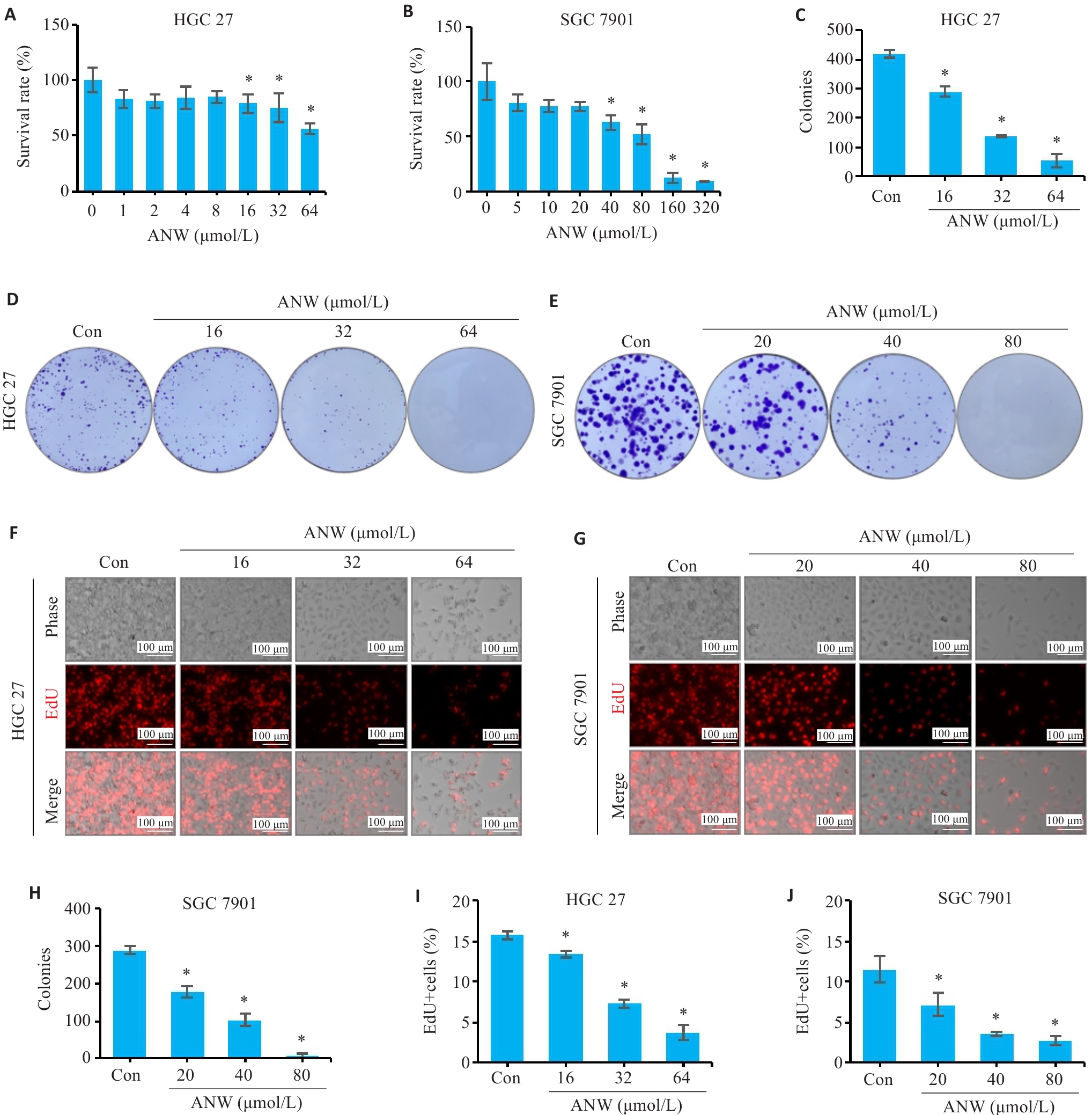
Fig.1 Effect of ANW on proliferation of gastric cancer cells in vitro. A, B: Cell viability detected by CCK-8 assay. C-E, H: Colony formation assay. F, G, I, J: EdU assay for evaluating cell proliferation. *P<0.05 vs Control (0 μmol/L). ANW: Anwulignan; Con: Control; EdU: 5-ethynyl-2'-deoxyuridine.
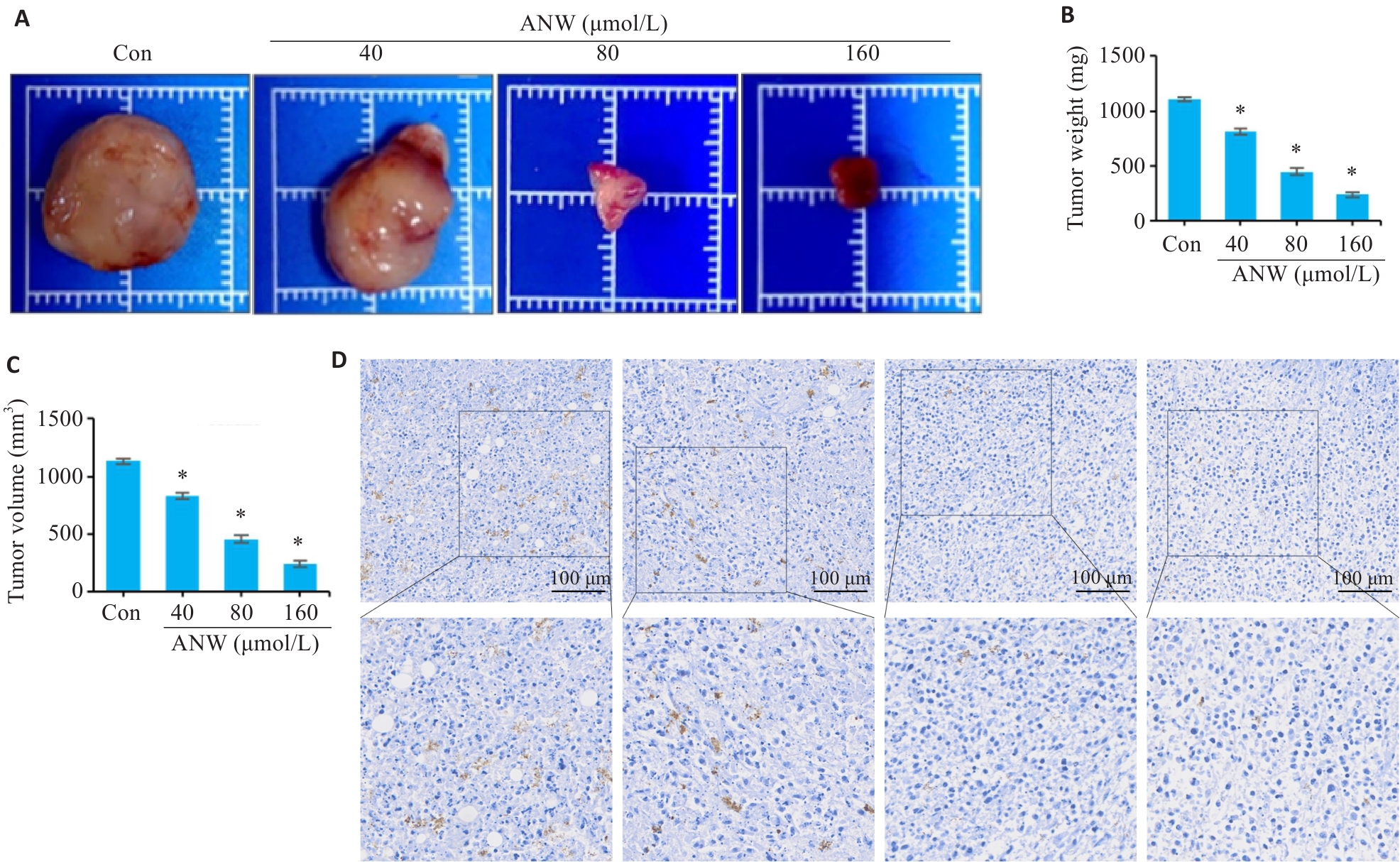
Fig.2 Inhibitory effect of ANW on xenograft tumor growth in nude mice. A-C: Tumor volume and weight. D: Representative images and quantitative analysis of Ki-67 staining. *P<0.05 vs Control (0 μmol/L).
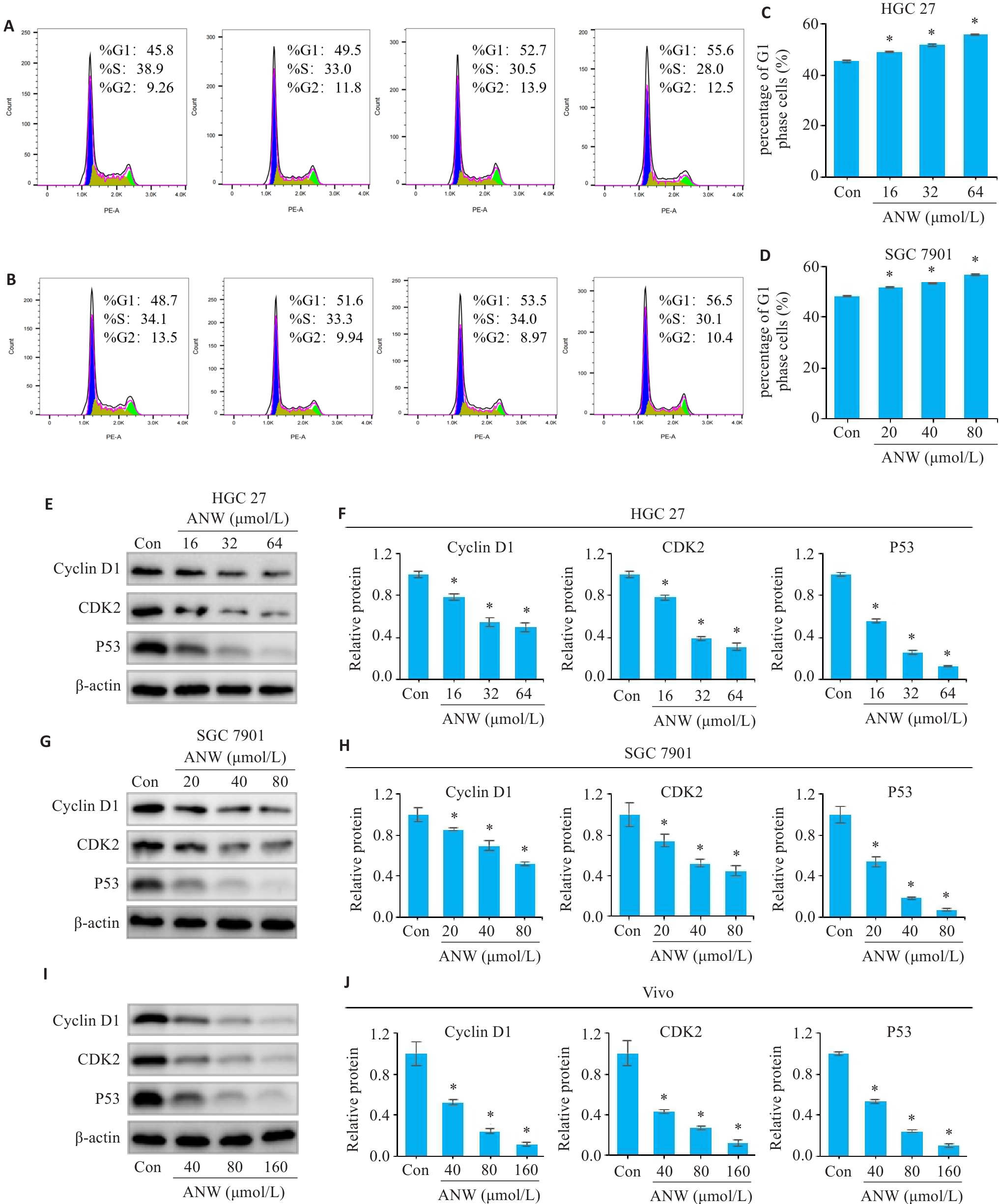
Fig.3 Effect of ANW on cell cycle in gastric cancer cells'. A-D: Flow cytometric analysis of cell cycle distribution. E-H: Western blotting analysis of cyclin D1, CDK2, and P53 protein expression in gastric cancer cell lines HGC 27 and SGC 7901. I, J: Western blotting analysis of cyclin D1, CDK2, and P53 protein expression in mouse xenografts. *P<0.05 vs Control (0 μmol/L). Cyclin-D1: G1/S-specific cyclin-D1; CDK2: Cyclin-dependent kinase 2; P53: Tumor protein p53; β-actin: Beta actin.
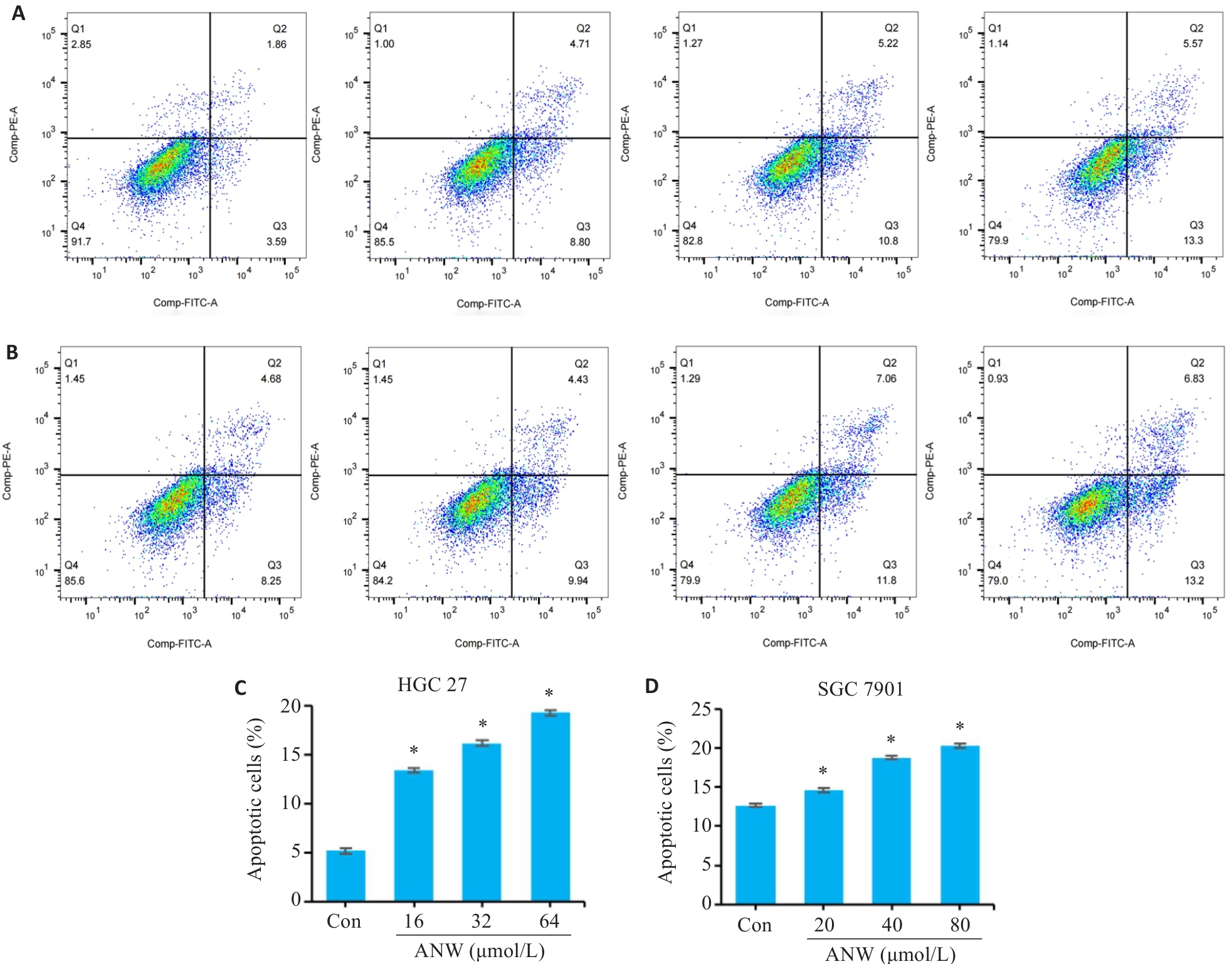
Fig.4 Flow cytometric analysis of the effects of ANW on apoptosis in gastric cancer cells. A-D: Cell aspoptosis rates detected by flow cytometry. *P<0.05 vs Control (0 μmol/L).
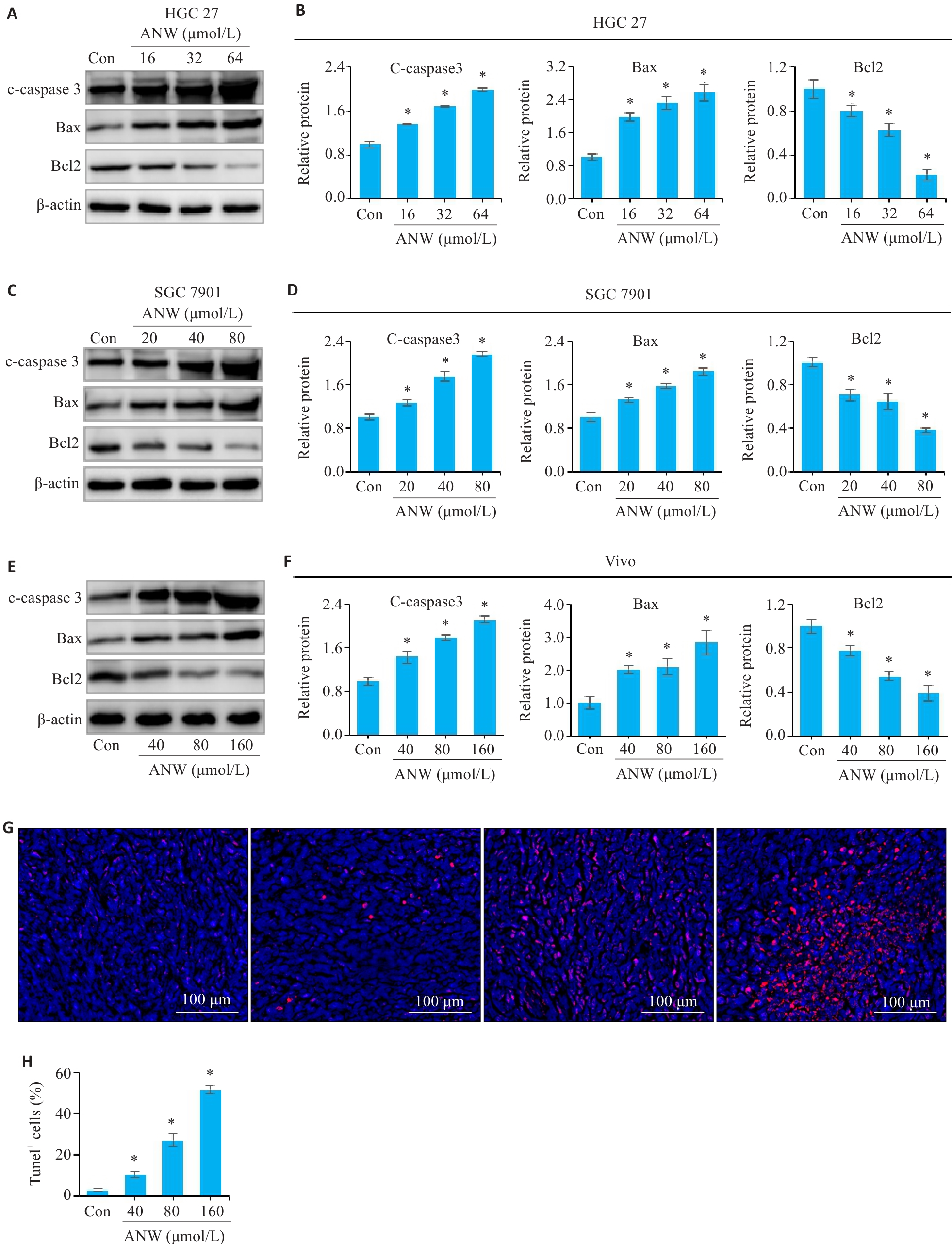
Fig.5 Western blotting and TUNEL analysis of the effects of ANW on apoptosis in gastric cancer cells. A-D: Western blotting analysis of apoptosis-related proteins gastric cancer cells in vitro. E, F: Western blotting analysis of apoptosis-related proteins in mouse xenografts. G, H: TUNEL staining of xenograft tissues. *P<0.05 vs Control (0 μmol/L).
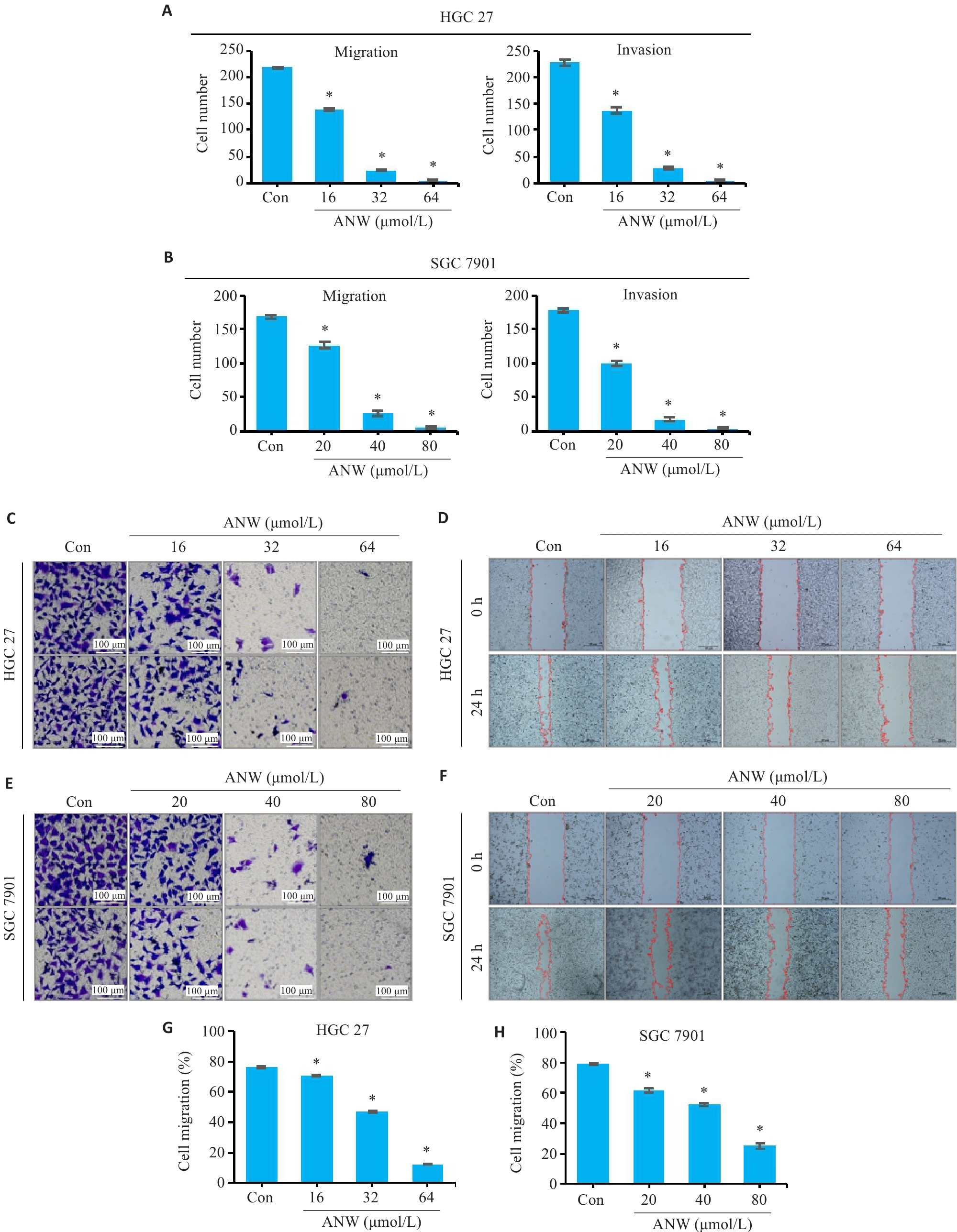
Fig.6 Transwell and wound healing assays of migration and invasion in ANW-treated gastric cancer cells. A-C, E: Transwell migration and invasion assay. D, F, G, H: Wound healing assay. *P<0.05 vs Control (0 μmol/L).
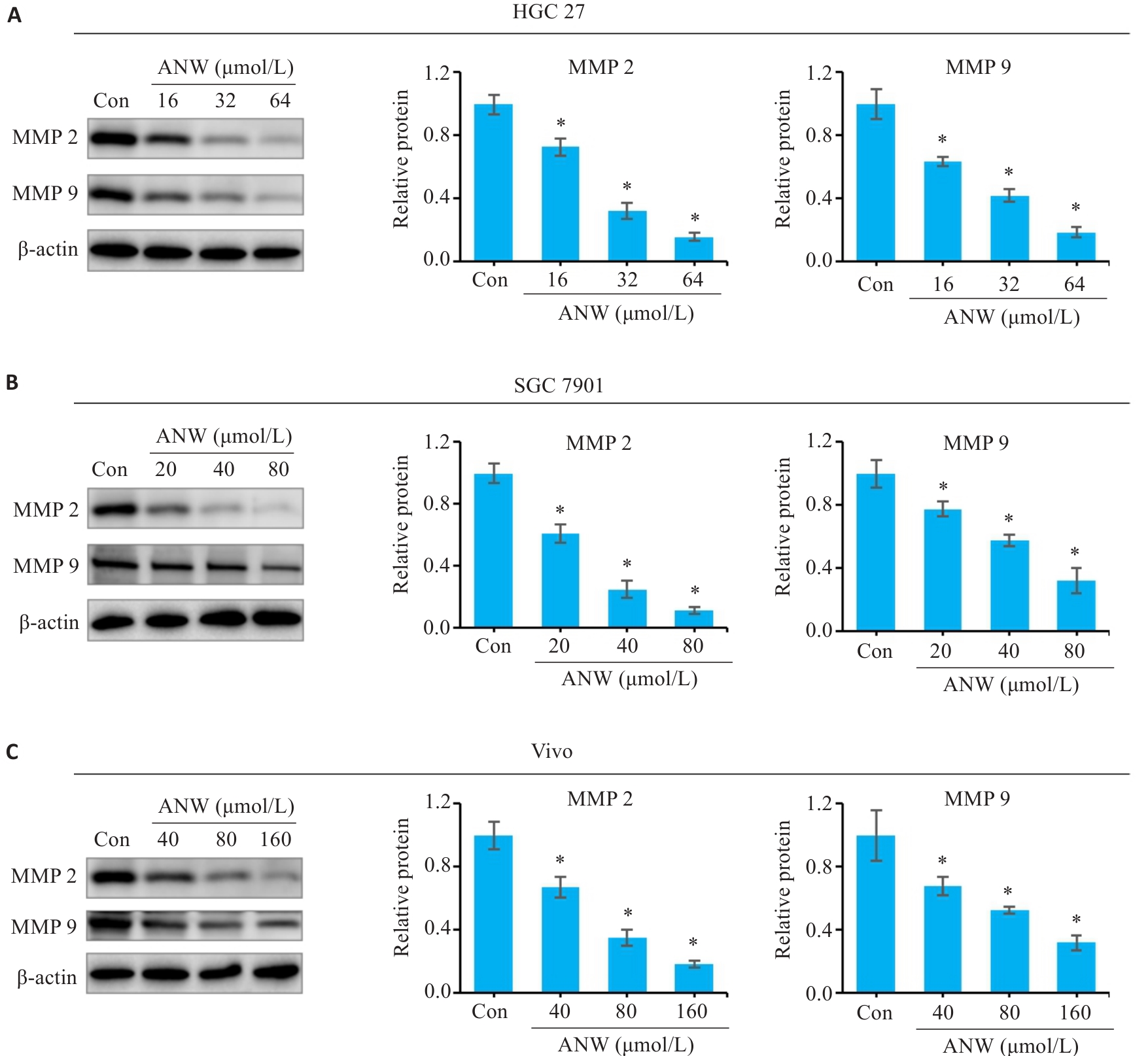
Fig.7 Western blotting for evaluating the effects of ANW on migration and invasion in gastric cancer cells. A, B: Western blotting and quantification of MMP2 and MMP9 expressions in gastric cancer cells in vitro. C: Western blotting and quantification of MMP2 and MMP9 expressions in mouse xenografts. *P<0.05 vs Control (0 μmol/L). MMP2: Matrix Metalloproteinase 2; MMP9: Matrix Metalloproteinase 9.
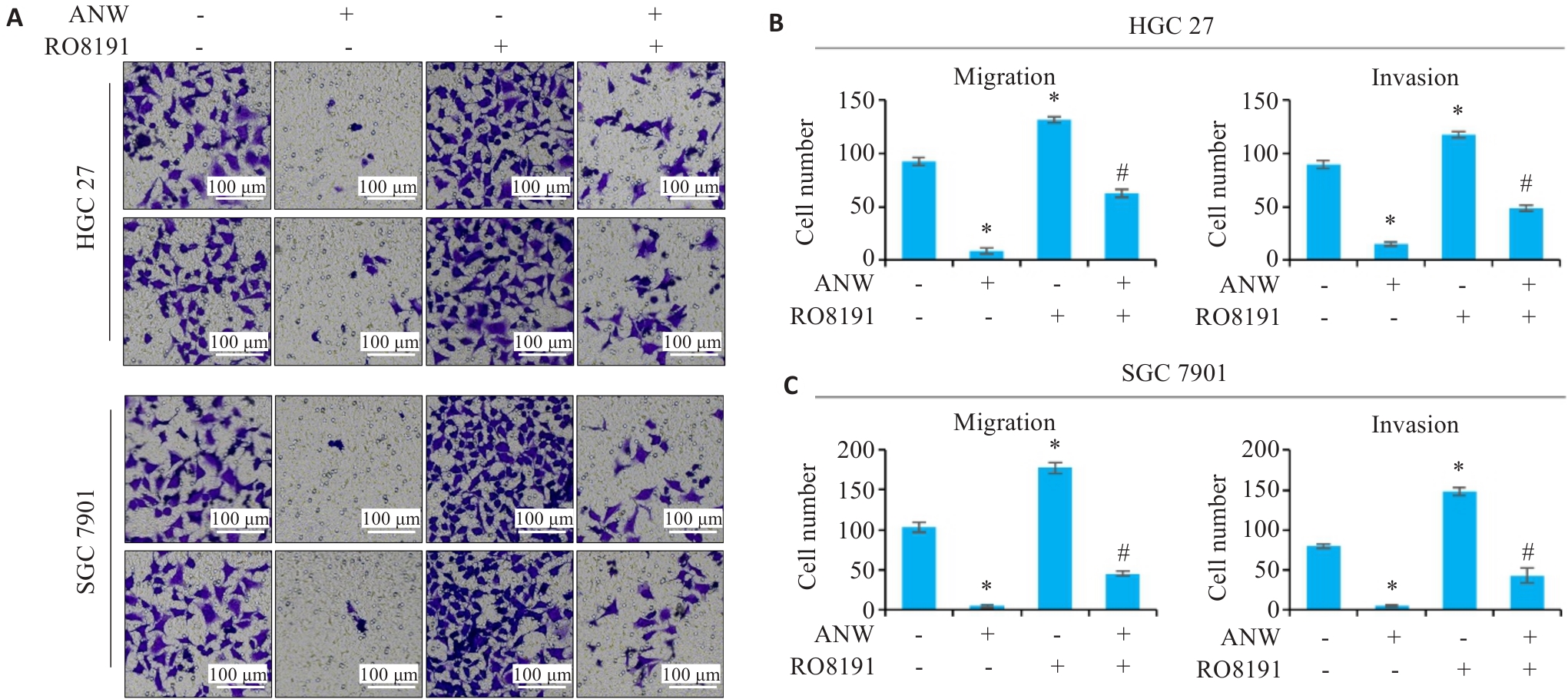
Fig.8 Transwell analysis of the effects of RO8191 on the inhibitory action of ANW on malignant phenotype and EMT in gastric cancer cells. A-C: Transwell migration and invasion assay. *P<0.05 vs Control; #P<0.05 vs ANW.
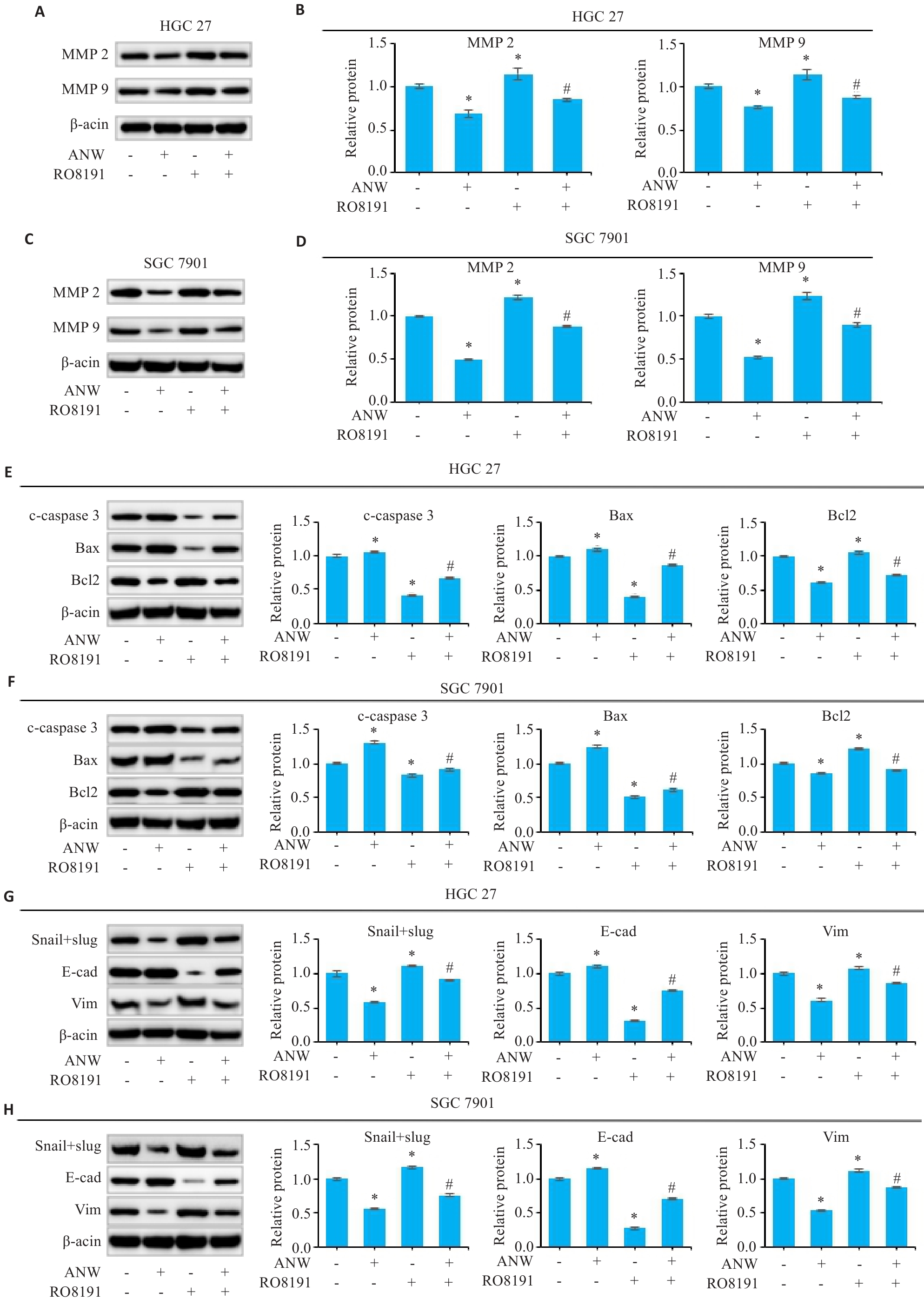
Fig.9 Western blotting analysis of the effects of RO8191 on the inhibitory action of ANW on malignant phenotype and EMT in gastric cancer cells. A-H: The expression of proteins related to migration, invasion, apoptosis, and EMT. *P<0.05 vs Control; #P<0.05 vs ANW.
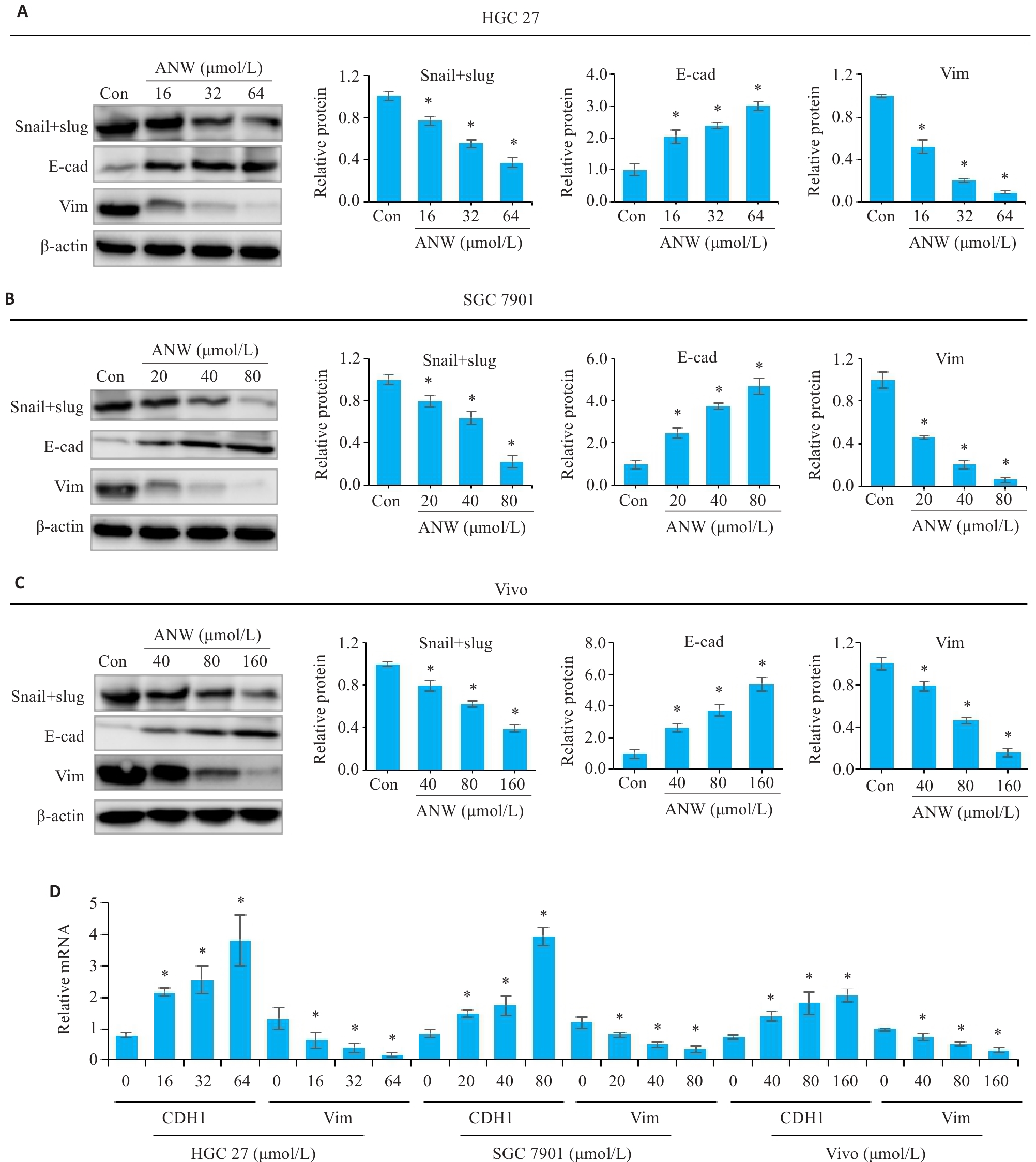
Fig.10 Effect of ANW on epithelial-mesenchymal transition in gastric cancer cells. A-C: Western blotting of EMT-related proteins in vitro and in vivo. D: RT-qPCR analysis of EMT-related gene expression. *P<0.05 vs Control (0 μmol/L). Snail+slug: Snail family zinc finger transcription factors; E-cad: Epithelial cadherin; VIM: Vimentin; CDH1: Cadherin 1.
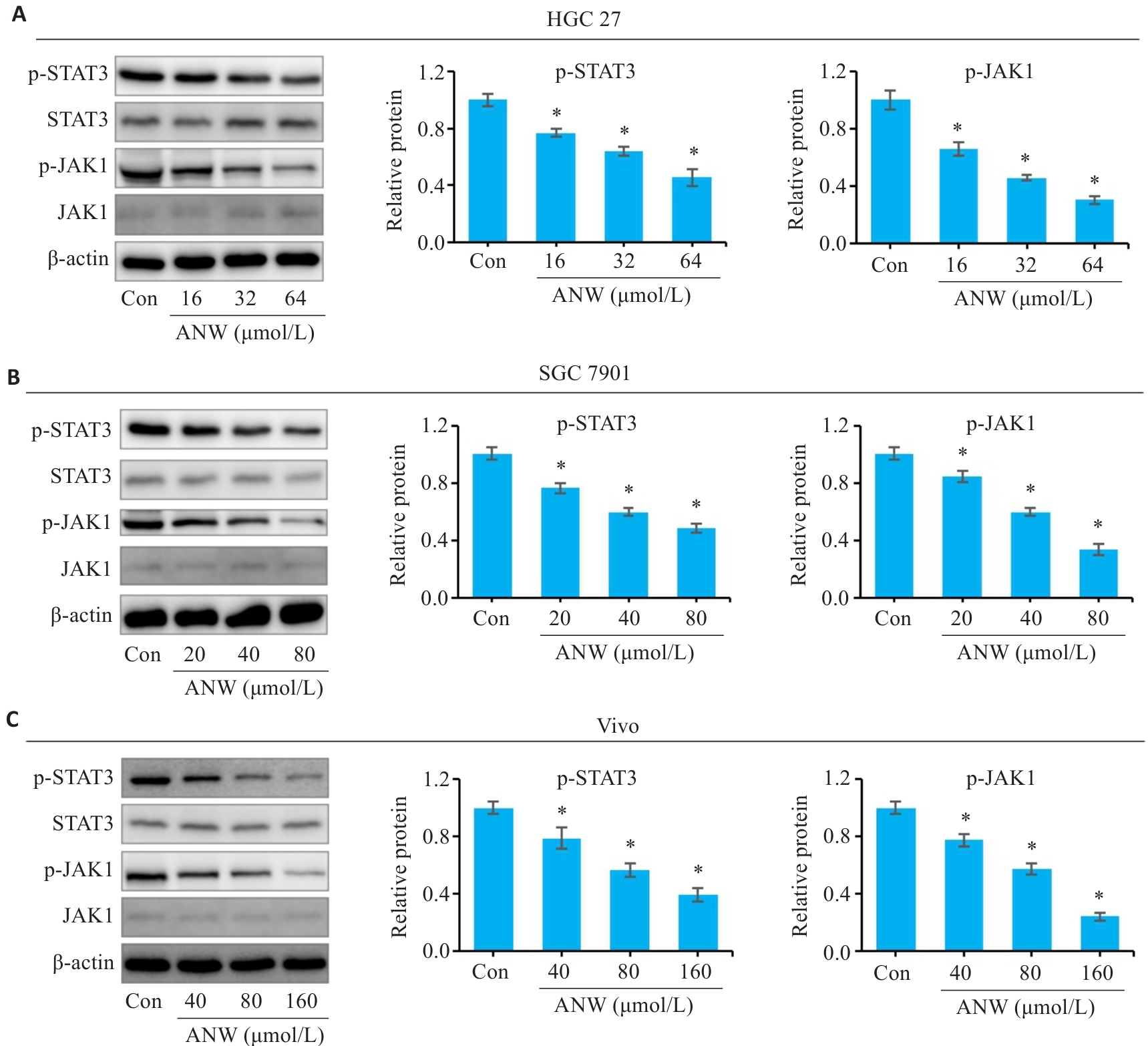
Fig.11 Effect of ANW on the JAK1/STAT3 signaling pathway. A, B: Western blotting of p-JAK1, JAK1, p-STAT3, and STAT3 in vitro. C: Western blotting analysis of pathway proteins in vivo. *P<0.05vs Control (0 μmol/L). p-STAT3: Phosphorylated signal transducer and activator of transcription 3; STAT3: Signal transducer and activator of transcription 3; p-JAK1: Phosphorylated Janus kinase 1; JAK1: Janus kinase 1.
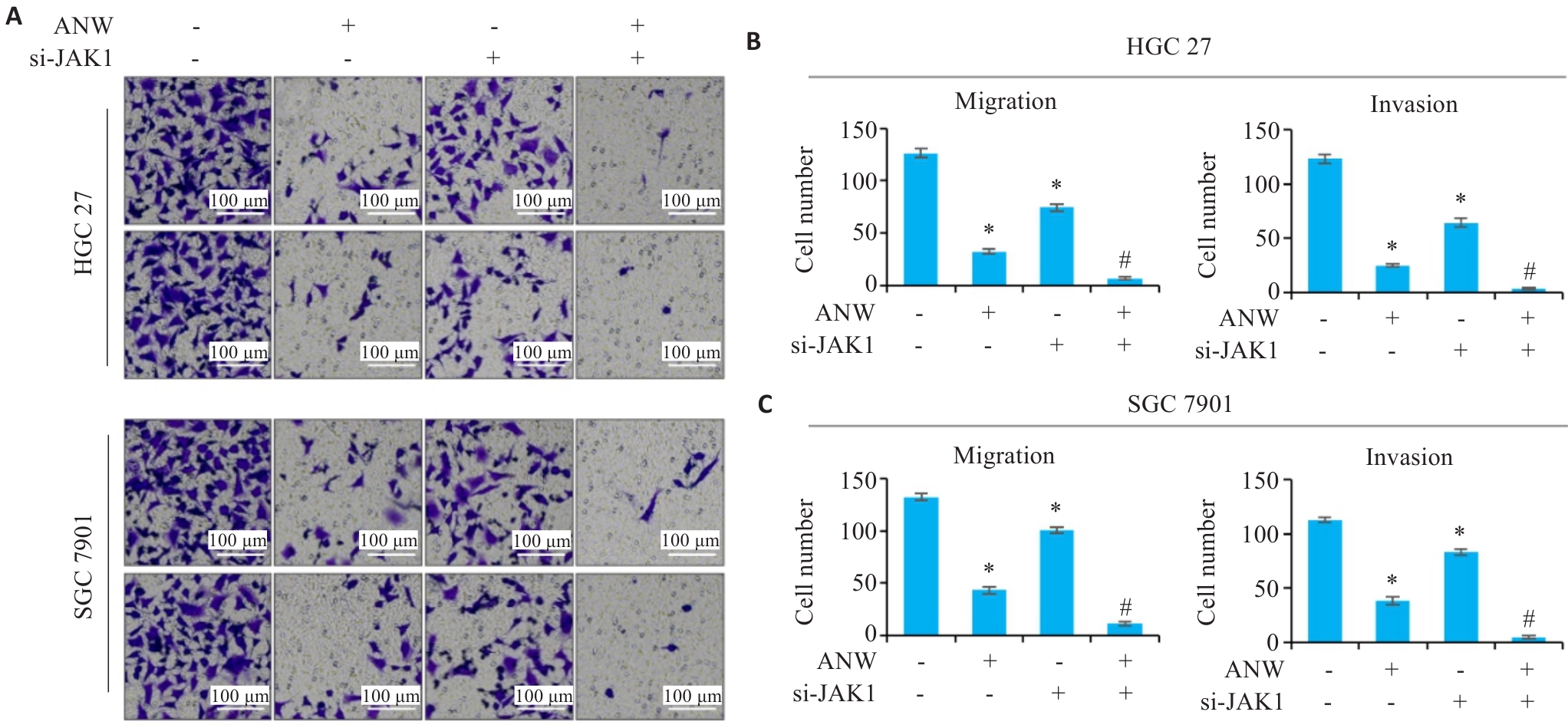
Fig.12 Transwell analysis of the effects of JAK1/STAT3 pathway silencing on the inhibitory action of ANW on malignant phenotype and EMT in gastric cancer cells. A-C: Transwell migration and invasion assay. *P<0.05 vs Control; #P<0.05 vs ANW.
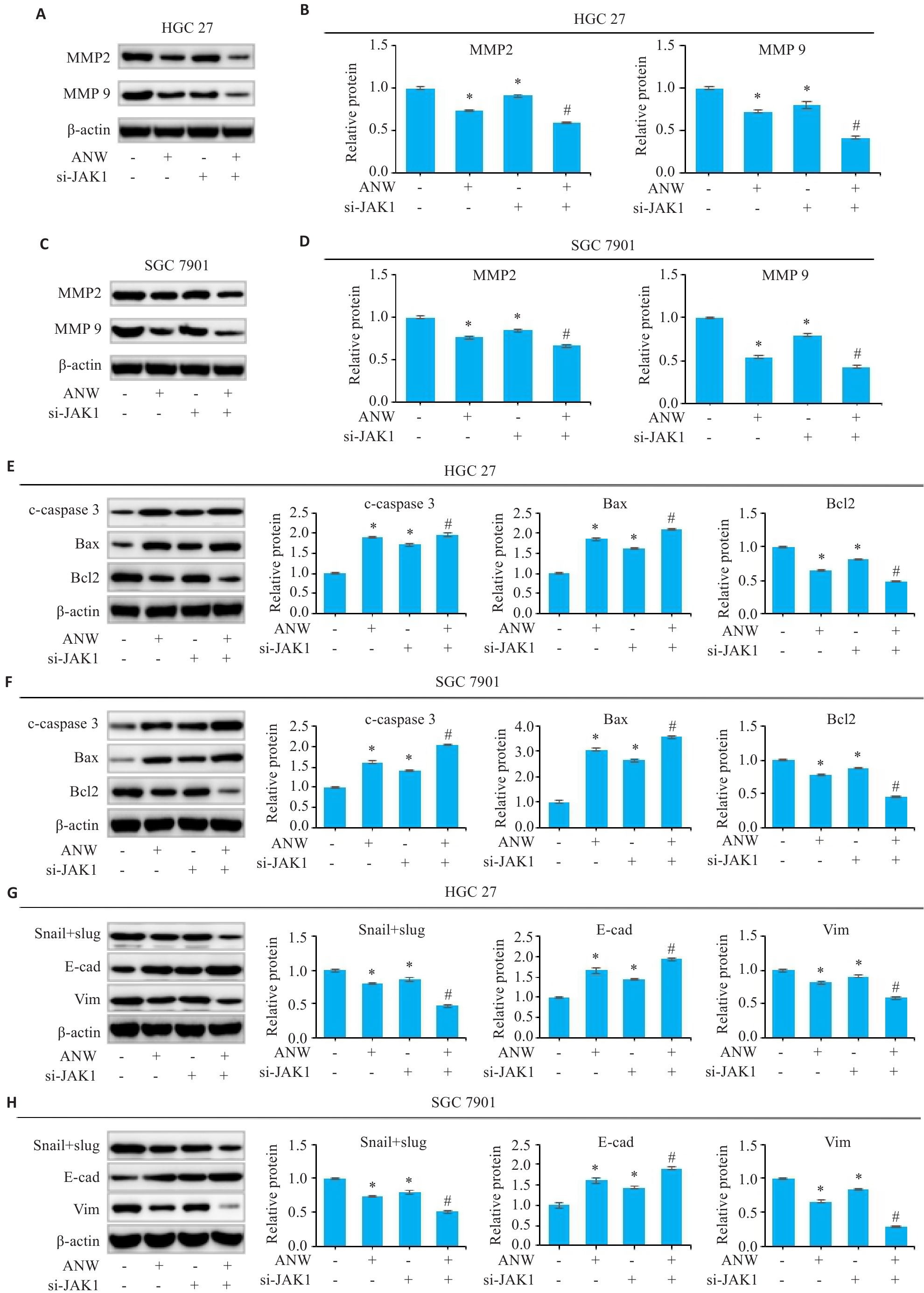
Fig.13 Western blotting of the effects of JAK1/STAT3 pathway silencing on the inhibitory action of ANW on malignant phenotype and EMT in gastric cancer cells. A-H: Expression of proteins related to migration, invasion, apoptosis, and EMT. *P<0.05 vs Control; #P<0.05 vs ANW.
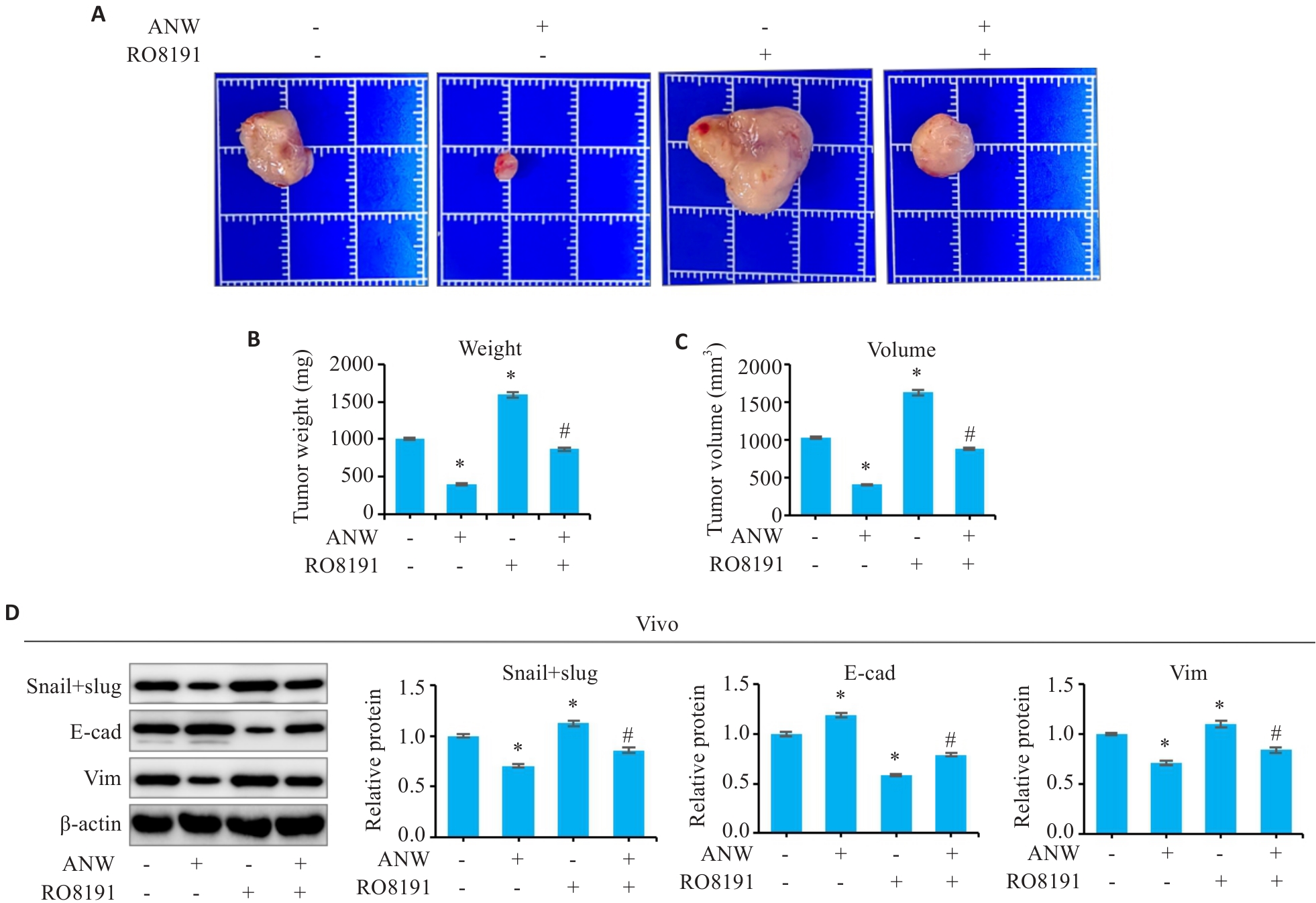
Fig.14 Validation of pathway mechanism in nude mice. A-C: Tumor volume and weight. D: Expression of proteins related to EMT. *P<0.05 vs Control; #P<0.05 vs ANW.
| [1] | Liu JH, Yuan QH, Guo H, et al. Deciphering drug resistance in gastric cancer: Potential mechanisms and future perspectives[J]. Biomed Pharmacother, 2024, 173: 116310. doi:10.1016/j.biopha.2024.116310 |
| [2] | Yang WJ, Zhao HP, Yu Y, et al. Updates on global epidemiology, risk and prognostic factors of gastric cancer[J]. World J Gastroenterol, 2023, 29(16): 2452-68. doi:10.3748/wjg.v29.i16.2452 |
| [3] | Marin JJG, Al-Abdulla R, Lozano E, et al. Mechanisms of resistance to chemotherapy in gastric cancer[J]. Anti Cancer Agents Med Chem, 2016, 16(3): 318-34. doi:10.2174/1871520615666150803125121 |
| [4] | Niu HK, Wang DX, Wen TT, et al. Anwuligan inhibits the progression of non-small cell lung cancer via let-7c-3p/PI3K/AKT/mTOR axis[J]. Cancer Med, 2023, 12(5): 5908-25. doi:10.1002/cam4.5382 |
| [5] | Zhou Y, Men LH, Sun YX, et al. Pharmacodynamic effects and molecular mechanisms of lignans from Schisandra chinensis Turcz. (Baill.), a current review[J]. Eur J Pharmacol, 2021, 892: 173796. doi:10.1016/j.ejphar.2020.173796 |
| [6] | Li ZM, Zhao LJ, Xia YS, et al. Schisandrin B attenuates hepatic stellate cell activation and promotes apoptosis to protect against liver fibrosis[J]. Molecules, 2021, 26(22): 6882. doi:10.3390/molecules26226882 |
| [7] | Peng Z. Role of epithelial-mesenchymal transition in gastric cancer initiation and progression[J]. World J Gastroenterol, 2014, 20(18): 5403. doi:10.3748/wjg.v20.i18.5403 |
| [8] | Wu XY, Tao P, Zhou Q, et al. IL-6 secreted by cancer-associated fibroblasts promotes epithelial-mesenchymal transition and metastasis of gastric cancer via JAK2/STAT3 signaling pathway[J]. Oncotarget, 2017, 8(13): 20741-50. doi:10.18632/oncotarget.15119 |
| [9] | Wang S, Sun ZM, Wang C, et al. The JAK1/STAT3 pathway mediates the effects of SERPINH1 on glioma EMT[J]. Int Immunopharmacol, 2025, 157: 114731. doi:10.1016/j.intimp.2025.114731 |
| [10] | Fu L, Wei LW, Zhao MD, et al. Investigation of JAKs/STAT-3 in lipopolysaccharide-induced intestinal epithelial cells[J]. Clin Exp Immunol, 2016, 186(1): 75-85. doi:10.1111/cei.12835 |
| [11] | Chen ZD, Zhang PF, Xi HQ, et al. Recent advances in the diagnosis, staging, treatment, and prognosis of advanced gastric cancer: a literature review[J]. Front Med, 2021, 8: 744839. doi:10.3389/fmed.2021.744839 |
| [12] | 郭元吉, 周建霞, 林 燕. 晚期胃癌化疗及免疫治疗药物的研究进展[J]. 新疆中医药, 2025, 43(2): 174-7. |
| [13] | 乔永志,刘江. 中草药对胃癌防御与治疗的研究概述[C]// 中国药学会医院药学专业委员会. 第七届中国药学会医院肿瘤药学大会论文集, 2018: 262-3. |
| [14] | Song Y, Zhao H, Yu RZ, et al. Wogonin suppresses proliferation, invasion and migration in gastric cancer cells via targeting the JAK-STAT3 pathway[J]. Sci Rep, 2024, 14: 30803. doi:10.1038/s41598-024-81196-2 |
| [15] | Cui MH, Yao GY, Zhang YY, et al. The molecular mechanisms of C Aulophyllum robustum Maxim extract inhibition by regulating FAK/PI3K signaling pathway in gastric cancer HGC-27 cells[J]. J Ethnopharmacol, 2025, 337: 118867. doi:10.1016/j.jep.2024.118867 |
| [16] | Yang ZZ, Liu HT, Song YS, et al. Luteolin enhances drug chemosensitivity by downregulating the FAK/PI3K/AKT pathway in paclitaxel-resistant esophageal squamous cell carcinoma[J]. Int J Mol Med, 2024, 54(3). DOI:10.3892/ijmm.2024.5401 . |
| [17] | Pisano M, Pagnan G, Loi M, et al. Antiproliferative and pro-apoptotic activity of eugenol-related biphenyls on malignant melanoma cells[J]. Mol Cancer, 2007, 6(1): 8. doi:10.1186/1476-4598-6-8 |
| [18] | Li GZ, Doherty GM, Wang JP. Surgical management of gastric cancer: a review[J]. JAMA Surg, 2022, 157(5): 446. doi:10.1001/jamasurg.2022.0182 |
| [19] | Yi FY, Chen NZ, Zhao MY, et al. Dehydrodiisoeugenol targets NOD2 exerting dual effects against colitis and colorectal cancer: a double-edged sword[J]. Mol Med, 2025, 31(1): 221. doi:10.1186/s10020-025-01193-7 |
| [20] | Sokolova O, Naumann M. Matrix metalloproteinases in Helicobacter pylori–associated gastritis and gastric cancer[J]. Int J Mol Sci, 2022, 23(3): 1883. doi:10.3390/ijms23031883 |
| [21] | Kee JY, Han YH, Mun JG, et al. Gomisin a suppresses colorectal lung metastasis by inducing AMPK/p38-mediated apoptosis and decreasing metastatic abilities of colorectal cancer cells[J]. Front Pharmacol, 2018, 9: 986. doi:10.3389/fphar.2018.00986 |
| [22] | Kölbl A, Jeschke U, Andergassen U. The significance of epithelial-to-mesenchymal transition for circulating tumor cells[J]. Int J Mol Sci, 2016, 17(8): 1308. doi:10.3390/ijms17081308 |
| [23] | Siegel R, Naishadham D, Jemal A. Cancer statistics, 2013[J]. CA A Cancer J Clin, 2013, 63(1): 11-30. doi:10.3322/caac.21166 |
| [24] | Kozak J, Forma A, Czeczelewski M, et al. Inhibition or reversal of the epithelial-mesenchymal transition in gastric cancer: pharmacological approaches[J]. Int J Mol Sci, 2021, 22(1): 277. doi:10.3390/ijms22010277 |
| [25] | Zhang J, Wang P, Ouyang HQ, et al. Targeting cancer-related inflammation: Chinese herbal medicine inhibits epithelial-to-mesenchymal transition in pancreatic cancer[J]. PLoS One, 2013, 8(7): e70334. doi:10.1371/journal.pone.0070334 |
| [26] | Shan FY, Sun LT, Zhang LY, et al. Inhibition to epithelial-mesenchymal transition and metastatic potential in colorectal cancer cell by combination of traditional Chinese medicine formulation Jiedu sangen decoction and PD-L1 inhibitor[J]. Integr Cancer Ther, 2020, 19: 1534735420972486. doi:10.1177/1534735420972486 |
| [27] | Cheng H, Shao YJ, Zhang A, et al. Interleukin-7 enhances recruitment of MDSCs by regulating MCP-1 via JAK1/STAT3 signaling pathway in non-small cell lung cancer[J]. Sci Rep, 2025, 15: 16869. doi:10.1038/s41598-025-01868-5 |
| [28] | Tan X, Ma XF, Dai YF, et al. A large-scale transcriptional analysis reveals herb-derived ginsenoside F2 suppressing hepatocellular carcinoma via inhibiting STAT3[J]. Phytomedicine, 2023, 120: 155031. doi:10.1016/j.phymed.2023.155031 |
| [29] | Jin W. Role of JAK/STAT3 signaling in the regulation of metastasis, the transition of cancer stem cells, and chemoresistance of cancer by epithelial–mesenchymal transition[J]. Cells, 2020, 9(1): 217. doi:10.3390/cells9010217 |
| [30] | Xie XM, Wang XY, Shi XD, et al. Anwulignan is a novel JAK1 inhibitor that suppresses non-small cell lung cancer growth[J]. J Cell Mol Med, 2021, 25(5): 2645-54. doi:10.1111/jcmm.16289 |
| [31] | Wang CY, Qin F, Wang CG, et al. Novel lignans from Zanthoxylum nitidum and antiproliferation activity of sesaminone in osimertinib-resistant non-small cell lung cancer cells[J]. Bioorg Chem, 2023, 134: 106445. doi:10.1016/j.bioorg.2023.106445 |
| [32] | Wu LR, Qian CC, Zhang WQ, et al. Ginkgetin suppresses ovarian cancer growth through inhibition of JAK2/STAT3 and MAPKs signaling pathways[J]. Phytomedicine, 2023, 116: 154846. doi:10.1016/j.phymed.2023.154846 |
| [33] | Ahmed EA. The potential therapeutic role of beta-caryophyllene as a chemosensitizer and an inhibitor of angiogenesis in cancer[J]. Molecules, 2025, 30(8): 1751. doi:10.3390/molecules30081751 |
| [1] | Zhanfa XU, Zhenyue CHEN, Liping XIE, Xinyi LI, Genggeng QIN, Jie GAO. Jianwei Shoutai Pill reduces spontaneous abortion in mice by inhibiting Exo-miR-410-3p uptake and promoting trophoblast epithelial-mesenchymal transition, migration, and invasion [J]. Journal of Southern Medical University, 2026, 46(9): 2006-2022. |
| [2] | Liping HUANG, Yu SHAO, Wanbing ZHOU, Jingping HE. Hepatocellular carcinoma-derived lactate-mediated histone H3K18 lactylation modifies S100A2 transcription to promote proliferation, migration, invasion and epithelial-mesenchymal transition of hepatocellular carcinoma cells [J]. Journal of Southern Medical University, 2026, 46(9): 2056-2068. |
| [3] | Baofeng ZHAO, Xueying TAN, Xuewen LIANG, Yuyao PAN, Jiangshui YUAN, Weiqing SONG. MIS18BP1 regulates epithelial-mesenchymal transition, proliferation, and migration of renal cancer cells via the PI3K/AKT pathway [J]. Journal of Southern Medical University, 2026, 46(9): 2159-2172. |
| [4] | Baichao LI, Bingzhe WANG, Xianghui MEI, Ye TIAN, Liang HAN, Jiuna ZHANG. Phosphatidylinositol glycan anchor biosynthesis class T promotes malignant phenotype of colon cancer through the NF-κB signaling pathway [J]. Journal of Southern Medical University, 2026, 46(9): 2173-2184. |
| [5] | Bingyi HUANG, Yujie GAO, Jingyi XIE, Chen YAN, Mengru GU, Zhizhi ZHANG, Jintao GUO, Song LIU, Ziliang WANG, Yuping YANG, Lugen ZUO, Deli CHEN. Prognostic value of palmitoyl-protein thioesterase-1 in gastric cancer and its regulatory role in tumor cell lipid metabolism [J]. Journal of Southern Medical University, 2026, 46(8): 1915-1925. |
| [6] | Yijie XI, Yuxuan LI, Lifan LIN, Lu CHEN, Xin YUAN, Liying ZHAO, Hao LIU, Tian LIN, Mingli ZHAO, Wu ZHONG, Yanfeng HU, Weihong GUO. Reflections on surgical management strategies for locally advanced gastric cancer after neoadjuvant immunotherapy [J]. Journal of Southern Medical University, 2026, 46(8): 1981-1992. |
| [7] | Baolong DONG, Jiangshan PENG, Jinru LI, Yun MENG, Xiaojun YANG. Overexpression of miR-593-5p inhibits migration, invasion and proliferation and promotes apoptosis of gastric cancer cells by targeting PLK1 [J]. Journal of Southern Medical University, 2026, 46(4): 871-879. |
| [8] | Yuhuang WANG, Wenrui WANG, Shujie CHENG, Yunlong FENG, Zhuo ZHANG, Qiying SHI, Yujia LI, Qianwen HU, Mingcai WU. Quercetin inhibits proliferation and migration and promotes apoptosis of gastric cancer cells by promoting phosphorylation-mediated YAP inactivation [J]. Journal of Southern Medical University, 2026, 46(2): 374-384. |
| [9] | Qiang WANG, Zhixin CHAI, Yulu DENG, Zhiwei ZHANG, Ying GONG, Sheng GAO, Pingfeng FENG. cGAS-STING agonist cGAMP enhances natural killer cell-mediated cytotoxicity against gastric cancer cells [J]. Journal of Southern Medical University, 2026, 46(2): 434-442. |
| [10] | Yanyu LI, Chen LI, Chuanjun DAI, Runzhi GUO, Haoyu HAN, Linming LU, Fangfang ZHOU, Hui ZHI. Antitumor component-Ι in Agkistrodon halys venom inhibits proliferation and migration of cisplatin-resistant gastric cancer cells by downregulating RAI14 [J]. Journal of Southern Medical University, 2026, 46(1): 113-121. |
| [11] | Siyuan MA, Bochao ZHANG, Chun PU. Circ_0000437 promotes proliferation, invasion, migration and epithelial-mesenchymal transition of breast cancer cells by targeting the let-7b-5p/CTPS1 axis [J]. Journal of Southern Medical University, 2025, 45(8): 1682-1696. |
| [12] | Ziliang WANG, Xiaohua CHEN, Jingjing YANG, Chen YAN, Zhizhi ZHANG, Bingyi HUANG, Meng ZHAO, Song LIU, Sitang GE, Lugen ZUO, Deli CHEN. High expression of SURF4 promotes migration, invasion and proliferation of gastric cancer cells by inhibiting tight junction proteins [J]. Journal of Southern Medical University, 2025, 45(8): 1732-1742. |
| [13] | Xinyuan CHEN, Chengting WU, Ruidi LI, Xueqin PAN, Yaodan ZHANG, Junyu TAO, Caizhi LIN. Shuangshu Decoction inhibits growth of gastric cancer cell xenografts by promoting cell ferroptosis via the P53/SLC7A11/GPX4 axis [J]. Journal of Southern Medical University, 2025, 45(7): 1363-1371. |
| [14] | Xuan WU, Jiamin FANG, Weiwei HAN, Lin CHEN, Jing SUN, Qili JIN. High PRELID1 expression promotes epithelial-mesenchymal transition in gastric cancer cells and is associated with poor prognosis [J]. Journal of Southern Medical University, 2025, 45(7): 1535-1542. |
| [15] | Xinrui HOU, Zhendong ZHANG, Mingyuan CAO, Yuxin DU, Xiaoping WANG. Salidroside inhibits proliferation of gastric cancer cells by regulating the miR-1343-3p-OGDHL/PDHB glucose metabolic axis [J]. Journal of Southern Medical University, 2025, 45(6): 1226-1239. |
| Viewed | ||||||
|
Full text |
|
|||||
|
Abstract |
|
|||||
