
南方医科大学学报 ›› 2026, Vol. 46 ›› Issue (8): 1936-1946.doi: 10.12122/j.issn.1673-4254.2026.08.21
• • 上一篇
张雨1( ), 孙康1, 刘举达1, 王舒晗1, 裴静2()
收稿日期:2025-12-04
出版日期:2026-08-20
发布日期:2026-08-01
通讯作者:
裴静
E-mail:doctorzhang0146@163.com;Peijing@ahmu.edu.cn
作者简介:张 雨,副主任医师,E-mail: doctorzhang0146@163.com
基金资助:
Yu ZHANG1(), Kang SUN1, Juda LIU1, Shuhan WANG1, Jing PEI2()
Received:2025-12-04
Online:2026-08-20
Published:2026-08-01
Contact:
Jing PEI
E-mail:doctorzhang0146@163.com;Peijing@ahmu.edu.cn
摘要:
目的 探究中药复方消核冲剂(XHGs)通过调控ASK1/MKK4/JNK信号通路促进细胞凋亡改善乳腺增生机制。 方法 苯甲酸雌二醇(0.5 mg·kg-1·d-1)和孕酮(5 mg·kg-1·d-1)肌肉注射未孕雌性SD大鼠构建乳腺增生模型,设置分组:对照组、模型组、低、中、高剂量消核冲剂灌胃组、高剂量消核冲剂加GS-444217灌胃组。分组给药处理后,记录乳头高度、直径,子宫指数;HE染色观察乳腺结构变化;免疫组化染色检测Ki-67和caspase-3蛋白表达;TUNEL染色检测组织凋亡;ELISA检测血清中E2、P、PRL、FSH、IL-1β和TNF-α的表达;RT-qPCR和Western blotting检测ASK1/MKK4/JNK及凋亡相关蛋白表达。 结果 结果显示模型组较对照组,乳房直径和乳头高度及子宫指数增加(P<0.05);乳腺组织腺泡明显增生、导管显著扩张及炎性细胞浸润明显增多;Ki-67表达增加,caspase-3降低(P<0.05);细胞凋亡降低(P<0.01);E2、P、PRL、FSH、IL-1β和TNF-α水平也显著升高;Bcl-2表达升高,caspase-3、Bax降低;p-ASK1/ASK1、p-MKK4/MKK4、p-JNK/JNK、caspase-3和Bax蛋白降低,Bcl-2蛋白表达升高(P<0.01)。而给予消核冲剂治疗后,逆转了各指标的变化,且呈现出浓度依赖性改善(P<0.01)。同时GS-444217和XHGs-H灌胃处理组相较于XHGs-H又逆转了XHGs的改善效果。 结论 XHGs通过激活ASK1/MKK4/JNK信号通路促进乳腺增生细胞凋亡改善大鼠乳腺增生。
张雨, 孙康, 刘举达, 王舒晗, 裴静. 消核冲剂激活ASK1/MKK4/JNK通路促进乳腺上皮细胞凋亡改善大鼠乳腺增生分子机制[J]. 南方医科大学学报, 2026, 46(8): 1936-1946.
Yu ZHANG, Kang SUN, Juda LIU, Shuhan WANG, Jing PEI. Xiaohe Granule improves breast hyperplasia in rats by promoting mammary epithelial cell apoptosis via activating the ASK1/MKK4/JNK signaling pathway[J]. Journal of Southern Medical University, 2026, 46(8): 1936-1946.
| Gene name Upstream primer (5'-3') Downstream primer (5'-3') | Product size (bp) |
|---|---|
Rat-caspase3 AACTCTTCATCATTCAGGCCT CCATATCATCGTCAGTTCCAC Rat-Bcl-2 CCGGGACGCGAAGTGCTATT GGGCGCGGAGTCTTCATCTC Rat-Bax CCCAGGACGCATCCACCAAG TGTCAGCTGCCACACGGAAG Rat-β-actin GTCCACCCGCGAGTACAACC CATACCCACCATCACACCCTGG | 81 165 144 208 |
表1 引物序列
Tab.1 Primer sequences for RT-qPCR
| Gene name Upstream primer (5'-3') Downstream primer (5'-3') | Product size (bp) |
|---|---|
Rat-caspase3 AACTCTTCATCATTCAGGCCT CCATATCATCGTCAGTTCCAC Rat-Bcl-2 CCGGGACGCGAAGTGCTATT GGGCGCGGAGTCTTCATCTC Rat-Bax CCCAGGACGCATCCACCAAG TGTCAGCTGCCACACGGAAG Rat-β-actin GTCCACCCGCGAGTACAACC CATACCCACCATCACACCCTGG | 81 165 144 208 |
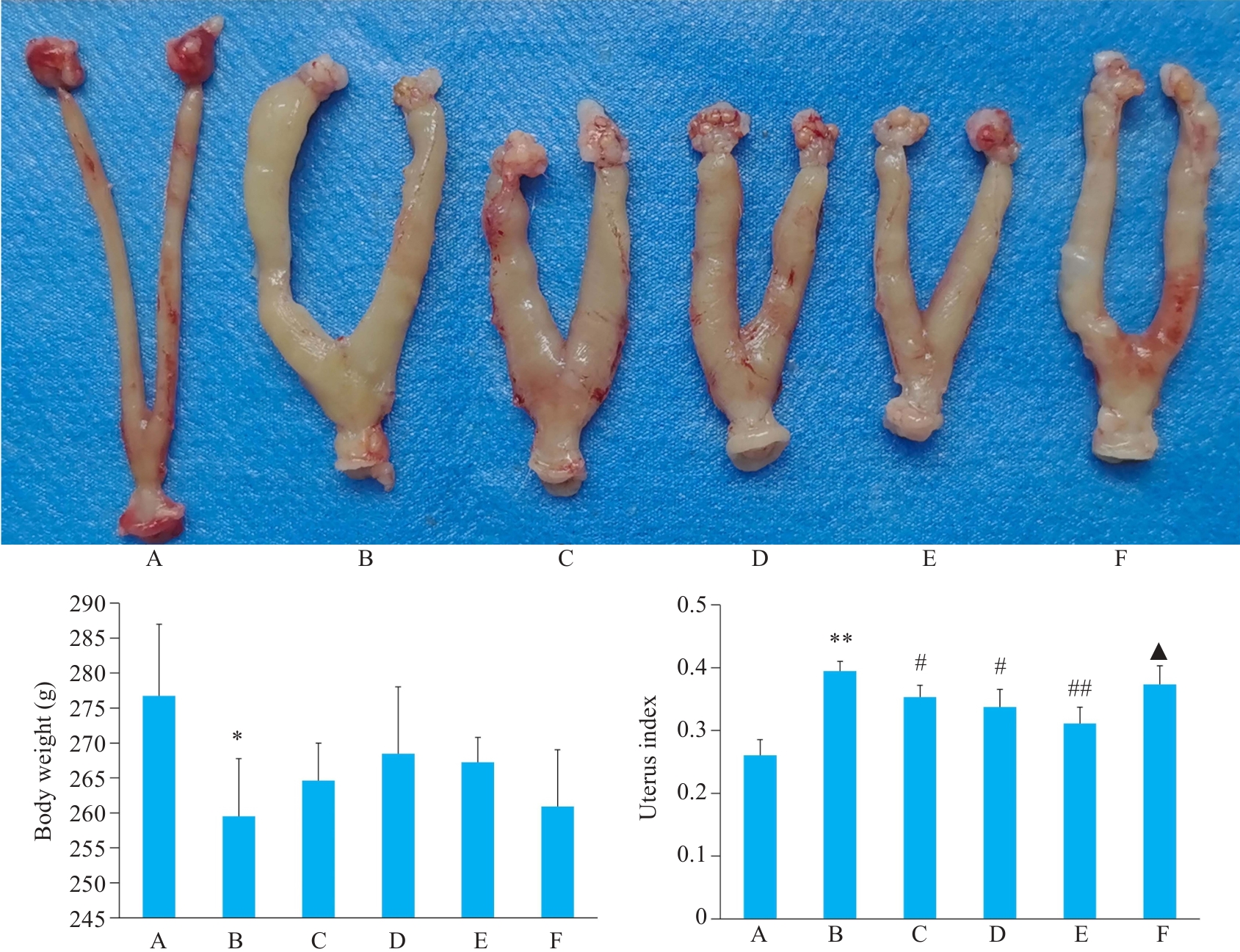
图1 各组大鼠子宫组织形态图及子宫指数的比较
Fig.1 Observation of the dissected uterine of the rats and comparison of body weight and uterine index among the 6 groups (Mean±SD, n=3). A: Control group; B: Model group; C: XHGs-L group; D: XHGs-M group; E: XHGs-H group; F: XHGs-H+GS-444217 group. *P<0.05, **P<0.01 vs Control group; #P<0.05, ##P<0.01 vs model group; ▲P<0.01 vs XHGs-H group.
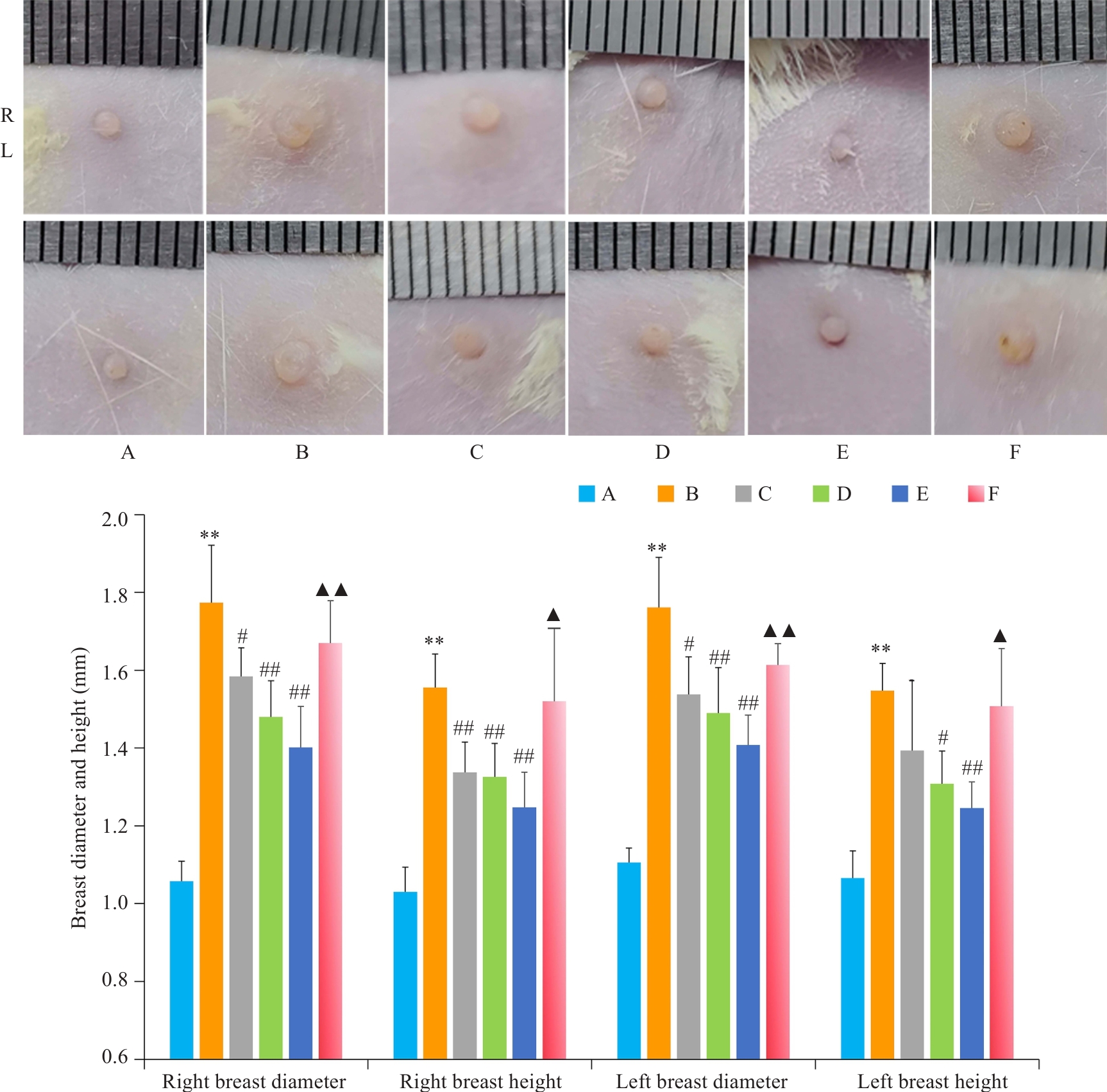
图2 各组大鼠左右乳腺组织大小形态图及左右乳房高度和直径的比较
Fig.2 Left and right mammary tissue size and morphology of the rats in each group and comparison of breast height and diameter among the 6 groups (Mean±SD, n=3). **P<0.01 vs Control group; #P<0.05, ##P<0.01 vs Model group; ▲P<0.05, ▲▲P<0.01 vs XHGs-H group.
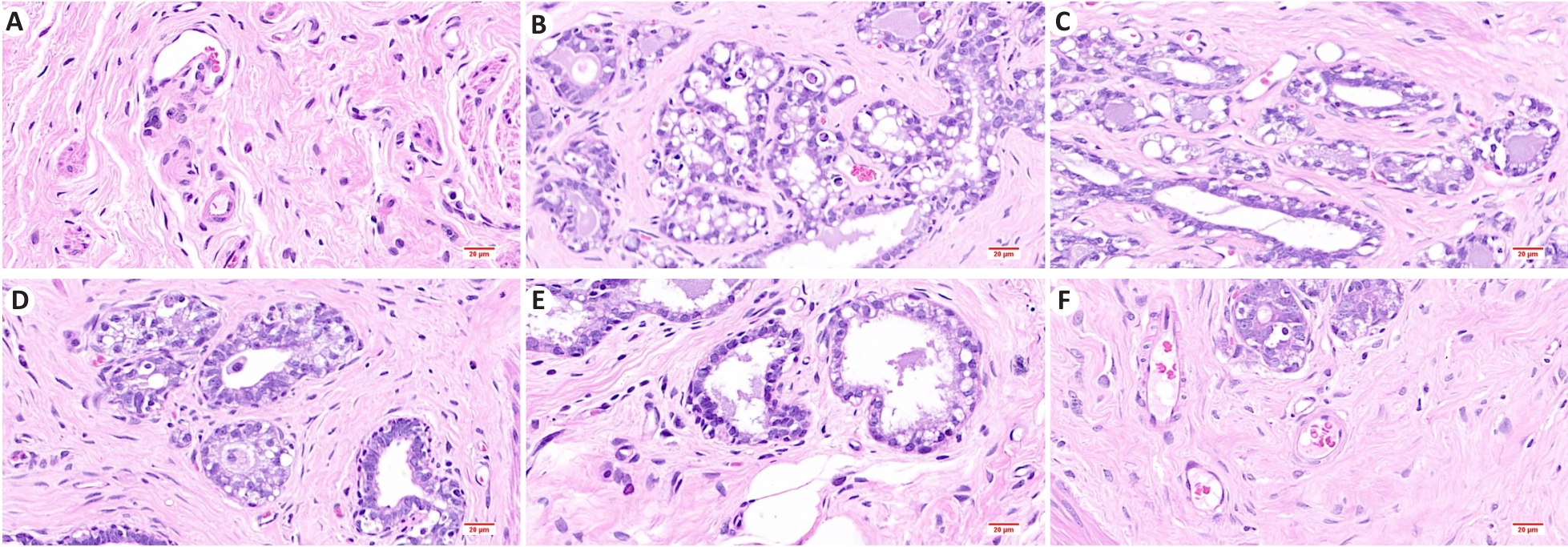
图3 大鼠乳腺组织病理HE染色
Fig.3 HE staining of rat mammary tissue in each group (Original magnification: ×400). A: Control group, B: Model group, C: XHGs-L group, D: XHGs-M group, E: XHGs-H group, F: XHGs-H+GS-444217 group.
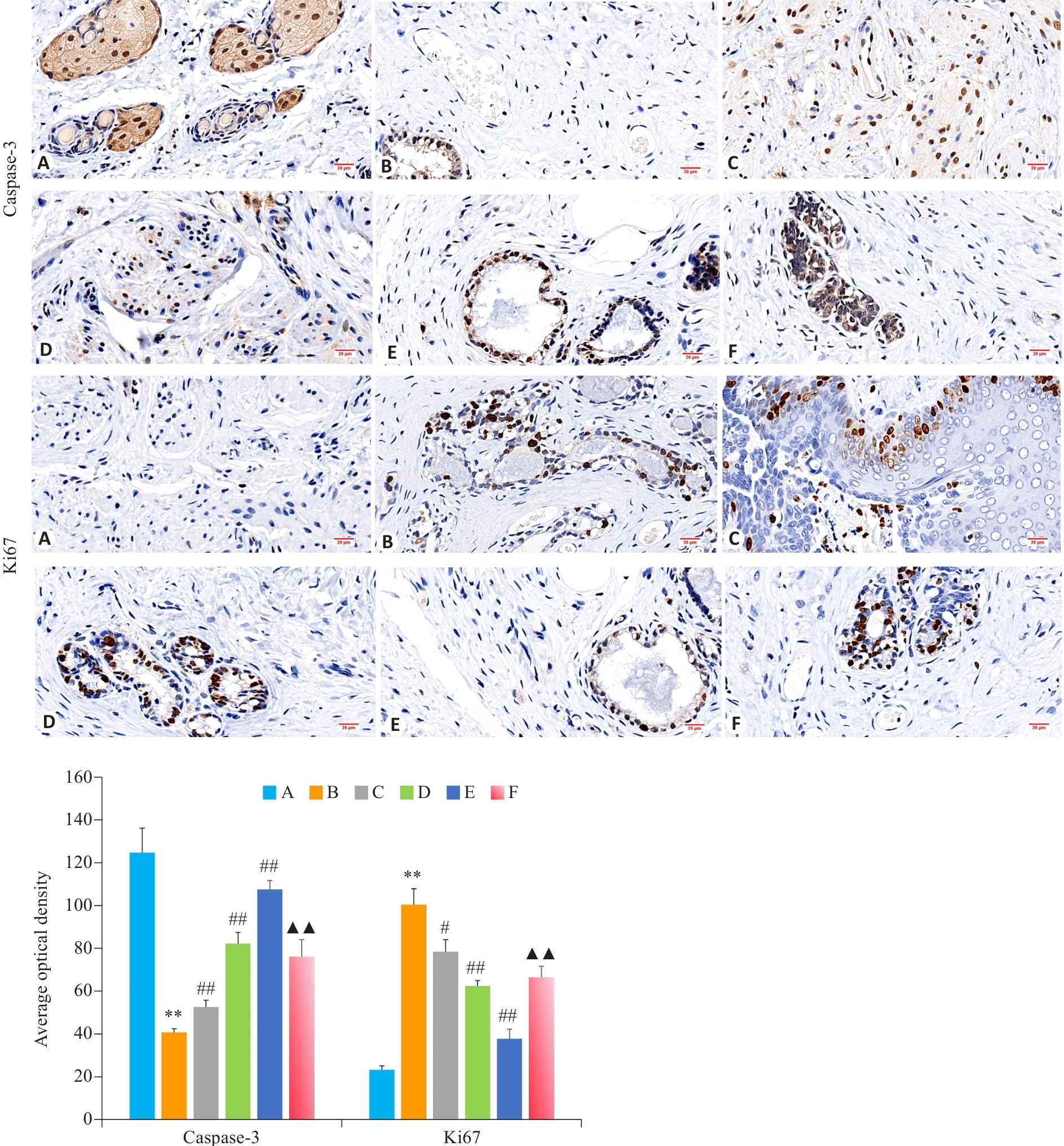
图4 大鼠乳腺组织caspase-3和Ki67免疫组化染色及平均光密度值的比较
Fig.4 Immunohistochemical staining of caspase-3 and Ki67 in rat mammary gland tissue (×400) and comparison of average optical density values among the 6 groups (Mean±SD, n=3). **P<0.01 vs Control group; #P<0.05, ##P<0.01 vs Model group; ▲▲P<0.01 vs XHGs-H group.
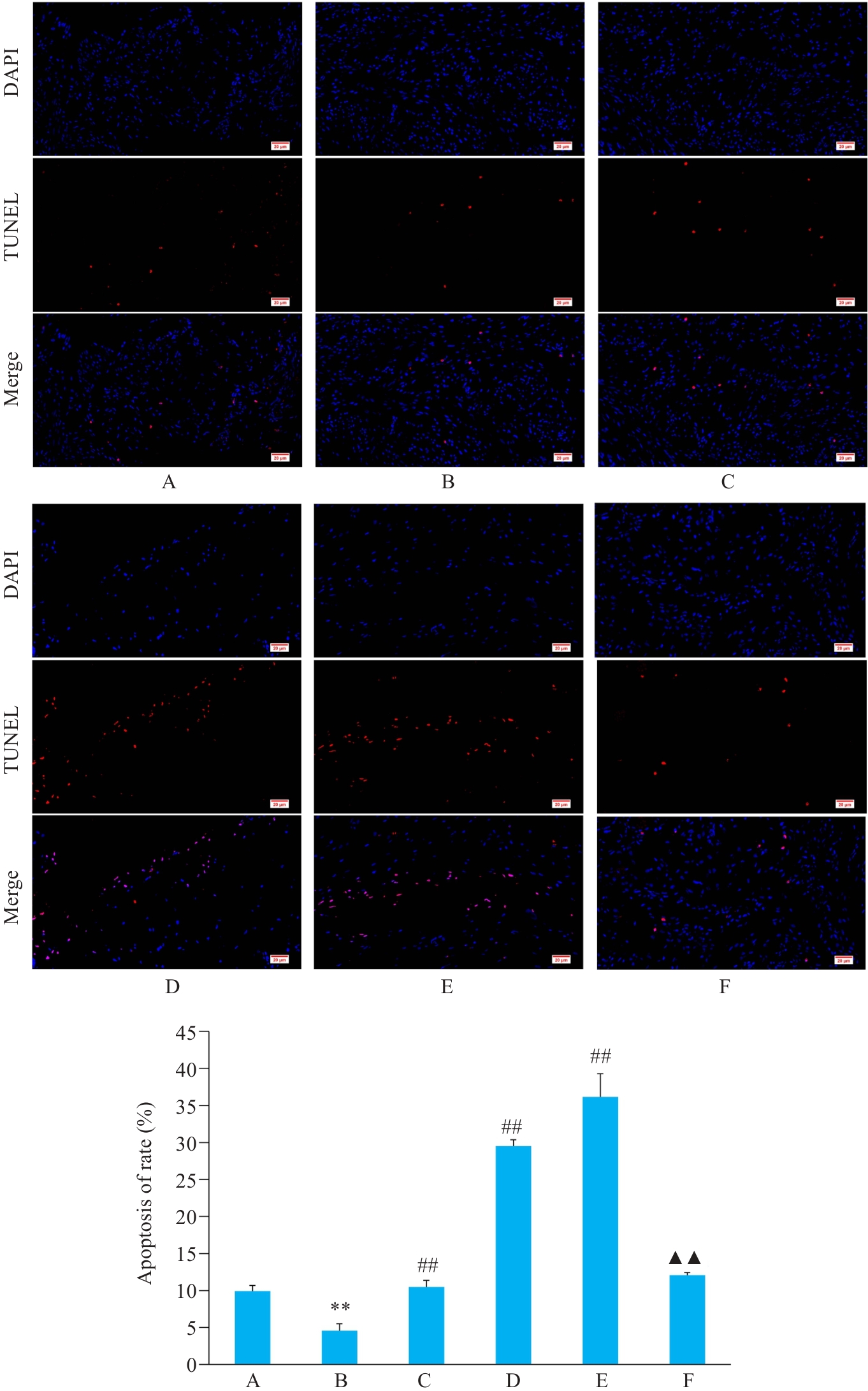
图5 各组大鼠乳腺组织样本TUNEL检测及细胞凋亡率的比较
Fig.5 TUNEL staining of mammary gland tissues of the rats from each group (×400) and comparison of cell apoptosis rate among the 6 groups (Mean±SD, n=3). **P<0.01 vs Control group; ##P<0.01 vs Model group; ▲▲P<0.01 vs XHGs-H group.
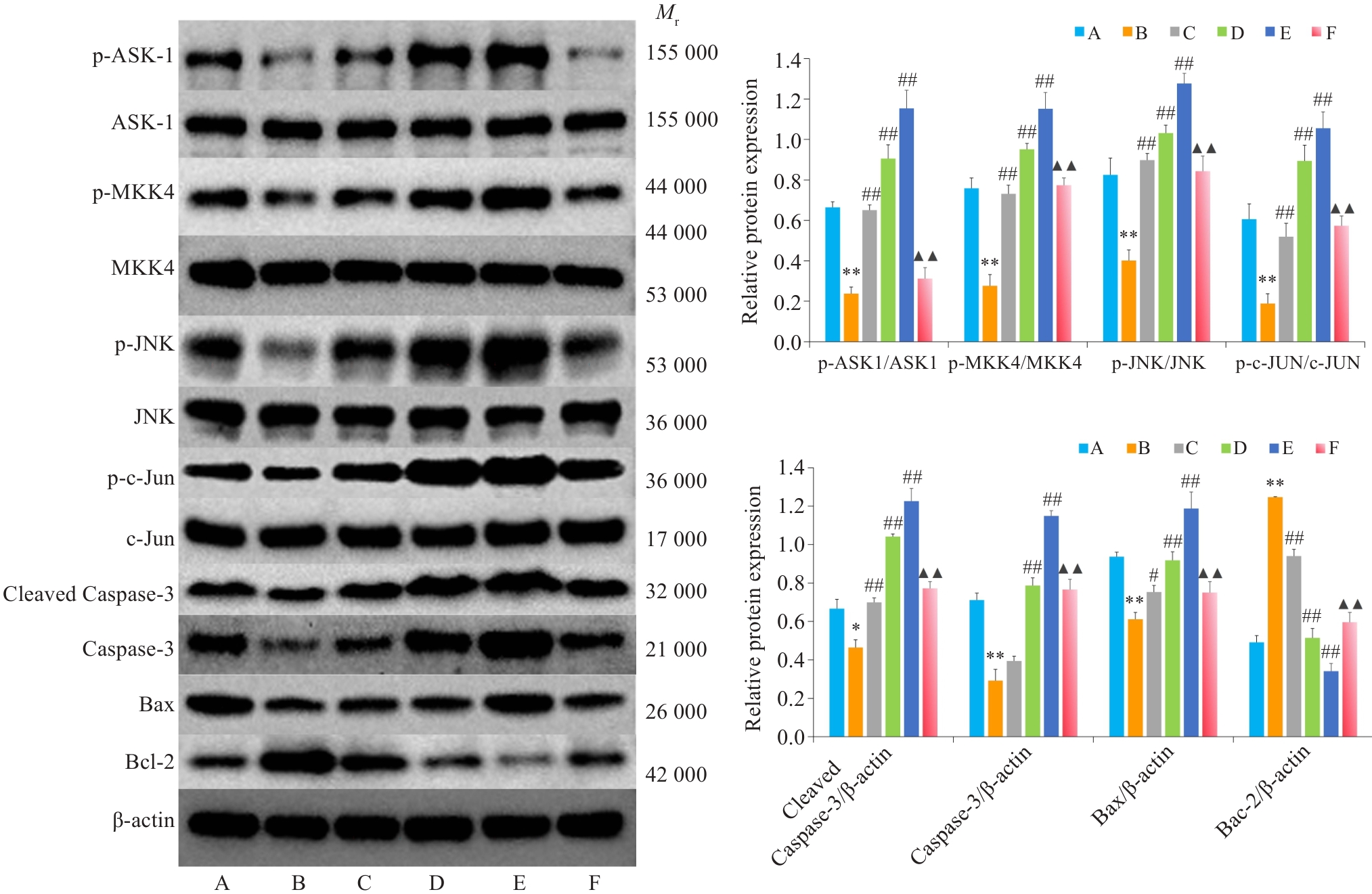
图6 Western blotting检测各组乳腺组织相关通路及凋亡基因蛋白表达条带图及灰度值表达的比较
Fig.6 Western blotting for detecting expressions of apoptosis-related proteins and the ASK1/MKK4/JNK pathway proteins in the breast tissues of the rats (Mean±SD, n=3). *P<0.05, **P<0.01 vs Control group; #P<0.05, ##P<0.01 vs Model group; ▲▲P<0.01 vs XHGs-H group.
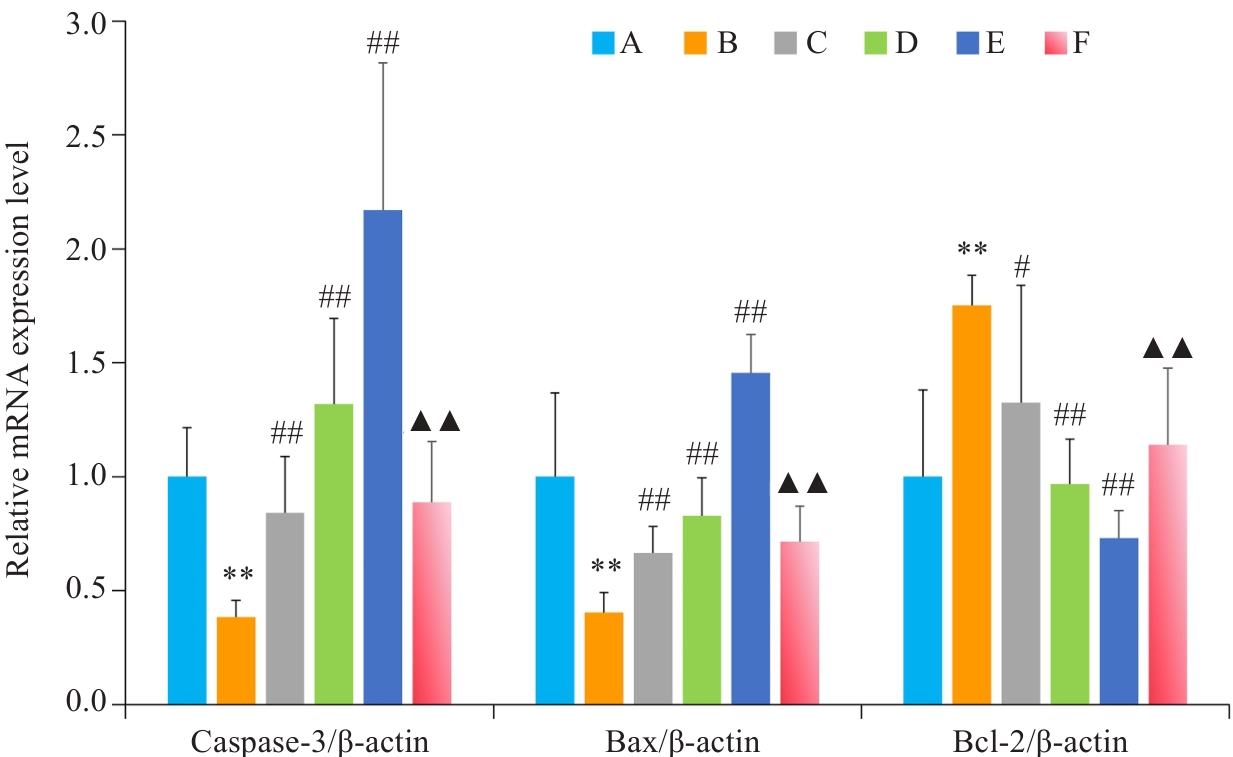
图7 XHGs对各组乳腺组织相关凋亡指标mRNA表达的影响
Fig.7 Effect of XHG on mRNA expression of apoptosis-related genes in the breast tissue of the rats (Mean±SD, n=3). **P<0.01 vs Control group; #P<0.05, ##P<0.01 vs Model group; ▲▲P<0.01 vs XHGs-H group.
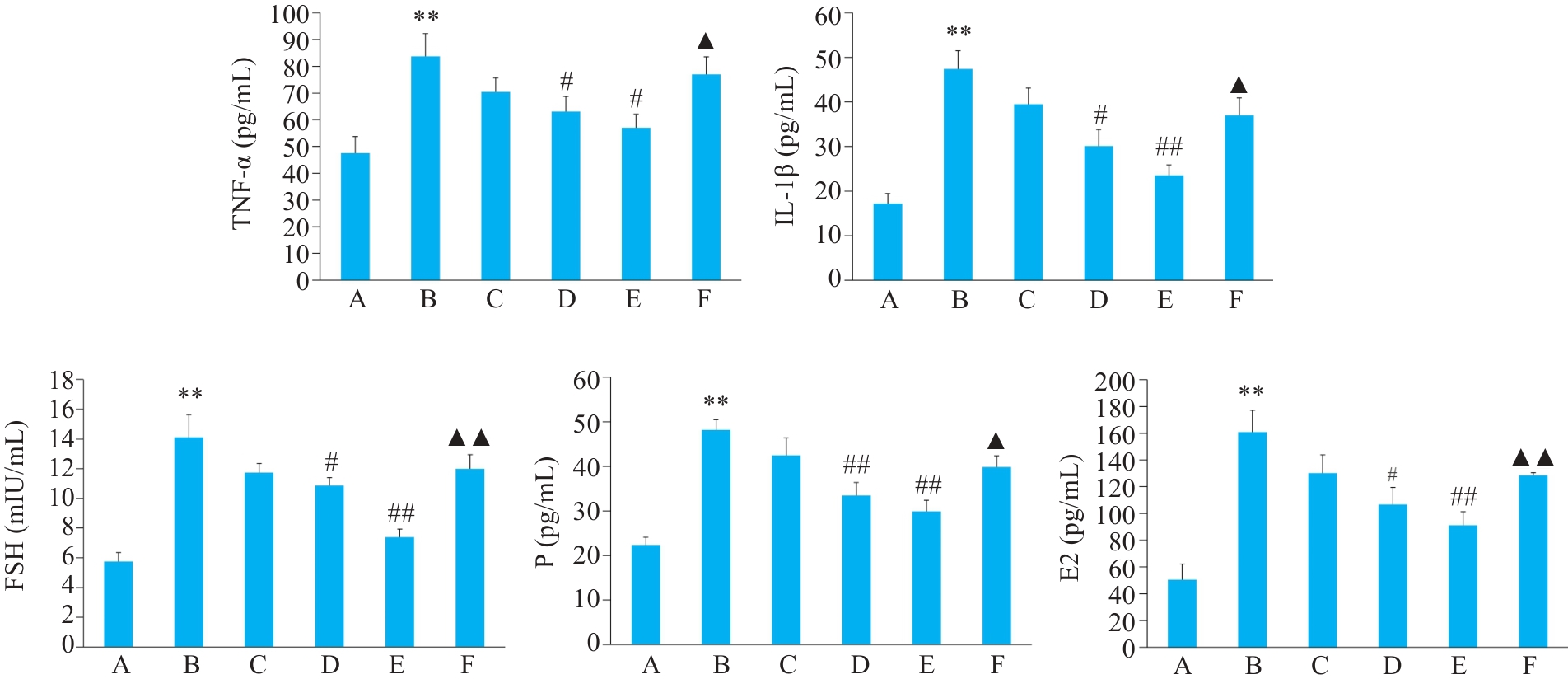
图8 XHGs对各组大鼠血清中相关指标表达的影响
Fig.8 Effects of XHG on serum biochemical indicators of the rats in each group (Mean±SD, n=3). **P<0.01 vs Control group; #P<0.05, ##P<0.01 vs Model group; ▲P<0.05, ▲▲P<0.01 vs XHGs-H group.
| [1] | Zheng JJ, Zhao Y, Wang YF, et al. The infrared radiation temperature characteristic of acupoints of mammary gland hyperplasia patients[J]. Evid Based Complement Alternat Med, 2013, 2013: 567987. doi:10.1155/2013/567987 |
| [2] | Yang XJ, Pei XH. Review of mammary gland hyperplasia in classical Chinese medical literature[J]. Altern Ther Health Med, 2023, 29(6): 97-105. |
| [3] | Blundell S, Deshmukh M, McGregor A. A painful breast mass[J]. Clin Infect Dis, 2022, 75(12): 2275-7. doi:10.1093/cid/ciac250 |
| [4] | Sun LL, Sun HJ, Wang JQ, et al. Breast mass detection in mammography based on image template matching and CNN[J]. Sensors, 2021, 21(8): 2855. doi:10.3390/s21082855 |
| [5] | Chen T, Li JJ, Chen JL, et al. Anti-hyperplasia effects of Rosa rugosa polyphenols in rats with hyperplasia of mammary gland[J]. Environ Toxicol Pharmacol, 2015, 39(2): 990-6. doi:10.1016/j.etap.2015.02.014 |
| [6] | Ping Y, Gao Q, Li CX, et al. Construction of microneedle of Atractylodes macrocephala Rhizoma aqueous extract and effect on mammary gland hyperplasia based on intestinal flora[J]. Front Endocrinol, 2023, 14: 1158318. doi:10.3389/fendo.2023.1158318 |
| [7] | Arthur R, Wang YH, Ye K, et al. Association between lifestyle, menstrual/reproductive history, and histological factors and risk of breast cancer in women biopsied for benign breast disease[J]. Breast Cancer Res Treat, 2017, 165(3): 623-31. doi:10.1007/s10549-017-4347-9 |
| [8] | Zhang H, Zhang ZY, Li WH, et al. Clinical efficacy of “Sancai therapy” for hyperplasia of the mammary glands: a systematic review and meta-analysis[J]. Medicine, 2023, 102(45): e35989. doi:10.1097/md.0000000000035989 |
| [9] | Lin N, Qiu YW, He GY, et al. Effects of Litchi chinensis seed saponins on inhibiting hyperplasia of mammary glands and influence on signaling pathway of estrogen in rats[J]. Zhongyaocai, 2015, 38(4): 798-802. |
| [10] | Bhatti SFM, Rao NAS, Okkens AC, et al. Role of progestin-induced mammary-derived growth hormone in the pathogenesis of cystic endometrial hyperplasia in the bitch[J]. Domest Anim Endocrinol, 2007, 33(3): 294-312. doi:10.1016/j.domaniend.2006.06.005 |
| [11] | Wibowo E, Pollock PA, Hollis N, et al. Tamoxifen in men: a review of adverse events[J]. Andrology, 2016, 4(5): 776-88. doi:10.1111/andr.12197 |
| [12] | Zhou JJ, Zhang Y, Chang KT, et al. Diagnosis of benign and malignant breast lesions on DCE-MRI by using radiomics and deep learning with consideration of peritumor tissue[J]. J Magn Reson Imaging, 2020, 51(3): 798-809. doi:10.1002/jmri.26981 |
| [13] | Li XL, Xin P, Wang CF, et al. Mechanisms of traditional Chinese medicine in the treatment of mammary gland hyperplasia[J]. Am J Chin Med, 2017, 45(3): 443-58. doi:10.1142/s0192415x17500276 |
| [14] | Xiong J, Li HL, Hua FH, et al. Acupuncture for mammary gland hyperplasia: a Bayesian network meta-analysis protocol[J]. Medicine, 2020, 99(36): e22055. doi:10.1097/md.0000000000022055 |
| [15] | Li DD, Wang C, Ruan D, et al. Chinese massage, Tui Na, combined with herbs improves clinical symptoms and regulates sex hormones in patients with mammary gland hyperplasia[J]. Medicine, 2020, 99(21): e20300. doi:10.1097/md.0000000000020300 |
| [16] | Gao ZQ, Mi R, Cheng ZX, et al. Integrated metabolomics and network pharmacology revealed Hong-Hua-Xiao-Yao Tablet's effect of mediating hormone synthesis in the treatment of mammary gland hyperplasia[J]. Front Pharmacol, 2022, 13: 788019. doi:10.3389/fphar.2022.788019 |
| [17] | Mustafa M, Ahmad R, Tantry IQ, et al. Apoptosis: a comprehensive overview of signaling pathways, morphological changes, and physiological significance and therapeutic implications[J]. Cells, 2024, 13(22): 1838. doi:10.3390/cells13221838 |
| [18] | Liu J, Zhang JF, Gong GH, et al. Therapeutic effect of Mongolian medicine RuXian-I on hyperplasia of mammary gland induced by estrogen/progesterone through CRYAB-promoted apoptosis[J]. Evid Based Complement Alternat Med, 2020, 2020: 5707106. doi:10.1155/2020/5707106 |
| [19] | Alfaro-Murillo A, Correa-Jimenez O, González-Chapa J, et al. Late-onset autoimmune lymphoproliferative syndrome in a costa Rican woman[J]. Cureus, 2023, 15(12): e50226. |
| [20] | Huang FB, Ruan YC, He XJ, et al. Correction: Clinicopathologic and mutational profiles of primary breast diffuse large B cell lymphoma in a male patient: case report and literature review[J]. World J Surg Oncol, 2023, 21(1): 382. doi:10.1186/s12957-023-03259-4 |
| [21] | Li XL, Wang ZB, Wang Y, et al. Anti-hyperplasia effects of total saponins from phytolaccae Radix in rats with mammary gland hyperplasia via inhibition of proliferation and induction of apoptosis[J]. Front Pharmacol, 2018, 9: 467. doi:10.3389/fphar.2018.00467 |
| [22] | Kaloni D, Diepstraten ST, Strasser A, et al. BCL-2 protein family: attractive targets for cancer therapy[J]. Apoptosis, 2023, 28(1/2): 20-38. doi:10.1007/s10495-022-01780-7 |
| [23] | Tian XB, Srinivasan PR, Tajiknia V, et al. Targeting apoptotic pathways for cancer therapy[J]. J Clin Invest, 2024, 134(14): e179570. doi:10.1172/jci179570 |
| [24] | Liang CL, Mu XL, Bao QL, et al. Exploring the inhibitory impact of Mongolian medicinal He-Zi-3 soup on mammary gland hyperplasia in rats induced by estrogen and progestogen[J]. J Ethnopharmacol, 2024, 329: 117854. doi:10.1016/j.jep.2024.117854 |
| [25] | Budas GR, Boehm M, Kojonazarov B, et al. ASK1 inhibition halts disease progression in preclinical models of pulmonary arterial hypertension[J]. Am J Respir Crit Care Med, 2018, 197(3): 373-85. doi:10.1164/rccm.201703-0502oc |
| [26] | Yuan ML, Zhang Y, Wang L, et al. Study on the mechanism of Tong-Qiao-Huo-Xue decoction regulating apoptosis via ASK1/MKK4/JNK pathway in MCAO/R rats[J]. Phytomedicine, 2022, 106: 154437. doi:10.1016/j.phymed.2022.154437 |
| [27] | 易维真, 张 珺, 周 导, 等. 消核冲剂对乳腺增生大鼠性激素水平及PCNA表达的影响[J]. 安徽中医学院学报, 2008, 27(3): 32-5. doi:10.3969/j.issn.1000-2219.2008.03.015 |
| [28] | 徐英纳, 易维真, 张福忠. 消核冲剂对乳腺增生病大鼠治疗作用的观察[J]. 中医药临床杂志, 2006, 18(1): 37-9. doi:10.3969/j.issn.1672-7134.2006.01.023 |
| [29] | 姚玲莉, 王金秋, 叶 丹, 等. 夏枯草颗粒对乳腺增生模型大鼠增生乳腺组织Bcl-2、Bax、PCNA蛋白表达的影响[J]. 浙江中西医结合杂志, 2022, 32(2): 104-9. doi:10.3969/j.issn.1005-4561.2022.02.003 |
| [30] | Amos LA, Ma FY, Tesch GH, et al. ASK1 inhibitor treatment suppresses p38/JNK signalling with reduced kidney inflammation and fibrosis in rat crescentic glomerulonephritis[J]. J Cell Mol Med, 2018, 22(9): 4522-33. doi:10.1111/jcmm.13705 |
| [31] | Liles JT, Corkey BK, Notte GT, et al. ASK1 contributes to fibrosis and dysfunction in models of kidney disease. J Clin Invest. 2018;128(10):4485-4500. doi:10.1172/jci99768 |
| [32] | Newton K, Strasser A, Kayagaki N, et al. Cell death[J]. Cell, 2024, 187(2): 235-56. doi:10.1016/j.cell.2023.11.044 |
| [33] | Yuan JY, Ofengeim D. A guide to cell death pathways[J]. Nat Rev Mol Cell Biol, 2024, 25(5): 379-95. doi:10.1038/s41580-023-00689-6 |
| [34] | Morgan MM, Livingston MK, Warrick JW, et al. Mammary fibroblasts reduce apoptosis and speed estrogen-induced hyperplasia in an organotypic MCF7-derived duct model[J]. Sci Rep, 2018, 8(1): 7139. doi:10.1038/s41598-018-25461-1 |
| [35] | Li JM, Zhang Y, Peng D, et al. Integrating UPLC-Q-TOF-MS, network pharmacology, molecular docking, and molecular dynamics simulation to reveal the material basis and mechanism of Xiangshao Sanjie oral liquid in treating hyperplasia of mammary glands[J]. J Pharm Biomed Anal, 2025, 266: 117074. doi:10.1016/j.jpba.2025.117074 |
| [36] | Yang F, Li MZ, Xu D, et al. Inhibition of JNK/c-Jun-ATF2 overcomes cisplatin resistance in liver cancer through down-regulating galectin-1[J]. Int J Biol Sci, 2023, 19(8): 2366-81. doi:10.7150/ijbs.79163 |
| [37] | Xiao JJ, Lu H, Ma TF, et al. Worenine prevents solar ultraviolet-induced sunburn by inhibiting JNK2[J]. Front Pharmacol, 2022, 13: 881042. doi:10.3389/fphar.2022.881042 |
| [38] | Xiao JJ, Liu Q, Li Y, et al. Regulator of calcineurin 1 deletion attenuates mitochondrial dysfunction and apoptosis in acute kidney injury through JNK/Mff signaling pathway[J]. Cell Death Dis, 2022, 13(9): 774. doi:10.1038/s41419-022-05220-x |
| [39] | Kumari S, Dhapola R, Reddy DH. Apoptosis in Alzheimer’s disease: insight into the signaling pathways and therapeutic avenues[J]. Apoptosis, 2023, 28(7/8): 943-57. doi:10.1007/s10495-023-01848-y |
| [40] | Chu C, Ru H, Chen YY, et al. Gallic acid attenuates LPS-induced inflammation in Caco-2 cells by suppressing the activation of the NF-κB/MAPK signaling pathway[J]. Acta Biochim Biophys Sin, 2024, 56(6): 905-15. |
| [41] | Sun JT, Wang XD, Xu T, et al. Quercetin antagonizes apoptosis, autophagy and immune dysfunction induced by di(2-ethylhexyl) phthalate via ROS/ASK1/JNK pathway[J]. Comp Biochem Physiol C Toxicol Pharmacol, 2024, 285: 109991. doi:10.1016/j.cbpc.2024.109991 |
| [42] | Fan MZ, Miao YY, Yan YT, et al. C-type natriuretic peptide regulates the expression and secretion of antibacterial peptide S100A7 in goat mammary gland through PKG/JNK/c-Jun signaling pathway[J]. Front Vet Sci, 2022, 9: 822165. doi:10.3389/fvets.2022.822165 |
| [43] | Kim KW, Im J, Jeon JH, et al. Staphylococcus aureus induces IL-1β expression through the activation of MAP kinases and AP-1, CRE and NF‑κB transcription factors in the bovine mammary gland epithelial cells[J]. Comp Immunol Microbiol Infect Dis, 2011, 34(4): 347-54. doi:10.1016/j.cimid.2011.04.004 |
| [44] | Liu YF, An T, Yu H, et al. Xiaozheng pill exerts an anti-mammary hyperplasia effect through Raf/ERK/ELK and HIF-1α/bFGF pathways[J]. J Tradit Complement Med, 2023, 13(6): 600-10. doi:10.1016/j.jtcme.2023.05.002 |
| [45] | Le TKC, Dao XD, Nguyen DV, et al. Insulin signaling and its application[J]. Front Endocrinol, 2023, 14: 1226655. doi:10.3389/fendo.2023.1226655 |
| [46] | Yu JF, Li S, Chen DZ, et al. SIRPα-Fc fusion protein IMM01 exhibits dual anti-tumor activities by targeting CD47/SIRPα signal pathway via blocking the "don't eat me" signal and activating the "eat me" signal[J]. J Hematol Oncol, 2022, 15(1): 167. doi:10.1186/s13045-022-01385-2 |
| [47] | Guo PF, Wan SC, Guan KL. The Hippo pathway: Organ size control and beyond[J]. Pharmacol Rev, 2025, 77(2): 100031. doi:10.1016/j.pharmr.2024.100031 |
| [48] | Wang B, Ma Y, Zhang Y, et al. Therapeutic potential of ASK1 activators in cancer treatment: Current insights and future directions[J]. Biomed Pharmacother, 2024, 178: 117214. doi:10.1016/j.biopha.2024.117214 |
| [49] | Tsuchiya A, Kaku Y, Nakano T, et al. Diarachidonoyl-phosphoethanolamine induces apoptosis of malignant pleural mesothelioma cells through a Trx/ASK1/p38 MAPK pathway[J]. J Pharmacol Sci, 2015, 129(3): 160-8. doi:10.1016/j.jphs.2015.10.003 |
| [50] | Ashraf U, Ding Z, Deng SZ, et al. Pathogenicity and virulence of Japanese encephalitis virus: Neuroinflammation and neuronal cell damage[J]. Virulence, 2021, 12(1): 968-80. doi:10.1080/21505594.2021.1899674 |
| [51] | Feng H, Cao JL, Zhang GY, et al. Kaempferol attenuates cardiac hypertrophy via regulation of ASK1/MAPK signaling pathway and oxidative stress[J]. Planta Med, 2017, 83(10): 837-45. doi:10.1055/s-0043-103415 |
| [1] | 乔通, 张龙涛, 章雨, 黄菊, 李晴晴, 耿志军, 胡建国, 李静. 异香草酸激活PPARγ通路改善线粒体功能缓解葡聚糖硫酸钠诱导的小鼠溃疡性结肠炎[J]. 南方医科大学学报, 2026, 46(7): 1487-1497. |
| [2] | 常笑语, 张瀚文, 曹红亭, 侯玲, 孟鑫, 陶虹, 罗彦, 李光华. 热应激对大鼠胸主动脉内皮细胞生物钟基因 Bmal1和细胞周期蛋白表达水平的影响[J]. 南方医科大学学报, 2025, 45(7): 1353-1362. |
| [3] | 储菲, 陈孝华, 宋博文, 杨晶晶, 左芦根. 苏荠宁黄酮通过抑制PI3K/AKT信号通路拮抗肠上皮细胞凋亡改善小鼠实验性结肠炎[J]. 南方医科大学学报, 2025, 45(4): 819-828. |
| [4] | 马思雨, 陈美庆, 吴天宇, 赵文红. 膳食亚麻木酚素通过调控Bcl2/Bax/caspase3信号轴通道改善大鼠母体反式脂肪酸暴露所导致的子代肾损伤[J]. 南方医科大学学报, 2025, 45(12): 2658-2666. |
| [5] | 刘柳青, 王坤, 王雪晴, 杜冰心. 枸杞多糖通过下调miR-23a减轻顺铂诱导的颗粒细胞损伤[J]. 南方医科大学学报, 2025, 45(11): 2340-2349. |
| [6] | 陶露, 陈悦, 黄林林, 郑旺, 宋雪, 项平, 胡建国. 珠子草素通过调控p38/JNK信号通路抑制肠上皮细胞凋亡保护肠屏障改善克罗恩病样肠炎[J]. 南方医科大学学报, 2025, 45(11): 2483-2495. |
| [7] | 刘硕, 李静, 吴兴旺. Swertiamarin通过抑制肠上皮细胞细胞凋亡改善TNBS诱导的实验性结肠炎[J]. 南方医科大学学报, 2024, 44(8): 1545-1552. |
| [8] | 从小凡, 陈腾, 李硕, 王媛媛, 周龙云, 李小龙, 张配, 孙小锦, 赵素容. 双氢青蒿素通过促进活性氧的产生增强鼻咽癌细胞对顺铂诱导凋亡的敏感性[J]. 南方医科大学学报, 2024, 44(8): 1553-1560. |
| [9] | 王元国, 张鹏. 铁死亡抑制基因在食管癌中的高表达分析[J]. 南方医科大学学报, 2024, 44(7): 1389-1396. |
| [10] | 任志军, 刁建新, 王奕婷. 芎归汤通过抑制氧化应激诱导的心肌凋亡减轻小鼠心梗后心衰引起的心肌损伤[J]. 南方医科大学学报, 2024, 44(7): 1416-1424. |
| [11] | 陈桂玲, 廖晓凤, 孙鹏涛, 岑欢, 舒盛春, 李碧晶, 黎金华. 澳洲茄碱通过调控Bcl-2/Bax/caspase-3信号通路促进非小细胞肺癌发生凋亡[J]. 南方医科大学学报, 2024, 44(6): 1109-1116. |
| [12] | 曾玉燕, 贾金金, 卢 洁, 曾 诚, 耿红玲, 陈 颐. 子宫腺肌病组织中的雌激素、雌激素受体、miR-21:致病作用和调控作用[J]. 南方医科大学学报, 2024, 44(4): 627-635. |
| [13] | 孙秀颀, 蔡静, 张安邦, 庞博, 陈春艳, 查琪琪, 全菲, 叶涛. 电针预处理通过抑制NF-kB/NLRP3信号通路介导炎症和凋亡改善大鼠脑卒中后痉挛[J]. 南方医科大学学报, 2024, 44(11): 2102-2109. |
| [14] | 邱建国, 邱一桐, 李国荣, 张林生, 郑雪, 姚泳江, 王熙丹, 黄海阳, 张凤敏, 苏冀彦, 郑学宝, 黄晓其. 黄芩汤通过调控内质网应激减轻小鼠溃疡性结肠炎[J]. 南方医科大学学报, 2024, 44(11): 2172-2183. |
| [15] | 兰 玉, 王凯风, 蓝智贤, 周何琪, 孙 剑. 脱醇红酒抑制肝细胞癌的发生和发展:基于诱导细胞周期的阻滞和凋亡[J]. 南方医科大学学报, 2023, 43(8): 1297-1305. |
| 阅读次数 | ||||||
|
全文 |
|
|||||
|
摘要 |
|
|||||
