
Journal of Southern Medical University ›› 2026, Vol. 46 ›› Issue (3): 559-569.doi: 10.12122/j.issn.1673-4254.2026.03.10
Hongcheng TAO1( ), Fukai LIANG1, Wenbo HUANG1, Siqi FAN2(), Ping ZENG2,3()
Received:2025-08-09
Online:2026-03-20
Published:2026-03-26
Contact:
Siqi FAN, Ping ZENG
E-mail:taohongcheng2021@stu.gxtcmu.edu.cn;fansiqi932828@163.com;zengp@gxtcmu.edu.cn
Hongcheng TAO, Fukai LIANG, Wenbo HUANG, Siqi FAN, Ping ZENG. Analysis of potential association of alcohol exposure with femoral head osteonecrosis and construction of a diagnostic model using machine learning[J]. Journal of Southern Medical University, 2026, 46(3): 559-569.
Add to citation manager EndNote|Ris|BibTeX
URL: https://www.j-smu.com/EN/10.12122/j.issn.1673-4254.2026.03.10
| Sequence number | GSE number | Source of sample | Type of tissue | Platform |
|---|---|---|---|---|
| 1 | GSE20489 | 29 alcohol and 25 control samples | Blood | GPL570 |
| 2 | GSE44456 | 20 alcohol and 19 control samples | Hippocampus | GPL6244 |
| 3 | GSE56906 | 4 alcohol and 6 control samples | Neural stem cells | GPL570 |
| 4 | GSE123568 | 30 ONFH and 10 control samples | Peripheral serum | GPL15207 |
| 5 | GSE74089 | 4 ONFH and 4 control samples | Cartilage | GPL13497 |
Tab.1 Basic information of the datasets collected in this study
| Sequence number | GSE number | Source of sample | Type of tissue | Platform |
|---|---|---|---|---|
| 1 | GSE20489 | 29 alcohol and 25 control samples | Blood | GPL570 |
| 2 | GSE44456 | 20 alcohol and 19 control samples | Hippocampus | GPL6244 |
| 3 | GSE56906 | 4 alcohol and 6 control samples | Neural stem cells | GPL570 |
| 4 | GSE123568 | 30 ONFH and 10 control samples | Peripheral serum | GPL15207 |
| 5 | GSE74089 | 4 ONFH and 4 control samples | Cartilage | GPL13497 |
| Gene | Forward primers | Reverse primer |
|---|---|---|
| GAPDH | GGTTGTCTCCTGCGACTTCA | TGGTCCAGGGTTTCTTACTCC |
| AHSP | CAGAAGACACACAAACCCCG | ATTGCTCTGAAAAGGGGCCA |
| CISD2 | AGGGCAGGAAGCATCATCAC | CTACCTTGCCCTTGACGTGT |
| GMCL1 | GCATGCTGCAATTGGATGGTT | GCCACTCGAGGCACTTTTTC |
| GMPR | AGACGCGGACCTTAAACTCG | TTCGCTCAAGATCCACCTCG |
| PTPN12 | GACTCTCCACCTGCTTTCAGT | TTCACTCCCTGCATCATGTCC |
| SOAT1 | TTCGGCCTTGTGCGACTTAT | AAGTCTAACCCGAGGCAAGC |
| ST3GAL6 | ACTGTGGGGAACAAATGGCT | GAAGATTGGCGAAAGCTGGC |
| UBL3 | TGTGTGATCCTGTAGCGTCG | ATTCAGTCCCACGGATGTGC |
Tab.2 Primer sequences of the genes used to construct the diagnostic model for alcohol-related femoral head osteoporosis
| Gene | Forward primers | Reverse primer |
|---|---|---|
| GAPDH | GGTTGTCTCCTGCGACTTCA | TGGTCCAGGGTTTCTTACTCC |
| AHSP | CAGAAGACACACAAACCCCG | ATTGCTCTGAAAAGGGGCCA |
| CISD2 | AGGGCAGGAAGCATCATCAC | CTACCTTGCCCTTGACGTGT |
| GMCL1 | GCATGCTGCAATTGGATGGTT | GCCACTCGAGGCACTTTTTC |
| GMPR | AGACGCGGACCTTAAACTCG | TTCGCTCAAGATCCACCTCG |
| PTPN12 | GACTCTCCACCTGCTTTCAGT | TTCACTCCCTGCATCATGTCC |
| SOAT1 | TTCGGCCTTGTGCGACTTAT | AAGTCTAACCCGAGGCAAGC |
| ST3GAL6 | ACTGTGGGGAACAAATGGCT | GAAGATTGGCGAAAGCTGGC |
| UBL3 | TGTGTGATCCTGTAGCGTCG | ATTCAGTCCCACGGATGTGC |
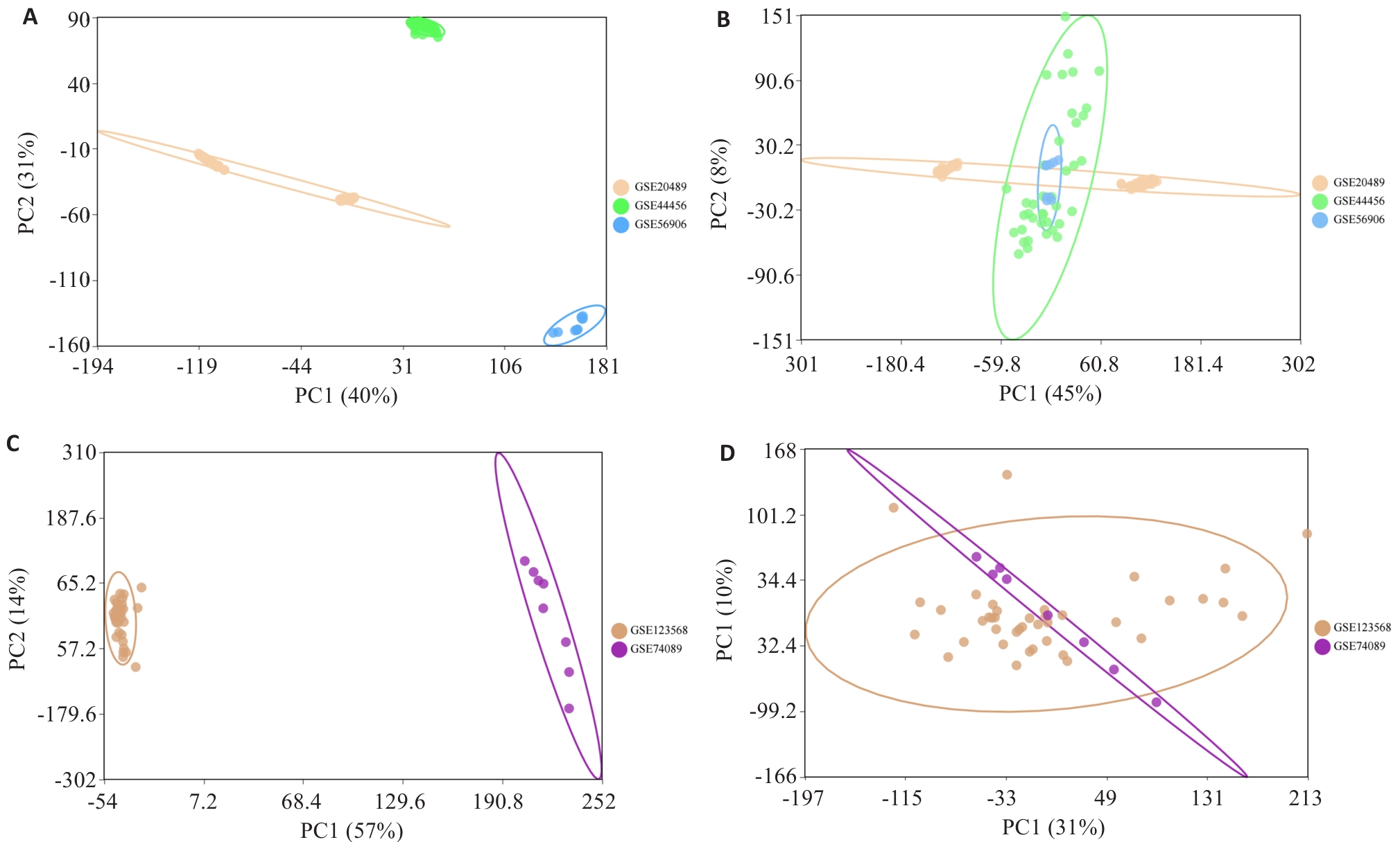
Fig.1 Principal component analysis before and after integration of alcohol exposure and ONFH datasets. A, B: Principal component analysis of the alcohol exposure datasets before and after correction for batch effects. C, D: Principal component analysis of the ONFH datasets before and after correction for batch effects.
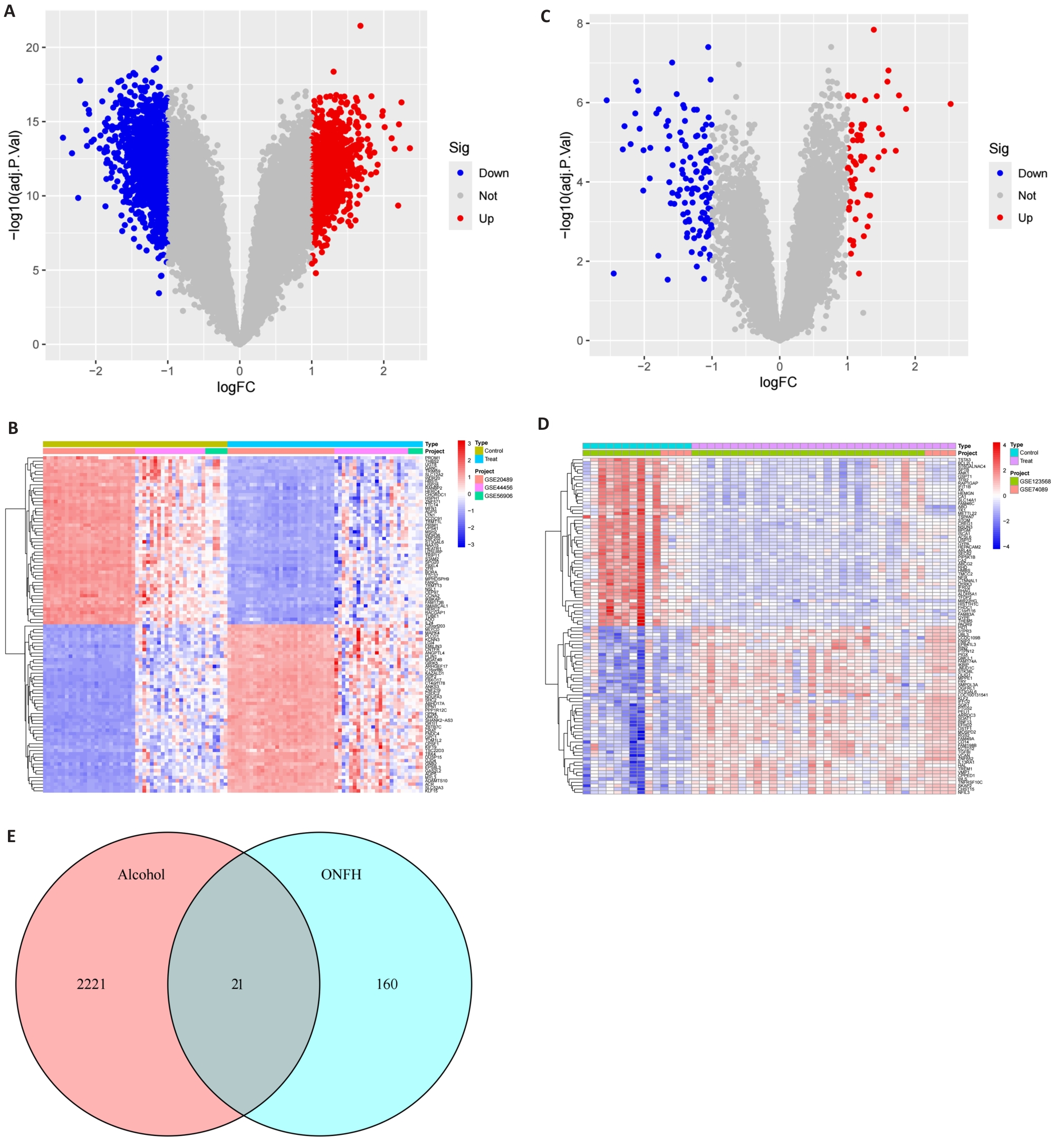
Fig.2 Identification of the differentially expressed genes (DEGs) of alcohol exposure and ONFH and the intersection genes between them. A, B: Volcano and heat maps of the DEGs for alcohol exposure. C, D: Volcano and heat maps of DEGs for ONFH. E: Venn diagram of the 21 DEGs.
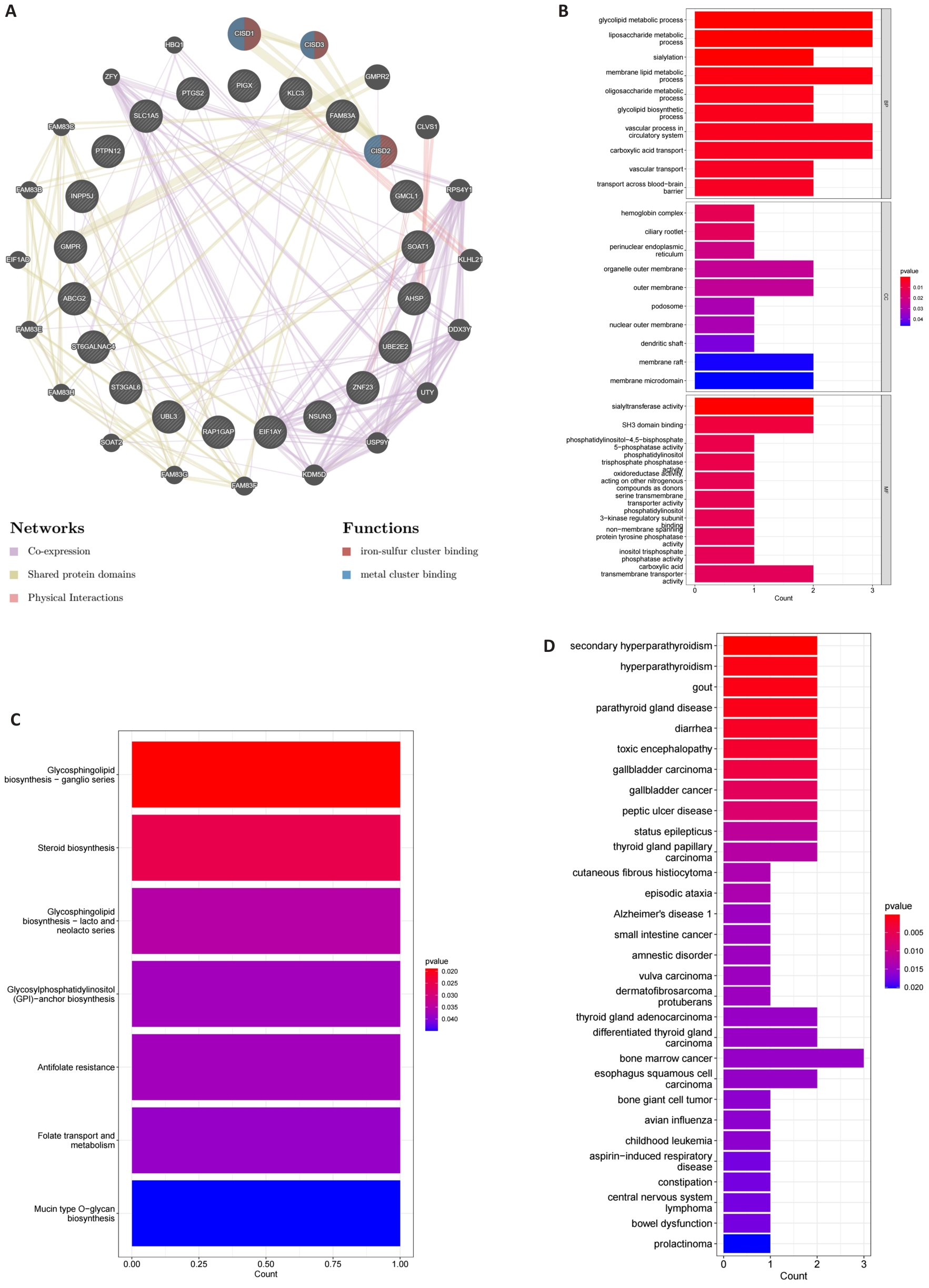
Fig.3 Protein interaction network analysis and enrichment analysis. A: Protein interaction network of 21 intersecting DEGs constructed by GeneMANIA. B: Bar graph of GO enrichment analysis results of biological processes, cellular components, and molecular functions. C: Bar graph of KEGG pathway enrichment analysis. D: Bar graph of DO enrichment analysis.
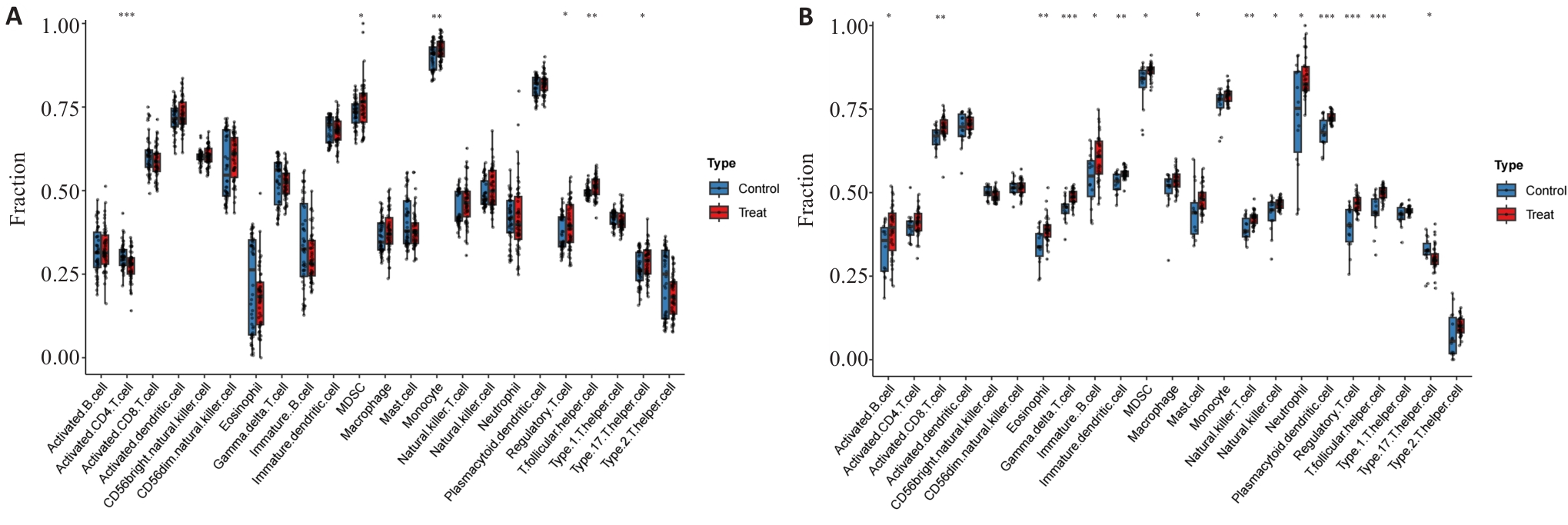
Fig.4 Immunological features of alcohol exposure and ONFH in their respective datasets. A: Boxplot comparison of immune cell abundance between alcohol exposed and control groups. B: Boxplot comparison of immune cell abundance between ONFH and control groups. *P<0.05, **P<0.01, ***P<0.001.
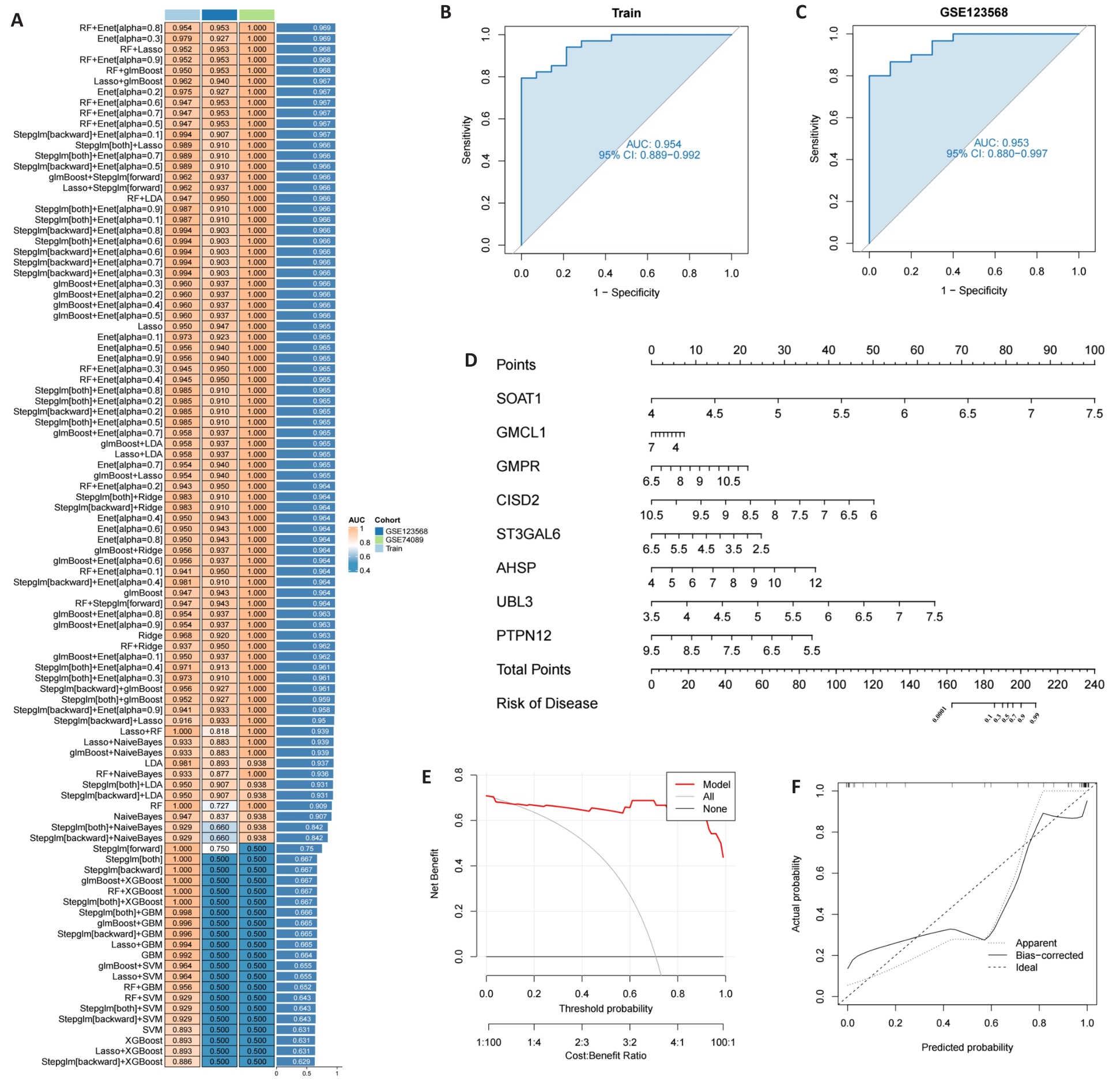
Fig.5 The diagnostic model of ONFH and assessment of its performance. A: 113 combinations of machine learning algorithms evaluated by 10-fold cross-validation. B, C: ROC curves for the training and test cohorts; D: Model nomogram based on eight genes. E, F: Decision curve and calibration curve of ONFH diagnostic model.
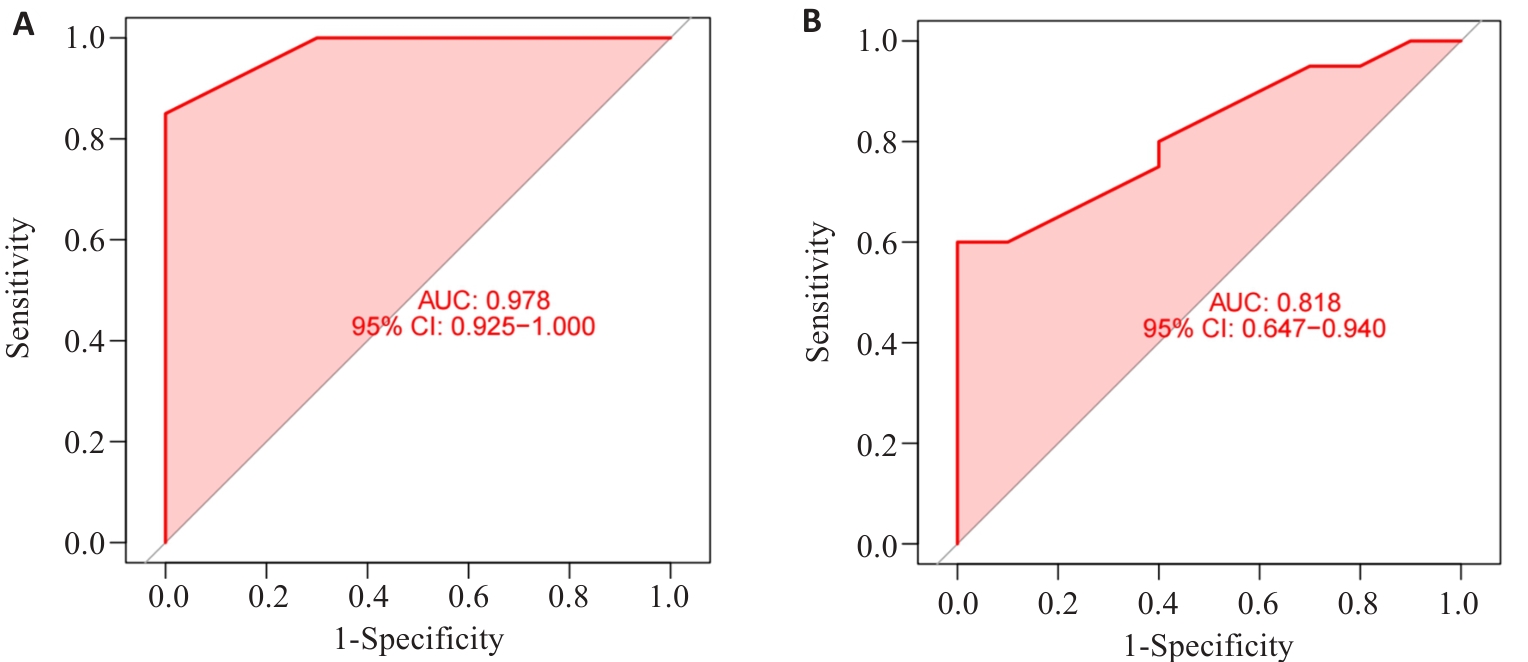
Fig.6 Stability of the diagnostic model verified by clinical subgroups. A: ROC curve of female sample data in the diagnostic model. B: ROC curve of male sample data in the diagnostic model.
| Name of drug | P value | Combined Score | Genes |
|---|---|---|---|
| Valproic acid | 0.04785374 | 365.04628 | SOAT1; GMCL1 |
| Vorinostat | 0.04785374 | 124.87380 | SOAT1; GMPR; GMCL1 |
| Sulpiride | 0.04785374 | 123.67904 | SOAT1; PTPN12; GMCL1 |
| Rifabutin | 0.04785374 | 287.50862 | GMPR; GMCL1 |
| Epivincamine | 0.04785374 | 266.22331 | PTPN12; GMCL1 |
| Scriptaid | 0.04785374 | 105.14834 | SOAT1; GMPR; GMCL1 |
| Trichostatin A | 0.08122109 | 72.89887 | SOAT1; GMPR; GMCL1 |
| Anisomycin | 0.09425913 | 109.41726 | UBL3; GMCL1 |
| Isopentenyladenine | 0.09425913 | 828.65378 | PTPN12 |
| Hc-toxin | 0.09425913 | 97.98479 | SOAT1; GMPR |
Tab.3 Drugs targeting the intersection genes of alcohol exposure and ONFH
| Name of drug | P value | Combined Score | Genes |
|---|---|---|---|
| Valproic acid | 0.04785374 | 365.04628 | SOAT1; GMCL1 |
| Vorinostat | 0.04785374 | 124.87380 | SOAT1; GMPR; GMCL1 |
| Sulpiride | 0.04785374 | 123.67904 | SOAT1; PTPN12; GMCL1 |
| Rifabutin | 0.04785374 | 287.50862 | GMPR; GMCL1 |
| Epivincamine | 0.04785374 | 266.22331 | PTPN12; GMCL1 |
| Scriptaid | 0.04785374 | 105.14834 | SOAT1; GMPR; GMCL1 |
| Trichostatin A | 0.08122109 | 72.89887 | SOAT1; GMPR; GMCL1 |
| Anisomycin | 0.09425913 | 109.41726 | UBL3; GMCL1 |
| Isopentenyladenine | 0.09425913 | 828.65378 | PTPN12 |
| Hc-toxin | 0.09425913 | 97.98479 | SOAT1; GMPR |
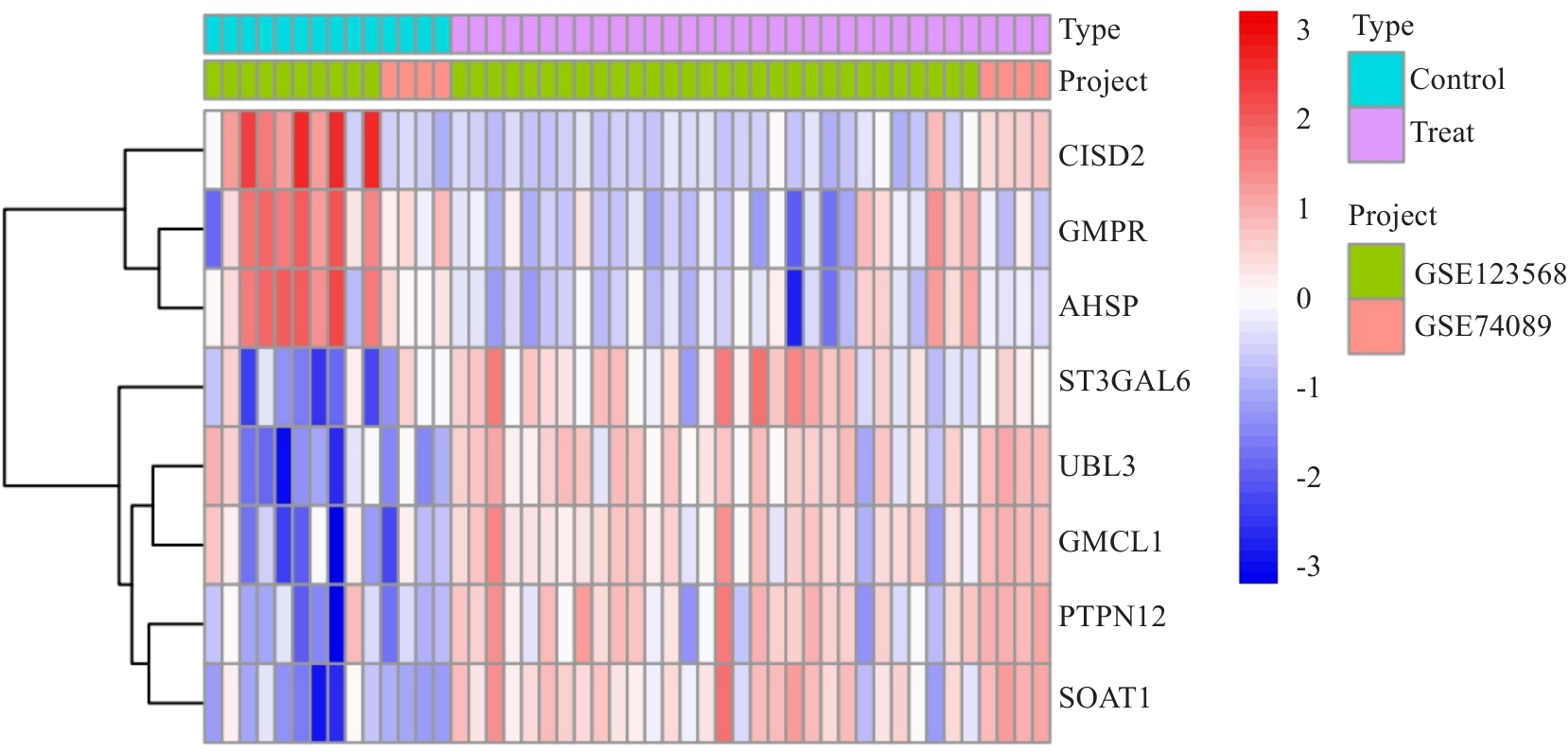
Fig.7 Expression heatmap of the genes based on which the diagnostic model was constructed.
| Gene | Control group | Alcohol group | t | P |
|---|---|---|---|---|
| PTPN12 | 1.027±0.244 | 1.468±0.345 | -3.135 | 0.006 |
| UBL3 | 1.075±0.434 | 2.407±1.014 | -3.622 | 0.002 |
| SOAT1 | 1.008±0.134 | 2.649±0.592 | -8.101 | <0.001 |
| GMC1 | 1.011±0.160 | 2.899±0.688 | -8.015 | <0.001 |
| GMPR | 1.016±0.187 | 0.661±0.152 | 4.417 | <0.001 |
| CISD2 | 1.023±0.226 | 0.704±0.190 | 3.240 | 0.005 |
| ST3GAL6 | 1.051±0.342 | 3.341±0.761 | -8.232 | <0.001 |
| AHSP | 1.053±0.341 | 0.693±0.179 | 2.807 | 0.013 |
Tab.4 Relative expression of the 8 genes used to construct the diagnostic model in the two groups of cells (n=9)
| Gene | Control group | Alcohol group | t | P |
|---|---|---|---|---|
| PTPN12 | 1.027±0.244 | 1.468±0.345 | -3.135 | 0.006 |
| UBL3 | 1.075±0.434 | 2.407±1.014 | -3.622 | 0.002 |
| SOAT1 | 1.008±0.134 | 2.649±0.592 | -8.101 | <0.001 |
| GMC1 | 1.011±0.160 | 2.899±0.688 | -8.015 | <0.001 |
| GMPR | 1.016±0.187 | 0.661±0.152 | 4.417 | <0.001 |
| CISD2 | 1.023±0.226 | 0.704±0.190 | 3.240 | 0.005 |
| ST3GAL6 | 1.051±0.342 | 3.341±0.761 | -8.232 | <0.001 |
| AHSP | 1.053±0.341 | 0.693±0.179 | 2.807 | 0.013 |
| [1] | Li LY, Zhao SK, Leng ZK, et al. Pathological mechanisms and related markers of steroid-induced osteonecrosis of the femoral head[J]. Ann Med, 2024, 56(1): 2416070. doi:10.1080/07853890.2024.2416070 |
| [2] | Shao WK, Wang P, Lv X, et al. Unraveling the role of endothelial dysfunction in osteonecrosis of the femoral head: a pathway to new therapies[J]. Biomedicines, 2024, 12(3): 664. doi:10.3390/biomedicines12030664 |
| [3] | Huang K, Zeng Y, Zhang QY, et al. Less acetabular coverage predicts the failure of core decompression for osteonecrosis of the femoral head: a retrospective cohort study[J]. Orthop Surg, 2024, 16(7): 1614-21. doi:10.1111/os.14094 |
| [4] | Zhang SL, Wang HJ, Meng Q, et al. Recent advances in osteonecrosis of the femoral head: a focus on mesenchymal stem cells and adipocytes[J]. J Transl Med, 2025, 23(1): 592. doi:10.1186/s12967-025-06564-6 |
| [5] | Sun JH, Ma BW, Zhang CY, et al. To investigate the effect of neck-shaft angle in surgical hip dislocation combined with femoral neck rotational osteotomy in the treatment of osteonecrosis of the femoral head and to combine with finite element analysis[J]. Front Bioeng Biotechnol, 2025, 13: 1495292. doi:10.3389/fbioe.2025.1495292 |
| [6] | Wang YX, Luan S, Yuan Z, et al. The combined use of platelet-rich plasma clot releasate and allogeneic human umbilical cord mesenchymal stem cells rescue glucocorticoid-induced osteo-necrosis of the femoral head[J]. Stem Cells Int, 2022, 2022: 7432665. doi:10.1155/2022/7432665 |
| [7] | Zheng QY, Tao Y, Geng L, et al. Non-traumatic osteonecrosis of the femoral head induced by steroid and alcohol exposure is associated with intestinal flora alterations and metabolomic profiles[J]. J Orthop Surg Res, 2024, 19(1): 236. doi:10.1186/s13018-024-04713-z |
| [8] | Yang WB, Pan Q, Peng YZ, et al. Dual-target nanotherapy for vascular endothelium and bone mesenchymal stem cells halt steroid-induced osteonecrosis of the femoral head progression[J]. J Control Release, 2025, 380: 219-39. doi:10.1016/j.jconrel.2024.12.081 |
| [9] | Zhao DW, Yu M, Hu K, et al. Prevalence of nontraumatic osteonecrosis of the femoral head and its associated risk factors in the Chinese population: results from a nationally representative survey[J]. Chin Med J (Engl), 2015, 128(21): 2843-50. doi:10.4103/0366-6999.168017 |
| [10] | 黄 捷, 施扬华, 谭 桢, 等. 吻合血管游离腓骨移植治疗股骨头坏死[J]. 中国组织工程研究, 2024, 28(21): 3373-9. |
| [11] | Doyle A, Foley R, Houghton F. A spatial examination of alcohol availability and the level of disadvantage of schools in Ireland[J]. BMC Public Health, 2024, 24(1): 795. doi:10.1186/s12889-024-18261-y |
| [12] | Moore SC, Wood AM, Moore L, et al. A rank based social norms model of how people judge their levels of drunkenness whilst intoxicated[J]. BMC Public Health, 2016, 16: 798. doi:10.1186/s12889-016-3469-z |
| [13] | Fu ZW, Zhou JF, Pan HY, et al. QingGan LiDan capsules improved alcoholic liver injury by regulating liver lipid transport and oxidative stress in mice[J]. Front Pharmacol, 2025, 16: 1575280. doi:10.3389/fphar.2025.1575280 |
| [14] | Yarimay R, Beyer DKE, Mundorf A, et al. Expression of GDAP1 gene correlates with alcohol deprivation effect[J]. Genes Brain Behav, 2025, 24(2): e70022. doi:10.1111/gbb.70022 |
| [15] | Wang TC, Jia ZK, An CH, et al. The protective effect of Auricularia cornea var. Li. polysaccharide on alcoholic liver disease and its effect on intestinal microbiota[J]. Molecules, 2023, 28(24): 8003. doi:10.3390/molecules28248003 |
| [16] | Song YX, Li HX, Ma SH, et al. Losartan protects human stem cell-derived cardiomyocytes from angiotensin II-induced alcoholic cardiotoxicity[J]. Cell Death Discov, 2022, 8(1): 134. doi:10.1038/s41420-022-00945-2 |
| [17] | Chen HZ, Zhang YF, Guo TS, et al. Genetic variant rs72613567 of HSD17B13 gene reduces alcohol-related liver disease risk in Chinese Han population[J]. Liver Int, 2020, 40(9): 2194-202. doi:10.1111/liv.14616 |
| [18] | Ha Y, Jeong I, Kim TH. Alcohol-related liver disease: an overview on pathophysiology, diagnosis and therapeutic perspectives[J]. Biomedicines, 2022, 10(10): 2530. doi:10.3390/biomedicines10102530 |
| [19] | Gondim Teixeira PA, Dubois L, Hossu G, et al. Quantitative dynamic contrast-enhanced MRI of bone marrow perfusion at the proximal femur: influence of femoral head osteonecrosis risk factor and overt osteonecrosis[J]. Eur Radiol, 2023, 33(4): 2340-9. doi:10.1007/s00330-022-09250-z |
| [20] | Yue C, Ma MX, Guo JY, et al. Altered gut microbe metabolites in patients with alcohol-induced osteonecrosis of the femoral head: an integrated omics analysis[J]. Exp Ther Med, 2024, 28(2): 311. doi:10.3892/etm.2024.12599 |
| [21] | 郭锦丽, 曲成毅, 白 帆, 等. 酗酒与骨质疏松和股骨头坏死的相关性研究[J]. 中华流行病学杂志, 2013, 34(7): 732-5. doi:10.3760/cma.j.issn.0254-6450.2013.07.017 |
| [22] | Yoon BH, Kim TY, Shin IS, et al. Alcohol intake and the risk of osteonecrosis of the femoral head in Japanese populations: a dose-response meta-analysis of case-control studies[J]. Clin Rheumatol, 2017, 36(11): 2517-24. doi:10.1007/s10067-017-3740-4 |
| [23] | Tan B, Li WL, Zeng P, et al. Epidemiological study based on China osteonecrosis of the femoral head database[J]. Orthop Surg, 2021, 13(1): 153-60. doi:10.1111/os.12857 |
| [24] | Li JW, Zhang Y, You YW, et al. Unraveling the mechanisms of NK cell dysfunction in aging and Alzheimer's disease: insights from GWAS and single-cell transcriptomics[J]. Front Immunol, 2024, 15: 1360687. doi:10.3389/fimmu.2024.1360687 |
| [25] | Liu DY, Chen JH, Zhou JN, et al. Macrophage-related inflammatory responses to degradation products of biodegradable molybdenum implants[J]. Mater Today Bio, 2025, 31: 101519. doi:10.1016/j.mtbio.2025.101519 |
| [26] | Gu XF, Yu ZX, Qian TW, et al. Transcriptomic analysis identifies the shared diagnostic biomarkers and immune relationship between Atherosclerosis and abdominal aortic aneurysm based on fatty acid metabolism gene set[J]. Front Mol Biosci, 2024, 11: 1365447. doi:10.3389/fmolb.2024.1365447 |
| [27] | 陶振宇, 张月雷, 陈 华, 等. 细胞自噬在酒精性股骨头坏死中的作用及相关机制研究[J]. 中医正骨, 2018, 30(10): 4-11. doi:10.3969/j.issn.1001-6015.2018.10.002 |
| [28] | Jeong HJ, Park JW, Lee YK, et al. Comparison between osteonecrosis of the humeral and femoral heads-epidemiological analysis of the surgical trend using the nationwide claims database of the republic of Korea[J]. BMC Musculoskelet Disord, 2023, 24(1): 878. doi:10.1186/s12891-023-07022-4 |
| [29] | Zhao G, Liu YJ, Zheng YJ, et al. Hip arthroscopy debridement combined with multiple small-diameter fan-shaped low-speed drilling decompression in the treatment of early and middle stage osteonecrosis of the femoral head: 14 years follow-up[J]. Orthop Surg, 2024, 16(3): 604-12. doi:10.1111/os.13985 |
| [30] | Cevolani L, Focaccia M, Spazzoli B, et al. Is core decompression and bone marrow concentrate with demineralized bone matrix and platelet-rich fibrin suitable for treating femoral head osteonecrosis?[J]. J Hip Preserv Surg, 2024, 11(4): 263-70. doi:10.1093/jhps/hnae031 |
| [31] | Go MJ, Kim JM, Lee HL, et al. Hepatoprotective effect of Allium ochotense extracts on chronic alcohol-induced fatty liver and hepatic inflammation in C57BL/6 mice[J]. Int J Mol Sci, 2024, 25(6): 3496. doi:10.3390/ijms25063496 |
| [32] | Meenashi Sundaram D, Madesh VP, Rambrahma Reddy D, et al. Multiple dyselectrolytemia in a chronic alcohol abuser: a case report[J]. Cureus, 2023, 15(3): e36389. |
| [33] | Mrabet S, Attia S, Chaieb R. Pain assessment, management and impact among Hemodialysis patients: a study from Tunisia[J]. BMC Nurs, 2025, 24(1): 581. doi:10.1186/s12912-025-03130-9 |
| [34] | Sadek KM, El Moshy S, Radwan IA, et al. Molecular basis beyond interrelated bone resorption/regeneration in periodontal diseases: a concise review[J]. Int J Mol Sci, 2023, 24(5): 4599. doi:10.3390/ijms24054599 |
| [35] | Sturm R, Haag F, Bergmann CB, et al. Alcohol drinking leads to sex-dependent differentiation of T cells[J]. Eur J Trauma Emerg Surg, 2025, 51(1): 87. doi:10.1007/s00068-024-02732-3 |
| [36] | McTernan PM, Levitt DE, Welsh DA, et al. Alcohol impairs immunometabolism and promotes Naïve T cell differentiation to pro-inflammatory Th1 CD4+ T cells[J]. Front Immunol, 2022, 13: 839390. doi:10.3389/fimmu.2022.839390 |
| [37] | Brahadeeswaran S, Tamizhselvi R. Consequence of alcohol intoxication-mediated efferocytosis impairment[J]. Front Immunol, 2024, 15: 1386658. doi:10.3389/fimmu.2024.1386658 |
| [38] | Yu J, Fu L, Wu R, et al. Immunocytes in the tumor microenvironment: recent updates and interconnections[J]. Front Immunol, 2025, 16: 1517959. doi:10.3389/fimmu.2025.1517959 |
| [39] | Ma S, Lu Y, Sui S, et al. Unraveling the triad of immunotherapy, tumor microenvironment, and skeletal muscle biomechanics in oncology[J]. Front Immunol, 2025, 16: 1572821. doi:10.3389/fimmu.2025.1572821 |
| [40] | Lu KH, Hsieh YH, Lin RC, et al. Melatonin: a potential therapy for osteoporosis with insights into molecular mechanisms[J]. J Pineal Res, 2025, 77(4): e70062. doi:10.1111/jpi.70062 |
| [41] | Li ZH, Li XH, Jiang H, et al. Alcohol promotes CPT1A-induced lipid metabolism disorder to sentinel-regulate acute pancreatitis[J]. Eur J Med Res, 2025, 30(1): 35. doi:10.1186/s40001-024-02213-8 |
| [42] | Fu RR, Xue WQ, Liang JJ, et al. SOAT1 regulates cholesterol metabolism to induce EMT in hepatocellular carcinoma[J]. Cell Death Dis, 2024, 15(5): 325. doi:10.1038/s41419-024-06711-9 |
| [43] | Wu HH, Zhu Q, Liang N, et al. CISD2 regulates oxidative stress and mitophagy to maintain the balance of the follicular micro-environment in PCOS[J]. Redox Rep, 2024, 29(1): 2377870. doi:10.1080/13510002.2024.2377870 |
| [44] | Chen MY, Li WJ, Lei L, et al. Role of SOST in response to mechanical stimulation in bone and extraosseous organs[J]. Biomolecules, 2025, 15(6): 856. doi:10.3390/biom15060856 |
| [45] | Yen FS, Wang SI, Lin SY, et al. The impact of heavy alcohol consumption on cognitive impairment in young old and middle old persons[J]. J Transl Med, 2022, 20(1): 155. doi:10.1186/s12967-022-03353-3 |
| [46] | Meng C, Qi BC, Luo H, et al. Exploring the genetic association between immune cells and susceptibility to osteonecrosis using large-scale population data[J]. Heliyon, 2024, 10(14): e34547. doi:10.1016/j.heliyon.2024.e34547 |
| [47] | Sitaram P, Uyemura B, Malarkannan S, et al. Beyond the cell surface: targeting intracellular negative regulators to enhance T cell anti-tumor activity[J]. Int J Mol Sci, 2019, 20(23): 5821. doi:10.3390/ijms20235821 |
| [48] | Marino P, Mininni M, Deiana G, et al. Healthy lifestyle and cancer risk: modifiable risk factors to prevent cancer[J]. Nutrients, 2024, 16(6): 800. doi:10.3390/nu16060800 |
| [49] | Qi QY, Chen BR, Wu JR, et al. TsR-0072 inhibits colorectal cancer progression through modulating lipid and vitamin D3 metabolic reprogramming and inactivating the Wnt/β‑catenin signalling pathway[J]. Ann Med, 2025, 57(1): 2531253. doi:10.1080/07853890.2025.2531253 |
| [50] | 田方圆, 王台安, 李艳敏, 等. 鸡MOGAT和DGAT基因的克隆及表达特性研究[J]. 畜牧兽医学报, 2017, 48(2): 214-24. |
| [51] | Mahmoud AM. An overview of epigenetics in obesity: the role of lifestyle and therapeutic interventions[J]. Int J Mol Sci, 2022, 23(3): 1341. doi:10.3390/ijms23031341 |
| [52] | Grønningsæter IS, Fredly HK, Gjertsen BT, et al. Systemic metabolomic profiling of acute myeloid leukemia patients before and during disease-stabilizing treatment based on all-trans retinoic acid, valproic acid, and low-dose chemotherapy[J]. Cells, 2019, 8(10): 1229. doi:10.3390/cells8101229 |
| [53] | Yue SR, Fan JY, Xie DL, et al. Unveiling the therapeutic potential: targeting fibroblast-like synoviocytes in rheumatoid arthritis[J]. Expert Rev Mol Med, 2025, 27: e18. doi:10.1017/erm.2025.11 |
| [54] | Chandrasekar N, Sharma K, Jain S, et al. A critical assessment on stability behaviour of Vorinostat using LC-MS-QTOF with H/D exchange and NMR[J]. J Pharm Biomed Anal, 2023, 236: 115687. doi:10.1016/j.jpba.2023.115687 |
| [55] | Gulfo MC, Lebowitz JJ, Ramos C, et al. Dopamine D2 receptors in hilar mossy cells regulate excitatory transmission and hippocampal function[J]. Proc Natl Acad Sci USA, 2023, 120(50): e2307509120. doi:10.1073/pnas.2307509120 |
| [1] | Junyao CHEN, Zeyu CHEN, Zhaojie LIN, Menghao FANG, Chaoying SHEN, Qi XU, Xiaoyi ZHANG, Lu LU. Dual role of tea consumption in gastrointestinal disease risks: analysis using a risk prediction model integrating interpretable machine learning and large language model [J]. Journal of Southern Medical University, 2026, 46(2): 353-361. |
| [2] | Yunneng CUI, Minqing FENG, Liangfeng YAO, Jiewen YAN, Wenhan LI, Yanping HUANG. Enhancement of radiomics-based machine learning models for predicting efficacy of high-intensity focused ultrasound ablation of uterine fibroids using undersampling methods [J]. Journal of Southern Medical University, 2026, 46(1): 141-149. |
| [3] | Qizhi HUANG, Daipeng XIE, Lintong YAO, Qiaxuan LI, Shaowei WU, Haiyu ZHOU. Tumor microenvironment-specific CT radiomics signature for predicting immunotherapy response in non-small cell lung cancer [J]. Journal of Southern Medical University, 2025, 45(9): 1903-1918. |
| [4] | Jun JIANG, Shuo FENG, Yingui SUN, Yan AN. Construction of risk prediction models of hypothermia after transurethral holmium laser enucleation of the prostate based on three machine learning algorithms [J]. Journal of Southern Medical University, 2025, 45(9): 2019-2025. |
| [5] | Meimei CHEN, Yang WANG, Huangwei LEI, Fei ZHANG, Ruina HUANG, Zhaoyang YANG. Construction of recognition models for subthreshold depression based on multiple machine learning algorithms and vocal emotional characteristics [J]. Journal of Southern Medical University, 2025, 45(4): 711-717. |
| [6] | Huaiwen XU, Li WENG, Hong XUE. CXCL12 is a potential therapeutic target for type 2 diabetes mellitus complicated by chronic obstructive pulmonary disease [J]. Journal of Southern Medical University, 2025, 45(1): 100-109. |
| [7] | Hongli YANG, Yayun XIANG, Tingting TAN, Yang LEI. ORY-1001 inhibits glioblastoma cell growth by downregulating the Notch/HES1 pathway via suppressing lysine-specific demethylase 1 expression [J]. Journal of Southern Medical University, 2024, 44(8): 1620-1630. |
| [8] | Lili CHEN, Tianyu WU, Ming ZHANG, Zixia DING, Yan ZHANG, Yiqing YANG, Jiaqian ZHENG, Xiaonan ZHANG. Identification of potential biomarkers and immunoregulatory mechanisms of rheumatoid arthritis based on multichip co-analysis of GEO database [J]. Journal of Southern Medical University, 2024, 44(6): 1098-1108. |
| [9] | Caiyu SHEN, Shuai WANG, Ruiying ZHOU, Yuhe WANG, Qin GAO, Xingzhi CHEN, Shu YANG. Prediction of risk of in-hospital death in patients with chronic heart failure complicated by lung infections using interpretable machine learning [J]. Journal of Southern Medical University, 2024, 44(6): 1141-1148. |
| [10] | Zhiwei ZUO, Qingliang MENG, Jiakang CUI, Kelei GUO, Hua BIAN. An artificial neural network diagnostic model for scleroderma and immune cell infiltration analysis based on mitochondria-associated genes [J]. Journal of Southern Medical University, 2024, 44(5): 920-929. |
| [11] | LIANG Yihao, LAI Yingjun, YUAN Yanwen, YUAN Wei, ZHANG Xibo, ZHANG Bashan, LU Zhifeng. Screening of differentially expressed genes in gastric cancer based on GEO database and function and pathway enrichment analysis [J]. Journal of Southern Medical University, 2024, 44(3): 605-616. |
| [12] | Zijing REN, Peiyang ZHOU, Jing TIAN. Plasma long noncoding RNA expression profiles in patients with Parkinson's disease and the role of lnc-CTSD-5:1 in a PD cell model: a ceRNA microarray-based study [J]. Journal of Southern Medical University, 2024, 44(11): 2146-2155. |
| [13] | Xiaoyin HUANG, Fenglian CHEN, Yu ZHANG, Shujun LIANG. A predictive model for survival outcomes of glioma patients based on multi-parametric, multi-regional MRI radiomics features and clinical features [J]. Journal of Southern Medical University, 2024, 44(10): 2004-2014. |
| [14] | HE Huishan, GUO Erjia, MENG Wenyi, WANG Yu, WANG Wen, HE Wenle, WU Yuankui, YANG Wei. Predicting cerebral glioma enhancement pattern using a machine learning-based magnetic resonance imaging radiomics model [J]. Journal of Southern Medical University, 2024, 44(1): 194-200. |
| [15] | LI Ying, WANG Qian, CHEN Xiaoniao, XI Yue, YANG Jian, LIU Xiaomin, WANG Yuanda, ZHANG Li, CAI Guangyan, CHEN Xiangmei, DONG Zheyi. Validation and comparison of diabetic retinopathy-based diagnostic models for diabetic nephropathy [J]. Journal of Southern Medical University, 2023, 43(9): 1585-1590. |
| Viewed | ||||||
|
Full text |
|
|||||
|
Abstract |
|
|||||
