Journal of Southern Medical University ›› 2026, Vol. 46 ›› Issue (7): 1474-1486.doi: 10.12122/j.issn.1673-4254.2026.07.02
Butyrate alleviates Clostridium difficile infection in high-fat diet-induced obese mice
Minyu DONG1( ), Zeyang FANG1, Yunyun ZHANG1, Youliang WU1, Huangjie ZHENG1, Yongjun LIU1, Qiong YANG1, Deqian KONG2(), Kequan CHEN1(), Siqi WANG1()
- 1.Department of Gastroenterology, First Affiliated Hospital of Guangzhou Medical University, Guangzhou 510120, China
2.Department of Gastroenterology, Yangchun People's Hospital, Yangjiang 529600, China
-
Received:2025-11-24Online:2026-07-20Published:2026-07-20 -
Contact:Deqian KONG, Kequan CHEN, Siqi WANG E-mail:dongminyu99@126.com;2451498539@qq.com;yinyuedegushi@126.com;2023681011@gzhmu.edu.cn -
Supported by:Natural Science Foundation for the Youth (NSFY) of China(82500630)

Cite this article
Minyu DONG, Zeyang FANG, Yunyun ZHANG, Youliang WU, Huangjie ZHENG, Yongjun LIU, Qiong YANG, Deqian KONG, Kequan CHEN, Siqi WANG. Butyrate alleviates Clostridium difficile infection in high-fat diet-induced obese mice[J]. Journal of Southern Medical University, 2026, 46(7): 1474-1486.
share this article
Add to citation manager EndNote|Ris|BibTeX
URL: https://www.j-smu.com/EN/10.12122/j.issn.1673-4254.2026.07.02
| Primer name | Sequences |
|---|---|
| Toxin A | Forward:GGACATGGTAAAGATGAATTC |
| Reverse: CCCAATAGAAGATTCAATATTAAGCTT | |
| Toxin B | Forward: TCTGATGCACTATGTGACTTA |
| Reverse: ATCTACGAGCGTAGTCAC | |
| GAPDH (Mouse) | Forward: GGAGAAACCTGCCAAGTATGA |
| Reverse: TCCTCAGTGTAGCCCAAGA | |
| ZO-1 (Mouse) | Forward: TGAACGTCCCTGACCTTTCG |
| Reverse: CTGTGGAGACTGCGTGGAAT | |
| Occludin (Mouse) | Forward: CTTTGGCTACGGAGGTGGCTAT |
| Reverse: CTTTGGCTGCTCTTGGGTCTG |
Tab.1 Primer sequences for RT-qPCR
| Primer name | Sequences |
|---|---|
| Toxin A | Forward:GGACATGGTAAAGATGAATTC |
| Reverse: CCCAATAGAAGATTCAATATTAAGCTT | |
| Toxin B | Forward: TCTGATGCACTATGTGACTTA |
| Reverse: ATCTACGAGCGTAGTCAC | |
| GAPDH (Mouse) | Forward: GGAGAAACCTGCCAAGTATGA |
| Reverse: TCCTCAGTGTAGCCCAAGA | |
| ZO-1 (Mouse) | Forward: TGAACGTCCCTGACCTTTCG |
| Reverse: CTGTGGAGACTGCGTGGAAT | |
| Occludin (Mouse) | Forward: CTTTGGCTACGGAGGTGGCTAT |
| Reverse: CTTTGGCTGCTCTTGGGTCTG |
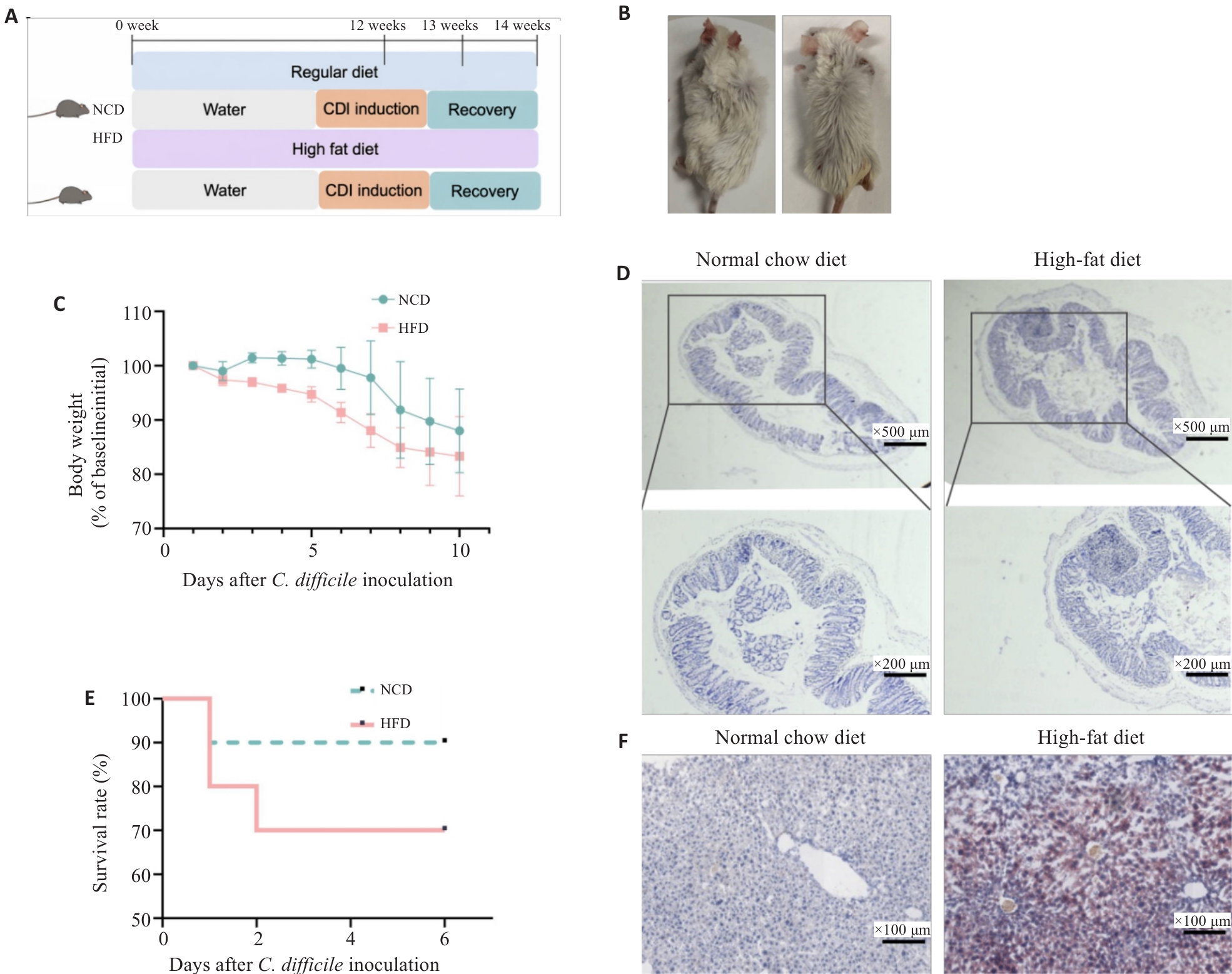
Fig.1 Mice fed with HFD exacerbate CDI compared with NCD. A: Schematic diagram of establishment of HFD+CDI and normal chow diet (NCD)+CDI mouse models. B: Appearance of the mice in the HFD and NCD groups. C: Changes in body weight after inoculation with Clostridioides difficile. D: HE staining of colon tissues. E: Survival rate after inoculation with Clostridioides difficile. F: Oil Red O staining of liver tissues. NCD: Normal Chow Diet, HFD: High-Fat Diet.
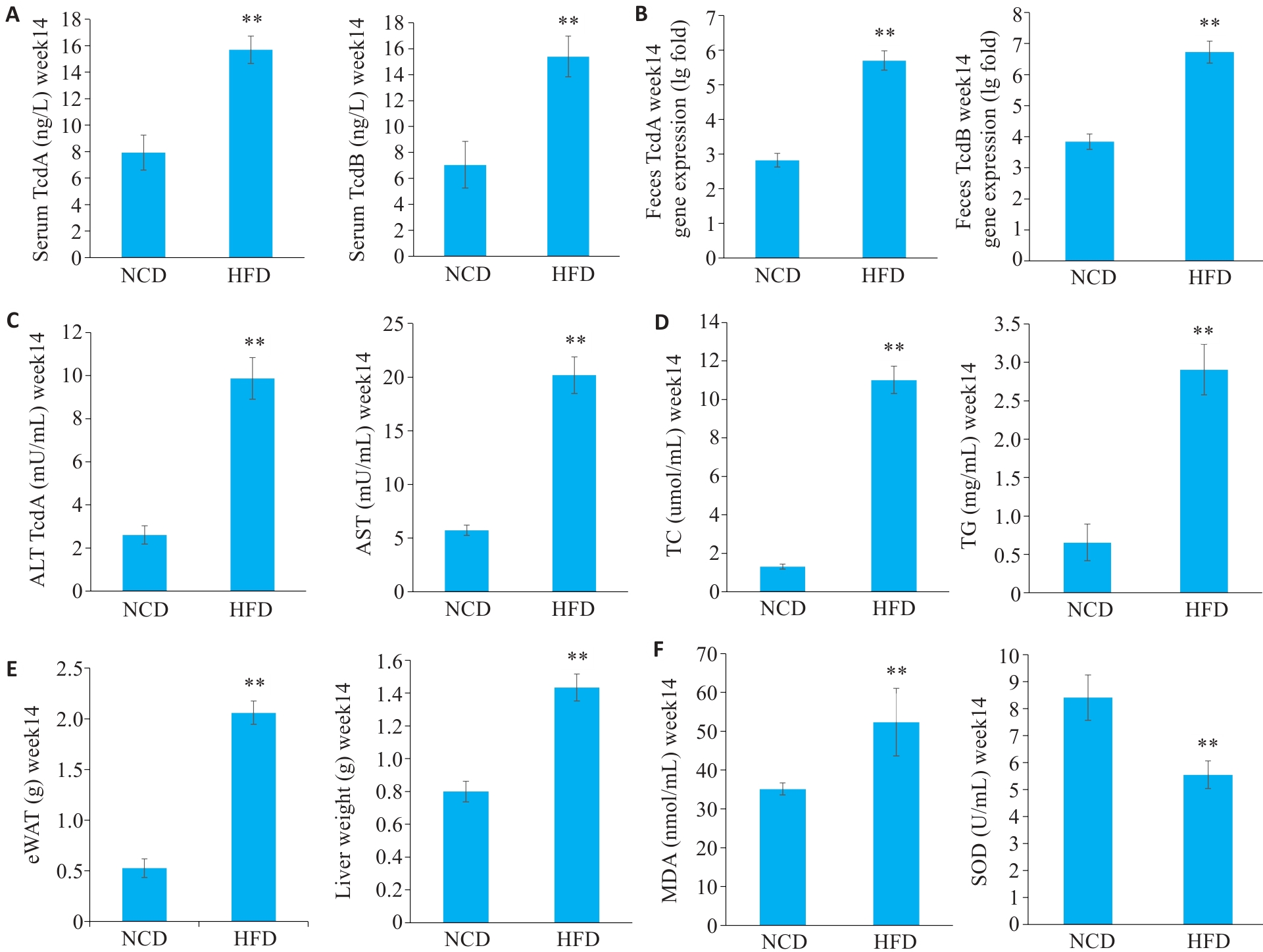
Fig. 2 Mice fed with HFD exacerbate CDI compared with NCD. A: Serum TcdA and TcdB levels. B: Feces TcdA and TcdB levels. C: Serum ALT and AST levels. D: Serum TG and TC concentrations. E: eWAT weight and liver weight. F: SOD activity and MDA levels. Data are presented as Mean±SD(n=6). **P<0.01 vs NCD.
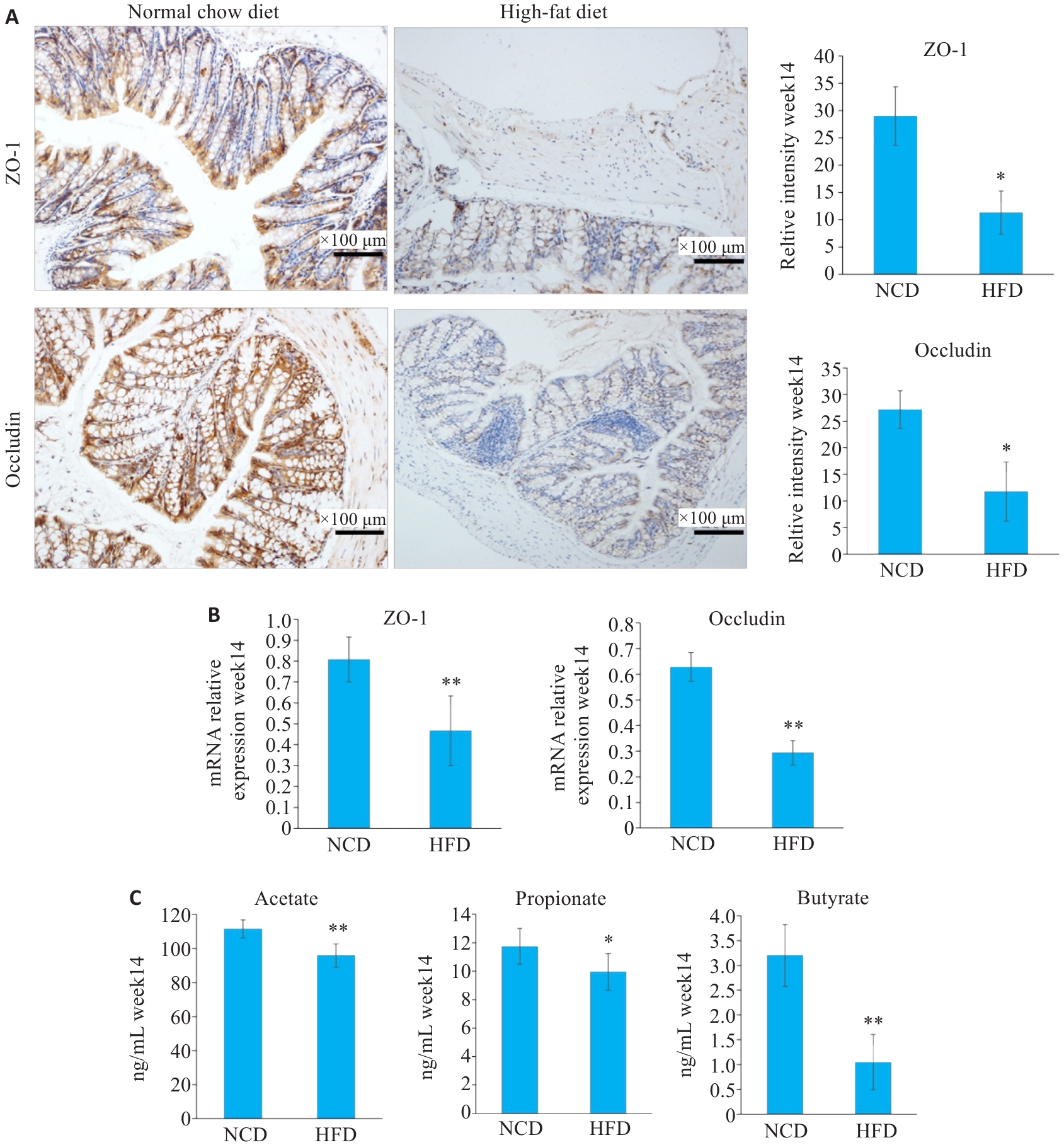
Fig.3 HFD aggravates intestinal barrier function impairment in CID mice. A: Immunohistochemical staining of ZO-1 and occluding. B: RT-PCR results of ZO-1 and Occludin. C: Concentrations of short-chain fatty acids (SCFAs) in mice of the HFD and NCD groups. Data are presented as Mean±SD (n=6), *P<0.05, **P<0.01 vs NCD.
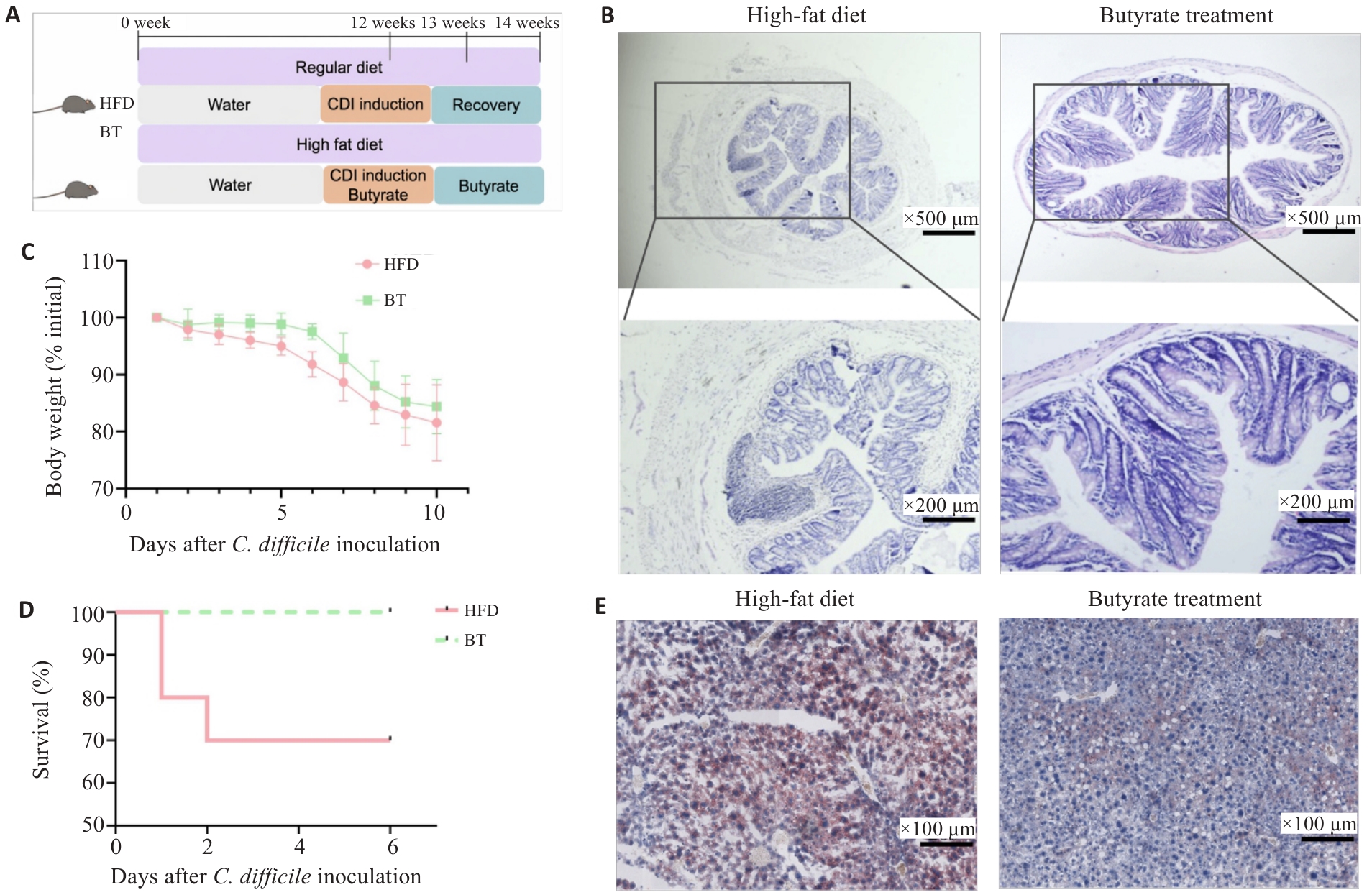
Fig.4 Butyrate treatment alleviates symptoms of CDI mice with HFD feeding. A: Schematic diagram of butyrate intervention in HFD+CDI mice. B: HE staining of colon tissues. C: Changes in body weight after inoculation with Clostridioides difficile. D: Survival rate after inoculation with Clostridioides difficile. E: Oil Red O staining of liver tissues. BT: Butyrate treatment.
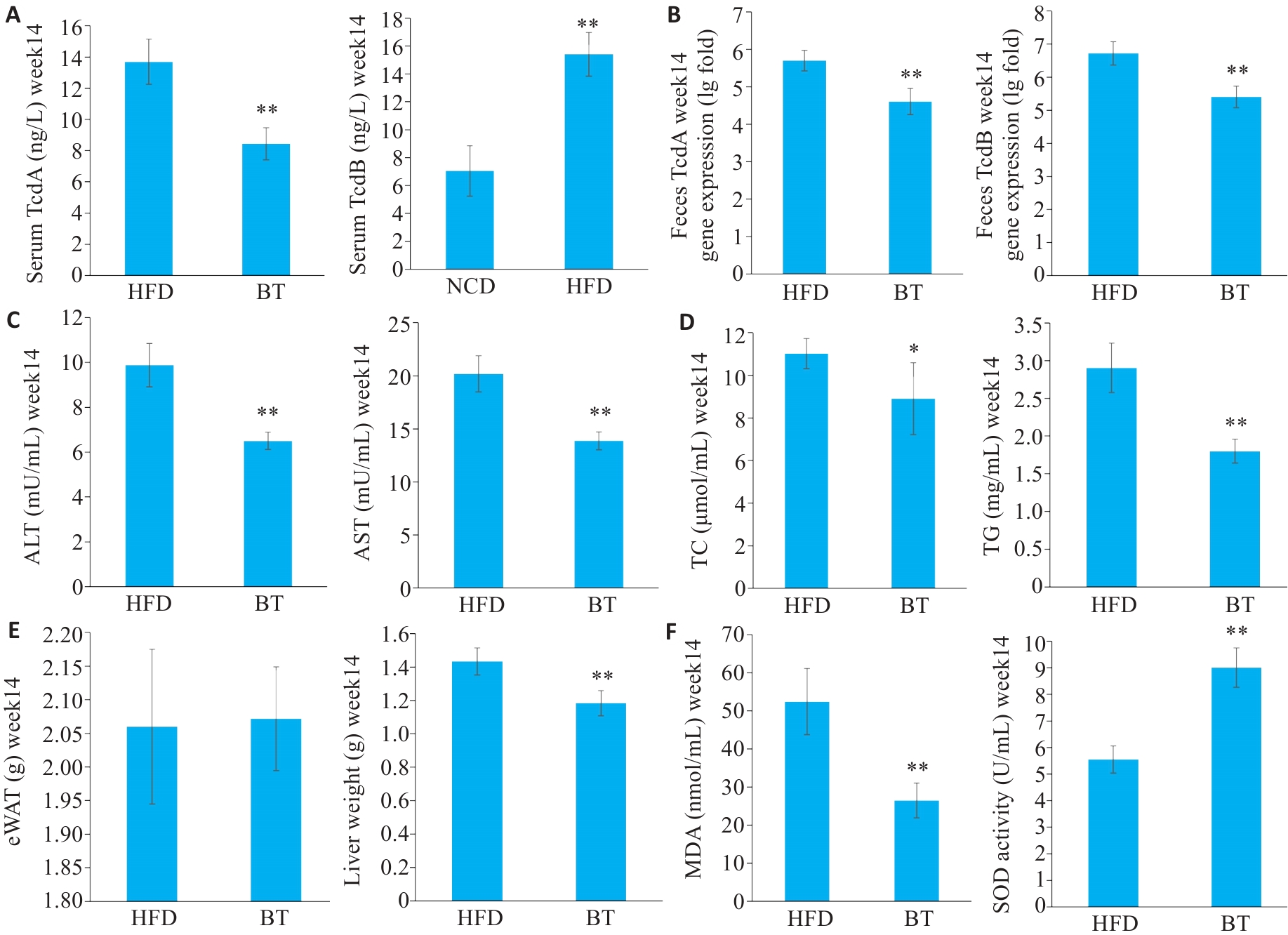
Fig.5 Butyrate treatment alleviates symptoms of CDI mice with HFD feeding. A: Serum levels of TcdA and TcdB. B: Fecal levels TcdA and TcdB. C: Serum ALT and AST levels. D: Serum TG and TC concentrations. E: eWAT weight and liver weight. F: SOD activity and MDA levels. Data are presented as Mean±SD(n=6). *P<0.05, **P<0.01 vs HFD.
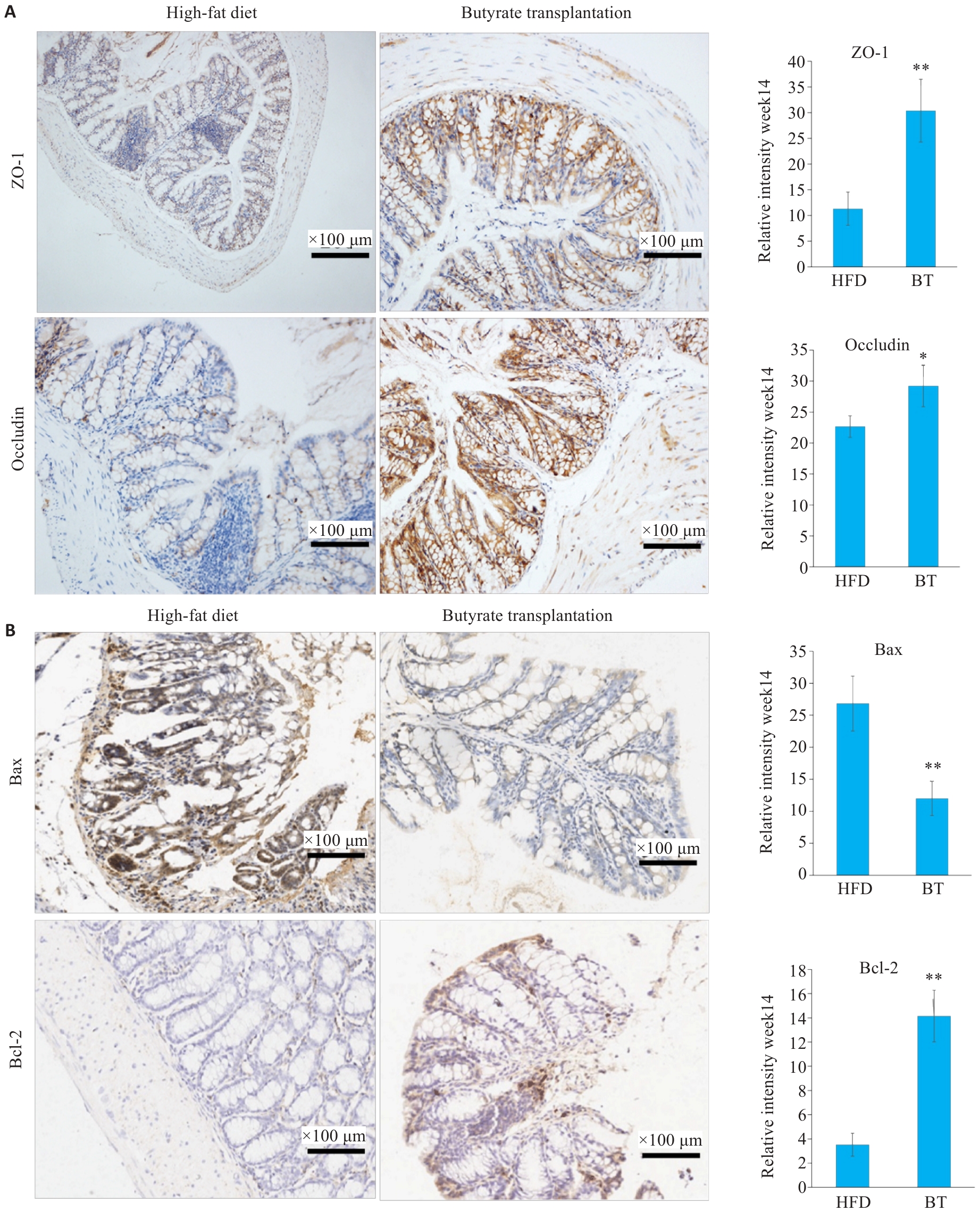
Fig.6 Butyrate improves intestinal barrier function impairment in HFD mice with CDI. A: Immunohistochemical staining results of intestinal barrier markers in colon tissues. B: Immunohistochemical analysis of Bax and Bcl-2. Data are presented as Mean±SD.*P<0.05, **P<0.01 vs HFD.
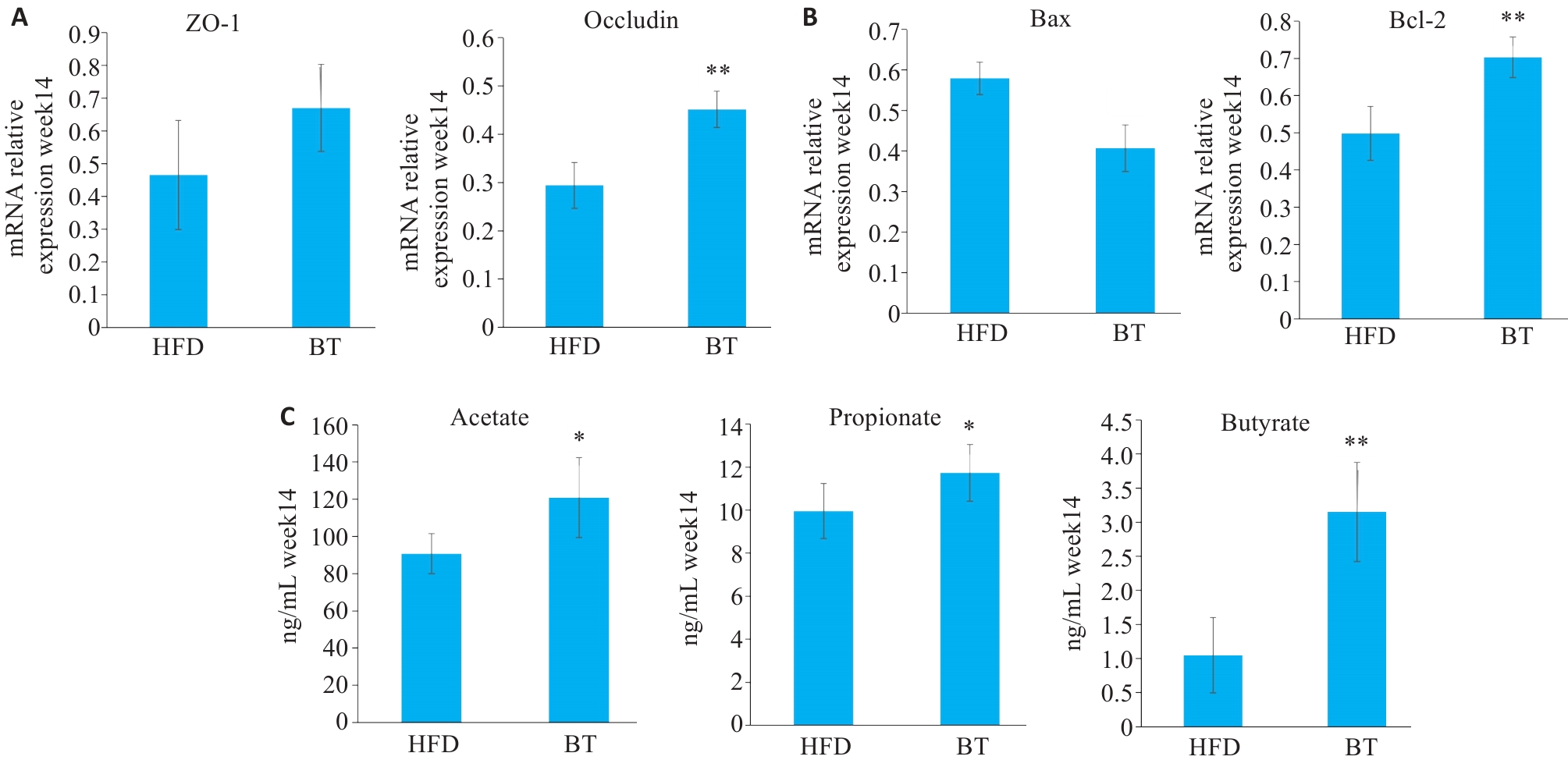
Fig.7 Butyrate improves intestinal barrier function impairment in HFD mice with CDI. A: RT-PCR results of intestinal barrier-related genes. B: RT-PCR results of apoptosis-related genes. C: SCFA concentrations in HFD+CDI mice after butyrate treatment. Data are presented as Mean±SD. *P<0.05, **P<0.01 vs HFD.
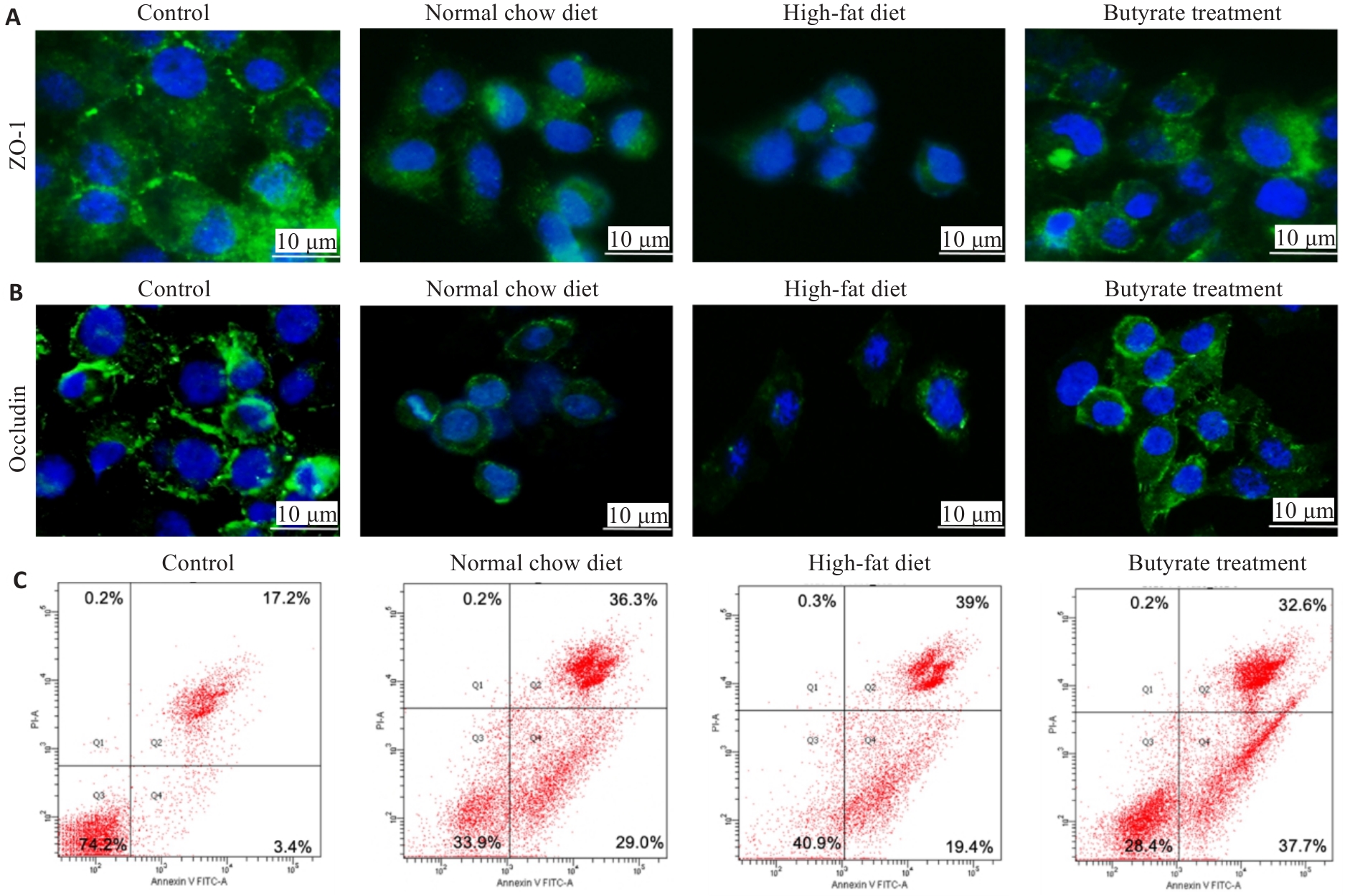
Fig.8 Butyrate alleviates palmitic acid-induced cell apoptosis. A: Immunofluorescence staining results of ZO-1. B: Immunofluorescence staining results of occludin. C: Flow cytometric analysis of cell apoptosis.
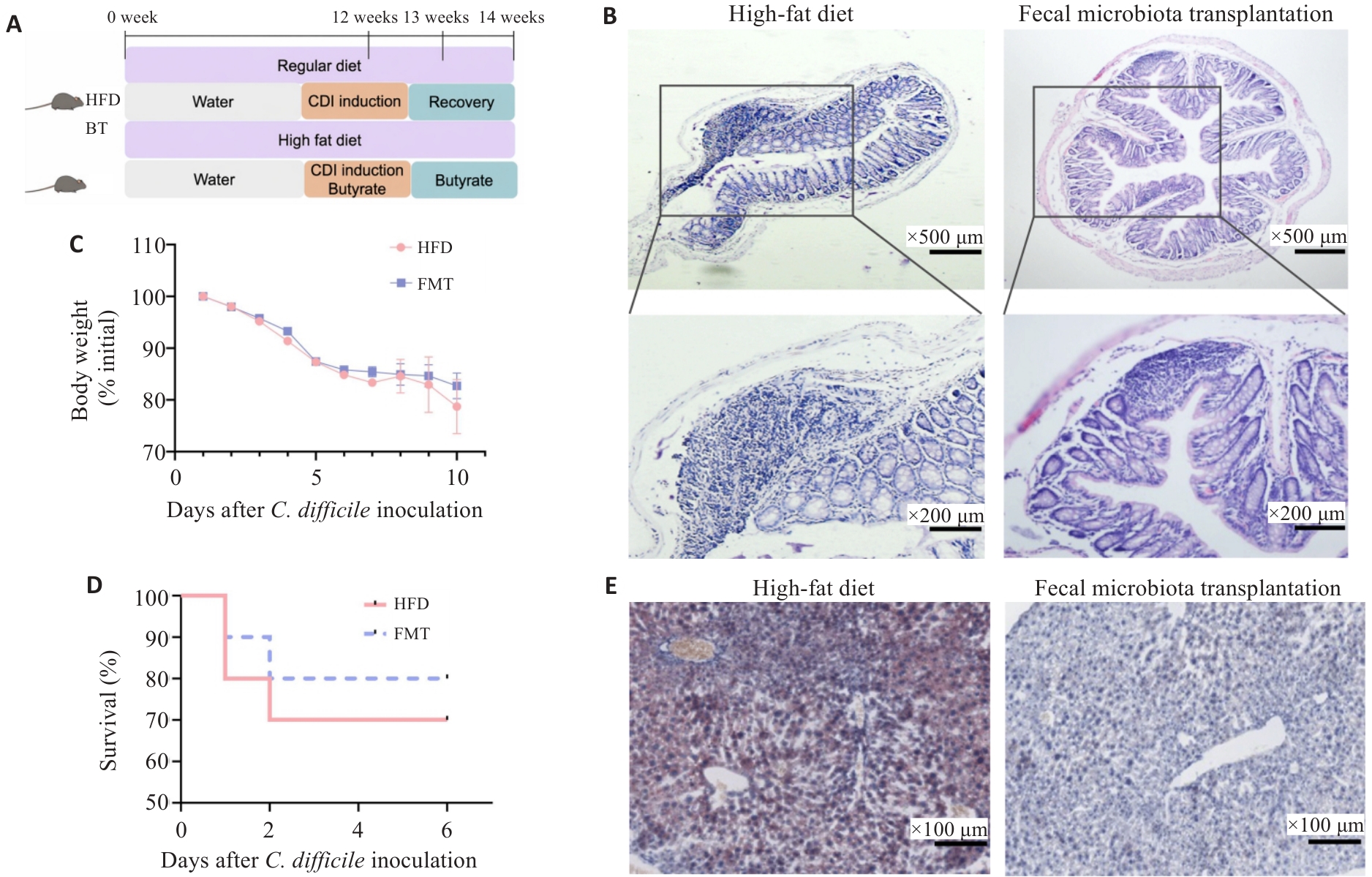
Fig.9 Fecal microbiota transplantation (FMT) ameliorates severity of CDI in HFD mice. A: Schematic diagram of FMT intervention experiment in HFD-CDI mice. B: HE staining of colon tissues. C: Changes in body weight after inoculation with Clostridioides difficile. D: Survival rate after inoculation with Clostridioides difficile. E: Oil Red O staining of liver tissues. FMT: Fecal microbiota transplantation.
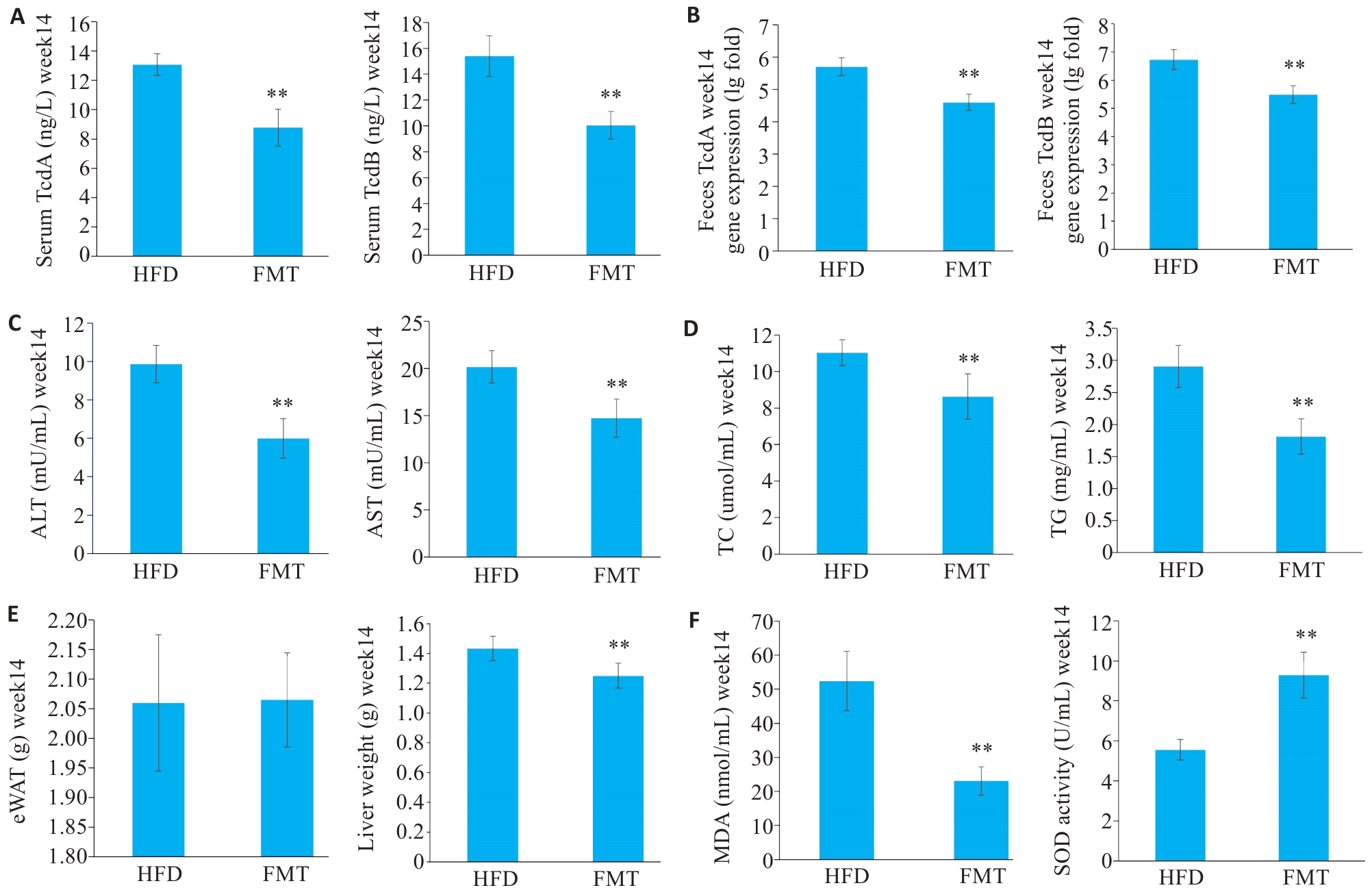
Fig.10 Fecal microbiota transplantation (FMT) ameliorates severity of CDI in HFD mice. A: Serum levels of TcdA and TcdB. B: Feces levels of TcdA and TcdB. C: Serum ALT and AST levels. D: Serum TG and TC concentrations. E: eWAT weight and liver weight. F: SOD activity and MDA levels. Data are presented as Mean±SD, n=6. **P<0.01 vs HFD.
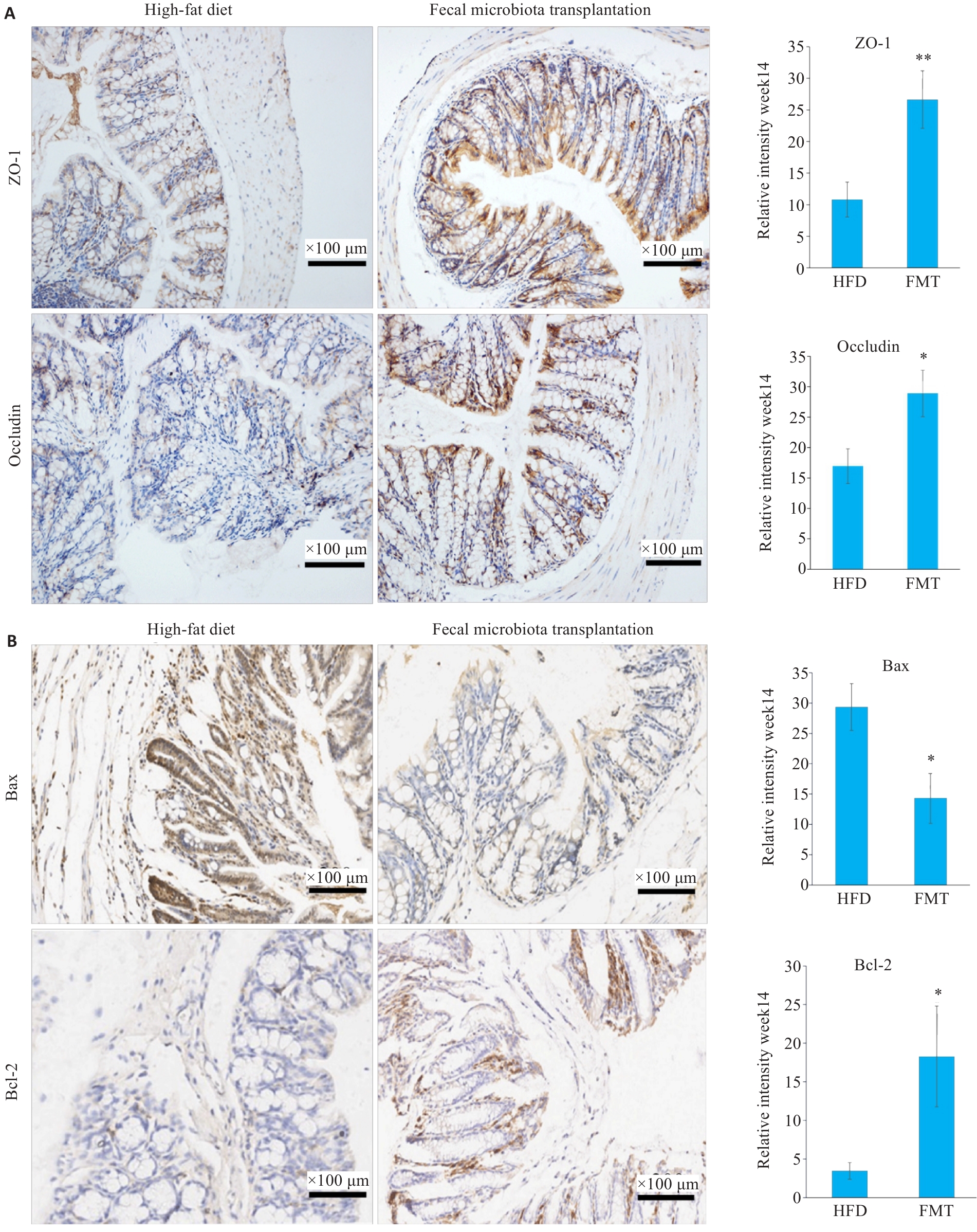
Fig.11 FMT ameliorates intestinal barrier function impairment in HFD mice with CDI. A: Immunohistochemical analysis of intestinal barrier markers in mouse colon tissues. B Immunohistochemical analysis of Bax and Bcl-2. Data are presented as Mean±SD(n=6). *P<0.05, **P<0.01 vs HFD.
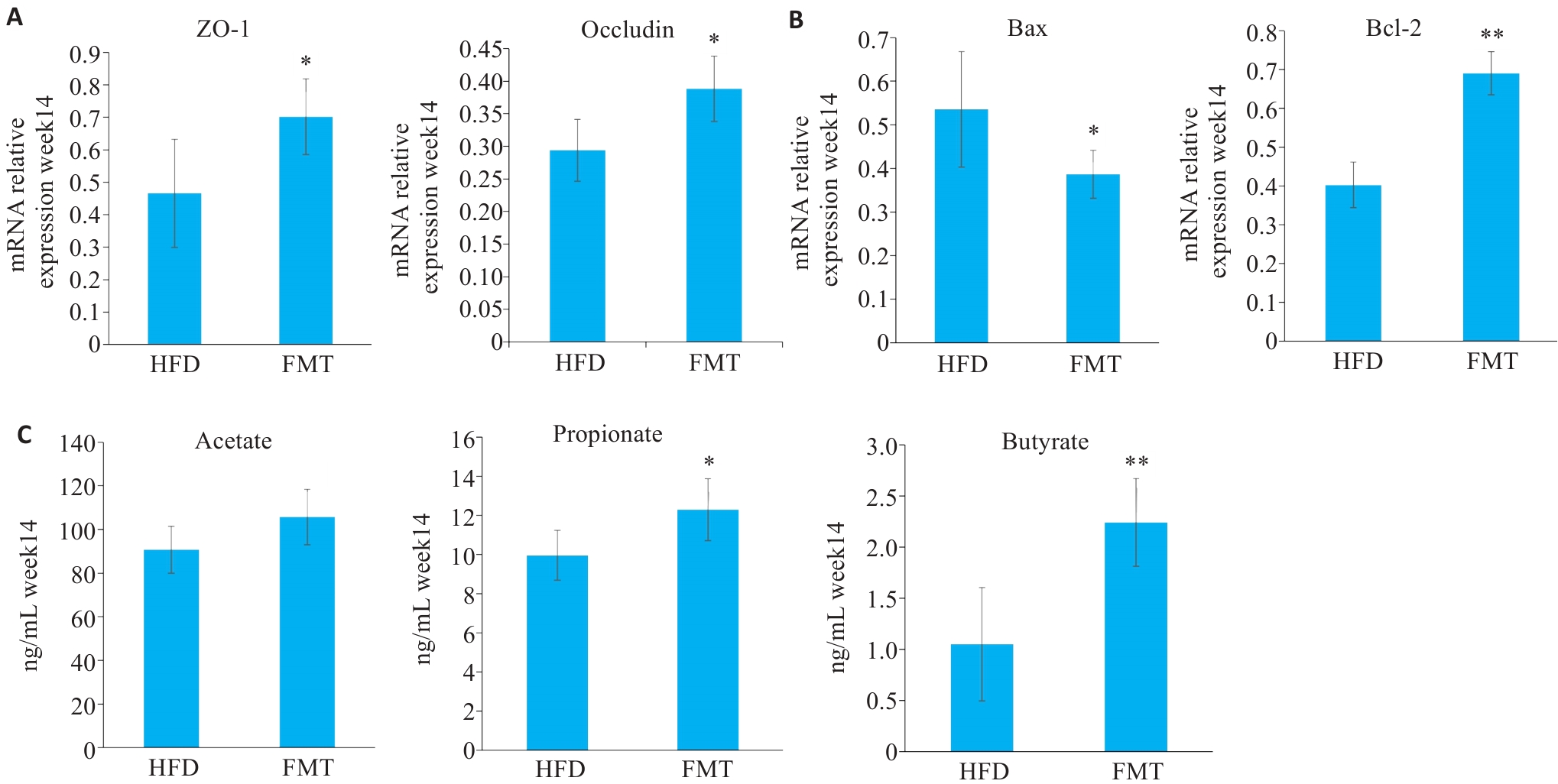
Fig. 12 MT ameliorates intestinal barrier function impairment in HFD mice with CDI. A: RT-PCR results of intestinal barrier-related genes. B: RT-PCR results of apoptosis-related genes. C: SCFA concentrations in HFD+CDI mice after FMT treatment. Data are presented as Mean±SD (n=6). *P<0.05, **P<0.01 vs HFD.
| [1] | Turner NA, Anderson DJ. Hospital infection control: Clostridioides difficile [J]. Clin Colon Rectal Surg, 2020, 33(2): 98-108. doi:10.1055/s-0040-1701234 |
| [2] | Bishara J, Farah R, Mograbi J, et al. Obesity as a risk factor for Clostridium difficile infection[J]. Clin Infect Dis, 2013, 57(4): 489-93. doi:10.1093/cid/cit280 |
| [3] | Mulki R, Baumann AJ, Alnabelsi T, et al. Body mass index greater than 35 is associated with severe Clostridium difficile infection[J]. Aliment Pharmacol Ther, 2017, 45(1): 75-81. doi:10.1111/apt.13832 |
| [4] | Nathanson BH, Higgins TL, McGee WT. The dangers of extreme body mass index values in patients with Clostridium difficile [J]. Infection, 2017, 45(6): 787-93. doi:10.1007/s15010-017-1036-x |
| [5] | Le Chatelier E, Nielsen T, Qin JJ, et al. Richness of human gut microbiome correlates with metabolic markers[J]. Nature, 2013, 500(7464): 541-6. |
| [6] | Turnbaugh PJ, Hamady M, Yatsunenko T, et al. A core gut microbiome in obese and lean twins[J]. Nature, 2009, 457(7228): 480-4. doi:10.1038/nature07540 |
| [7] | Cotillard A, Kennedy SP, Kong LC, et al. Dietary intervention impact on gut microbial gene richness[J]. Nature, 2013, 500(7464): 585-8. doi:10.1038/nature12738 |
| [8] | Boulangé CL, Neves AL, Chilloux J, et al. Impact of the gut microbiota on inflammation, obesity, and metabolic disease[J]. Genome Med, 2016, 8(1): 42. doi:10.1186/s13073-016-0303-2 |
| [9] | Kelly CR, Fischer M, Allegretti JR, et al. ACG clinical guidelines: prevention, diagnosis, and treatment of Clostridioides difficile infections[J]. Am J Gastroenterol, 2021, 116(6): 1124-47. doi:10.14309/ajg.0000000000001278 |
| [10] | Chiu CW, Tsai PJ, Lee CC, et al. Application of microbiome management in therapy for Clostridioides difficile infections: from fecal microbiota transplantation to probiotics to microbiota-preserving antimicrobial agents[J]. Pathogens, 2021, 10(6): 649. doi:10.3390/pathogens10060649 |
| [11] | de Vos WM, Tilg H, Van Hul M, et al. Gut microbiome and health: mechanistic insights[J]. Gut, 2022, 71(5): 1020-32. doi:10.1136/gutjnl-2021-326789 |
| [12] | Qin JJ, Li YR, Cai ZM, et al. A metagenome-wide association study of gut microbiota in type 2 diabetes[J]. Nature, 2012, 490(7418): 55-60. |
| [13] | Fei N, Zhao LP. An opportunistic pathogen isolated from the gut of an obese human causes obesity in germfree mice[J]. ISME J, 2013, 7(4): 880-4. doi:10.1038/ismej.2012.153 |
| [14] | Hazleton KZ, Martin CG, Orlicky DJ, et al. Dietary fat promotes antibiotic-induced Clostridioides difficile mortality in mice[J]. NPJ Biofilms Microbiomes, 2022, 8(1): 15. doi:10.1038/s41522-022-00276-1 |
| [15] | Mefferd CC, Bhute SS, Phan JR, et al. A high-fat/high-protein, atkins-type diet exacerbates Clostridioides (Clostridium) difficile infection in mice, whereas a high-carbohydrate diet protects[J]. mSystems, 2020, 5(1): e00765-19. doi:10.1128/msystems.00765-19 |
| [16] | Blaak EE, Canfora EE, Theis S, et al. Short chain fatty acids in human gut and metabolic health[J]. Benef Microbes, 2020, 11(5): 411-55. doi:10.3920/bm2020.0057 |
| [17] | Litvak Y, Byndloss MX, Bäumler AJ. Colonocyte metabolism shapes the gut microbiota[J]. Science, 2018, 362(6418): eaat9076. doi:10.1126/science.aat9076 |
| [18] | Tian HL, Cui JQ, Ye C, et al. Depletion of butyrate-producing microbes of the Firmicutes predicts nonresponse to FMT therapy in patients with recurrent Clostridium difficile infection[J]. Gut Microbes, 2023, 15(1): 2236362. doi:10.1080/19490976.2023.2236362 |
| [19] | Stoeva MK, Garcia-So J, Justice N, et al. Butyrate-producing human gut symbiont, Clostridium butyricum, and its role in health and disease[J]. Gut Microbes, 2021, 13(1): 1907272. doi:10.1080/19490976.2021.1907272 |
| [20] | Wang SQ, Xiang LY, Li F, et al. Butyrate protects against Clostridium difficile infection by regulating bile acid metabolism[J]. Microbiol Spectr, 2023, 11(4): e04479-22. doi:10.1128/spectrum.04479-22 |
| [21] | Fachi JL, de Souza Felipe J, Pral LP, et al. Butyrate protects mice from Clostridium difficile-induced colitis through an HIF-1-dependent mechanism[J]. Cell Rep, 2019, 27(3): 750-61.e7. doi:10.1016/j.celrep.2019.03.054 |
| [22] | Wang SQ, Lv D, Jiang SH, et al. Quantitative reduction in short-chain fatty acids, especially butyrate, contributes to the progression of chronic kidney disease[J]. Clin Sci, 2019, 133(17): 1857-70. doi:10.1042/cs20190171 |
| [23] | Qiu JX, Ma YH, Qiu J. Regulation of intestinal immunity by dietary fatty acids[J]. Mucosal Immunol, 2022, 15(5): 846-56. doi:10.1038/s41385-022-00547-2 |
| [24] | Sun PH, Wang ML, Liu YX, et al. High-fat diet-disturbed gut microbiota-colonocyte interactions contribute to dysregulating peripheral tryptophan-kynurenine metabolism[J]. Microbiome, 2023, 11(1): 154. doi:10.1186/s40168-023-01606-x |
| [25] | Schaeffler A, Gross P, Buettner R, et al. Fatty acid-induced induction of Toll-like receptor-4/nuclear factor-kappaB pathway in adipocytes links nutritional signalling with innate immunity[J]. Immunology, 2009, 126(2): 233-45. doi:10.1111/j.1365-2567.2008.02892.x |
| [26] | Hryckowian AJ, Van Treuren W, Smits SA, et al. Microbiota-accessible carbohydrates suppress Clostridium difficile infection in a murine model[J]. Nat Microbiol, 2018, 3(6): 662-9. doi:10.1038/s41564-018-0150-6 |
| [27] | Pensinger DA, Fisher AT, Dobrila HA, et al. Butyrate differentiates permissiveness to Clostridioides difficile infection and influences growth of diverse C. difficile isolates[J]. Infect Immun, 2023, 91(2): e00570-22. doi:10.1128/iai.00570-22 |
| [28] | Pensinger DA, Dobrila HA, Stevenson DM, et al. Exogenous butyrate inhibits butyrogenic metabolism and alters virulence phenotypes in Clostridioides difficile [J]. mBio, 2024, 15(3): e02535-23. doi:10.1128/mbio.02535-23 |
| [29] | Karlsson S, Lindberg A, Norin E, et al. Toxins, butyric acid, and other short-chain fatty acids are coordinately expressed and down-regulated by cysteine in Clostridium difficile [J]. Infect Immun, 2000, 68(10): 5881-8. doi:10.1128/iai.68.10.5881-5888.2000 |
| [30] | Baldassare MA, Bhattacharjee D, Coles JD, et al. Butyrate enhances Clostridioides difficile sporulation in vitro [J]. J Bacteriol, 2023, 205(9): e00138-23. doi:10.1128/jb.00138-23 |
| [31] | Li GF, Lin J, Zhang C, et al. Microbiota metabolite butyrate constrains neutrophil functions and ameliorates mucosal inflammation in inflammatory bowel disease[J]. Gut Microbes, 2021, 13(1): 1968257. doi:10.1080/19490976.2021.1968257 |
| [32] | Salvi PS, Cowles RA. Butyrate and the intestinal epithelium: modulation of proliferation and inflammation in homeostasis and disease[J]. Cells, 2021, 10(7): 1775. doi:10.3390/cells10071775 |
| [33] | Zhou D, Pan Q, Xin FZ, et al. Sodium butyrate attenuates high-fat diet-induced steatohepatitis in mice by improving gut microbiota and gastrointestinal barrier[J]. World J Gastroenterol, 2017, 23(1): 60-75. doi:10.3748/wjg.v23.i1.60 |
| [34] | Coppola S, Avagliano C, Calignano A, et al. The protective role of butyrate against obesity and obesity-related diseases[J]. Molecules, 2021, 26(3): 682. doi:10.3390/molecules26030682 |
| [35] | Luceri C, Femia AP, Fazi M, et al. Effect of butyrate enemas on gene expression profiles and endoscopic/histopathological scores of diverted colorectal mucosa: a randomized trial[J]. Dig Liver Dis, 2016, 48(1): 27-33. doi:10.1016/j.dld.2015.09.005 |
| [36] | Barnes D, Ng K, Smits S, et al. Competitively selected donor fecal microbiota transplantation: butyrate concentration and diversity as measures of donor quality[J]. J Pediatr Gastroenterol Nutr, 2018, 67(2): 185-7. doi:10.1097/mpg.0000000000001940 |
| [37] | Facchin S, Vitulo N, Calgaro M, et al. Microbiota changes induced by microencapsulated sodium butyrate in patients with inflammatory bowel disease[J]. Neurogastroenterol Motil, 2020, 32(10): e13914. doi:10.1111/nmo.13914 |
| [38] | Cao SJ, Budina E, Raczy MM, et al. A serine-conjugated butyrate prodrug with high oral bioavailability suppresses autoimmune arthritis and neuroinflammation in mice[J]. Nat Biomed Eng, 2024, 8(5): 611-27. doi:10.1038/s41551-024-01190-x |
| [1] | Lin YIN, Yu ZHANG, Keni ZHANG, Tong QIAO, Longtao ZHANG, Ju HUANG, Jing LI, Jianguo HU, Zhijun GENG. 1,3-dicaffeoylquinic acid mitigates dextran sulfate sodium-induced colitis in mice by alleviating oxidative stress via inhibiting the PI3K/Akt pathway [J]. Journal of Southern Medical University, 2026, 46(6): 1244-1255. |
| [2] | Hexin WEN, Jie LIN, Lugen ZUO, Mulin LIU. Niranthin ameliorates Crohn's disease-like colitis in mice via antagonizing intestinal epithelial cell apoptosis and regulating intestinal Th1/Th2 immune homeostasis [J]. Journal of Southern Medical University, 2026, 46(3): 655-665. |
| [3] | Binjie LI, Xiaofang ZHOU, Xiaomeng LANG, Xin KANG, Jianping LIU. Xiezhuo Jiedu Recipe improves ulcerative colitis in rats by regulating Th17/Treg immune balance [J]. Journal of Southern Medical University, 2026, 46(2): 335-344. |
| [4] | Lin YIN, Keni ZHANG, Tong QIAO, Minzhu NIU, Lixia YIN, Xinyue LIU, Zhijun GENG, Jing LI, Jianguo HU. Veratric acid relieves oxidative stress and DSS-induced colitis in mice by activating the Nrf2/HO-1 signaling pathway [J]. Journal of Southern Medical University, 2026, 46(2): 403-411. |
| [5] | Linlin HUANG, Wang ZHENG, Jianguo HU, Xue SONG, Lu TAO, Zhijun GENG, Jing LI, Lugen ZUO, Sitang GE. Verbenalin ameliorates intestinal inflammation and colitis in a mouse model of Crohn's disease by inhibiting the PI3K-AKT pathway [J]. Journal of Southern Medical University, 2026, 46(2): 423-433. |
| [6] | Tong QIAO, Lin YIN, Keni ZHANG, Minzhu NIU, Ju HUANG, Zhijun Geng, Jing LI, Jianguo HU. Poricoic acid A alleviates dextran sulfate sodium-induced colitis in mice by regulating AMPK/mTOR-mediated autophagy and inhibiting intestinal epithelial cell apoptosis [J]. Journal of Southern Medical University, 2026, 46(1): 131-140. |
| [7] | Minzhu NIU, Lixia YIN, Tong QIAO, Lin YIN, Keni ZHANG, Jianguo HU, Chuanwang SONG, Zhijun GENG, Jing LI. Ecliptasaponin A ameliorates DSS-induced colitis in mice by suppressing M1 macrophage polarization via inhibiting the JAK2/STAT3 pathway [J]. Journal of Southern Medical University, 2025, 45(6): 1297-1306. |
| [8] | Lixia YIN, Minzhu NIU, Keni ZHANG, Zhijun GENG, Jianguo HU, Jiangyan LI, Jing LI. Cimifugin ameliorates Crohn's disease-like colitis in mice by modulating Th-cell immune balance via inhibiting the MAPK pathway [J]. Journal of Southern Medical University, 2025, 45(3): 595-602. |
| [9] | Xiaofeng LI, Taochun YE, Lu XI, Chunqiao LI, Huihui LIU. Acupuncture alleviates chronic airway inflammation in obese asthmatic mice by downregulating Vnn1 and FAM126B [J]. Journal of Southern Medical University, 2025, 45(12): 2573-2584. |
| [10] | Qingqing HUANG, Jingjing YANG, Xuening JIANG, Wenjing ZHANG, Yu WANG, Lugen ZUO, Lian WANG, Yueyue WANG, Xiaofeng ZHANG, Xue SONG, Jianguo HU. Hypaphorine alleviates Crohn's disease-like colitis in mice by inhibiting intestinal epithelial inflammatory response and protecting intestinal barrier function [J]. Journal of Southern Medical University, 2025, 45(11): 2456-2465. |
| [11] | Menglu DONG, Tian ZHU, Junwen MA, Xiaohong DU, Yuan FENG. Reoxygenation improves reduced hypothalamic leptin responsiveness induced by intermittent hypoxia in obese rats [J]. Journal of Southern Medical University, 2024, 44(9): 1696-1703. |
| [12] | Shuo LIU, Jing LI, Xingwang WU. Swertiamarin ameliorates 2,4,6-trinitrobenzenesulfonic acid-induced colitis in mice by inhibiting intestinal epithelial cell apoptosis [J]. Journal of Southern Medical University, 2024, 44(8): 1545-1552. |
| [13] | Huaxing HE, Lulin LIU, Yingyin LIU, Nachuan CHEN, Suxia SUN. Sodium butyrate and sorafenib synergistically inhibit hepatocellular carcinoma cells possibly by inducing ferroptosis through inhibiting YAP [J]. Journal of Southern Medical University, 2024, 44(7): 1425-1430. |
| [14] | Feixia WANG, Zheng ZHANG, Yan SUN, Liujing YANG, Tongtong GUO, Yeting PAN, Songtao DING, Lin JIANG, Handeng LIU. Bmal1 mediates the neuroprotective effect of sodium butyrate in a mouse model of Parkinson's disease [J]. Journal of Southern Medical University, 2024, 44(5): 876-884. |
| [15] | BAO Hansheng, WANG Sutong, LÜ Mujie, WANG Yongcheng, JIANG Ping, LI Xiao. Activation of α7 nAChR improves white fat homeostasis and promotes beige adipogenesis and thermogenesis in obese mice [J]. Journal of Southern Medical University, 2024, 44(3): 499-506. |
| Viewed | ||||||
|
Full text |
|
|||||
|
Abstract |
|
|||||