
Journal of Southern Medical University ›› 2026, Vol. 46 ›› Issue (9): 2206-2221.doi: 10.12122/j.issn.1673-4254.2026.09.19
Yuanyuan MA1,3( ), Yue LIU1(), Ning GAO1,2(), Yumeng HUO1, Meini CHEN1,2, Jiawen LI1, Jiahao LIU1, Manqiu ZHANG1, Bingbing YAN1, Nuo XU1, Jumei ZHAO1,2()
Received:2025-12-04
Online:2026-09-20
Published:2026-09-30
Contact:
Jumei ZHAO
E-mail:304769958@qq.com;liuyue10222001@163.com;yadxgaoning@163.com;jmz2003.stu@163.com
Yuanyuan MA, Yue LIU, Ning GAO, Yumeng HUO, Meini CHEN, Jiawen LI, Jiahao LIU, Manqiu ZHANG, Bingbing YAN, Nuo XU, Jumei ZHAO. Multiple components in Astragalus Injection target CCL2/FOS/PPARG/CXCL8 to suppress cervical cancer progression[J]. Journal of Southern Medical University, 2026, 46(9): 2206-2221.
Add to citation manager EndNote|Ris|BibTeX
URL: https://www.j-smu.com/EN/10.12122/j.issn.1673-4254.2026.09.19
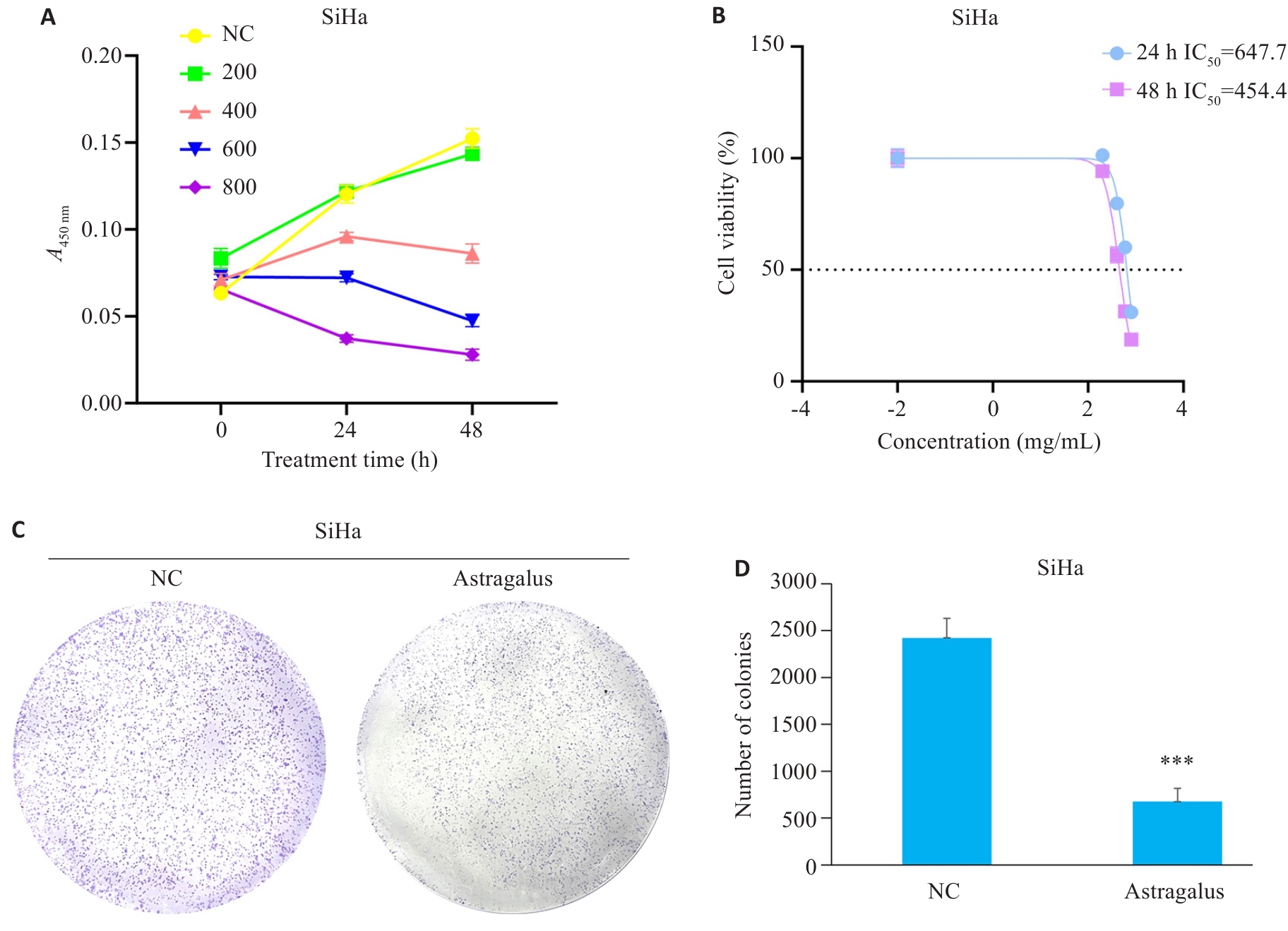
Fig.1 Astragalus Injection inhibits the proliferation of cervical cancer cells. A: CCK-8 assay for assessing proliferation of SiHa cells treated with Astragalus Injection for 0, 24, and 48 h. B: SiHa cell viability after intervention with different concentrations of Astragalus Injection for 24 and 48 h. C: Colony formation assay for assessing the effect of Astragalus Injection on proliferation of SiHa cells. D: Quantitative analysis of cell colony formation (n=3). ***P<0.001 vs NC.
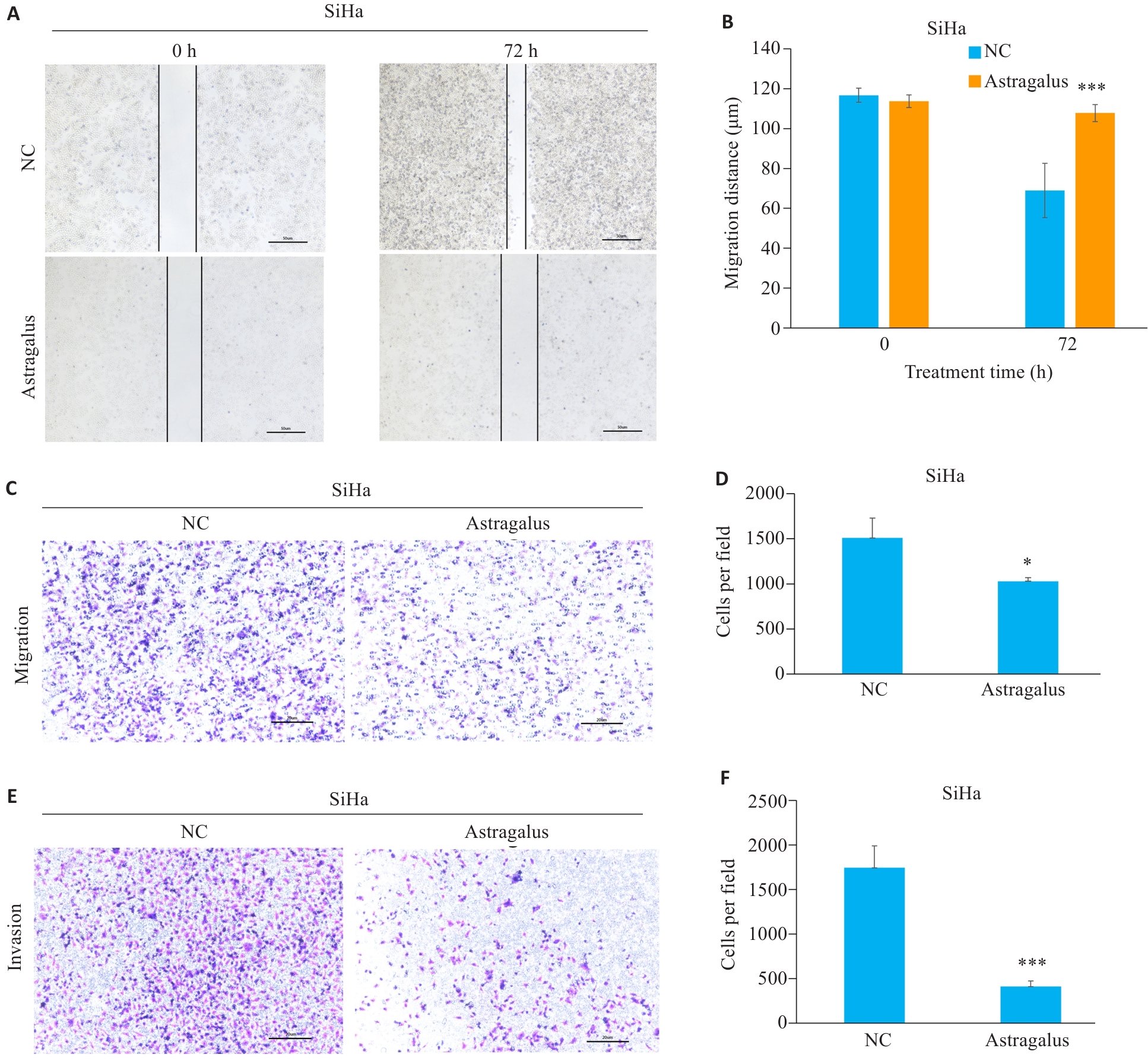
Fig.2 Astragalus Injection inhibits migration and invasion of cervical cancer cells. A, B: Scratch assay for assessing the effect of Astragalus Injection on migration of cervical cancer cells (Scale bar=50 μm; n=3). C, D: Transwell assay for assessing migratory ability of SiHa cells (Scale bar=20 μm; n=3). E, F: Transwell assay for evaluating invasive ability of SiHa cells (n=3). *P<0.05, ***P<0.001 vs NC.
| Mol ID | Molecule name | OB (%) | DL |
|---|---|---|---|
| MOL000211 | Mairin | 55.38 | 0.78 |
| MOL000239 | Jaranol | 50.83 | 0.29 |
| MOL000296 | hederagenin | 36.91 | 0.75 |
| MOL000033 | (3S,8S,9S,10R,13R,14S,17R)-10,13-dimethyl-17-[(2R,5S)-5-propan-2-yloctan-2-yl]-2,3,4,7, 8,9,11,12,14,15,16,17-dodecahydro-1H-cyclopenta[a]phenanthren-3-ol | 36.23 | 0.78 |
| MOL000354 | isorhamnetin | 49.6 | 0.31 |
| MOL000371 | 3,9-di-O-methylnissolin | 53.74 | 0.48 |
| MOL000374 | 5'-hydroxyiso-muronulatol-2',5'-di-O-glucoside | 41.72 | 0.69 |
| MOL000378 | 7-O-methylisomucronulatol | 74.69 | 0.3 |
| MOL000379 | 9,10-dimethoxypterocarpan-3-O-β-D-glucoside | 36.74 | 0.92 |
| MOL000380 | (6aR,11aR)-9,10-dimethoxy-6a,11a-dihydro-6H-benzofurano[3,2-c]chromen-3-ol | 64.26 | 0.42 |
| MOL000387 | Bifendate | 31.1 | 0.67 |
| MOL000392 | formononetin | 69.67 | 0.21 |
| MOL000398 | isoflavanone | 109.99 | 0.3 |
| MOL000417 | Calycosin | 47.75 | 0.24 |
| MOL000422 | kaempferol | 41.88 | 0.24 |
| MOL000433 | FA | 68.96 | 0.71 |
| MOL000438 | (3R)-3-(2-hydroxy-3,4-dimethoxyphenyl)chroman-7-ol | 67.67 | 0.26 |
| MOL000439 | isomucronulatol-7,2'-di-O-glucosiole | 49.28 | 0.62 |
| MOL000442 | 1,7-Dihydroxy-3,9-dimethoxy pterocarpene | 39.05 | 0.48 |
| MOL000098 | quercetin | 46.43 | 0.28 |
Tab.1 Information of active components of Astragalus Injection
| Mol ID | Molecule name | OB (%) | DL |
|---|---|---|---|
| MOL000211 | Mairin | 55.38 | 0.78 |
| MOL000239 | Jaranol | 50.83 | 0.29 |
| MOL000296 | hederagenin | 36.91 | 0.75 |
| MOL000033 | (3S,8S,9S,10R,13R,14S,17R)-10,13-dimethyl-17-[(2R,5S)-5-propan-2-yloctan-2-yl]-2,3,4,7, 8,9,11,12,14,15,16,17-dodecahydro-1H-cyclopenta[a]phenanthren-3-ol | 36.23 | 0.78 |
| MOL000354 | isorhamnetin | 49.6 | 0.31 |
| MOL000371 | 3,9-di-O-methylnissolin | 53.74 | 0.48 |
| MOL000374 | 5'-hydroxyiso-muronulatol-2',5'-di-O-glucoside | 41.72 | 0.69 |
| MOL000378 | 7-O-methylisomucronulatol | 74.69 | 0.3 |
| MOL000379 | 9,10-dimethoxypterocarpan-3-O-β-D-glucoside | 36.74 | 0.92 |
| MOL000380 | (6aR,11aR)-9,10-dimethoxy-6a,11a-dihydro-6H-benzofurano[3,2-c]chromen-3-ol | 64.26 | 0.42 |
| MOL000387 | Bifendate | 31.1 | 0.67 |
| MOL000392 | formononetin | 69.67 | 0.21 |
| MOL000398 | isoflavanone | 109.99 | 0.3 |
| MOL000417 | Calycosin | 47.75 | 0.24 |
| MOL000422 | kaempferol | 41.88 | 0.24 |
| MOL000433 | FA | 68.96 | 0.71 |
| MOL000438 | (3R)-3-(2-hydroxy-3,4-dimethoxyphenyl)chroman-7-ol | 67.67 | 0.26 |
| MOL000439 | isomucronulatol-7,2'-di-O-glucosiole | 49.28 | 0.62 |
| MOL000442 | 1,7-Dihydroxy-3,9-dimethoxy pterocarpene | 39.05 | 0.48 |
| MOL000098 | quercetin | 46.43 | 0.28 |
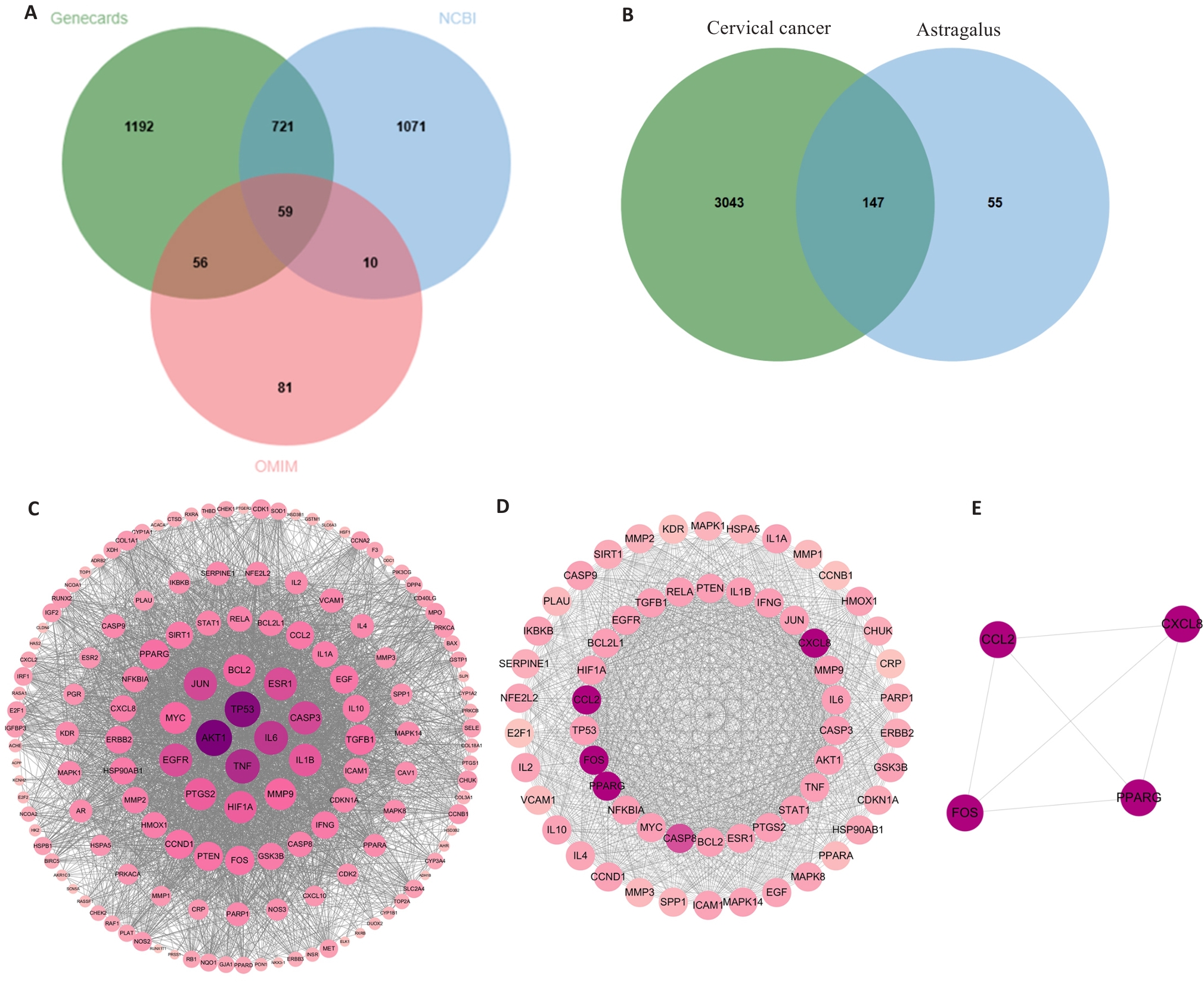
Fig.3 Target screening of Astragalus Injection-cervical cancer interaction. A: Venn diagram of potential targets in cervical cancer. B: Venn diagram of shared targets between astragalus injection and cervical cancer. C: Protein-protein interaction (PPI) network map. D: Subnetwork analysis using MCODE plugin. E: Core targets of Astragalus Injection-cervical cancer interaction.
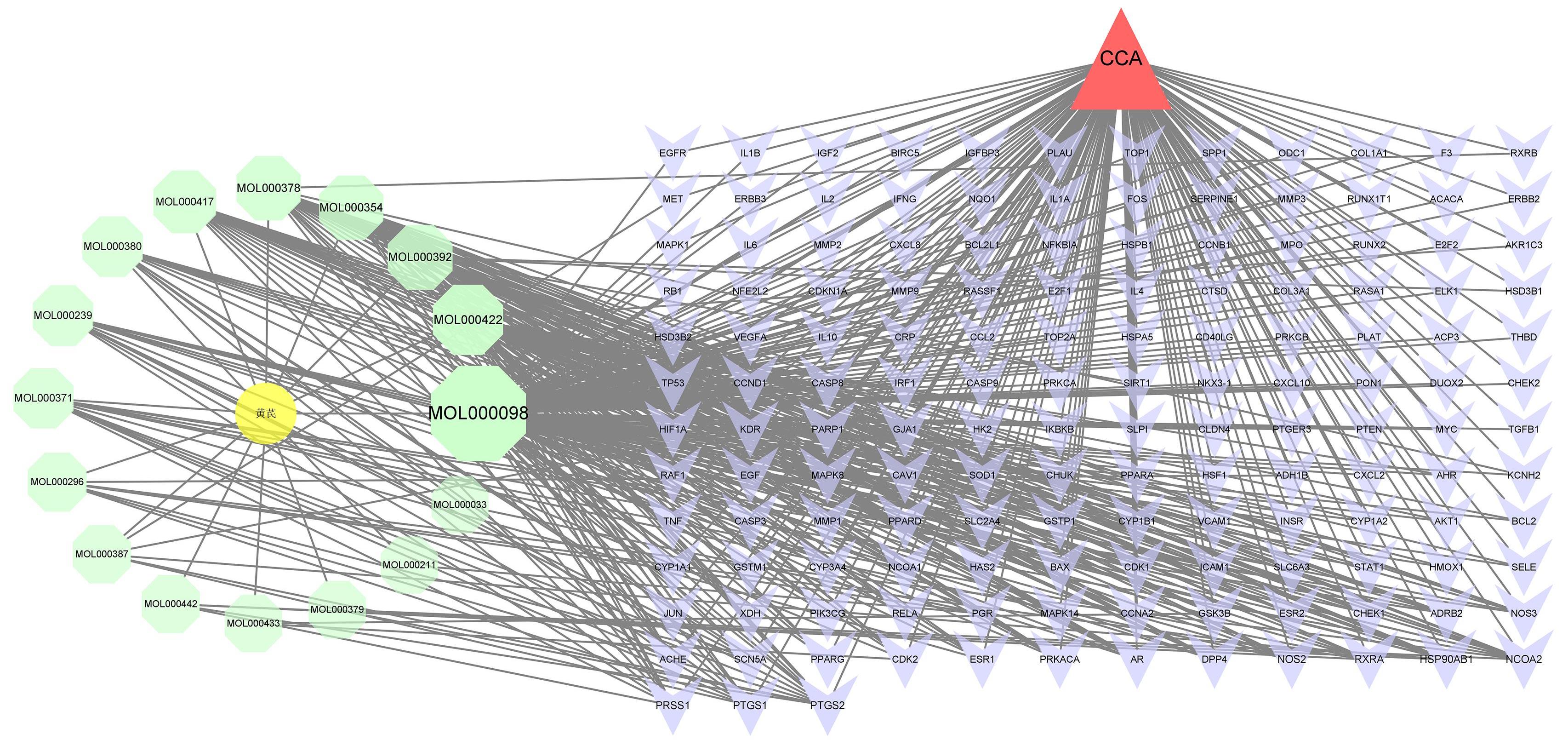
Fig.4 "Traditional Chinese Medicine-Bioactive Compounds -Targets - Diseases" Network Diagram.
| Mol ID | Molecule name | Degree value |
|---|---|---|
| MOL000098 | quercetin | 125 |
| MOL000422 | kaempferol | 44 |
| MOL000392 | formononetin | 27 |
| MOL000354 | isorhamnetin | 25 |
| MOL000378 | 7-O-methylisomucronulatol | 25 |
Tab.2 Top 5 active components of Astragalus Injection by degree value
| Mol ID | Molecule name | Degree value |
|---|---|---|
| MOL000098 | quercetin | 125 |
| MOL000422 | kaempferol | 44 |
| MOL000392 | formononetin | 27 |
| MOL000354 | isorhamnetin | 25 |
| MOL000378 | 7-O-methylisomucronulatol | 25 |
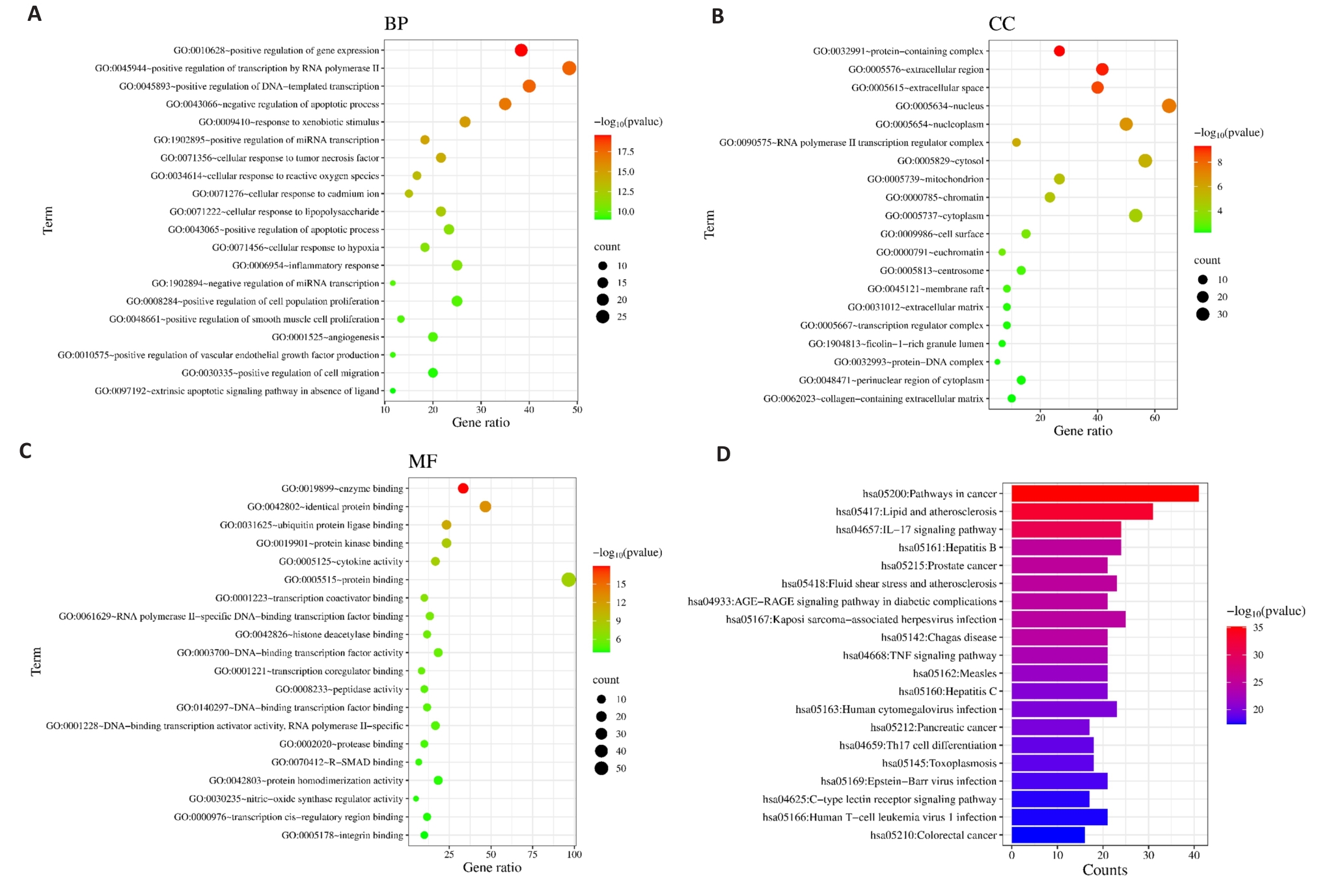
Fig.5 Enrichment analysis of biological process (A), cellular component (B), molecular function (C) and KEGG enrichment analysis (D).
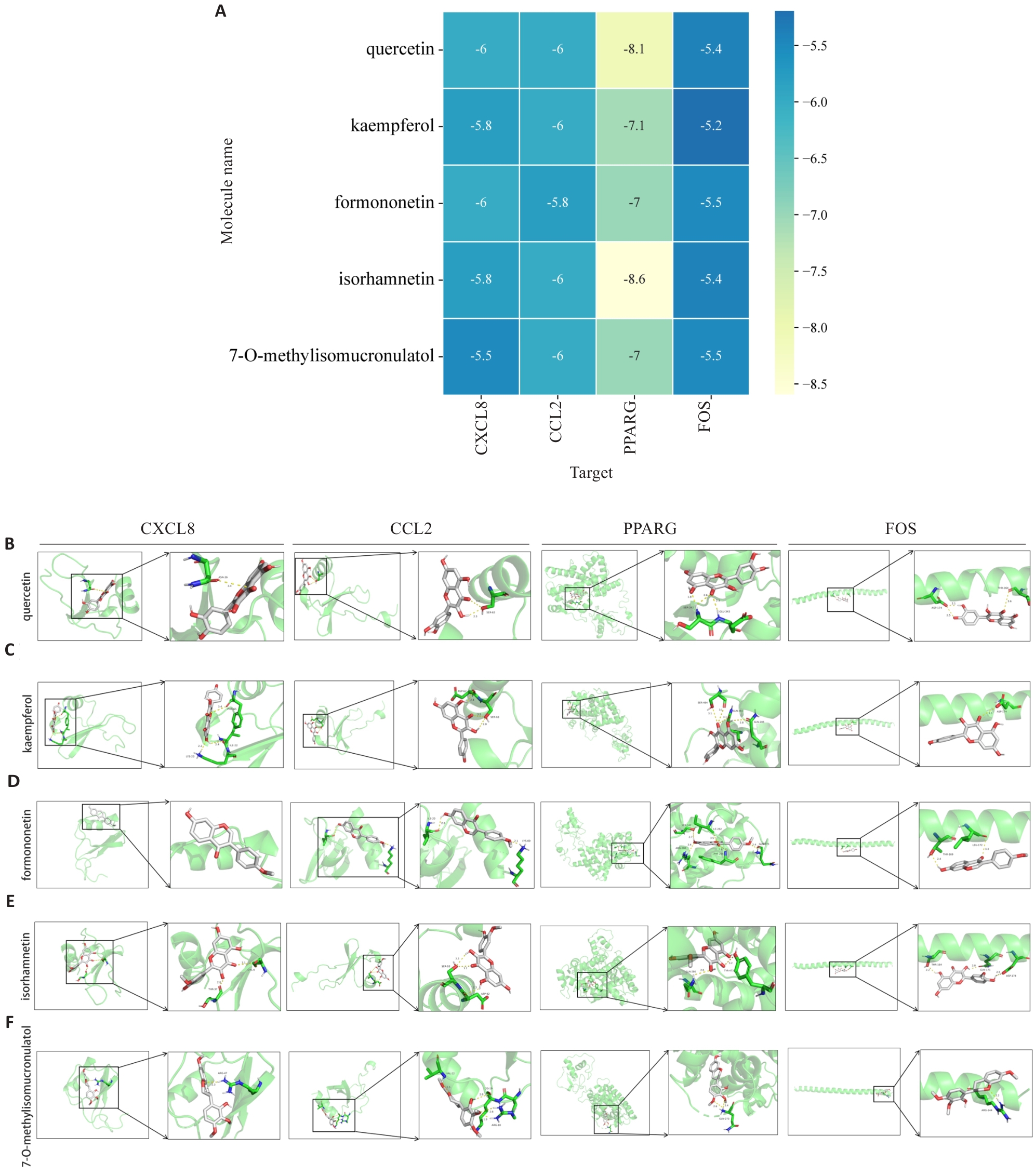
Fig.6 Molecular docking of active components with target proteins. A: Molecular docking binding energy results. B-F: Molecular docking interactions between the active components and CXCL8, CCL2, PPARG, and FOS, respectively.
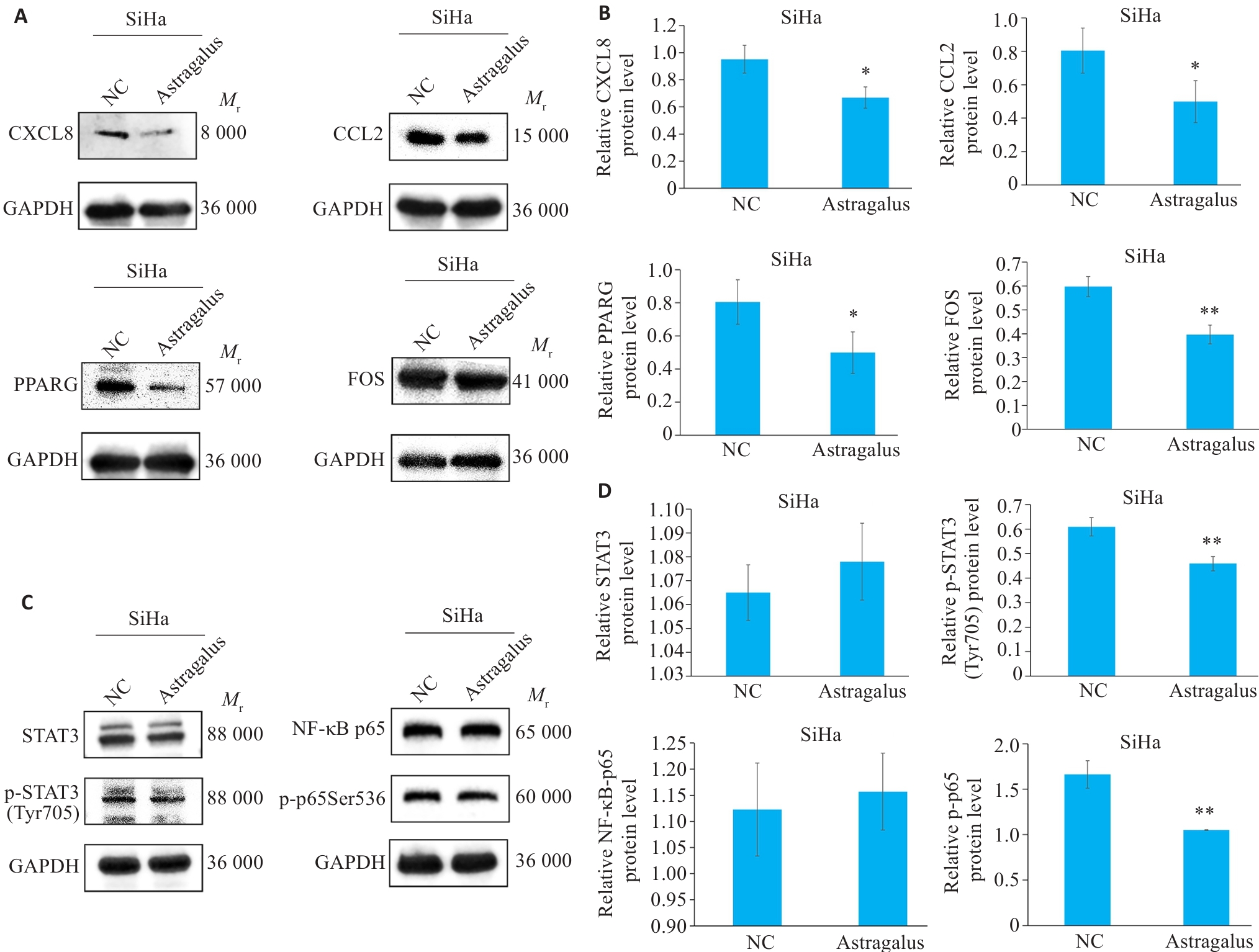
Fig.7 Effect of Astragalus Injection on key pathways and target protein expression in SiHa cells. A, C: Western blotting for assessing alterations in the expression levels of key pathway and target proteins across the experimental groups, with GAPDH serving as the internal reference protein. B, D: Quantitative grayscale analysis of protein expression levels (n=3). *P<0.05, **P<0.01 vs NC.
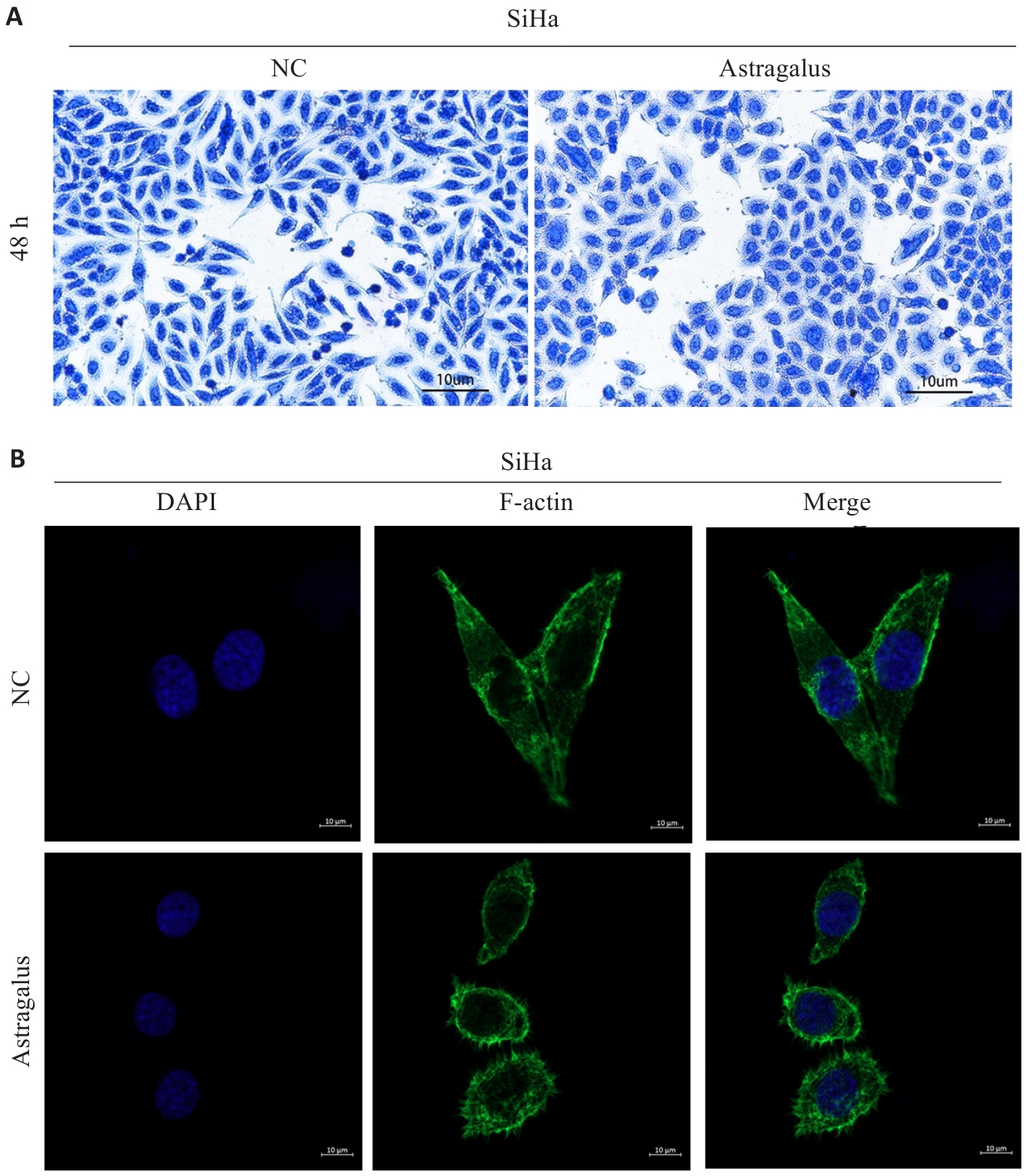
Fig.8 Astragalus Injection disrupts microfilament structure of SiHa cells. A: Morphology of cervical cancer SiHa cells after Astragalus Injection intervention (Coomassie Brilliant Blue staining, Scale bar=10 μm); B: Phalloidin staining of cervical cancer SiHa cells before and after treatment with Astragalus injection (Scale bar=10 μm).
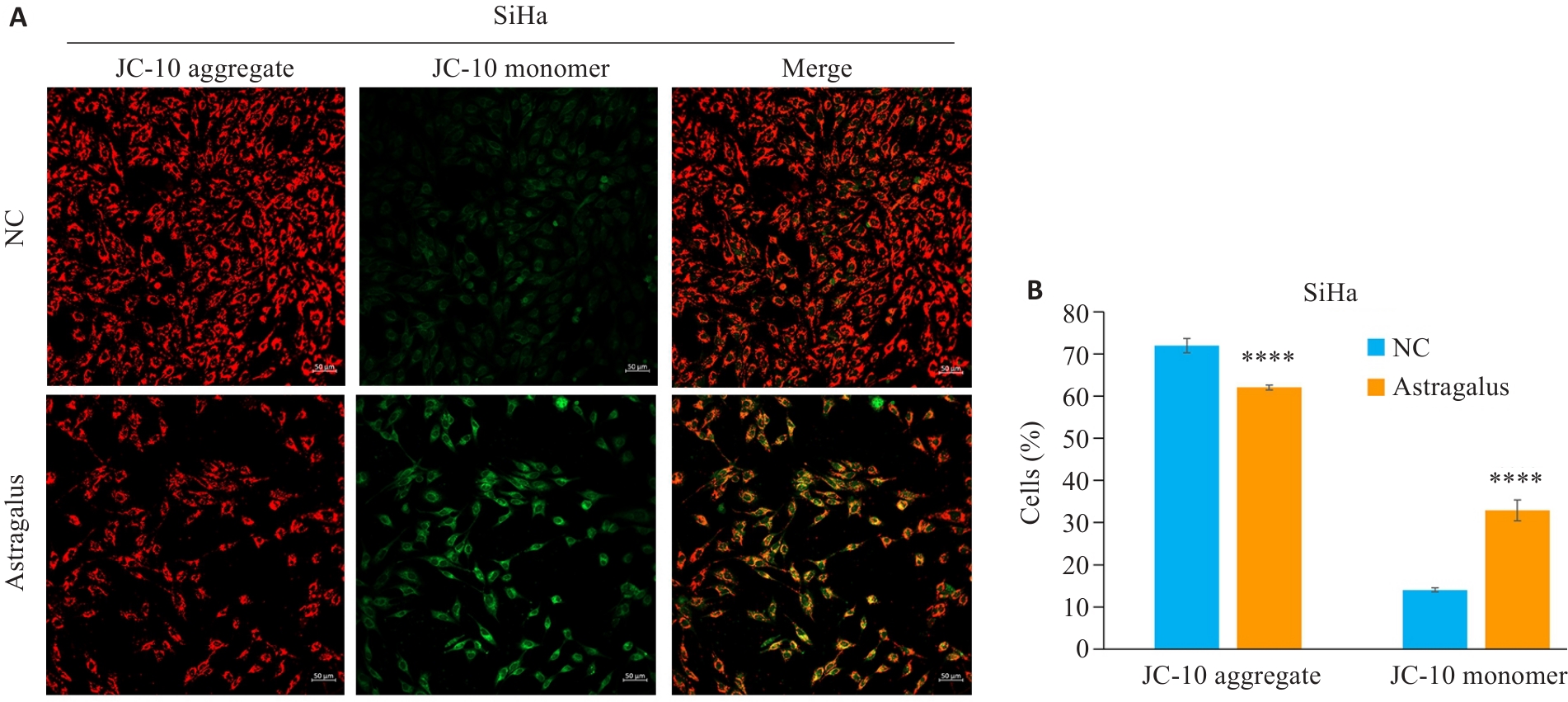
Fig.9 Effectof Astragalus Injection on mitochondrial membrane potential in SiHa Cells. A: JC-10 staining showing normal mitochondrial membrane potential in the control group, exhibiting red fluorescence. In contrast, the Astragalus Injection treatment group showed decreased mitochondrial membrane potential with enhanced green fluorescence (Scale bar=50 μm). B: JC-10 quantitative statistical analysis (n=3). ****P<0.0001 vs NC.
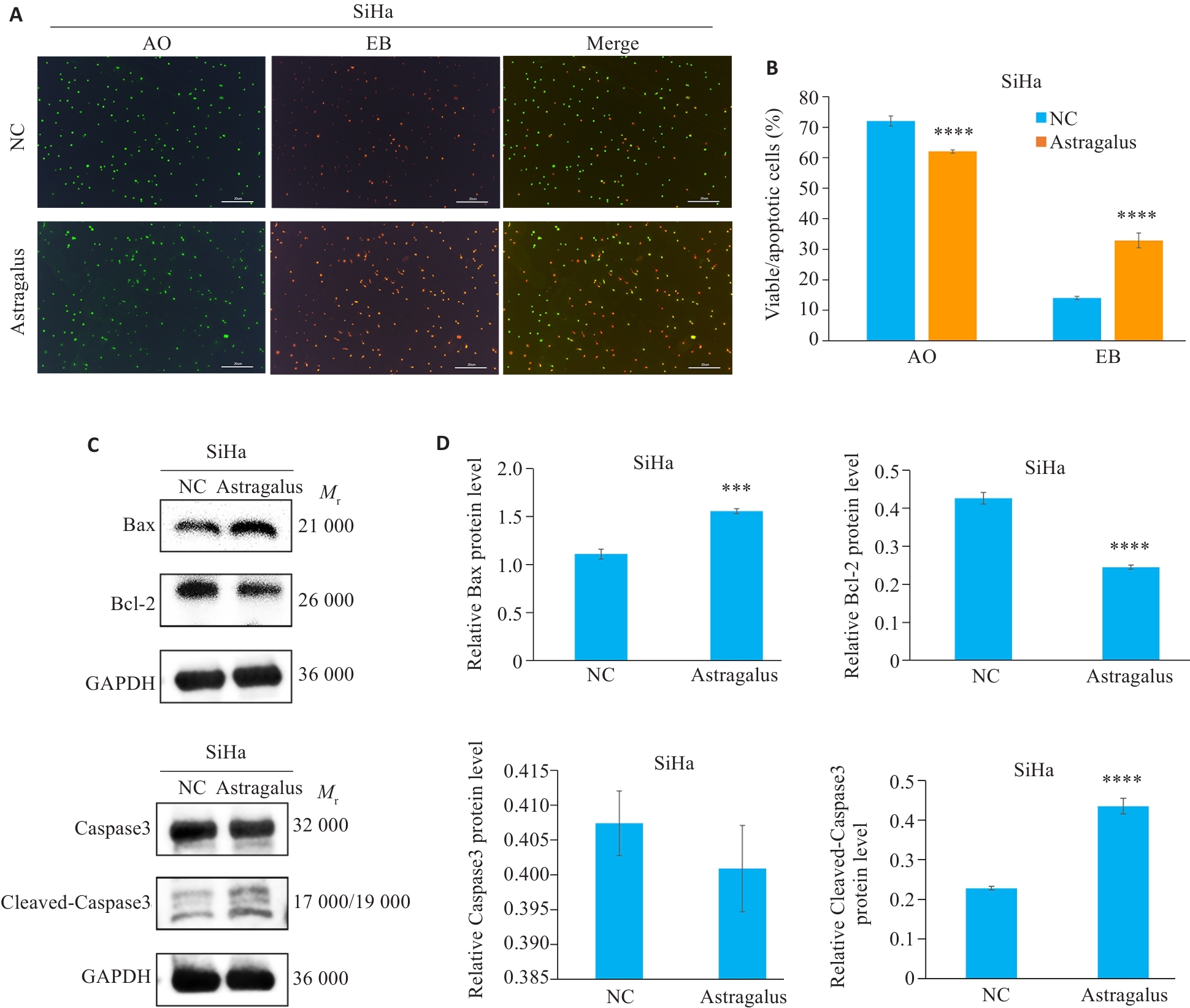
Fig.10 Astragalus Injection promotes apoptosis in SiHa cells. A: Astragalus Injection induces apoptosis via the mitochondrial pathway, as assessed by AO/EB staining.The nuclei in the control group exhibited uniform green fluorescence; The treated cells displayed characteristic apoptotic features, including chromatin condensation (bright green) and nuclear fragmentation (orange-red) (Scale bar=20 μm). B: AO/EB quantitative statistical analysis (n=3). ****P<0.0001 vs NC; C: Western blotting of expression levels of apoptosis-related protein BAX, BCL2, caspase-3, and cleaved caspase-3, with GAPDH serving as the internal control protein. D: Quantitative grayscale analysis of protein expression levels (n=3). ***P< 0.001, ****P<0.0001 vs NC.
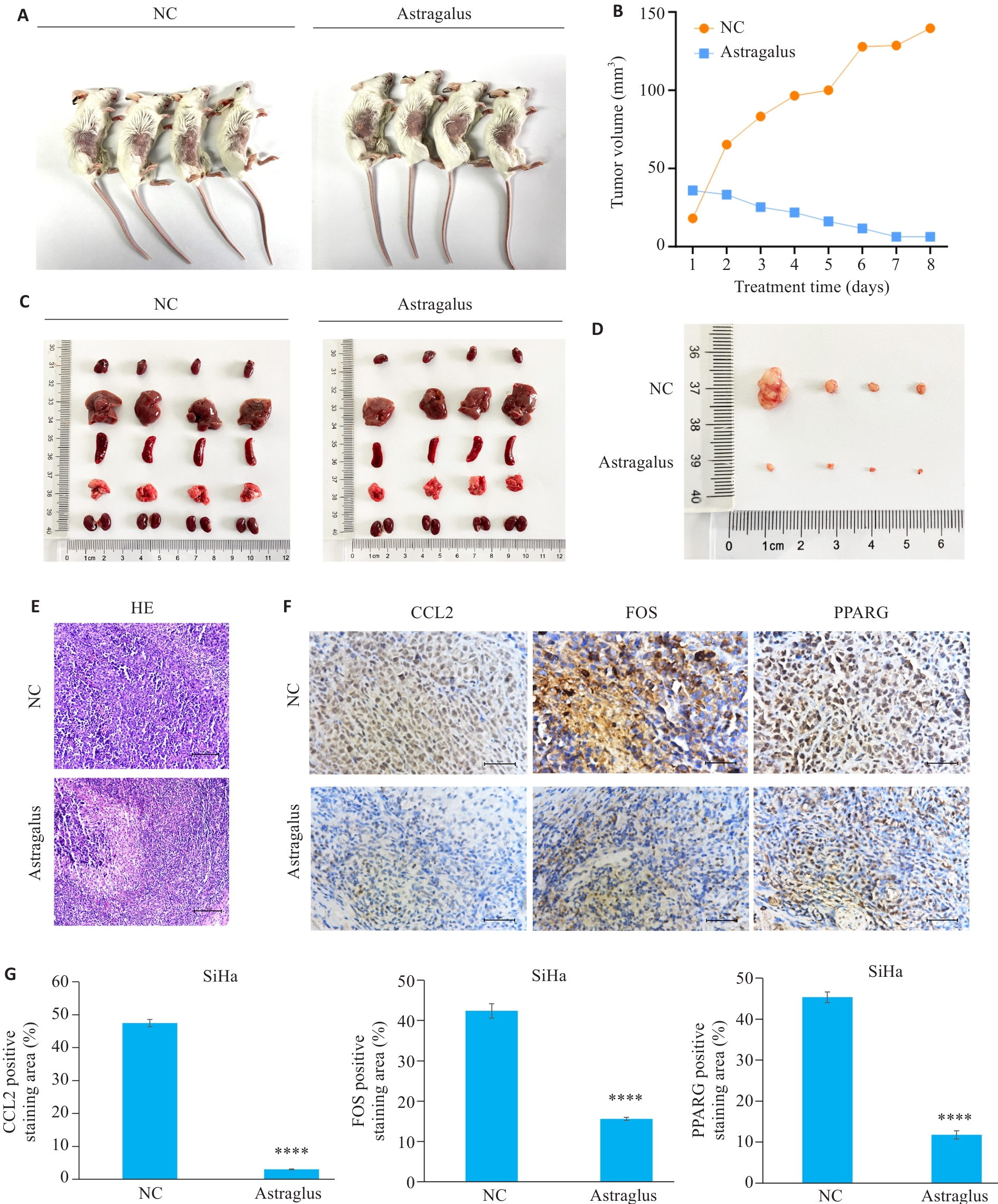
Fig.11 Inhibitory effect of Astragalus injection on cervical cancer xenograft growth in mice. A: Macroscopic observation of subcutaneous tumor-bearing mice in the control group and the Astragalus injection treatment group. B: Tumor volume growth curve (n=4). **P<0.01 vs NC. C: Organ observation of mice in the control group and the Astragalus injection group From top to bottom: heart, liver, spleen, lung, kidney. D: Dissected tumors at the end of treatment. E: Tumor tissue HE staining (Scale bar=10 μm). F: Tumor tissue immunohistochemical staining for CCL2, FOS, and PPARG (Scale bar=5 μm). G: Quantitative analysis of immunohistochemistry results. ****P<0.0001 vs NC.
| [1] | Revathidevi S, Murugan AK, Nakaoka H, et al. APOBEC: a molecular driver in cervical cancer pathogenesis[J]. Cancer Lett, 2021, 496: 104-16. doi:10.1016/j.canlet.2020.10.004 |
| [2] | Duska LR, Podwika SE, Randall LM. Top advances of the year: Cervical cancer[J]. Cancer, 2024, 130(15): 2571-6. doi:10.1002/cncr.35334 |
| [3] | Gopu P, Antony F, Cyriac S, et al. Updates on systemic therapy for cervical cancer[J]. Indian J Med Res, 2021, 154(2): 293-302. doi:10.4103/ijmr.ijmr_4454_20 |
| [4] | Liu YL, Fang C, Luo JJ, et al. Traditional Chinese medicine for cancer treatment[J]. Am J Chin Med, 2024, 52(3): 583-604. doi:10.1142/s0192415x24500253 |
| [5] | 李 倩, 王 璇, 尹东锋. 人宫颈癌紫杉醇耐药细胞株Hela/PTX的建立及其生物特性研究[J]. 中国药师, 2018(5): 787-91. |
| [6] | 张柂儇, 刘海龙, 王瑞琼, 等. 黄芪化学成分和药理作用及Q-marker预测分析[J]. 中国新药杂志, 2023, 32(4): 410-9. |
| [7] | Sheng FY, Yang SY, Li M, et al. Research progress on the anti-cancer effects of Astragalus membranaceus saponins and their mechanisms of action[J]. Molecules, 2024, 29(14): 3388. doi:10.3390/molecules29143388 |
| [8] | Zhao L, Zhang H, Li N, et al. Network pharmacology, a promising approach to reveal the pharmacology mechanism of Chinese medicine formula[J]. J Ethnopharmacol, 2023, 309: 116306. doi:10.1016/j.jep.2023.116306 |
| [9] | Li X, Liu ZQ, Liao J, et al. Network pharmacology approaches for research of Traditional Chinese Medicines[J]. Chin J Nat Med, 2023, 21(5): 323-32. doi:10.1016/s1875-5364(23)60429-7 |
| [10] | Gutiérrez-Hoya A, Ortiz-Garrido I, Salazar-Valencia I, et al. Cervical cancer cells use the CD95 and IL-2 pathways to promote their proliferation and survival[J]. Biomolecules, 2024, 14(12): 1543. doi:10.3390/biom14121543 |
| [11] | Maiques O, Sallan MC, Laddach R, et al. Matrix mechano-sensing at the invasive front induces a cytoskeletal and transcriptional memory supporting metastasis[J]. Nat Commun, 2025, 16(1): 1394. doi:10.1038/s41467-025-56299-7 |
| [12] | McGeachy MJ, Cua DJ, Gaffen SL. The IL-17 family of cytokines in health and disease[J]. Immunity, 2019, 50(4): 892-906. doi:10.1016/j.immuni.2019.03.021 |
| [13] | Bai YF, Li HT, Lv R. Interleukin-17 activates JAK2/STAT3, PI3K/Akt and nuclear factor‑κB signaling pathway to promote the tumorigenesis of cervical cancer[J]. Exp Ther Med, 2021, 22(5): 1291. doi:10.3892/etm.2021.10726 |
| [14] | Moon YM, Lee SY, Kwok SK, et al. The fos-related antigen 1-JUNB/activator protein 1 transcription complex, a downstream target of signal transducer and activator of transcription 3, induces T helper 17 differentiation and promotes experimental autoimmune arthritis[J]. Front Immunol, 2017, 8: 1793. doi:10.3389/fimmu.2017.01793 |
| [15] | Rahman MS, Yang J, Shan LY, et al. IL-17R activation of human airway smooth muscle cells induces CXCL-8 production via a transcriptional-dependent mechanism[J]. Clin Immunol, 2005, 115(3): 268-76. doi:10.1016/j.clim.2005.01.014 |
| [16] | Shahrara S, Pickens SR, Mandelin AM, et al. IL-17-mediated monocyte migration occurs partially through CC chemokine ligand 2/monocyte chemoattractant protein-1 induction[J]. J Immunol, 2010, 184(8): 4479-87. doi:10.4049/jimmunol.0901942 |
| [17] | Liu YH, Tsai YS, Lin SC, et al. Quantitative PPARγ expression affects the balance between tolerance and immunity[J]. Sci Rep, 2016, 6: 26646. doi:10.1038/srep26646 |
| [18] | Zhang JJ, Liu W, Xing GZ, et al. Role of CC-chemokine ligand 2 in gynecological cancer[J]. Cancer Cell Int, 2022, 22(1): 361. doi:10.1186/s12935-022-02763-z |
| [19] | 陆贵伟, 吴 华. CXCL8及其受体在肿瘤细胞中的作用研究进展[J]. 中外医学研究, 2023, 21(26): 177-81. |
| [20] | Thakur K, Janjua D, Aggarwal N, et al. Physical interaction between STAT3 and AP1 in cervical carcinogenesis: Implications in HPV transcription control[J]. Biochim Biophys Acta BBA Mol Basis Dis, 2023, 1869(8): 166817. doi:10.1016/j.bbadis.2023.166817 |
| [21] | Liu X, Zhu YQ, Huang S, et al. Multiomics analysis of metabolic heterogeneity in cervical cancer cell lines with or without HPV[J]. Front Oncol, 2023, 13: 1194462. doi:10.3389/fonc.2023.1194462 |
| [22] | Kim EK, Kwon JE, Lee SY, et al. IL-17-mediated mitochondrial dysfunction impairs apoptosis in rheumatoid arthritis synovial fibroblasts through activation of autophagy[J]. Cell Death Dis, 2017, 8(1): e2565. doi:10.1038/cddis.2016.490 |
| [23] | Das S, Srinivasan S, Srivastava A, et al. Differential influence of IL-9 and IL-17 on actin cytoskeleton regulates the migration potential of human keratinocytes[J]. J Immunol, 2019, 202(7): 1949-61. doi:10.4049/jimmunol.1800823 |
| [24] | Dicu-Andreescu IG, Marincaș AM, Ungureanu VG, et al. Current therapeutic approaches in cervical cancer based on the stage of the disease: is there room for improvement?[J]. Medicina, 2023, 59(7): 1229. doi:10.3390/medicina59071229 |
| [25] | Shoaib S, Islam N, Yusuf N. Phytocompounds from the medicinal and dietary plants: multi-target agents for cervical cancer prevention and therapy[J]. Curr Med Chem, 2022, 29(26): 4481-506. doi:10.2174/0929867329666220301114251 |
| [26] | Xu WB, Xie SD, Chen X, et al. Effects of quercetin on the efficacy of various chemotherapeutic drugs in cervical cancer cells[J]. Drug Des Dev Ther, 2021, 15: 577-88. doi:10.2147/dddt.s291865 |
| [27] | Liao XZ, Gao Y, Zhao HW, et al. Cordycepin reverses cisplatin resistance in non-small cell lung cancer by activating AMPK and inhibiting AKT signaling pathway[J]. Front Cell Dev Biol, 2021, 8: 609285. doi:10.3389/fcell.2020.609285 |
| [28] | Yadav N, Parveen S, Banerjee M. Potential of nano-phytochemicals in cervical cancer therapy[J]. Clin Chim Acta, 2020, 505: 60-72. doi:10.1016/j.cca.2020.01.035 |
| [29] | 杨倩宇, 王 茜, 赵 森, 等. 黄芪-莪术影响HIF-1α/VEGF抑制肺癌血管生成相关信号通路的网络药理学研究[J]. 中华中医药杂志, 2022, 37(1): 425-30. |
| [30] | Almatroodi SA, Almatroudi A, Ali Khan A, et al. Potential therapeutic targets of formononetin, a type of methoxylated isoflavone, and its role in cancer therapy through the modulation of signal transduction pathways[J]. Int J Mol Sci, 2023, 24(11): 9719. doi:10.3390/ijms24119719 |
| [31] | Rajan S, Yoon J, Wu H, et al. Disassembly of bundled F-actin and cellular remodeling via an interplay of Mical, cofilin, and F-actin crosslinkers[J]. Proc Natl Acad Sci USA, 2023, 120(39): e2309955120. doi:10.1073/pnas.2309955120 |
| [32] | Deng S, Leong HC, Datta A, et al. PI3K/AKT signaling tips the balance of cytoskeletal forces for cancer progression[J]. Cancers, 2022, 14(7): 1652. doi:10.3390/cancers14071652 |
| [33] | Ispanovic E, Haas TL. JNK and PI3K differentially regulate MMP-2 and MT1-MMP mRNA and protein in response to actin cytoskeleton reorganization in endothelial cells[J]. Am J Physiol Cell Physiol, 2006, 291(4): C579-88. doi:10.1152/ajpcell.00300.2005 |
| [34] | Mao YJ, Su C, Yang HL, et al. PI3K/AKT/mTORC1 signalling pathway regulates MMP9 gene activation via transcription factor NF-κB in mammary epithelial cells of dairy cows[J]. Anim Biotechnol, 2024, 35(1): 2314100. doi:10.1080/10495398.2024.2314100 |
| [35] | Yu M, Jiang WJ, Yu M, et al. The upregulation of IL-1β induced by cisplatin triggers PI3K/AKT/MMP9 pathway in pericytes mediating the leakage of the blood labyrinth barrier[J]. J Inflamm Res, 2025, 18: 1191-205. doi:10.2147/jir.s492292 |
| [36] | 池 周, 张 豪, 蔡玉节, 等. 槲皮素通过PI3K/AKT信号通路抑制奥沙利铂耐药胃癌细胞迁移[J]. 实用药物与临床, 2024, 27(2): 81-5. doi:10.14053/j.cnki.ppcr.202402001 |
| [37] | Ganbold M, Louphrasitthiphol P, Miyamoto T, et al. Isorhamnetin exerts anti-proliferative effect on cancer-associated fibroblasts by inducing cell cycle arrest[J]. Biomed Pharmacother, 2025, 185: 117954. doi:10.1016/j.biopha.2025.117954 |
| [38] | Muzio G, Barrera G, Pizzimenti S. Peroxisome proliferator-activated receptors (PPARs) and oxidative stress in physiological conditions and in cancer[J]. Antioxidants, 2021, 10(11): 1734. doi:10.3390/antiox10111734 |
| [39] | Cui SN, Wu QQ, Wang J, et al. Quercetin inhibits LPS-induced macrophage migration by suppressing the iNOS/FAK/paxillin pathway and modulating the cytoskeleton[J]. Cell Adhes Migr, 2019, 13(1): 1-12. doi:10.1080/19336918.2018.1486142 |
| [40] | Tsai YC, Tsai SH, Chang EY, et al. Cytoskeletal protein vimentin interacts with and regulates peroxisome proliferator-activated receptor gamma via a proteasomal degradation process[J]. J Cell Biochem, 2013, 114(7): 1559-67. doi:10.1002/jcb.24497 |
| [41] | Huang WW, Chiu YJ, Fan MJ, et al. Kaempferol induced apoptosis via endoplasmic reticulum stress and mitochondria-dependent pathway in human osteosarcoma U-2 OS cells[J]. Molecular Nutrition Food Res, 2010, 54(11): 1585-95. doi:10.1002/mnfr.201000005 |
| [42] | 朱栋良, 尹小平, 王芳元. 异鼠李素对胃癌细胞增殖及凋亡的影响[J]. 中国普外基础与临床杂志, 2018, 25(3): 350-3. |
| [43] | Xu MS, Wang Y, Xia RL, et al. Role of the CCL2-CCR2 signalling axis in cancer: Mechanisms and therapeutic targeting[J]. Cell Prolif, 2021, 54(10): e13115. doi:10.1111/cpr.13115 |
| [44] | Fernandez-Avila L, Castro-Amaya AM, Molina-Pineda A, et al. The value of CXCL1, CXCL2, CXCL3, and CXCL8 as potential prognosis markers in cervical cancer: evidence of E6/E7 from HPV16 and 18 in chemokines regulation[J]. Biomedicines, 2023, 11(10): 2655. doi:10.3390/biomedicines11102655 |
| [45] | Ju PC, Ho YC, Chen PN, et al. Kaempferol inhibits the cell migration of human hepatocellular carcinoma cells by suppressing MMP-9 and Akt signaling[J]. Environ Toxicol, 2021, 36(10): 1981-9. doi:10.1002/tox.23316 |
| [46] | Liu AY, Hao XX, Zhu Y. Progress in the antitumor molecular mechanisms of Isorhamnetin[J]. Discov Oncol, 2025, 17(1): 137. doi:10.1007/s12672-025-03265-w |
| [47] | Petrosiute A, Musvicaitė J, Petroška D, et al. CCL2-CCR2 axis inhibition in osteosarcoma cell model: the impact of oxygen level on cell phenotype[J]. J Cell Physiol, 2025, 240(1): e31489. doi:10.1002/jcp.31489 |
| [48] | Yan ZP, Liu JX, Xie LS, et al. Role of heparan sulfate in mediating CXCL8-induced endothelial cell migration[J]. PeerJ, 2016, 4: e1669. doi:10.7717/peerj.1669 |
| [49] | Antonosante A, Brandolini L, D’Angelo M, et al. Autocrine CXCL8-dependent invasiveness triggers modulation of actin cytoskeletal network and cell dynamics[J]. Aging, 2020, 12(2): 1928-51. doi:10.18632/aging.102733 |
| [50] | 李 昂, 张 芳, 唐爱琼, 等. CXCL10/CCL2信号通路介导肿瘤微环境中宫颈癌的发展[J]. 重庆医科大学学报, 2023, 48(10): 1221-8. |
| [1] | Ai QIAN, Chuanbing HUANG, Yawen ZHU, Kexin HU, Xinran SONG, Yuxiang XU. Qihuang Jianpi Zishen Granule ameliorates renal injury in patients with systemic lupus erythematosus by regulating immunometabolic reprogramming of macrophages [J]. Journal of Southern Medical University, 2026, 46(9): 2113-2122. |
| [2] | Yu ZHANG, Kang SUN, Juda LIU, Shuhan WANG, Jing PEI. Xiaohe Granule improves breast hyperplasia in rats by promoting mammary epithelial cell apoptosis via activating the ASK1/MKK4/JNK signaling pathway [J]. Journal of Southern Medical University, 2026, 46(8): 1936-1946. |
| [3] | Tong QIAO, Longtao ZHANG, Yu ZHANG, Ju HUANG, Qingqing LI, Zhijun GENG, Jianguo HU, Jing Li. Isovanillic acid alleviates dextran sulfate sodium-induced ulcerative colitis in mice by improving mitochondrial function via activating the PPARγ pathway [J]. Journal of Southern Medical University, 2026, 46(7): 1487-1497. |
| [4] | Mengxin ZHU, Xiao LIU, Shan ZHAO, Xin ZHANG, Chao LIU, Xiankong LIU, Haochen QI, Tiesheng HAN, Dong MA. Interpretable machine learning models for preoperative precision prediction of perineural invasion in cervical cancer to support treatment decision: a multicenter retrospective study [J]. Journal of Southern Medical University, 2026, 46(7): 1509-1519. |
| [5] | Zaoqiang LIN, Mengyao JIANG, Liuchang FENG, Kunyang FANG, Pingjun FANG, Qinxiang TAN. Rehmanniae radix preparata alleviates chronic kidney disease in mice through a multi-target mechanism [J]. Journal of Southern Medical University, 2026, 46(7): 1611-1621. |
| [6] | Yuanyuan CHENG, Chuanbing HUANG, Juan ZHANG, Yawen ZHU, Ai QIAN. Chonggu Granules attenuate cartilage injury in knee osteoarthritis patients with liver-kidney deficiency syndrome by regulating the Nrf2 pathway [J]. Journal of Southern Medical University, 2026, 46(5): 1028-1038. |
| [7] | Liang HAN, Baichao LI, Bingzhe WANG, Zhiwei ZHANG, Jiuna ZHANG. Cephaeline attenuates malignant biological behaviors of colorectal cancer by regulating the Ras signaling pathway [J]. Journal of Southern Medical University, 2026, 46(5): 1121-1130. |
| [8] | Yang MA, Longhui GUO, Jinguo WANG, Wenpin XIAO, Yuncheng LV, Xiaoming FAN. Scutellarin improves metabolic dysfunction-associated steatotic liver disease in rats by regulating MMP7 and LCN2 [J]. Journal of Southern Medical University, 2026, 46(4): 907-922. |
| [9] | Zhaoyong LI, Fenghua ZHOU, Xiaomin SUN, Huashan ZHAO, Yao JIN, Peikun HE, Yuhua JIA. Jiangzhi Quban Recipe improves type 2 diabetes mellitus complicated with hyperlipidemia by multi-target regulation of the inflammation-metabolism network: network pharmacology analysis and clinical validation [J]. Journal of Southern Medical University, 2026, 46(1): 83-93. |
| [10] | Qin HU, Hua JIN. Qingshen Granules improves renal function of patients with chronic kidney disease damp-heat syndrome by activating the miR-23b and Nrf2 pathway [J]. Journal of Southern Medical University, 2025, 45(9): 1867-1879. |
| [11] | Ziwei YANG, Chang LÜ, Zhu DONG, Shulei JI, Shenghui BI, Xuehua ZHANG, Xiaowu WANG. Rosa laevigata Michx. inhibits pulmonary arterial smooth muscle cell proliferation in hypertension by modulating the Src-AKT1 axis [J]. Journal of Southern Medical University, 2025, 45(9): 1889-1902. |
| [12] | Qi YUN, Ruoli DU, Yuying HE, Yixin ZHANG, Jiahui WANG, Hongwei YE, Zhenghong LI, Qin GAO. Cinnamic acid ameliorates doxorubicin-induced myocardial injury in mice by attenuating cardiomyocyte ferroptosis via inhibiting TLR4 [J]. Journal of Southern Medical University, 2025, 45(9): 1946-1958. |
| [13] | Lu RAO, Jiahe DING, Jiangping WEI, Yong YANG, Xiaomei ZHANG, Jirui WANG. Flos Sophorae improves psoriasis in mice by inhibiting the PI3K/AKT pathway [J]. Journal of Southern Medical University, 2025, 45(9): 1989-1996. |
| [14] | Xinyuan CHEN, Chengting WU, Ruidi LI, Xueqin PAN, Yaodan ZHANG, Junyu TAO, Caizhi LIN. Shuangshu Decoction inhibits growth of gastric cancer cell xenografts by promoting cell ferroptosis via the P53/SLC7A11/GPX4 axis [J]. Journal of Southern Medical University, 2025, 45(7): 1363-1371. |
| [15] | Liming WANG, Hongrui CHEN, Yan DU, Peng ZHAO, Yujie WANG, Yange TIAN, Xinguang LIU, Jiansheng LI. Yiqi Zishen Formula ameliorates inflammation in mice with chronic obstructive pulmonary disease by inhibiting the PI3K/Akt/NF-κB signaling pathway [J]. Journal of Southern Medical University, 2025, 45(7): 1409-1422. |
| Viewed | ||||||
|
Full text |
|
|||||
|
Abstract |
|
|||||
