
Journal of Southern Medical University ›› 2026, Vol. 46 ›› Issue (3): 615-628.doi: 10.12122/j.issn.1673-4254.2026.03.15
Renjie LIANG1,2( ), Heying WANG1,2(), Zhaoyan LI1,2, Huiping CHEN1,2, Yichun WANG1,2, Li MIN1,2()
Received:2025-08-15
Online:2026-03-20
Published:2026-03-26
Contact:
Li MIN
E-mail:985400093@qq.com;1460695495@qq.com;44072083@qq.com
Renjie LIANG, Heying WANG, Zhaoyan LI, Huiping CHEN, Yichun WANG, Li MIN. Modified Chaihu Shugan Powder alleviates cholesterol gallstones in mice with liver depression syndrome by regulating gut microbiota and bile acid metabolism[J]. Journal of Southern Medical University, 2026, 46(3): 615-628.
Add to citation manager EndNote|Ris|BibTeX
URL: https://www.j-smu.com/EN/10.12122/j.issn.1673-4254.2026.03.15
| Primer | Sequence (5'-3') | Length (bp) | |
|---|---|---|---|
| GAPDH | F | 5'-TGTGTCCGTCGTGGATCTGA-3' | 151 |
| R | 5'-TTGCTGTTGAAGTCGCAGGAG-3' | ||
| GLP1/2 | F | 5'-CCAGAAGAAGTCGCCATTGCC-3' | 118 |
| R | 5'-TCAGCCAGTTGATGAAGTCCCT-3' | ||
| TGR5 | F | 5'-TTATGGCCTCCTGTTGCCTG-3' | 135 |
| R | 5'-GCCAGGGTTGAGGGTACATC-3' |
Tab.1 Primer sequence for RT-qPCR
| Primer | Sequence (5'-3') | Length (bp) | |
|---|---|---|---|
| GAPDH | F | 5'-TGTGTCCGTCGTGGATCTGA-3' | 151 |
| R | 5'-TTGCTGTTGAAGTCGCAGGAG-3' | ||
| GLP1/2 | F | 5'-CCAGAAGAAGTCGCCATTGCC-3' | 118 |
| R | 5'-TCAGCCAGTTGATGAAGTCCCT-3' | ||
| TGR5 | F | 5'-TTATGGCCTCCTGTTGCCTG-3' | 135 |
| R | 5'-GCCAGGGTTGAGGGTACATC-3' |
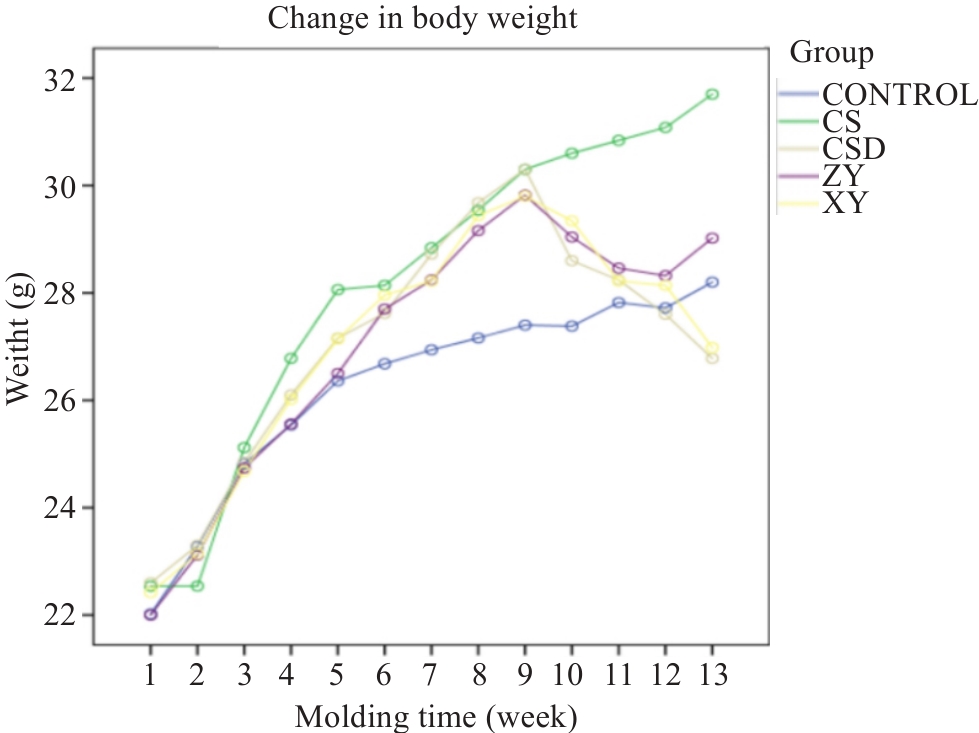
Fig.1 Body weight changes of the mice in each group.
| Group | Initial body weight (g) | Final body weight (g) |
|---|---|---|
| Control | 27.40±0.81 | 28.20±0.54 |
| CS | 30.30±1.24∆∆ | 31.70±1.11∆∆ |
| CSD | 30.30±1.04∆∆ | 26.78±0.90** |
| ZY | 29.82±0.27∆ | 29.02±0.80# ▲ |
| XY | 29.80±1.93∆ | 26.98±1.57 |
Tab.2 Body weights of the mice in each group after modeling(Mean±SD, n=5)
| Group | Initial body weight (g) | Final body weight (g) |
|---|---|---|
| Control | 27.40±0.81 | 28.20±0.54 |
| CS | 30.30±1.24∆∆ | 31.70±1.11∆∆ |
| CSD | 30.30±1.04∆∆ | 26.78±0.90** |
| ZY | 29.82±0.27∆ | 29.02±0.80# ▲ |
| XY | 29.80±1.93∆ | 26.98±1.57 |
| Group | Time | Total distance (mm) | Center time (s) |
|---|---|---|---|
| Control | Pre-modeling | 16036.73±1577.49 | 43.17±9.59 |
| Post-modeling | 15749.01±2721.57 | 44.93±6.28 | |
| CS | Pre-modeling | 15449.44±2032.69 | 37.62±5.28 |
| Post-modeling | 15281.21±2350.29 | 31.71±6.41∆∆ | |
| CSD | Pre-modeling | 14860.68±2342.23 | 42.02±10.07 |
| Post-modeling | 8713.92±850.85** | 18.57±5.04* | |
| ZY | Pre-modeling | 15541.03±1598.71 | 29.08±5.29 |
| Post-modeling | 13396.29±482.19# ▲ | 29.44±3.16# | |
| XY | Pre-modeling | 15811.60±1340.74 | 31.37±10.77 |
| Post-modeling | 7785.30±2518.09 | 22.64±5.01 |
Tab.3 Open field test of the mice in each group (Mean±SD)
| Group | Time | Total distance (mm) | Center time (s) |
|---|---|---|---|
| Control | Pre-modeling | 16036.73±1577.49 | 43.17±9.59 |
| Post-modeling | 15749.01±2721.57 | 44.93±6.28 | |
| CS | Pre-modeling | 15449.44±2032.69 | 37.62±5.28 |
| Post-modeling | 15281.21±2350.29 | 31.71±6.41∆∆ | |
| CSD | Pre-modeling | 14860.68±2342.23 | 42.02±10.07 |
| Post-modeling | 8713.92±850.85** | 18.57±5.04* | |
| ZY | Pre-modeling | 15541.03±1598.71 | 29.08±5.29 |
| Post-modeling | 13396.29±482.19# ▲ | 29.44±3.16# | |
| XY | Pre-modeling | 15811.60±1340.74 | 31.37±10.77 |
| Post-modeling | 7785.30±2518.09 | 22.64±5.01 |
| Group | Pre-mod IT (s) | Post-mod IT (s) |
|---|---|---|
| Control | 44.75±6.97 | 68.72±12.80 |
| CS | 39.59±8.39 | 74.99±21.05 |
| CSD | 39.39±6.29 | 104.50±5.47* |
| ZY | 41.46±8.80 | 74.28±8.08# |
| XY | 47.06±8.55 | 87.53±16.42 |
Tab.4 Immobility time of the mice in each grouP in forced swimming test (Mean±SD)
| Group | Pre-mod IT (s) | Post-mod IT (s) |
|---|---|---|
| Control | 44.75±6.97 | 68.72±12.80 |
| CS | 39.59±8.39 | 74.99±21.05 |
| CSD | 39.39±6.29 | 104.50±5.47* |
| ZY | 41.46±8.80 | 74.28±8.08# |
| XY | 47.06±8.55 | 87.53±16.42 |
| Group | Pre-mod SPR (%) | Post-mod SPR (%) |
|---|---|---|
| Control | 57.74±2.21 | 58.78±4.42 |
| CS | 54.28±8.80 | 54.69±0.98 |
| CSD | 56.44±2.63 | 40.08±4.35** |
| ZY | 62.52±4.72 | 55.94±3.45##▲ |
| XY | 56.68±3.75 | 45.71±9.08 |
Tab.5 Sucrose consumption rate of the mice in each group in sucrose preference test (Mean±SD)
| Group | Pre-mod SPR (%) | Post-mod SPR (%) |
|---|---|---|
| Control | 57.74±2.21 | 58.78±4.42 |
| CS | 54.28±8.80 | 54.69±0.98 |
| CSD | 56.44±2.63 | 40.08±4.35** |
| ZY | 62.52±4.72 | 55.94±3.45##▲ |
| XY | 56.68±3.75 | 45.71±9.08 |
| Group | Pre-mod TST-IT (s) | Post-mod TST-IT (s) |
|---|---|---|
| Control | 92.85±26.01 | 90.07±16.78 |
| CS | 96.25±11.01 | 111.85±34.51 |
| CSD | 90.35±24.68 | 165.41±27.13* |
| ZY | 88.09±12.71 | 100.97±5.51## |
| XY | 93.30±7.72 | 111.33±27.78# |
Tab.6 Immobility time of the mice in each group in tail suspension test (Mean±SD)
| Group | Pre-mod TST-IT (s) | Post-mod TST-IT (s) |
|---|---|---|
| Control | 92.85±26.01 | 90.07±16.78 |
| CS | 96.25±11.01 | 111.85±34.51 |
| CSD | 90.35±24.68 | 165.41±27.13* |
| ZY | 88.09±12.71 | 100.97±5.51## |
| XY | 93.30±7.72 | 111.33±27.78# |
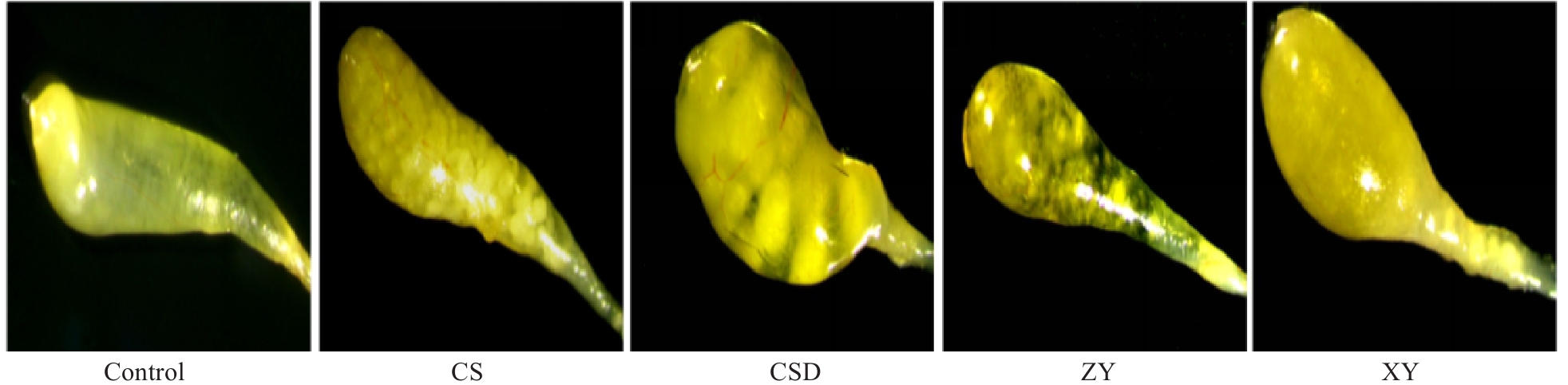
Fig.2 Gallbladder stone conditions of the mice in each group after liver depression and qi stagnation syndrome modeling.
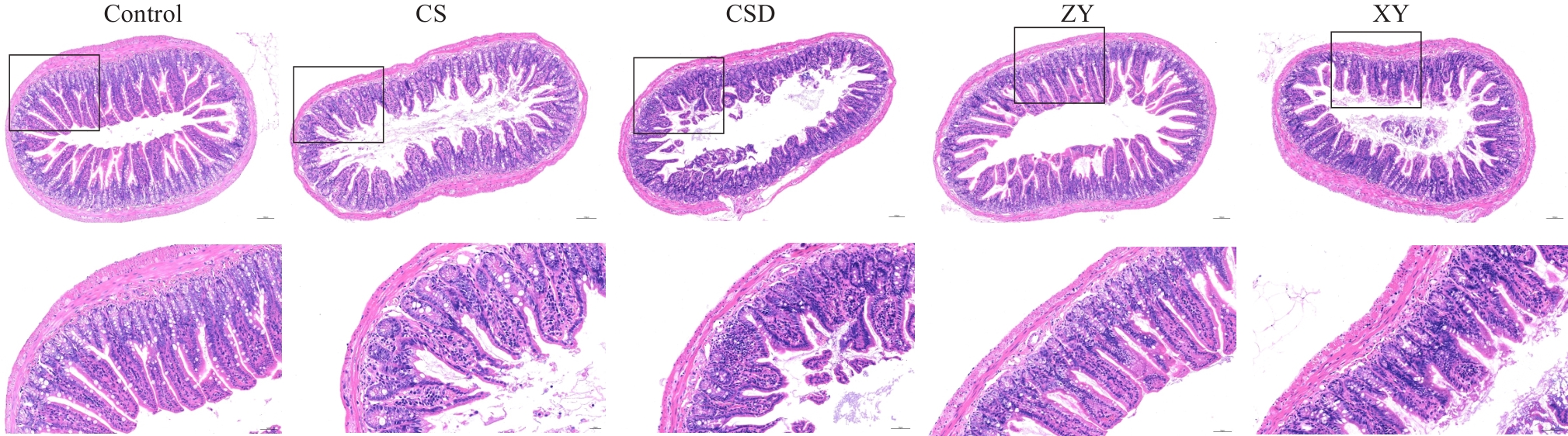
Fig.3 Intestinal tissue morphology of the mice in each group (Original magnification: ×200).
| Group | TC (mmol/L) | TBA (μmol/L) |
|---|---|---|
| Control | 2.18±0.20 | 17.26±0.73 |
| CS | 3.08±0.31∆∆ | 12.52±0.42∆∆ |
| CSD | 4.42±0.23** | 10.29±0.97** |
| ZY | 3.31±0.10## | 15.01±0.80##▲▲ |
| XY | 3.67±0.18## | 12.87±0.80## |
Tab.7 Contents of TC and TBA in bile of mice in each group (Mean±SD)
| Group | TC (mmol/L) | TBA (μmol/L) |
|---|---|---|
| Control | 2.18±0.20 | 17.26±0.73 |
| CS | 3.08±0.31∆∆ | 12.52±0.42∆∆ |
| CSD | 4.42±0.23** | 10.29±0.97** |
| ZY | 3.31±0.10## | 15.01±0.80##▲▲ |
| XY | 3.67±0.18## | 12.87±0.80## |
| Tissue | Indicator | Control | CS | CSD | ZY | XY |
|---|---|---|---|---|---|---|
| Ileum | GLP1/2 | 1.00±0.03 | 2.67±0.07∆∆ | 5.44±0.33** | 3.15±0.20## | 3.74±0.61## |
| TGR5 | 1.00±0.05 | 1.20±0.05 | 2.30±0.15** | 1.21±0.19##▲ | 1.60±0.03## |
Tab.8 Relative mRNA expression levels of intestinal GLP1/2 and TGR5 in mice of each group (Mean±SD)
| Tissue | Indicator | Control | CS | CSD | ZY | XY |
|---|---|---|---|---|---|---|
| Ileum | GLP1/2 | 1.00±0.03 | 2.67±0.07∆∆ | 5.44±0.33** | 3.15±0.20## | 3.74±0.61## |
| TGR5 | 1.00±0.05 | 1.20±0.05 | 2.30±0.15** | 1.21±0.19##▲ | 1.60±0.03## |
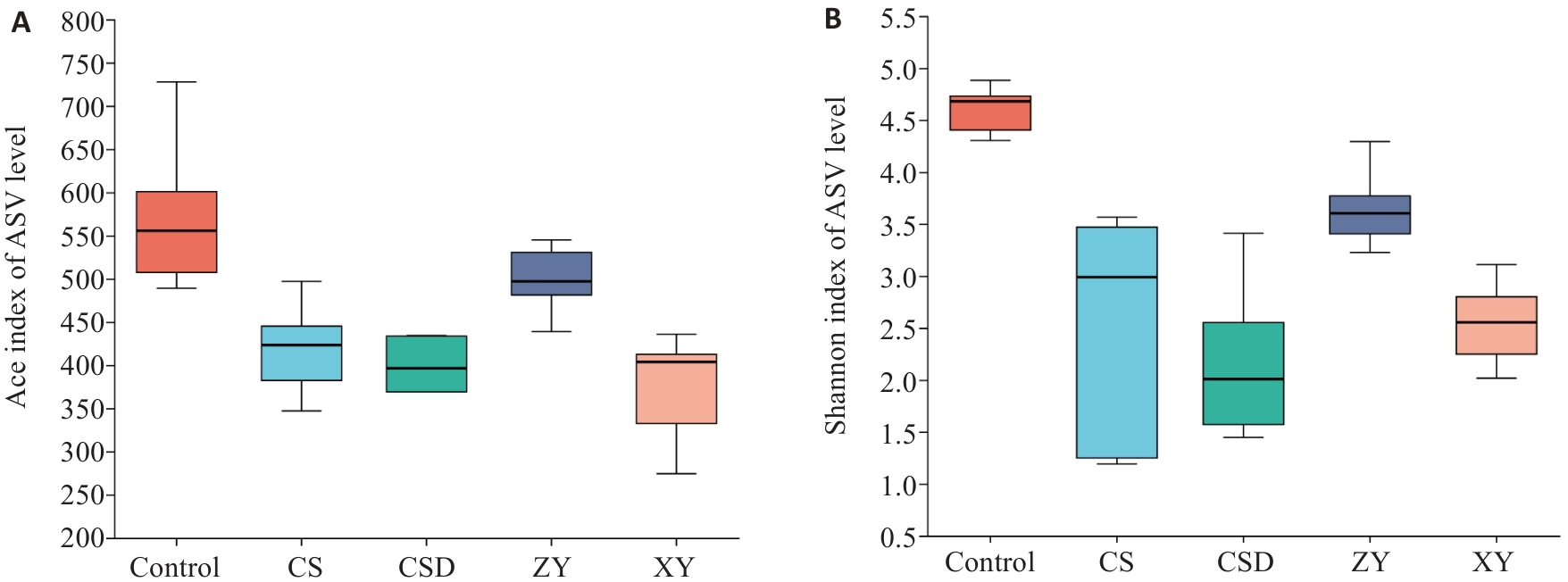
Fig.4 Comparison of species richness (A) and diversity (B) indices among different groups of mice.
| Group | Ace index | Shannon index |
|---|---|---|
| Control | 569.60±83.42 | 4.59±0.22 |
| CS | 419.49±52.90∆∆ | 2.57±1.08∆∆ |
| CSD | 379.59±70.18∆∆ | 2.16±0.73∆∆ |
| ZY | 518.02±73.85#▲▲ | 3.64±0.35##▲ |
| XY | 371.75±59.82 | 2.38±0.73 |
Tab.9 Analysis of species richness (Ace) and diversity (Shannon) indices in mice of each group (Mean±SD)
| Group | Ace index | Shannon index |
|---|---|---|
| Control | 569.60±83.42 | 4.59±0.22 |
| CS | 419.49±52.90∆∆ | 2.57±1.08∆∆ |
| CSD | 379.59±70.18∆∆ | 2.16±0.73∆∆ |
| ZY | 518.02±73.85#▲▲ | 3.64±0.35##▲ |
| XY | 371.75±59.82 | 2.38±0.73 |
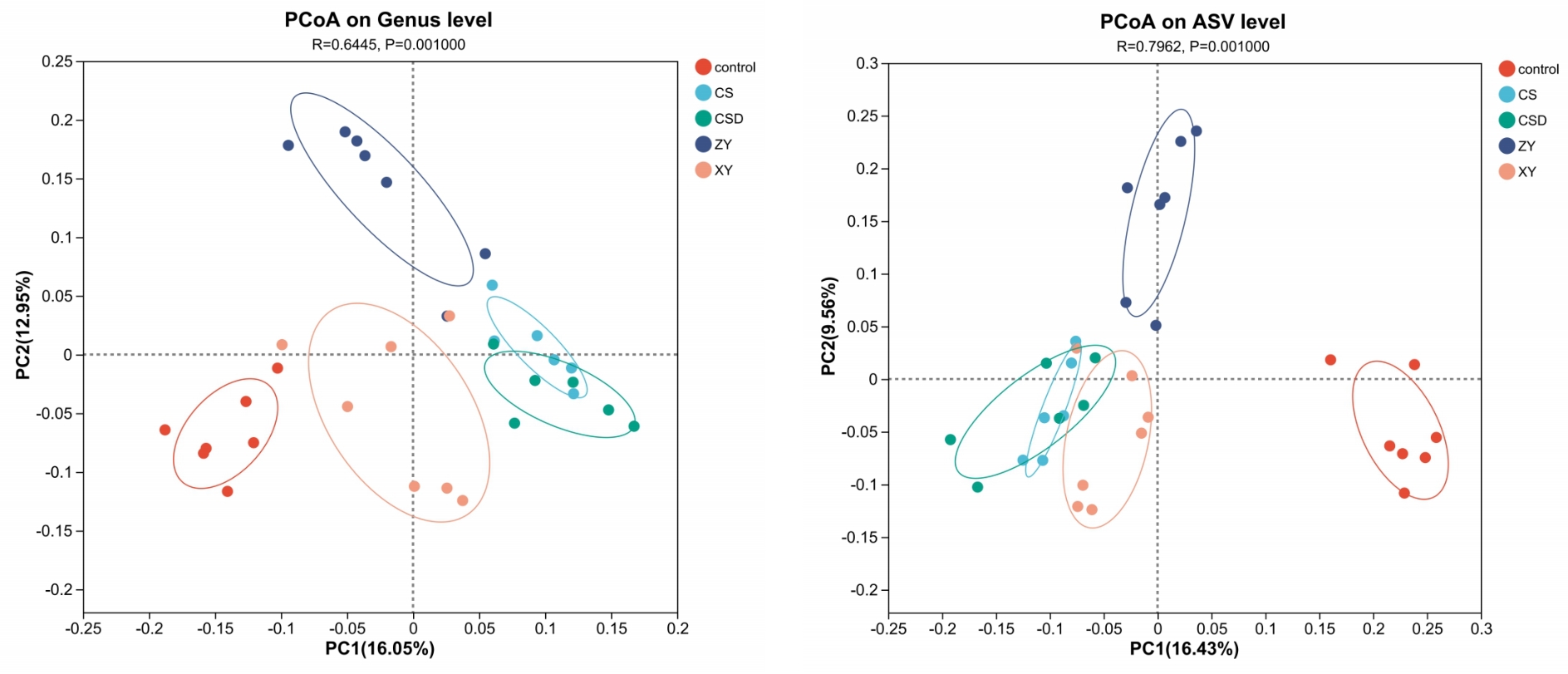
Fig.5 Comparison chart of PCoA analysis.
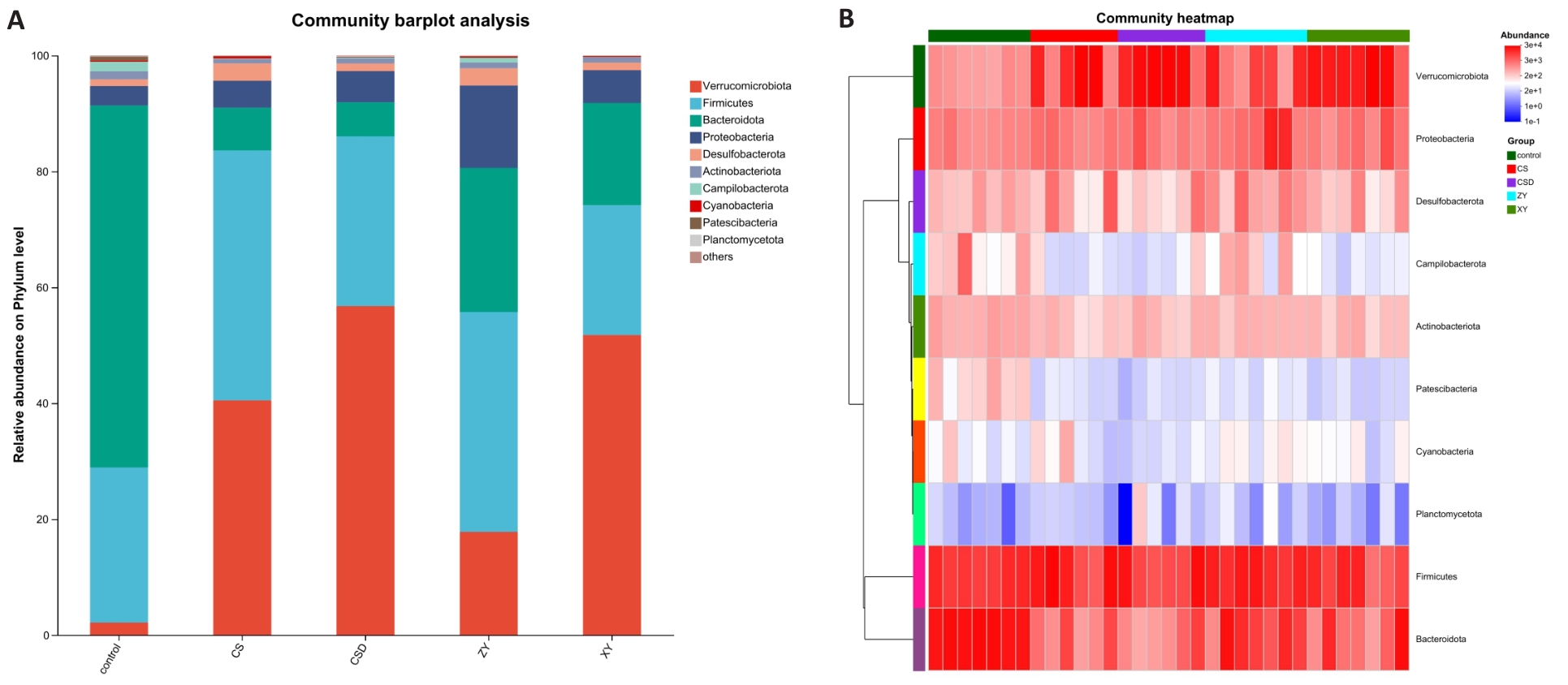
Fig.6 Bar chart (A) and HeatmaP (B) of community comPosition at the Phylum level.
| Phylum | Control | CS | CSD | ZY | XY |
|---|---|---|---|---|---|
| Verrucomicrobiota | 2.15% | 40.49% | 56.76% | 17.81% | 51.77% |
| Firmicutes | 26.77% | 43.14% | 29.30% | 37.92% | 22.41% |
| Bacteroidota | 62.45% | 7.36% | 5.88% | 24.86% | 17.63% |
| Proteobacteria | 3.35% | 4.64% | 5.37% | 14.22% | 5.64% |
| Desulfobacterota | 1.15% | 3.01% | 1.31% | 2.97% | 1.33% |
| Actinobacteriota | 1.40% | 0.72% | 0.89% | 1.00% | 0.86% |
| CamPilobacterota | 1.64% | 0.12% | 0.16% | 0.83% | 0.09% |
| Cyanobacteria | 0.19% | 0.35% | 0.07% | 0.19% | 0.14% |
| Patescibacteria | 0.68% | 0.06% | 0.05% | 0.09% | 0.05% |
| Planctomycetota | 0.02% | 0.04% | 0.13% | 0.06% | 0.03% |
| Others | 0.19% | 0.07% | 0.09% | 0.06% | 0.05% |
Tab.10 Distribution of relative abundance at the phylum level in mice of each group
| Phylum | Control | CS | CSD | ZY | XY |
|---|---|---|---|---|---|
| Verrucomicrobiota | 2.15% | 40.49% | 56.76% | 17.81% | 51.77% |
| Firmicutes | 26.77% | 43.14% | 29.30% | 37.92% | 22.41% |
| Bacteroidota | 62.45% | 7.36% | 5.88% | 24.86% | 17.63% |
| Proteobacteria | 3.35% | 4.64% | 5.37% | 14.22% | 5.64% |
| Desulfobacterota | 1.15% | 3.01% | 1.31% | 2.97% | 1.33% |
| Actinobacteriota | 1.40% | 0.72% | 0.89% | 1.00% | 0.86% |
| CamPilobacterota | 1.64% | 0.12% | 0.16% | 0.83% | 0.09% |
| Cyanobacteria | 0.19% | 0.35% | 0.07% | 0.19% | 0.14% |
| Patescibacteria | 0.68% | 0.06% | 0.05% | 0.09% | 0.05% |
| Planctomycetota | 0.02% | 0.04% | 0.13% | 0.06% | 0.03% |
| Others | 0.19% | 0.07% | 0.09% | 0.06% | 0.05% |
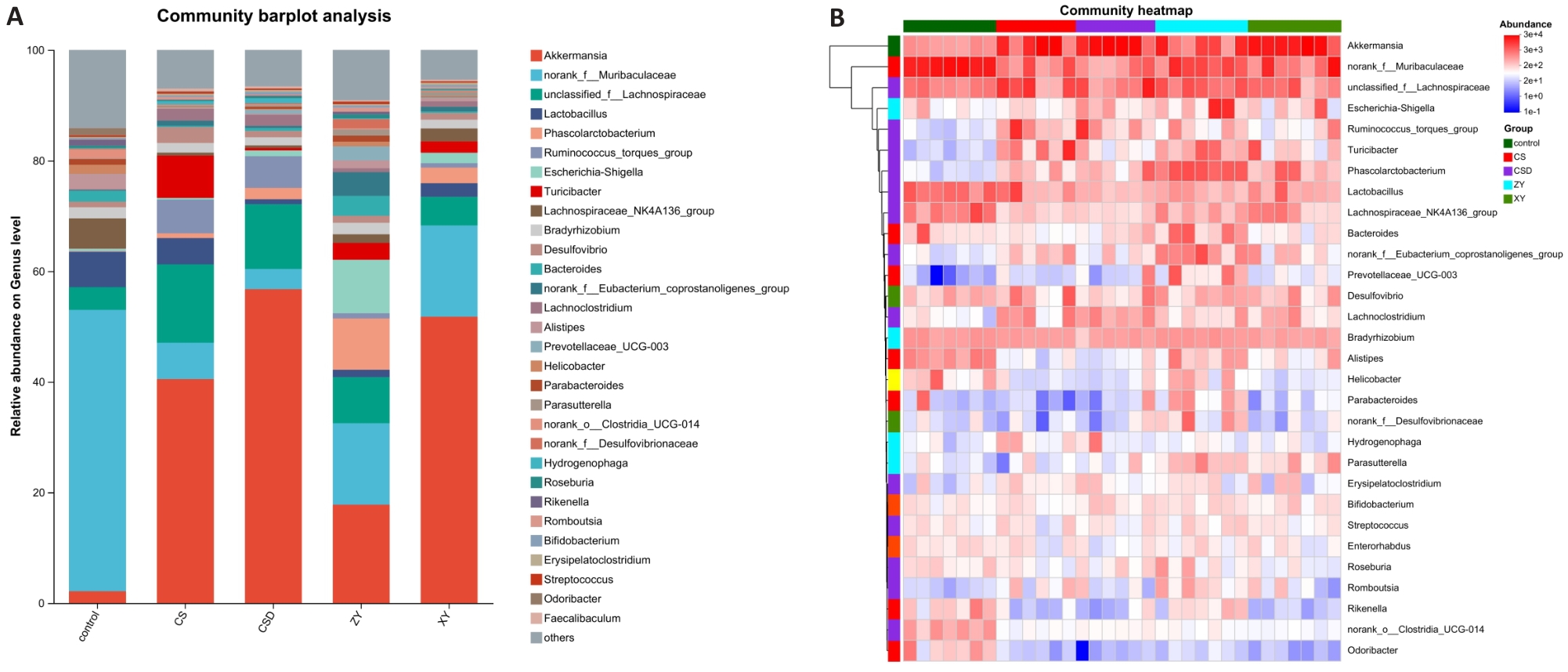
Fig.7 Bar chart (A) and HeatmaP (B) of community comPosition at the genus level.
| Genera | Control | CS | CSD | ZY | XY |
|---|---|---|---|---|---|
| Akkermansia | 2.14% | 40.49% | 56.76% | 17.80% | 51.77% |
| Muribaculaceae | 50.86% | 6.58% | 3.64% | 14.70% | 16.49% |
| LachnosPiraceae | 4.10% | 14.15% | 11.71% | 8.33% | 5.19% |
| Lactobacillus | 6.40% | 4.77% | 0.90% | 1.35% | 2.45% |
| Phascolarctobacterium | 0.08% | 0.87% | 2.03% | 9.28% | 2.82% |
| Ruminococcus_torques_grouP | 0.08% | 6.08% | 5.75% | 0.95% | 0.79% |
| Escherichia-Shigella | 0.42% | 0.30% | 1.04% | 9.66% | 1.90% |
| Turicibacter | 0.05% | 7.64% | 0.44% | 3.04% | 2.06% |
| LachnosPiraceae_NK4A136_grouP | 5.43% | 0.56% | 0.46% | 1.57% | 2.34% |
| Bradyrhizobium | 1.98 % | 1.73% | 1.47% | 2.08% | 1.57% |
Tab.11 Distribution of top 10 relative abundances at the genus level in mice of each group
| Genera | Control | CS | CSD | ZY | XY |
|---|---|---|---|---|---|
| Akkermansia | 2.14% | 40.49% | 56.76% | 17.80% | 51.77% |
| Muribaculaceae | 50.86% | 6.58% | 3.64% | 14.70% | 16.49% |
| LachnosPiraceae | 4.10% | 14.15% | 11.71% | 8.33% | 5.19% |
| Lactobacillus | 6.40% | 4.77% | 0.90% | 1.35% | 2.45% |
| Phascolarctobacterium | 0.08% | 0.87% | 2.03% | 9.28% | 2.82% |
| Ruminococcus_torques_grouP | 0.08% | 6.08% | 5.75% | 0.95% | 0.79% |
| Escherichia-Shigella | 0.42% | 0.30% | 1.04% | 9.66% | 1.90% |
| Turicibacter | 0.05% | 7.64% | 0.44% | 3.04% | 2.06% |
| LachnosPiraceae_NK4A136_grouP | 5.43% | 0.56% | 0.46% | 1.57% | 2.34% |
| Bradyrhizobium | 1.98 % | 1.73% | 1.47% | 2.08% | 1.57% |
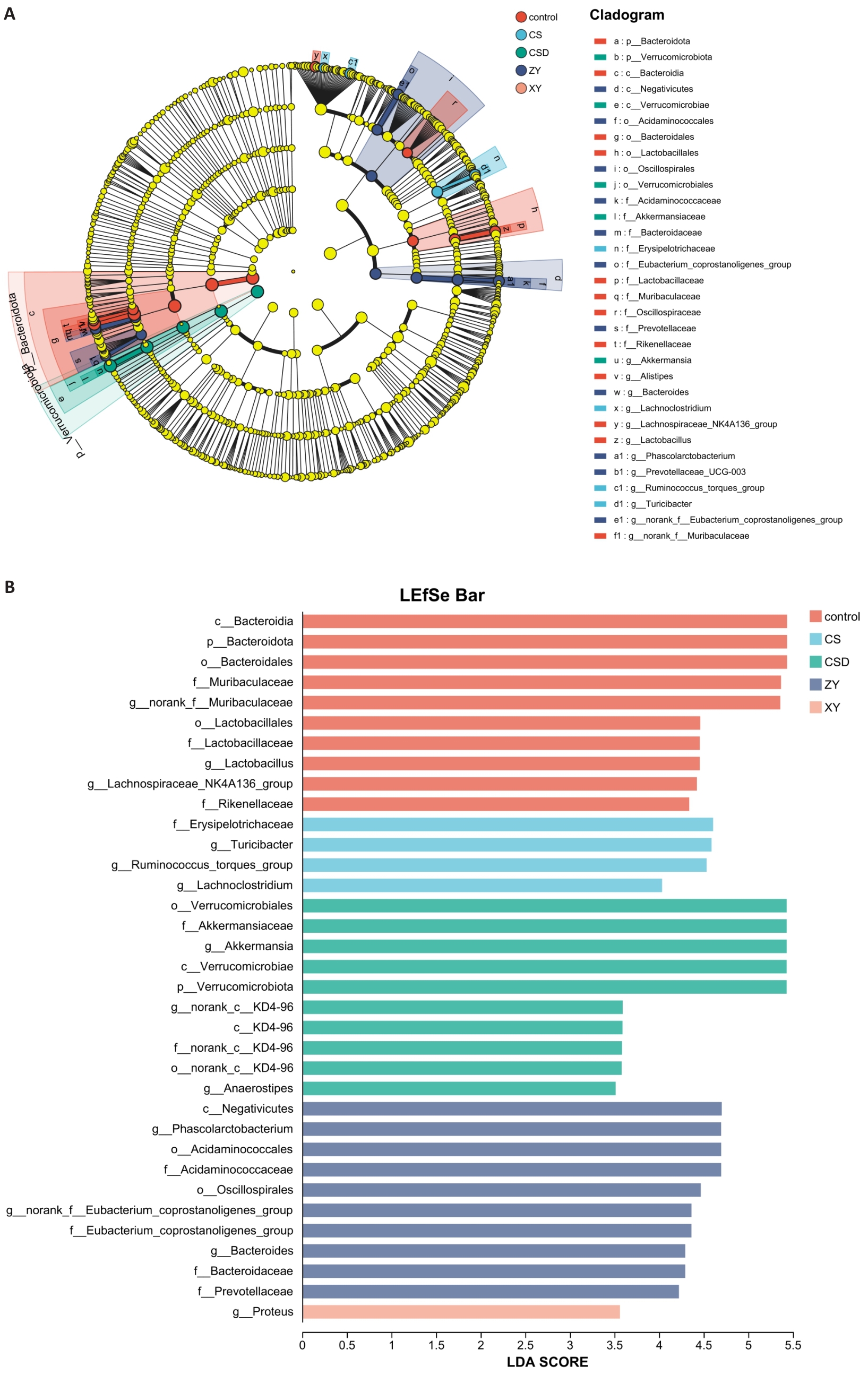
Fig.8 Hierarchical tree (A) and bar chart (B) of significantly different bacteria between groups.
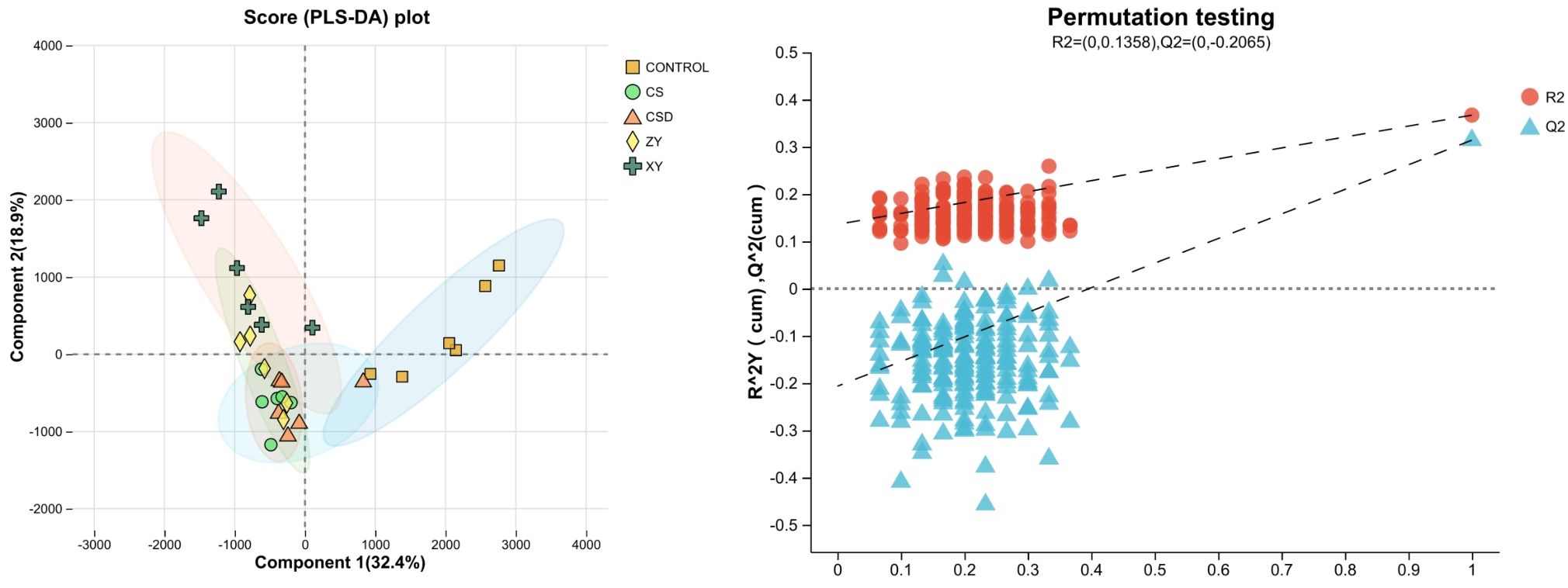
Fig.9 PLS-DA analysis chart and permutation test.
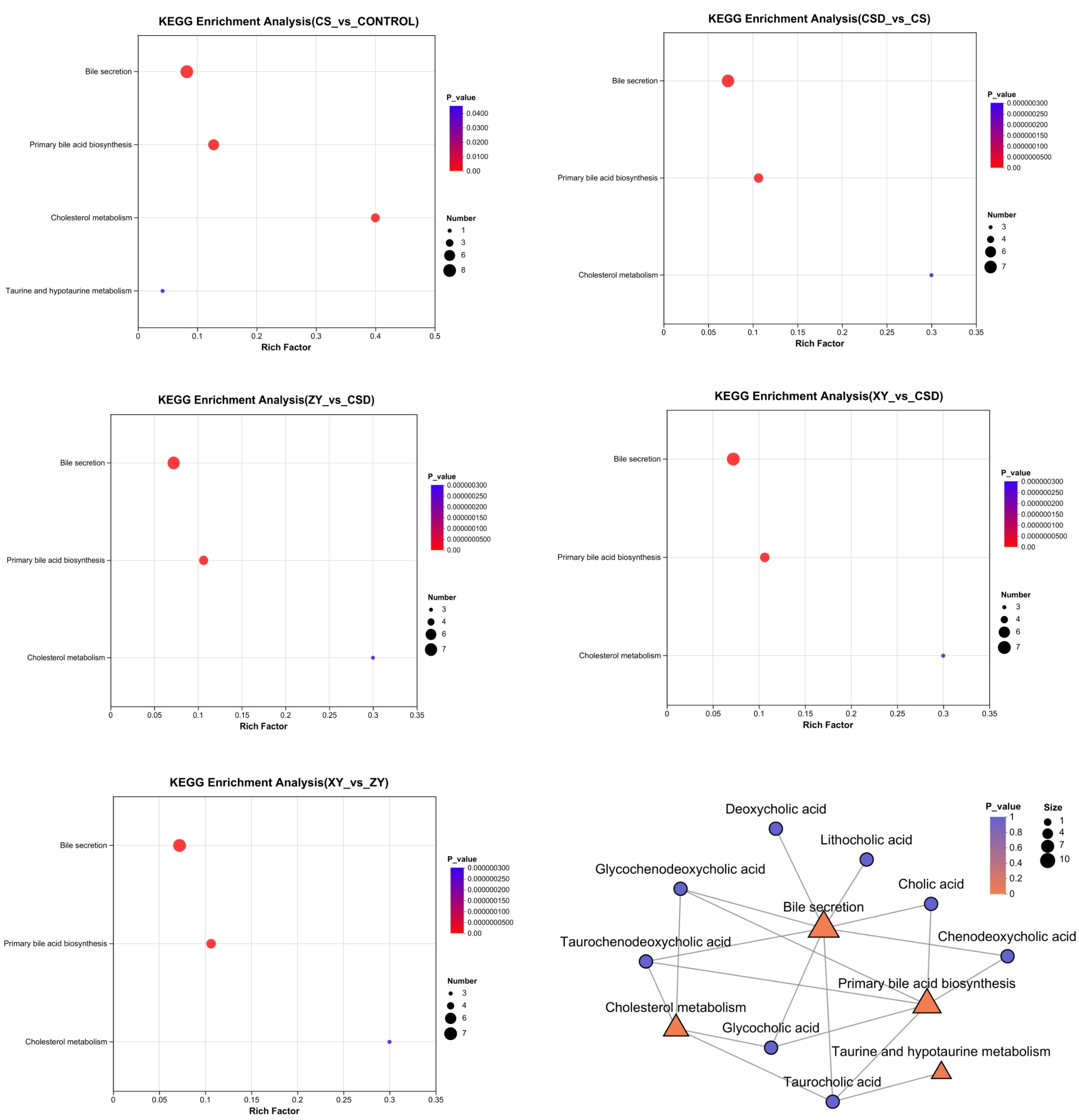
Fig.10 KEGG pathway enrichment and network diagram.
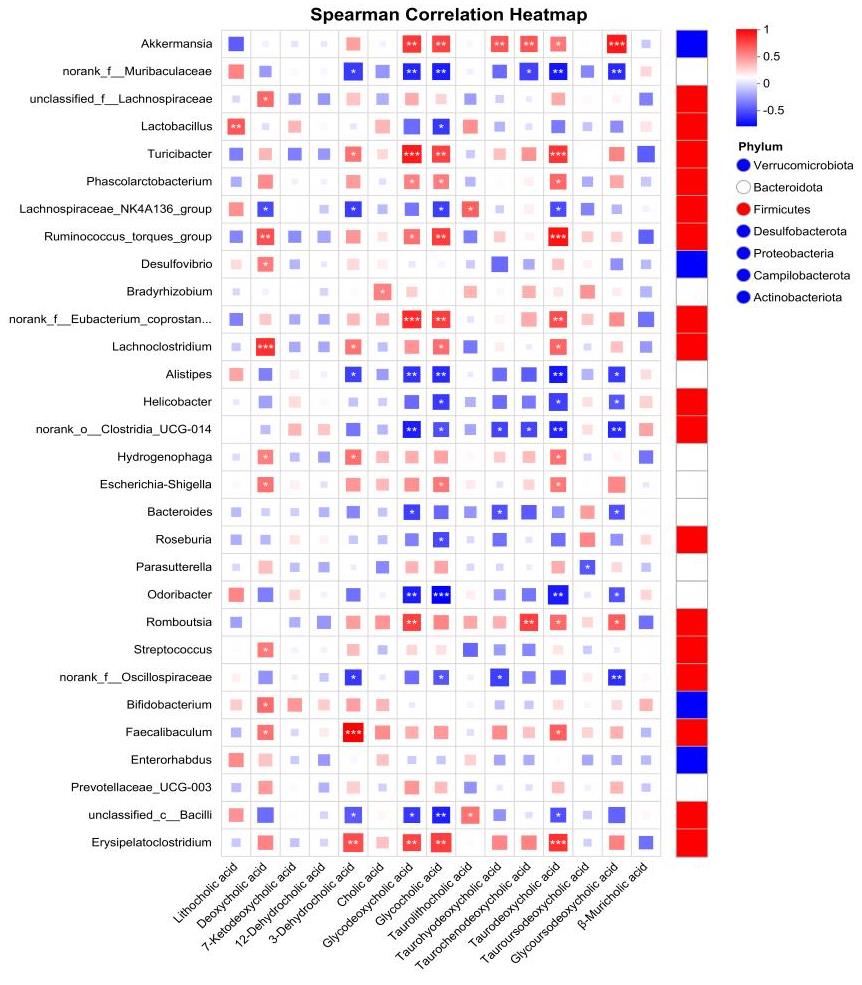
Fig.11 Correlation analysis between differential bile acids and intestinal flora.*P<0.05,**P<0.01, ***P<0.001.
| Genera | DCA | 3-ketoDCA | GDCA | GCA | TDCA | |||||
|---|---|---|---|---|---|---|---|---|---|---|
| R | P | R | P | R | P | R | P | R | P | |
| Akkermansia | 0.02 | 0.92 | 0.35 | 0.12 | 0.67 | 0.00 | 0.63 | 0.00 | 0.47 | 0.03 |
| Muribaculaceae | -0.25 | 0.29 | -0.54 | 0.01 | -0.60 | 0.00 | -0.63 | 0.00 | -0.65 | 0.00 |
| Turicibacter | -0.04 | 0.87 | -0.02 | 0.94 | -0.39 | 0.09 | -0.55 | 0.01 | -0.34 | 0.14 |
| Lactobacillus | 0.29 | 0.22 | 0.49 | 0.03 | 0.76 | 0.00 | 0.64 | 0.00 | 0.68 | 0.00 |
| Phascolarctobacterium | 0.41 | 0.07 | 0.37 | 0.11 | 0.45 | 0.05 | 0.46 | 0.04 | 0.53 | 0.02 |
| LachnosPiraceae_NK4A136_grouP | -0.49 | 0.03 | -0.54 | 0.01 | -0.36 | 0.12 | -0.53 | 0.02 | -0.49 | 0.03 |
| Ruminococcus_torques_grouP | 0.60 | 0.01 | 0.38 | 0.10 | 0.50 | 0.03 | 0.66 | 0.00 | 0.78 | 0.00 |
| Eubacterium_coProstanoligenes_grouP | 0.23 | 0.32 | 0.28 | 0.24 | 0.71 | 0.00 | 0.65 | 0.00 | 0.60 | 0.00 |
| Lachnoclostridium | 0.69 | 0.00 | 0.49 | 0.03 | 0.39 | 0.09 | 0.51 | 0.02 | 0.54 | 0.01 |
Tab.12 Correlation coefficients (R) and significance (P) between differential bile acids and intestinal flora
| Genera | DCA | 3-ketoDCA | GDCA | GCA | TDCA | |||||
|---|---|---|---|---|---|---|---|---|---|---|
| R | P | R | P | R | P | R | P | R | P | |
| Akkermansia | 0.02 | 0.92 | 0.35 | 0.12 | 0.67 | 0.00 | 0.63 | 0.00 | 0.47 | 0.03 |
| Muribaculaceae | -0.25 | 0.29 | -0.54 | 0.01 | -0.60 | 0.00 | -0.63 | 0.00 | -0.65 | 0.00 |
| Turicibacter | -0.04 | 0.87 | -0.02 | 0.94 | -0.39 | 0.09 | -0.55 | 0.01 | -0.34 | 0.14 |
| Lactobacillus | 0.29 | 0.22 | 0.49 | 0.03 | 0.76 | 0.00 | 0.64 | 0.00 | 0.68 | 0.00 |
| Phascolarctobacterium | 0.41 | 0.07 | 0.37 | 0.11 | 0.45 | 0.05 | 0.46 | 0.04 | 0.53 | 0.02 |
| LachnosPiraceae_NK4A136_grouP | -0.49 | 0.03 | -0.54 | 0.01 | -0.36 | 0.12 | -0.53 | 0.02 | -0.49 | 0.03 |
| Ruminococcus_torques_grouP | 0.60 | 0.01 | 0.38 | 0.10 | 0.50 | 0.03 | 0.66 | 0.00 | 0.78 | 0.00 |
| Eubacterium_coProstanoligenes_grouP | 0.23 | 0.32 | 0.28 | 0.24 | 0.71 | 0.00 | 0.65 | 0.00 | 0.60 | 0.00 |
| Lachnoclostridium | 0.69 | 0.00 | 0.49 | 0.03 | 0.39 | 0.09 | 0.51 | 0.02 | 0.54 | 0.01 |
| [1] | 芦建慧, 李勇利, 郭瑞芳, 等. 胆囊切除术后原发性胆总管结石复发患者的临床特征分析[J]. 临床肝胆病杂志, 2025, 41(1): 118-26. doi:10.12449/JCH250118 |
| [2] | Hjaltadottir K, Haraldsdottir KH, Moller PH. Gallstones-review[J]. Laeknabladid, 2020, 106(10): 464-72. |
| [3] | Zhu JH, Zhao SL, Kang Q, et al. Classification of anatomical morphology of cystic duct and its association with gallstone[J]. World J Gastrointest Surg, 2024, 16(2): 307-17. doi:10.4240/wjgs.v16.i2.307 |
| [4] | Wu Y, Xu CJ, Xu SF. Advances in risk factors for recurrence of common bile duct stones[J]. Int J Med Sci, 2021, 18(4): 1067-74. doi:10.7150/ijms.52974 |
| [5] | 付 鑫, 王雪梅, 张 雨, 等. 疏肝消石汤治疗胆石症肝郁气滞证[J].中医学报, 2024, 39(11): 2465-70. doi:10.16368/j.issn.1674-8999.2024.11.406 |
| [6] | 张清花, 黄惠榕, 危椠罡, 等. 基于相火理论的中药热熨对肝郁气滞型胆石症患者的影响[J]. 中国卫生标准管理, 2022, 13(23): 133-8. doi:10.3969/j.issn.1674-9316.2022.23.029 |
| [7] | 张 喆, 赵静洁, 王永志, 等. 柴胡疏肝散药理作用及机制研究进展[J]. 中国中医药信息杂志, 2017, 24(9): 128-31. doi:10.3969/j.issn.1005-5304.2017.09.035 |
| [8] | 范妙言, 崔梦妍, 赵梦琦, 等. 肠道菌群在胆石症及其防治中作用的研究进展[J]. 胃肠病学和肝病学杂志, 2024, 33(4): 432-5. doi:10.3969/j.issn.1006-5709.2024.04.013 |
| [9] | 宋 波, 文国琴, 王 蔺. 胆汁酸代谢与肠道微生物[J]. 微生物学杂志,2021, 41(3): 107-12. doi:10.3969/j.issn.1005-7021.2021.03.016 |
| [10] | 闵 莉, 林雪娟, 周智慧, 等. 柴胡疏肝散对胆囊胆固醇结石小鼠胆囊收缩功能的影响[J]. 福建中医药, 2023, 54(3): 23-6. doi:10.13260/j.cnki.jfjtcm.2023.03007 |
| [11] | 周亚男. 疏肝清利湿热对CS小鼠胆囊动力学影响的机制研究[D].福建中医药大学, 2018. |
| [12] | 张 珍, 曹丹凤. 柴芍六君子汤联合茴三硫片治疗慢性胆囊炎对患者腹痛程度、胆囊收缩功能及炎症反应的影响[J]. 药品评价, 2024, 21(8): 1011-4. |
| [13] | 曹海芳, 张 瑜, 魏胜泰, 等. 柴胡疏肝散加减治疗慢性胆囊炎胆石症及胆囊功能和炎症因子的影响[J]. 中国实验方剂学杂志, 2021, 27(15): 63-7. doi:10.13422/j.cnki.syfjx.20210331 |
| [14] | 赵文霞, 郭绍举, 马素平, 等. (急、慢性)胆囊炎、胆石症中医诊疗专家共识(2023)[J]. 中国中西医结合消化杂志, 2024, 32(10): 839-48. |
| [15] | 谢玉春. 基于SCF/C-kit通路探讨胆囊胆固醇结石肝郁气滞证分子生物学机制[D]. 福建中医药大学, 2023. |
| [16] | 王素英. 基于肠道菌群调控FXR/FGF15/FGFR4通路探讨胆囊胆固醇结石湿热证的分子生物学机制[D]. 福建中医药大学, 2022. |
| [17] | Nollet M. Models of depression: unpredictable chronic mild stress in mice[J]. Curr Protoc, 2021, 1(8): e208. doi:10.1002/cpz1.208 |
| [18] | 卢宇佳, 张 珊, 赵 谦, 等. 啮齿类动物抑郁相关行为学评价[J]. 实验动物科学, 2023, 40(6): 87-93. doi:10.3969/j.issn.1006-6179.2023.06.016 |
| [19] | 李 婷. 基于“肝应春, 主疏泄, 调节情志”研究四季对HPA轴-海马-受体的影响[D]. 北京中医药大学, 2020. |
| [20] | Sherwin E, Dinan TG, Cryan JF. Recent developments in understanding the role of the gut microbiota in brain health and disease[J]. Ann N Y Acad Sci, 2018, 1420(1): 5-25. doi:10.1111/nyas.13416 |
| [21] | 郝闻致, 黄俊卿, 李晓娟, 等. 基于肠道菌群探究中药复方治疗肝郁脾虚型抑郁症的研究进展[J]. 中华中医药杂志, 2022, 37(12):7228-32. |
| [22] | Zhan K, Wu H, Xu Y, et al. The function of the gut microbiota-bile acid-TGR5 axis in diarrhea-predominant irritable bowel syndrome[J]. mSystems, 2024, 9(3): e0129923. doi:10.1128/msystems.01299-23 |
| [23] | Wang B, Kong Q, Li X, et al. A high-fat diet increases gut microbiota biodiversity and energy expenditure due to nutrient difference[J]. Nutrients, 2020, 12(10): E3197. doi:10.3390/nu12103197 |
| [24] | 刘紫薇, 成泽东, 董宝强, 等. 电针对APoE-/-小鼠肠道菌群及胆汁酸代谢的影响[J].时珍国医国药, 2022, 33(10): 2535-8. |
| [25] | Wang QH, Jiao L, He CQ, et al. Alteration of gut microbiota in association with cholesterol gallstone formation in mice[J]. BMC Gastroenterol, 2017, 17(1): 74. doi:10.1186/s12876-017-0629-2 |
| [26] | 杨 炀, 赵 美, 罗雅琪, 等. 基于肠道菌群-胆汁酸代谢途径探讨芩连红曲汤对高脂血症大鼠的改善作用[J]. 中药药理与临床, 2025, 41(1): 33-8. |
| [27] | Liang JQ, Li T, Nakatsu G, et al. A novel faecal Lachnoclostridium marker for the non-invasive diagnosis of colorectal adenoma and cancer[J]. Gut, 2020, 69(7): 1248-57. doi:10.1136/gutjnl-2019-318532 |
| [28] | Hu H, Shao W, Liu Q, et al. Gut microbiota promotes cholesterol gallstone formation by modulating bile acid composition and biliary cholesterol secretion[J]. Nat Commun, 2022, 13(1): 252. doi:10.1038/s41467-021-27758-8 |
| [29] | Radjabzadeh D, Bosch JA, Uitterlinden AG, et al. Gut microbiome-wide association study of depressive symptoms[J]. Nat Commun, 2022, 13(1): 7128. doi:10.1038/s41467-022-34502-3 |
| [30] | Wang W, Zhang K, Liu B, et al. Chaihu Shugan prevents cholesterol gallstone formation by ameliorating the microbiota dysbiosis and metabolic disturbance in mice[J]. Front Pharmacol, 2023, 14: 1291236. doi:10.3389/fphar.2023.1291236 |
| [31] | Hang L, Wang E, Feng Y, et al. Metagenomics and metabolomics analysis to investigate the effect of Shugan decoction on intestinal microbiota in irritable bowel syndrome rats[J]. Front Microbiol, 2022, 13: 1024822. doi:10.3389/fmicb.2022.1024822 |
| [32] | 韩雪莹, 韩丽霞, 王 晴, 等. 名老中医韩丽霞从木郁达之治疗胆石症经验[J]. 光明中医, 2024, 39(15): 3103-6. |
| [33] | 于 猛, 贾红梅, 张宏武, 等. 柴胡疏肝散对抑郁模型大鼠粪便代谢物组和肠道菌群的调控作用[J].国际药学研究杂志, 2020, 47(3): 229-35. |
| [34] | Duan RQ, Guan X, Huang K, et al. Flavonoids from whole-grain oat alleviated high-fat diet-induced hyperlipidemia via regulating bile acid metabolism and gut microbiota in mice[J]. J Agric Food Chem, 2021, 69(27): 7629-40. doi:10.1021/acs.jafc.1c01813 |
| [35] | 蔡赛波, 周寰宇, 嵇歆彧, 等. 服用北柴胡对抑郁症小鼠肠道菌群多样性的影响[J].中国中药杂志, 2021, 46(16): 4222-9. doi:10.19540/j.cnki.cjcmm.20210524.703 |
| [36] | Oh JK, Kim YR, Lee B, et al. Prevention of cholesterol gallstone formation by Lactobacillus acidophilus ATCC 43121 and Lactobacillus fermentum MF27 in lithogenic diet-induced mice[J]. Food Sci Anim Resour, 2021, 41(2): 343-52. doi:10.5851/kosfa.2020.e93 |
| [37] | O'Reilly ME, Lenighan YM, Dillon E, et al. Conjugated linoleic acid and alpha linolenic acid improve cholesterol homeostasis in obesity by modulating distinct hepatic protein pathways[J]. Mol Nutr Food Res, 2020, 64(7): e1900599. doi:10.1002/mnfr.201900599 |
| [1] | Kaiyue HUANG, Jingxin QI, Wenqian LUO, Yixuan LIN, Meimei CHEN, Huijuan GAN. Wendan Decoction ameliorates metabolic phenotypes in rats with metabolic syndrome and phlegm syndrome by modulating the gut microbiota-bile acid axis [J]. Journal of Southern Medical University, 2025, 45(6): 1174-1184. |
| [2] | Ying LIU, Borui LI, Yongcai LI, Lubo CHANG, Jiao WANG, Lin YANG, Yonggang YAN, Kai QV, Jiping LIU, Gang ZHANG, Xia SHEN. Jiawei Xiaoyao Pills improves depression-like behavior in rats by regulating neurotransmitters, inhibiting inflammation and oxidation and modulating intestinal flora [J]. Journal of Southern Medical University, 2025, 45(2): 347-358. |
| [3] | LI Xinyi, LIU Yujie, DENG Kechong, HU Yikui. Modulating gut microbiota improves neurological function and depressive symptoms in rats with post-stroke depression [J]. Journal of Southern Medical University, 2024, 44(2): 405-410. |
| [4] | KUERBANNAIMU Kaheman, ZHAO Jianfeng, MUKAIDAISI Aihemaiti, WANG Hanming, ZHU Jiwei, PAN Wentao, KASIMUJIANG Aximujiang. E.faecium QH06 alleviates TNBS-induced colonic mucosal injury in rats [J]. Journal of Southern Medical University, 2022, 42(7): 976-987. |
| [5] | . Correlation analysis between type 2 diabetes and core gut microbiota [J]. Journal of Southern Medical University, 2021, 41(3): 358-369. |
| [6] | ZHANG Xingxing, CAI Wenwen, LIAO Shengwu, HE Xuanyu, YANG Qiuyu, BAI Yang, RUAN Weiqing. Individuals with sub-health status have obviously unbalanced structure of the intestinal flora: analysis of 150 nursing staff members [J]. Journal of Southern Medical University, 2021, 41(12): 1870-1876. |
| [7] | . Analysis of intestinal flora in patients with chronic rhinosinusitis based on highthroughput sequencing [J]. Journal of Southern Medical University, 2020, 40(09): 1319-1324. |
| [8] | . Characteristics of intestinal flora in patients with primary Sjögren syndrome [J]. Journal of Southern Medical University, 2020, 40(07): 949-957. |
| [9] | . Diversity of intestinal microflora in patients with depression after stroke [J]. Journal of Southern Medical University, 2016, 36(10): 1305-. |
| [10] | . Effect of dexamethasone contamination in drinking water on intestinal flora in mice [J]. Journal of Southern Medical University, 2016, 36(02): 238-. |
| [11] | . Changes of fecal flora and its correlation with inflammatory indicators in patients with inflammatory bowel disease [J]. Journal of Southern Medical University, 2013, 33(10): 1474-. |
| [12] | WU Hui-xu1, CHEN Qing1, LI Jian-dong1, HUANG Xiu-fen2. Dynamics of intestinal flora after oral vaccination with inactivated whole-cell/recombinant B subunit O139 cholera vaccine [J]. Journal of Southern Medical University, 2004, 24(02): 220-222,225. |
| Viewed | ||||||
|
Full text |
|
|||||
|
Abstract |
|
|||||
