
Journal of Southern Medical University ›› 2026, Vol. 46 ›› Issue (10): 2575-2590.doi: 10.12122/j.issn.1673-4254.2026.10.24
Cailian RUAN1( ), Xueting YANG1, Jingyi ZHANG1, Tongjie TENG1, Zhenghao CHEN1, Yuhan LIU1, Ying YANG2, Yayun WANG3()
Received:2026-03-15
Online:2026-10-20
Published:2026-10-26
Contact:
Cailian RUAN, Yayun WANG
E-mail:rcl1157@163.com;wangyy@fmmu.edu.cn
Supported by:Cailian RUAN, Xueting YANG, Jingyi ZHANG, Tongjie TENG, Zhenghao CHEN, Yuhan LIU, Ying YANG, Yayun WANG. Chronic pain: from central sensitization to network homeostasis imbalance[J]. Journal of Southern Medical University, 2026, 46(10): 2575-2590.
Add to citation manager EndNote|Ris|BibTeX
URL: https://www.j-smu.com/EN/10.12122/j.issn.1673-4254.2026.10.24
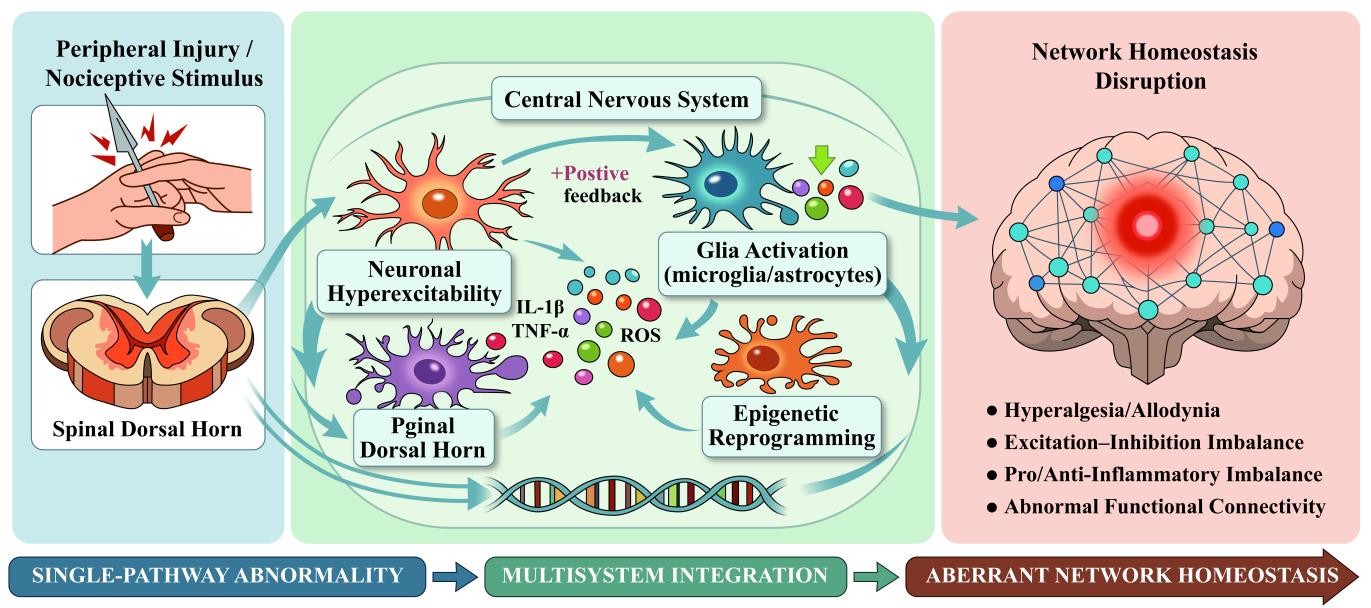
Fig.1 Conceptual framework of central sensitization and network homeostasis imbalance in chronic pain. ① Following the transmission of peripheral stimuli, an abnormal increase in neuronal excitability (neuronal hyperexcitability) is first triggered in the dorsal horn neurons of the spinal cord, manifested as enhanced synaptic transmission and disruption of the excitation-inhibition balance, constituting the direct neurophysiological basis for central sensitization; ② Activated neurons further stimulate central microglia and astrocytes (glial activation), which release pro-inflammatory mediators such as IL-1β and TNF-α, as well as reactive oxygen species (ROS), forming a neuroinflammatory amplification loop; ③ Persistent inflammatory signals induce epigenetic reprogramming, which maintains the abnormal expression of inflammatory factors and receptors through mechanisms such as DNA methylation and histone modifications, endowing pain with a "memory" that allows it to persist over the long term; ④ These processes reinforce one another through positive feedback mechanisms, gradually evolving from a single pathway abnormality into a multisystem pathological state. This ultimately leads to an imbalance in the homeostasis of the central pain network, manifested as clinical phenotypes such as hyperalgesia/allodynia, excitation-inhibition imbalance, pro-inflammatory/anti-inflammatory imbalance, and abnormal functional connectivity between brain regions. The arrows indicate the causal and feedback relationships among the various pathological stages.
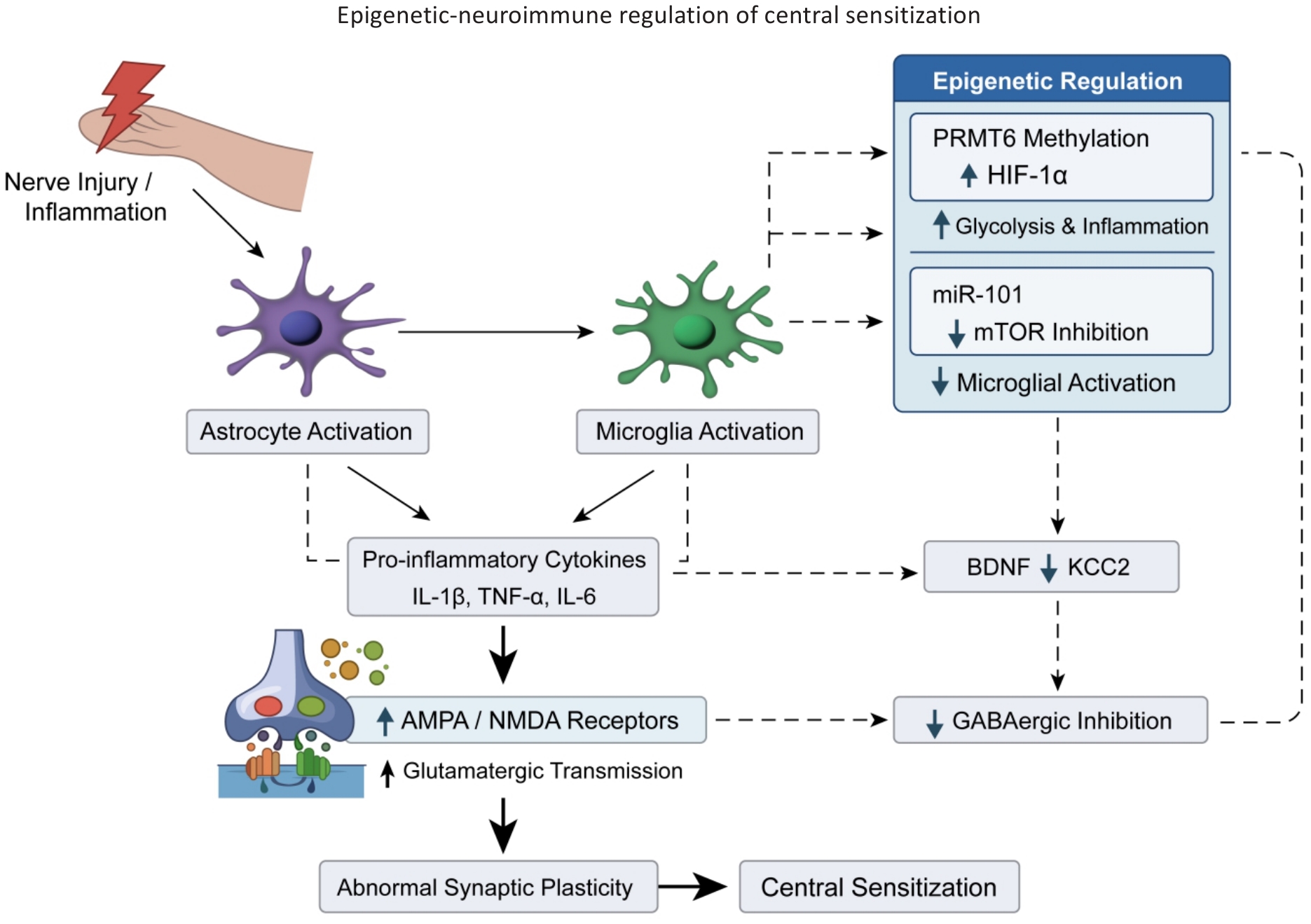
Fig.2 Molecular network mechanisms of epigenetic-neuroimmune interaction regulating central sensitization[31]: Created with BioGDP.com. Neural injury or inflammatory stimulation activates immune cells in the spinal cord, inducing the activation of astrocytes and microglia. In the epigenetic regulatory pathway, PRMT6 activates HIF-1α through methylation, enhancing glycolysis and inflammatory responses in microglia; miR-101 negatively regulates microglial activation by specifically inhibiting the mTOR signaling pathway. Activated glial cells release pro-inflammatory cytokines such as IL-1β, TNF-α, and IL-6, which on one hand directly enhance glutamatergic synaptic transmission (by upregulating the surface expression of AMPA/NMDA receptors), and on the other hand downregulate KCC2 expression via the BDNF/TrkB pathway, thereby weakening GABAergic inhibition. Together, these mechanisms contribute to the maintenance of abnormal synaptic plasticity and central sensitization. Dotted arrows indicate regulatory relationships, while solid arrows indicate the direction of signal transmission.
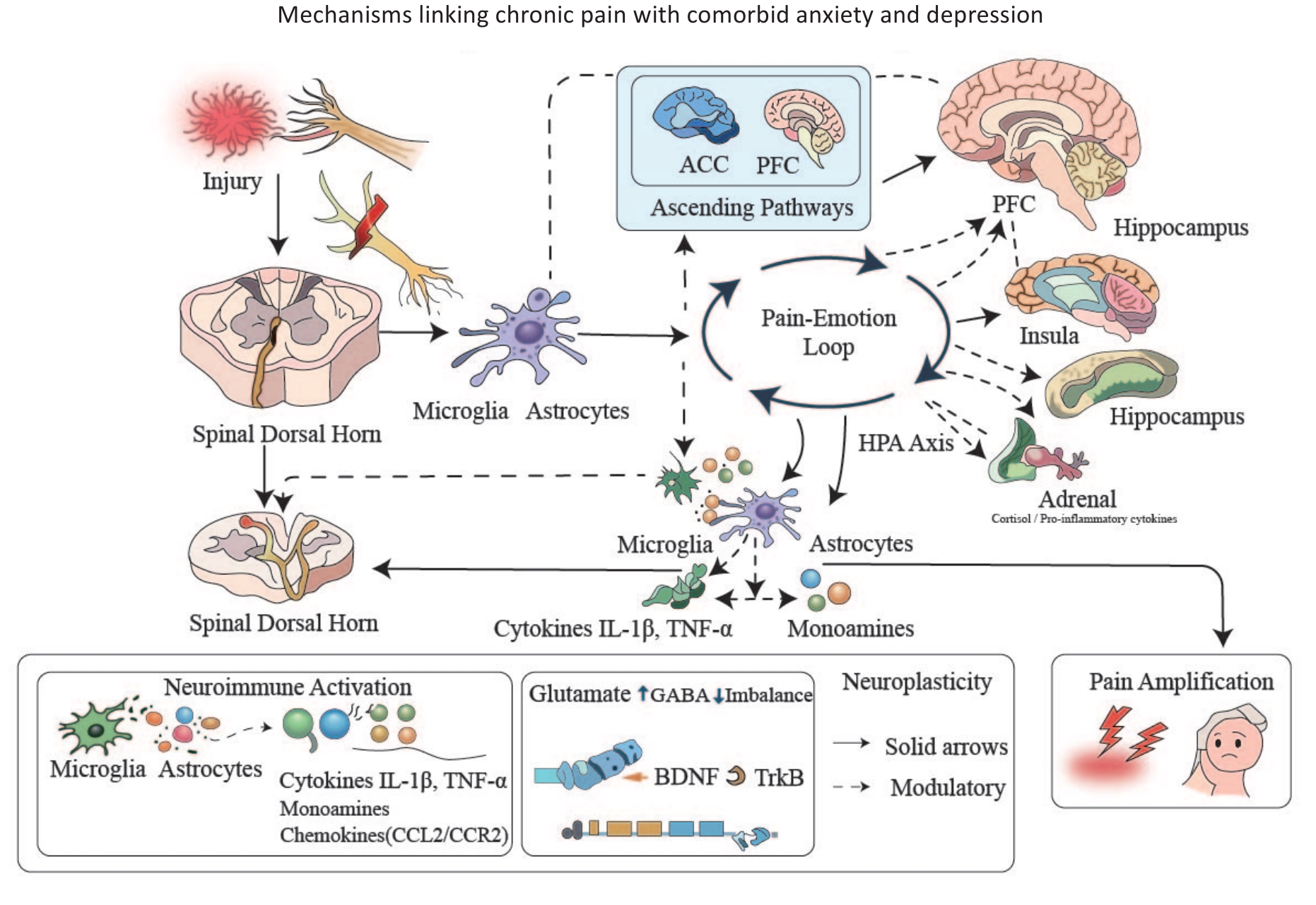
Fig.3 Neurobiological mechanisms and regulatory pathways of chronic pain comorbid with anxiety and depression. ① Peripheral level: Noxious signals are transmitted via the dorsal root ganglion (DRG) to the dorsal horn of the spinal cord; ② Spinal cord level: Glial cells are activated and release pro-inflammatory mediators, enhancing the transmission of ascending pain signals; ③ Central level: The CCL2/CCR2 signaling axis mediates the projection of pain signals to emotion-regulating brain regions such as the anterior cingulate cortex (ACC) and the central nucleus of the amygdala; long-term potentiation (LTP) at glutamatergic synapses within the ACC consolidates the pain-emotion coupling state. The gut-brain axis participates in regulation through immune, neural, and endocrine pathways, providing a systematic explanation for the three-dimensional comorbidity of pain, emotion, and metabolism. Solid lines represent pathways supported by substantial experimental evidence, while dashed lines indicate potential regulatory pathways requiring further validation.
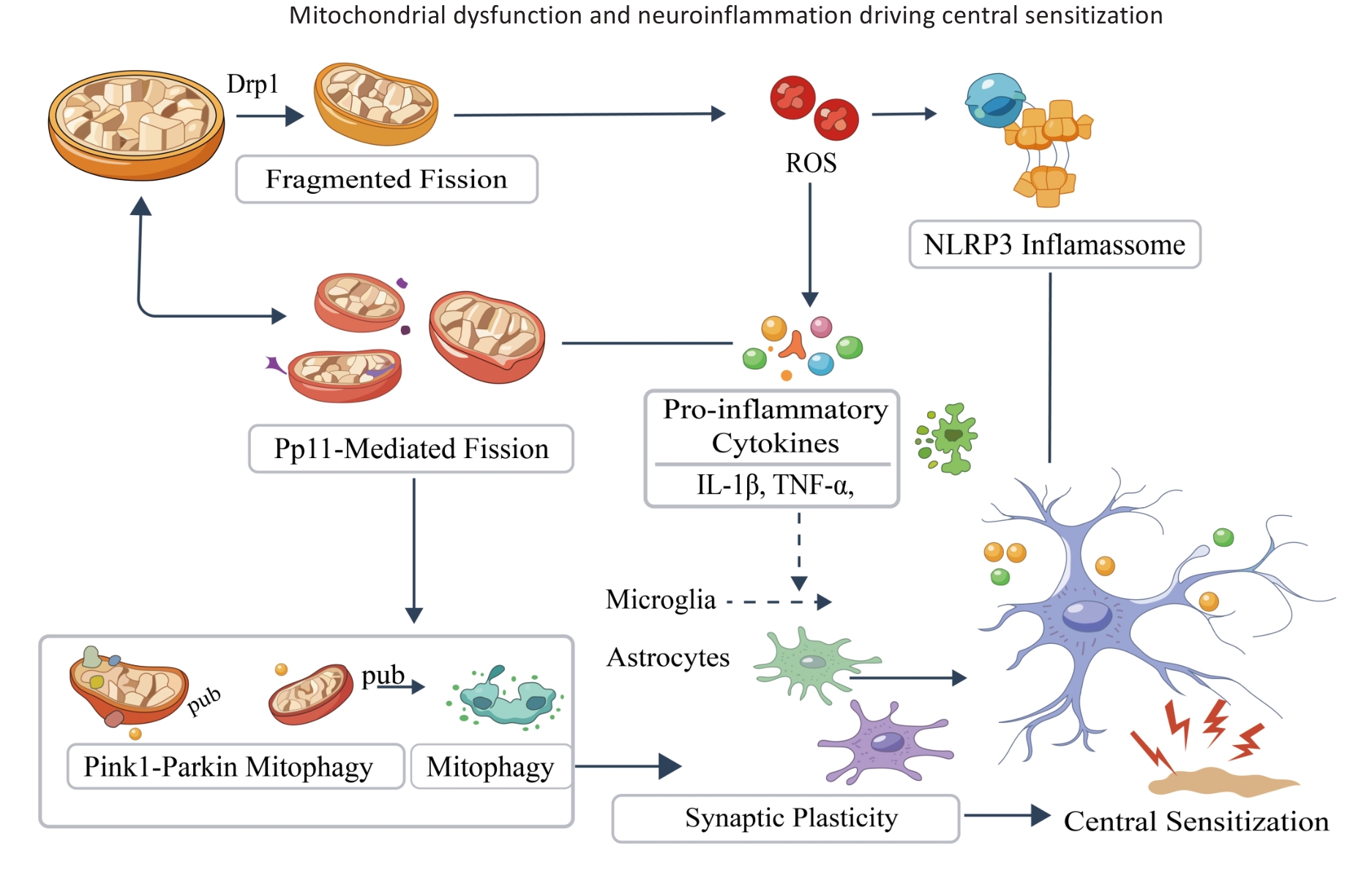
Fig.4 Sexual dimorphism mechanisms and clinical translational pathways in chronic pain[31]: Created with BioGDP.com. The left panel illustrates gender-dependent neuroimmune regulatory mechanisms: In males, spinal cord microglia are preferentially activated following nerve injury, and the specific upregulation of apolipoprotein E (ApoE) drives the formation of pro-inflammatory microglial subsets, establishing a pain maintenance pattern dominated by the innate immune system; In female individuals, estrogen modulates the excitation threshold of DRG neurons via ERα/ERβ receptors, while adaptive immune components such as T cells participate in distinct regulatory networks; cyclical fluctuations in estrogen levels are closely associated with dynamic changes in pain sensitivity. Key clinical translation bottlenecks: Current pain research lacks sufficient gender-stratified analysis and high-level evidence-based data, preventing the establishment of guidelines for gender-specific drug dosing, efficacy prediction, and adverse reaction assessment.
| Scale name | Evaluation criteria | Advantages | Limitations | References/sources |
|---|---|---|---|---|
| Visual analogue scale (VAS) | Pain intensity | Easy to use and highly sensitive, capable of detecting even the slightest changes | Requires abstract thinking and may not be suitable for patients with cognitive impairments or the elderly; results are continuous data, making statistical analysis somewhat complex. | JOHN A A, ROSSETTIE S, RAFAEL J, et al.(2022). Arch Plast Surg.[ |
| Numerical rating scale (NRS) | Pain intensity | Simple and intuitive, easy to understand and use, and conducive to verbal communication and statistical analysis | This is only a single dimension and cannot capture the full picture of pain; the definition of endpoints may vary from person to person. | GOUDMAN L, PILITSIS J G, BILLET B, et al.(2024). Anaesthesia.[ |
| Verbal rating scale (VRS) | Pain intensity | The descriptions are very easy to understand and are suitable for elderly patients, children, or patients with lower levels of education. | It is less sensitive than the VAS and NRS, has a limited number of categories, and may not accurately reflect changes in pain intensity | EUASOBHON P, ATISOOK R, BUMRUNGCHATUDOM K, et al.(2022). Pain.[ |
Tab.1 Unidimensional assessment scales for pain intensity
| Scale name | Evaluation criteria | Advantages | Limitations | References/sources |
|---|---|---|---|---|
| Visual analogue scale (VAS) | Pain intensity | Easy to use and highly sensitive, capable of detecting even the slightest changes | Requires abstract thinking and may not be suitable for patients with cognitive impairments or the elderly; results are continuous data, making statistical analysis somewhat complex. | JOHN A A, ROSSETTIE S, RAFAEL J, et al.(2022). Arch Plast Surg.[ |
| Numerical rating scale (NRS) | Pain intensity | Simple and intuitive, easy to understand and use, and conducive to verbal communication and statistical analysis | This is only a single dimension and cannot capture the full picture of pain; the definition of endpoints may vary from person to person. | GOUDMAN L, PILITSIS J G, BILLET B, et al.(2024). Anaesthesia.[ |
| Verbal rating scale (VRS) | Pain intensity | The descriptions are very easy to understand and are suitable for elderly patients, children, or patients with lower levels of education. | It is less sensitive than the VAS and NRS, has a limited number of categories, and may not accurately reflect changes in pain intensity | EUASOBHON P, ATISOOK R, BUMRUNGCHATUDOM K, et al.(2022). Pain.[ |
| Scale name | Core evaluation dimensions | Key features and use cases | Advantages | Limitations | References/sources |
|---|---|---|---|---|---|
| Short-form mcgill pain questionnaire (SF-MPQ) | Nature of pain (sensation, emotional aspect), intensity | This is suitable for situations requiring a detailed description of the nature of pain, such as neuropathic pain. The SF-MPQ-2 enhances the assessment of neuropathic pain. | Combines descriptions of pain characteristics with intensity assessments; the version is concise, striking a balance between efficiency and depth. | Requires reading proficiency; insufficient assessment of functional impact | MENDOZA-CONTRERAS L A, DOMíNGUEZ TREJO B, GUILLéN NúñEZ M D R, et al.(2025). Palliat Support Care.[ |
| Brief pain inventory (BPI) | Pain intensity, location, and impact on daily life | Widely used for cancer pain and chronic non-cancer pain, its key strength lies in assessing the impact of pain on function | It has good reliability and validity, is directly linked to quality of life, and is available in multiple international versions. | The description of the nature of the pain is relatively brief | GIERTHMüHLEN J, ATTAL N, BASKOZOS G, et al.(2024). Pain.[ ESKELINEN M, SELANDER T, SAIMANEN I, et al.(2024). Anticancer Res.[ |
Tab.2 Comprehensive multidimensional pain assessment scales
| Scale name | Core evaluation dimensions | Key features and use cases | Advantages | Limitations | References/sources |
|---|---|---|---|---|---|
| Short-form mcgill pain questionnaire (SF-MPQ) | Nature of pain (sensation, emotional aspect), intensity | This is suitable for situations requiring a detailed description of the nature of pain, such as neuropathic pain. The SF-MPQ-2 enhances the assessment of neuropathic pain. | Combines descriptions of pain characteristics with intensity assessments; the version is concise, striking a balance between efficiency and depth. | Requires reading proficiency; insufficient assessment of functional impact | MENDOZA-CONTRERAS L A, DOMíNGUEZ TREJO B, GUILLéN NúñEZ M D R, et al.(2025). Palliat Support Care.[ |
| Brief pain inventory (BPI) | Pain intensity, location, and impact on daily life | Widely used for cancer pain and chronic non-cancer pain, its key strength lies in assessing the impact of pain on function | It has good reliability and validity, is directly linked to quality of life, and is available in multiple international versions. | The description of the nature of the pain is relatively brief | GIERTHMüHLEN J, ATTAL N, BASKOZOS G, et al.(2024). Pain.[ ESKELINEN M, SELANDER T, SAIMANEN I, et al.(2024). Anticancer Res.[ |
| Scale name | Key evaluation points | Target population/type of pain | Main uses | References/sources |
|---|---|---|---|---|
| Pain catastrophizing Scale (PCS) | Cognitive dimension: ruminating on pain, magnifying it, and feeling helpless | All patients with chronic pain | The gold standard for assessing pain-related negative cognitions, which can predict pain outcomes and treatment response | FRANCHIGNONI F, GIORDANO A, FERRIERO G, et al.(2022). Sci Rep.[ |
| Oswestry disability index (ODI) | Physical functions (such as lifting objects, walking, sitting, and standing) | People with lower back pain | International standards for the functional assessment of low back pain are highly correlated with the degree of functional impairment. | SANDAL D, JINDAL R, GUPTA S, et al.(2021). J Clin Orthop Trauma.[ |
| Leeds assessment of neuropathic Pain (LANSS) | Symptoms and signs used to screen for neuropathic pain components | Patients suspected of having neuropathic pain | When combined with symptoms and clinical examination, this method offers high accuracy and is suitable for rapid clinical screening. | MIGLIORE A, GIGLIUCCI G, MORETTI A, et al.(2021). Pain Res Manag.[ |
| Hospital anxiety and depression scale (HADS) | Emotional Dimension: Anxiety and Depression | Patients at general hospitals can effectively distinguish emotional problems caused by physical illnesses | After ruling out symptoms that overlap with physical illnesses (such as fatigue), the symptoms are highly specific to emotional issues. | LLOYD M, SUGDEN N, THOMAS M, et al.(2023). Br. J. Psychol.[ |
Tab.3 Specialized assessment scales for specific dimensions or types of pain
| Scale name | Key evaluation points | Target population/type of pain | Main uses | References/sources |
|---|---|---|---|---|
| Pain catastrophizing Scale (PCS) | Cognitive dimension: ruminating on pain, magnifying it, and feeling helpless | All patients with chronic pain | The gold standard for assessing pain-related negative cognitions, which can predict pain outcomes and treatment response | FRANCHIGNONI F, GIORDANO A, FERRIERO G, et al.(2022). Sci Rep.[ |
| Oswestry disability index (ODI) | Physical functions (such as lifting objects, walking, sitting, and standing) | People with lower back pain | International standards for the functional assessment of low back pain are highly correlated with the degree of functional impairment. | SANDAL D, JINDAL R, GUPTA S, et al.(2021). J Clin Orthop Trauma.[ |
| Leeds assessment of neuropathic Pain (LANSS) | Symptoms and signs used to screen for neuropathic pain components | Patients suspected of having neuropathic pain | When combined with symptoms and clinical examination, this method offers high accuracy and is suitable for rapid clinical screening. | MIGLIORE A, GIGLIUCCI G, MORETTI A, et al.(2021). Pain Res Manag.[ |
| Hospital anxiety and depression scale (HADS) | Emotional Dimension: Anxiety and Depression | Patients at general hospitals can effectively distinguish emotional problems caused by physical illnesses | After ruling out symptoms that overlap with physical illnesses (such as fatigue), the symptoms are highly specific to emotional issues. | LLOYD M, SUGDEN N, THOMAS M, et al.(2023). Br. J. Psychol.[ |
Fig.5 Interdisciplinary implementation framework for precision medicine in chronic pain: By Figdraw. This framework integrates the entire pathway of chronic pain management, from basic research to clinical implementation. The bottom layer consists of a multi-level mechanism analysis (molecular—cellular—circuit—network); the middle layer involves technology validation and translation (biomarker integration models, closed-loop neuromodulation, and safety assessment of genetic interventions); and the top layer comprises clinical implementation strategies (tiered diagnosis and treatment, multidisciplinary collaboration, and public health governance). Each level is connected by bidirectional arrows, emphasizing the closed-loop translational logic of "basic discoveries → technological validation → clinical application → clinical feedback → basic research," reflecting a paradigm shift from empirical analgesia toward precision interventions guided by the reshaping of network homeostasis.
| [1] | Dahlhamer J, Lucas J, Zelaya C, et al. Prevalence of chronic pain and high-impact chronic pain among adults - united states, 2016[J]. MMWR Morb Mortal Wkly Rep, 2018, 67(36): 1001-6. doi:10.15585/mmwr.mm6736a2 |
| [2] | Guido D, Leonardi M, Mellor-Marsá B, et al. Pain rates in general population for the period 1991-2015 and 10-years prediction: results from a multi-continent age-period-cohort analysis[J]. J Headache Pain, 2020, 21(1): 52. doi:10.1186/s10194-020-01108-3 |
| [3] | Åkerblom S, Cervin M, Perrin S, et al. A network analysis of clinical variables in chronic pain: a study from the Swedish quality registry for pain rehabilitation (SQRP)[J]. Pain Med, 2021, 22(7): 1591-602. doi:10.1093/pm/pnaa473 |
| [4] | Yamamoto K, Elias GJB, Beyn ME, et al. Neuromodulation for pain: a comprehensive survey and systematic review of clinical trials and connectomic analysis of brain targets[J]. Stereotact Funct Neurosurg, 2022, 100(1): 14-25. doi:10.1159/000517873 |
| [5] | McCormick ZL, Hurley RW, Anitescu M, et al. Consensus practice guidelines on sacroiliac joint complex pain from a multispecialty, international working group[J]. Pain Med, 2025, 26(12): 817-917. doi:10.1093/pm/pnaf129 |
| [6] | Gewandter JS, McDermott MP, Mbowe O, et al. Navigating trials of personalized pain treatments: we're going to need a bigger boat[J]. Pain, 2019, 160(6): 1235-9. doi:10.1097/j.pain.0000000000001504 |
| [7] | Cooray N, Gohil C, Harris B, et al. Default mode network detection using EEG in real-time[C]//2024 46th Annual International Conference of the IEEE Engineering in Medicine and Biology Society (EMBC). July 15-19, 2024. Orlando, FL, USA. IEEE, 2024: 1-4. doi:10.1109/embc53108.2024.10782631 |
| [8] | Yeater TD, Kawarai Y, Lee S, et al. Investigating the epigenetic landscape of symptomatic disk degeneration: a case study[J]. PAIN Rep, 2025, 10(2): e1237. doi:10.1097/pr9.0000000000001237 |
| [9] | Falconer I, Varkanitsa M, Kiran S. Resting-state brain network connectivity is an independent predictor of responsiveness to language therapy in chronic post-stroke aphasia[J]. Cortex, 2024, 173: 296-312. doi:10.1016/j.cortex.2023.11.022 |
| [10] | El-Sayed R, Sanmugananthan VV, Cheng JC, et al. Individual differences in conditioned pain modulation are associated with alpha oscillations[J]. Pain, 2026, 167(2): 344-55. doi:10.1097/j.pain.0000000000003804 |
| [11] | Davis KD, Aghaeepour N, Ahn AH, et al. Discovery and validation of biomarkers to aid the development of safe and effective pain therapeutics: challenges and opportunities[J]. Nat Rev Neurol, 2020, 16(7): 381-400. doi:10.1038/s41582-020-0362-2 |
| [12] | Hagedorn JM, Gunn J, Budwany R, et al. How well do current laboratory biomarkers inform clinical decision-making in chronic pain management?[J]. J Pain Res, 2021, 14: 3695-710. doi:10.2147/JPR.S311974 |
| [13] | Sluka KA, Wager TD, Sutherland SP, et al. Predicting chronic postsurgical pain: current evidence and a novel program to develop predictive biomarker signatures[J]. Pain, 2023, 164(9): 1912-26. doi:10.1097/j.pain.0000000000002938 |
| [14] | McCarberg B, Peppin J. Pain pathways and nervous system plasticity: learning and memory in pain[J]. Pain Med, 2019, 20(12): 2421-37. doi:10.1093/pm/pnz017 |
| [15] | Fu YF, Tan WL, Li XC, et al. LuoFuShan Rheumatism Plaster ameliorates neuropathic pain in mice by suppressing TLR4/TNF-α signaling[J]. J South Med Univ, 2025, 45(11): 2285-96. |
| [16] | Ji RR, Nackley A, Huh Y, et al. Neuroinflammation and central sensitization in chronic and widespread pain[J]. Anesthesiology, 2018, 129(2): 343-66. doi:10.1097/aln.0000000000002130 |
| [17] | Arendt-Nielsen L, Morlion B, Perrot S, et al. Assessment and manifestation of central sensitisation across different chronic pain conditions[J]. Eur J Pain, 2018, 22(2): 216-41. doi:10.1002/ejp.1140 |
| [18] | Donnelly CR, Andriessen AS, Chen G, et al. Central nervous system targets: glial cell mechanisms in chronic pain[J]. Neuro-therapeutics, 2020, 17(3): 846-60. doi:10.1007/s13311-020-00905-7 |
| [19] | Chen G, Zhang YQ, Qadri YJ, et al. Microglia in pain: detrimental and protective roles in pathogenesis and resolution of pain[J]. Neuron, 2018, 100(6): 1292-311. doi:10.1016/j.neuron.2018.11.009 |
| [20] | Benarroch E. What is the role of dorsal horn astrocytes in chronic pain and itch[J]? Neurology, 2022, 99(20): 891-7. doi:10.1212/wnl.0000000000201505 |
| [21] | Zhang HY, Li N, Li ZP, et al. The involvement of caspases in neuroinflammation and neuronal apoptosis in chronic pain and potential therapeutic targets[J]. Front Pharmacol, 2022, 13: 898574. doi:10.3389/fphar.2022.898574 |
| [22] | Yang P, Chen HY, Wang T, et al. Electroacupuncture promotes synaptic plasticity in rats with chronic inflammatory pain–related depression by upregulating BDNF/TrkB/CREB signaling pathway[J]. Brain Behav, 2023, 13(12): e3310. doi:10.1002/brb3.3310 |
| [23] | Su H, Chen HY, Zhang X, et al. Electroacupuncture ameliorates pain in cervical spondylotic radiculopathy rat by inhibiting the CaMKII/CREB/BDNF signaling pathway and regulating spinal synaptic plasticity[J]. Brain Behav, 2023, 13(10): e3177. doi:10.1002/brb3.3177 |
| [24] | Zhong YB, Huang C. BDNF/TrkB signaling pathway and WDR neurons: Core factors inducing central sensitization of neuropathic pain[J]. Life Sci, 2025, 377: 123796. doi:10.1016/j.lfs.2025.123796 |
| [25] | Irfan J, Febrianto MR, Sharma A, et al. DNA methylation and non-coding RNAs during tissue-injury associated pain[J]. Int J Mol Sci, 2022, 23(2): 752. doi:10.3390/ijms23020752 |
| [26] | Xiong HY, Wyns A, Van Campenhout J, et al. Epigenetic landscapes of pain: DNA methylation dynamics in chronic pain[J]. Int J Mol Sci, 2024, 25(15): 8324. doi:10.3390/ijms25158324 |
| [27] | Zhao S, Zhang JJ, Zhang MY, et al. TET1 participates in oxaliplatin-induced neuropathic pain by regulating microRNA-30b/Nav1.6[J]. J Biol Chem, 2025, 301(3): 108228. doi:10.1016/j.jbc.2025.108228 |
| [28] | Hua T, Kong EL, Zhang HL, et al. PRMT6 deficiency or inhibition alleviates neuropathic pain by decreasing glycolysis and inflammation in microglia[J]. Brain Behav Immun, 2024, 118: 101-14. doi:10.1016/j.bbi.2024.02.027 |
| [29] | Xie T, Zhang JR, Kang ZM, et al. miR-101 down-regulates mTOR expression and attenuates neuropathic pain in chronic constriction injury rat models[J]. Neurosci Res, 2020, 158: 30-6. doi:10.1016/j.neures.2019.09.002 |
| [30] | Zhang P, Guergues J, Alleyne AR, et al. Novel histone modifications in microglia derived from a mouse model of chronic pain[J]. PROTEOMICS, 2022, 22(9): 2100137. doi:10.1002/pmic.202100137 |
| [31] | Jiang S, Li HQ, Zhang L, et al. Generic Diagramming Platform (GDP): a comprehensive database of high-quality biomedical graphics[J]. Nucleic Acids Res, 2025, 53(D1): D1670-6. doi:10.1093/nar/gkae973 |
| [32] | De Ridder D, Adhia D, Vanneste S. The anatomy of pain and suffering in the brain and its clinical implications[J]. Neurosci Biobehav Rev, 2021, 130: 125-46. doi:10.1016/j.neubiorev.2021.08.013 |
| [33] | Li NG, Du JY, Yang Y, et al. Microglial PCGF1 alleviates neuroinflammation associated depressive behavior in adolescent mice[J]. Mol Psychiatry, 2025, 30(3): 914-26. doi:10.1038/s41380-024-02714-2 |
| [34] | Ryu S, Liu XM, Guo TT, et al. Peripheral CCL2-CCR2 signalling contributes to chronic headache-related sensitization[J]. Brain, 2023, 146(10): 4274-91. doi:10.1093/brain/awad191 |
| [35] | Finan PH, Hunt C, Keaser ML, et al. Effects of savoring meditation on positive emotions and pain-related brain function: a mechanistic randomized controlled trial in people with rheumatoid arthritis[J]. J Pain, 2024, 25(7): 104478. doi:10.1016/j.jpain.2024.01.343 |
| [36] | Jiang JQ, Cui S, Wang J, et al. Unraveling the neural underpinnings of major depressive disorder and pain: a Mendelian randomization study and mediation analysis[J]. Psychiatry Res Neuroimaging, 2026, 357: 112136. doi:10.1016/j.pscychresns.2026.112136 |
| [37] | Salliss ME, Farland LV, Mahnert ND, et al. The role of gut and genital microbiota and the estrobolome in endometriosis, infertility and chronic pelvic pain[J]. Hum Reprod Update, 2021, 28(1): 92-131. doi:10.1093/humupd/dmab035 |
| [38] | Montero-Cuadrado F, Barrero-Santiago L, Santos-Bermejo M. Pain revolution in the public health system: Active coping strategies for chronic pain unit[J]. Braz J Phys Ther, 2025, 29(2): 101176. doi:10.1016/j.bjpt.2025.101176 |
| [39] | Mogil JS. Qualitative sex differences in pain processing: emerging evidence of a biased literature[J]. Nat Rev Neurosci, 2020, 21(7): 353-65. doi:10.1038/s41583-020-0310-6 |
| [40] | Tansley S, Uttam S, Ureña Guzmán A, et al. Single-cell RNA sequencing reveals time- and sex-specific responses of mouse spinal cord microglia to peripheral nerve injury and links ApoE to chronic pain[J]. Nat Commun, 2022, 13: 843. doi:10.1038/s41467-022-28473-8 |
| [41] | Gregus AM, Levine IS, Eddinger KA, et al. Sex differences in neuroimmune and glial mechanisms of pain[J]. Pain, 2021, 162(8): 2186-200. doi:10.1097/j.pain.0000000000002215 |
| [42] | Yesupatham SK, Malykhina AP, Xie AX. Transcriptome profiling suggests molecular sexual dimorphism in lumbosacral dorsal root ganglia and sex-specific mechanisms underlying visceral pain[J]. Physiol Genom, 2026, 58(1): 12-31. doi:10.1152/physiolgenomics.00066.2025 |
| [43] | Brezic N, Gligorevic S, Sič A, et al. Sexually dimorphic neuroimmune pathways in chronic pain: a comprehensive systematic review of cellular and molecular mechanisms[J]. Biomolecules, 2026, 16(2): 258. doi:10.3390/biom16020258 |
| [44] | He DD, Du RF, Tian RL, et al. Minocycline alleviates mechanical allodynia and modulates hippocampal neuroinflammatory markers in a rat model of neuropathic pain induced by spinal nerve transection[J]. NeuroReport, 2025, 36(17): 1016-24. doi:10.1097/WNR.0000000000002221 |
| [45] | Singh S, Kopruszinski CM, Watanabe M, et al. Female-selective mechanisms promoting migraine[J]. J Headache Pain, 2024, 25(1): 63. doi:10.1186/s10194-024-01771-w |
| [46] | Lopes GS, Bielinski S, Moyer AM, et al. Sex differences in type and occurrence of adverse reactions to opioid analgesics: a retrospective cohort study[J]. BMJ Open, 2021, 11(6): e044157. doi:10.1136/bmjopen-2020-044157 |
| [47] | Huang QY, Li NX, Dou HY, et al. Circulating CGRP as a diagnostic biomarker in female migraine patients: a single-center case-control study[J]. J Headache Pain, 2025, 26(1): 222. doi:10.1186/s10194-025-02166-1 |
| [48] | Zhang LB, Chen YX, Li ZJ, et al. Advances and challenges in neuroimaging-based pain biomarkers[J]. Cell Rep Med, 2024, 5(10): 101784. doi:10.1016/j.xcrm.2024.101784 |
| [49] | Tu YH, Cao J, Bi YZ, et al. Magnetic resonance imaging for chronic pain: diagnosis, manipulation, and biomarkers[J]. Sci China Life Sci, 2021, 64(6): 879-96. doi:10.1007/s11427-020-1822-4 |
| [50] | Saloman JL, Li Y, Stello K, et al. Serum biomarkers of nociceptive and neuropathic pain in chronic pancreatitis[J]. J Pain, 2023, 24(12): 2199-210. doi:10.1016/j.jpain.2023.07.006 |
| [51] | Meus T, Van Eetvelde J, Meuwissen I, et al. Exercise and heart rate variability in chronic musculoskeletal pain: a systematic review[J]. Phys Med Open, 2025, 11(1): 109. doi:10.1186/s40798-025-00916-8 |
| [52] | Rampazo ÉP, Rehder-Santos P, Catai AM, et al. Heart rate variability in adults with chronic musculoskeletal pain: a systematic review[J]. Pain Pract, 2024, 24(1): 211-30. doi:10.1111/papr.13294 |
| [53] | Li YZ, Ji RR. Gene therapy for chronic pain management[J]. Cell Rep Med, 2024, 5(10): 101756. doi:10.1016/j.xcrm.2024.101756 |
| [54] | McCormick ZL, Hurley RW, Cohen SP. Sacroiliac joint complex pain consensus practice guidelines from a multispecialty, international working group: an infographic[J]. Pain Med, 2025, 26(12): 936-7. doi:10.1093/pm/pnaf136 |
| [55] | Zhang QS, Hu SL, Talay R, et al. A prototype closed-loop brain–machine interface for the study and treatment of pain[J]. Nat Biomed Eng, 2023, 7(4): 533-45. |
| [56] | Demarest P, Rustamov N, Swift J, et al. A novel Theta-controlled vibrotactile brain-computer interface to treat chronic pain: a pilot study[J]. Sci Rep, 2024, 14: 3433. doi:10.1038/s41598-024-53261-3 |
| [57] | Nassini R, Chieca M, Marini M, et al. AAV vectors: an emerging strategy for chronic pain management[J]. Trends Mol Med, 2026, 32(1): 65-83. doi:10.1016/j.molmed.2025.08.008 |
| [58] | Kataria S, Patel U, Yabut K, et al. Recent advances in management of neuropathic, nociceptive, and chronic pain: a narrative review with focus on nanomedicine, gene therapy, stem cell therapy, and newer therapeutic options[J]. Curr Pain Headache Rep, 2024, 28(5): 321-33. doi:10.1007/s11916-024-01227-5 |
| [59] | Niederberger E. Novel insights into molecular mechanisms of chronic pain[J]. Cells, 2020, 9(10): 2220. doi:10.3390/cells9102220 |
| [60] | Bhokisham N, Laudermilch E, Traeger LL, et al. CRISPR-cas system: the current and emerging translational landscape[J]. Cells, 2023, 12(8): 1103. doi:10.3390/cells12081103 |
| [61] | Ovsepian SV, Waxman SG. Gene therapy for chronic pain: emerging opportunities in target-rich peripheral nociceptors[J]. Nat Rev Neurosci, 2023, 24(4): 252-65. doi:10.1038/s41583-022-00673-7 |
| [62] | Grannell A, Hallson H, Gunlaugsson B, et al. Exercise therapy as a digital therapeutic for chronic disease management: consideration for clinical product development[J]. Front Digit Health, 2023, 5: 1250979. doi:10.3389/fdgth.2023.1250979 |
| [63] | Au R, Kolachalama VB, Paschalidis IC. Redefining and validating digital biomarkers as fluid, dynamic multi-dimensional digital signal patterns[J]. Front Digit Health, 2022, 3: 751629. doi:10.3389/fdgth.2021.751629 |
| [64] | Reytor-González C, Jiménez-Flores E, Toral-Noristz M, et al. The molecular mechanisms underlying dercum's disease: exploring the intersection of obesity, pain, and inflammation[J]. Int J Mol Sci, 2025, 26(22): 11130. doi:10.3390/ijms262211130 |
| [65] | Goebel A, Andersson D, Helyes Z, et al. The autoimmune aetiology of unexplained chronic pain[J]. Autoimmun Rev, 2022, 21(3): 103015. doi:10.1016/j.autrev.2021.103015 |
| [66] | Fu XN, Sun L, Dong RZ, et al. Polony gels enable amplifiable DNA stamping and spatial transcriptomics of chronic pain[J]. Cell, 2022, 185(24): 4621-33.e17. doi:10.1016/j.cell.2022.10.021 |
| [67] | Zhang Y, Li T, Wang GT, et al. Advancements in single-cell RNA sequencing and spatial transcriptomics for central nervous system disease[J]. Cell Mol Neurobiol, 2024, 44(1): 65. doi:10.1007/s10571-024-01499-w |
| [68] | García-Domínguez M. The role of the CCR5 receptor in neuropathic pain modulation: current insights and therapeutic implications[J]. Biomedicines, 2025, 13(11): 2650. doi:10.3390/biomedicines13112650 |
| [69] | Kupari J, Usoskin D, Parisien M, et al. Single cell transcriptomics of primate sensory neurons identifies cell types associated with chronic pain[J]. Nat Commun, 2021, 12: 1510. doi:10.1038/s41467-021-21725-z |
| [70] | Chen SX, Zhu BK, Huang SJ, et al. Integration of spatial and single-cell data across modalities with weakly linked features[J]. Nat Biotechnol, 2024, 42(7): 1096-106. doi:10.1038/s41587-023-01935-0 |
| [71] | Longo SK, Guo MG, Ji AL, et al. Integrating single-cell and spatial transcriptomics to elucidate intercellular tissue dynamics[J]. Nat Rev Genet, 2021, 22(10): 627-44. doi:10.1038/s41576-021-00370-8 |
| [72] | Marley J, McDonough SM, Tully MA, et al. Identifying behavioural determinants of physical activity in persistent musculoskeletal pain: a COM-B and TDF-guided qualitative study[J]. Disabil Rehabil, 2025: 1-10. doi:10.1080/09638288.2025.2587087 |
| [73] | Li JH, Stratton HJ, Lorca SA, et al. Small molecule targeting NaV1.7 via inhibition of the CRMP2-Ubc9 interaction reduces pain in chronic constriction injury (CCI) rats[J]. Channels, 2022, 16(1): 1-8. doi:10.1080/19336950.2021.2023383 |
| [74] | Niu HL, Liu YN, Xue DQ, et al. Inhibition of Nav1.7 channel by a novel blocker QLS-81 for alleviation of neuropathic pain[J]. Acta Pharmacol Sin, 2021, 42(8): 1235-47. doi:10.1038/s41401-021-00682-9 |
| [75] | Van Buyten JP, Van Zundert J, Vueghs P, et al. Efficacy of spinal cord stimulation: 10 years of experience in a pain centre in Belgium[J]. Eur J Pain, 2001, 5(3): 299-307. doi:10.1053/eujp.2001.0249 |
| [76] | Usman M, Yamamoto H, Fang JY, et al. Integrated spinal and supraspinal mechanisms of spinal cord stimulation analgesia: a systematic review of bidirectional neural modulation[J]. Cureus, 2025,17(8): e90434. doi:10.7759/cureus.90434 |
| [77] | Kapural L, Patterson DG, Li SA, et al. Multiphase spinal cord stimulation in participants with chronic back or leg pain: results of the BENEFIT-02 randomized clinical trial[J]. Neuromodulation Technol Neural Interface, 2023, 26(7): 1400-11. doi:10.1016/j.neurom.2023.05.006 |
| [78] | Mekhail NA, Levy RM, Deer TR, et al. ECAP-controlled closed-loop versus open-loop SCS for the treatment of chronic pain: 36-month results of the EVOKE blinded randomized clinical trial[J]. Reg Anesth Pain Med, 2024, 49(5): 346-54. doi:10.1136/rapm-2023-104751 |
| [79] | Watson A, Chapman R, Shafai G, et al. FDA regulations and prescription digital therapeutics: Evolving with the technologies they regulate[J]. Front Digit Health, 2023, 5: 1086219. doi:10.3389/fdgth.2023.1086219 |
| [80] | Meier K, Risør BW, Poulsen DM, et al. Societal cost analysis of spinal cord stimulation in chronic pain patients: a Danish register-based study with 3 years follow-up[J]. Eur J Pain, 2025, 29(10): e70160. doi:10.1002/ejp.70160 |
| [81] | Huh KY, Oh J, Lee S, et al. Clinical evaluation of digital therapeutics: present and future[J]. Healthc Inform Res, 2022, 28(3): 188-97. doi:10.4258/hir.2022.28.3.188 |
| [82] | GBD 2023 Disease and Injury and Risk Factor Collaborators.Burden of 375 diseases and injuries, risk-attributable burden of 88 risk factors, and healthy life expectancy in 204 countries and territories, including 660 subnational locations, 1990-2023: a systematic analysis for the Global Burden of Disease Study 2023 [J]. Lancet, 2025, 406(10513): 1873-922. |
| [83] | Scuteri D, Sakurada T, Tonin P, et al. Editorial: “novel pain therapeutics: from basic research to clinical translation and rehabilitation”[J]. Front Pharmacol, 2021, 12: 681422. doi:10.3389/fphar.2021.681422 |
| [84] | John AA, Rossettie S, Rafael J, et al. Clinical assessment of pain and sensory function in peripheral nerve injury and recovery: a systematic review of literature[J]. Arch Plast Surg, 2022, 49(3): 427-39. doi:10.1055/s-0042-1748658 |
| [85] | Goudman L, Pilitsis JG, Billet B, et al. The level of agreement between the numerical rating scale and visual analogue scale for assessing pain intensity in adults with chronic pain[J]. Anaesthesia, 2024, 79(2): 128-38. doi:10.1111/anae.16151 |
| [86] | Euasobhon P, Atisook R, Bumrungchatudom K, et al. Reliability and responsivity of pain intensity scales in individuals with chronic pain[J]. Pain, 2022, 163(12): e1184-91. doi:10.1097/j.pain.0000000000002692 |
| [87] | Mendoza-Contreras LA, Domínguez Trejo B, del Rocío Guillén Núñez M, et al. Psychometric properties of the Short-Form McGill Pain Questionnaire (SF-MPQ) in adult Mexican cancer patients with chronic pain[J]. Pall Supp Care, 2025, 23: e20. doi:10.1017/s1478951524001731 |
| [88] | Gierthmühlen J, Attal N, Baskozos G, et al. What is associated with painful polyneuropathy? A cross-sectional analysis of symptoms and signs in patients with painful and painless polyneuropathy[J]. Pain, 2024, 165(12): 2888-99. doi:10.1097/j.pain.0000000000003310 |
| [89] | Eskelinen M, Selander T, Saimanen I, et al. Brief pain inventory (BPI) pain survey Versus cysteine protease caspase-1 (Casp1) blood levels following midline laparotomy: a prospective randomized study of patients with benign disease and patients with cancer[J]. Anticancer Res, 2024, 44(8): 3463-71. doi:10.21873/anticanres.17166 |
| [90] | Franchignoni F, Giordano A, Ferriero G, et al. Measurement precision of the Pain Catastrophizing Scale and its short forms in chronic low back pain[J]. Sci Rep, 2022, 12: 12042. doi:10.1038/s41598-022-15522-x |
| [91] | Sandal D, Jindal R, Gupta S, et al. Reliability and validity of Punjabi version of Oswestry Disability Index in patients with mechanical low back pain[J]. J Clin Orthop Trauma, 2021, 13: 163-8. doi:10.1016/j.jcot.2020.11.011 |
| [92] | Migliore A, Gigliucci G, Moretti A, et al. Cross cultural adaptation and validation of Italian version of the Leeds assessment of neuropathic symptoms and signs scale and pain DETECT questionnaire for the distinction between nociceptive and neuropathic pain[J]. Pain Res Manag, 2021, 2021: 6623651. doi:10.1155/2021/6623651 |
| [93] | Lloyd M, Sugden N, Thomas M, et al. The structure of the Hospital Anxiety and Depression Scale: Theoretical and methodological considerations[J]. Br J Psychol, 2023, 114(2): 457-75. doi:10.1111/bjop.12637 |
| [94] | Shi Y, Wu W. Multimodal non-invasive non-pharmacological therapies for chronic pain: mechanisms and progress[J]. BMC Med, 2023, 21(1): 372. doi:10.1186/s12916-023-03076-2 |
| [95] | Moisset X, Bouhassira D, Avez Couturier J, et al. Pharmacological and non-pharmacological treatments for neuropathic pain: Systematic review and French recommendations[J]. Rev Neurol, 2020, 176(5): 325-52. doi:10.1016/j.neurol.2020.01.361 |
| [96] | Vaegter HB, Johansen JV, Sopina L, et al. A cognitive functional therapy+ pathway versus an interdisciplinary pain management pathway for patients with severe chronic low back pain (CONFeTTI trial): protocol for a pragmatic randomized controlled trial[J]. Phys Ther, 2021, 101(9): pzab132. doi:10.1093/ptj/pzab132 |
| [97] | Veehof MM, Trompetter HR, Bohlmeijer ET, et al. Acceptance- and mindfulness-based interventions for the treatment of chronic pain: a meta-analytic review[J]. Cogn Behav Ther, 2016, 45(1): 5-31. doi:10.1080/16506073.2015.1098724 |
| [98] | Melese H, Alamer A, Getie K, et al. Extracorporeal shock wave therapy on pain and foot functions in subjects with chronic plantar fasciitis: systematic review of randomized controlled trials[J]. Disabil Rehabil, 2022, 44(18): 5007-14. doi:10.1080/09638288.2021.1928775 |
| [99] | De la Corte-Rodríguez H, Román-Belmonte JM, Rodríguez-Damiani BA, et al. Extracorporeal shock wave therapy for the treatment of musculoskeletal pain: a narrative review[J]. Healthcare, 2023, 11(21): 2830. doi:10.3390/healthcare11212830 |
| [100] | Paschali M, Lazaridou A, Sadora J, et al. Mindfulness-based interventions for chronic low back pain: a systematic review and meta-analysis[J]. Clin J Pain, 2024, 40(2): 105-13. doi:10.1097/AJP.0000000000001173 |
| [101] | Brandow AM, Carroll CP, Creary S, et al. American Society of Hematology 2020 guidelines for sickle cell disease: management of acute and chronic pain[J]. Blood Adv, 2020, 4(12): 2656-701. doi:10.1182/bloodadvances.2020001851 |
| [102] | Priebe JA, Haas KK, Moreno Sanchez LF, et al. Digital treatment of back pain versus standard of care: the cluster-randomized controlled trial, rise-uP[J]. J Pain Res, 2020, 13: 1823-38. doi:10.2147/JPR.S260761 |
| [103] | Naqvi IA, Strobino K, Kuen Cheung Y, et al. Telehealth after stroke care pilot randomized trial of home blood pressure telemonitoring in an underserved setting[J]. Stroke, 2022, 53(12): 3538-47. doi:10.1161/strokeaha.122.041020 |
| [104] | Gilman SD, Gravitt PE, Paz-Soldán VA, et al. Implementation of new technologies designed to improve cervical cancer screening and completion of care in low-resource settings: a case study from the Proyecto Precancer[J]. Implement Sci Commun, 2024, 5(1): 35. doi:10.1186/s43058-024-00566-z |
| [105] | Shipton E, Steketee C, Visser E. The Pain Medicine Curriculum Framework-structured integration of pain medicine education into the medical curriculum[J]. Front Pain Res, 2023, 3: 1057114. doi:10.3389/fpain.2022.1057114 |
| [106] | Zandibeni J, de Béthune X, Debethel Bitumba J, et al. Access to opioid analgesics for medical use at hospital level in the Democratic Republic of Congo: an exploratory mixed-method study[J]. Trop Med Int Health, 2023, 28(1): 53-63. doi:10.1111/tmi.13837 |
| [107] | Wright SJ, Paulden M, Payne K. Implementing interventions with varying marginal cost-effectiveness: an application in precision medicine[J]. Med Decis Making, 2020, 40(7): 924-38. doi:10.1177/0272989X20954391 |
| [108] | GBD 2021 Neck Pain Collaborators. Global, regional, and national burden of neck pain, 1990-2020, and projections to 2050: a systematic analysis of the Global Burden of Disease Study 2021 [J]. Lancet Rheumatol, 2024, 6(3): e142-55. doi:10.1016/S2665-9913(23)00321-1 |
| [1] | . Analysis of orthologous lncRNAs in humans and mice and their species-specific epigenetic target genes [J]. Journal of Southern Medical University, 2018, 38(06): 731-. |
| Viewed | ||||||
|
Full text |
|
|||||
|
Abstract |
|
|||||
