
Journal of Southern Medical University ›› 2026, Vol. 46 ›› Issue (10): 2536-2547.doi: 10.12122/j.issn.1673-4254.2026.10.21
Yan LIU1( ), Hongqi ZHANG2()
Received:2026-01-29
Online:2026-10-20
Published:2026-10-26
Contact:
Hongqi ZHANG
E-mail:yanliucqmu@163.com;zhanghongqicqmu@163.com
Yan LIU, Hongqi ZHANG. Syringin improves myocardial mitochondrial dynamics and alleviates oxidative stress injury in septic mice by activating SIRT3[J]. Journal of Southern Medical University, 2026, 46(10): 2536-2547.
Add to citation manager EndNote|Ris|BibTeX
URL: https://www.j-smu.com/EN/10.12122/j.issn.1673-4254.2026.10.21
| Gene | Forward primer | Reverse primer |
|---|---|---|
| NOX2 | TGCCAACTTCCTCAGCTACAATA | GTGTTCACTTGCAATGGTCTTGA |
| NRF2 | TGGCAGAGACATTCCCATTTGTA | CTTGCTCCATGTCCTGCTCTATG |
| NOX4 | CCTCCTGGCTGCATTAGTCTTAA | AAAGGCACAAAGGTCCAGAAATC |
| GAPDH | GGCATTGTGGAAGGGCTCAT | AGATCCACGACGGACACATT |
Tab.1 Primer sequences for RT-qPCR
| Gene | Forward primer | Reverse primer |
|---|---|---|
| NOX2 | TGCCAACTTCCTCAGCTACAATA | GTGTTCACTTGCAATGGTCTTGA |
| NRF2 | TGGCAGAGACATTCCCATTTGTA | CTTGCTCCATGTCCTGCTCTATG |
| NOX4 | CCTCCTGGCTGCATTAGTCTTAA | AAAGGCACAAAGGTCCAGAAATC |
| GAPDH | GGCATTGTGGAAGGGCTCAT | AGATCCACGACGGACACATT |
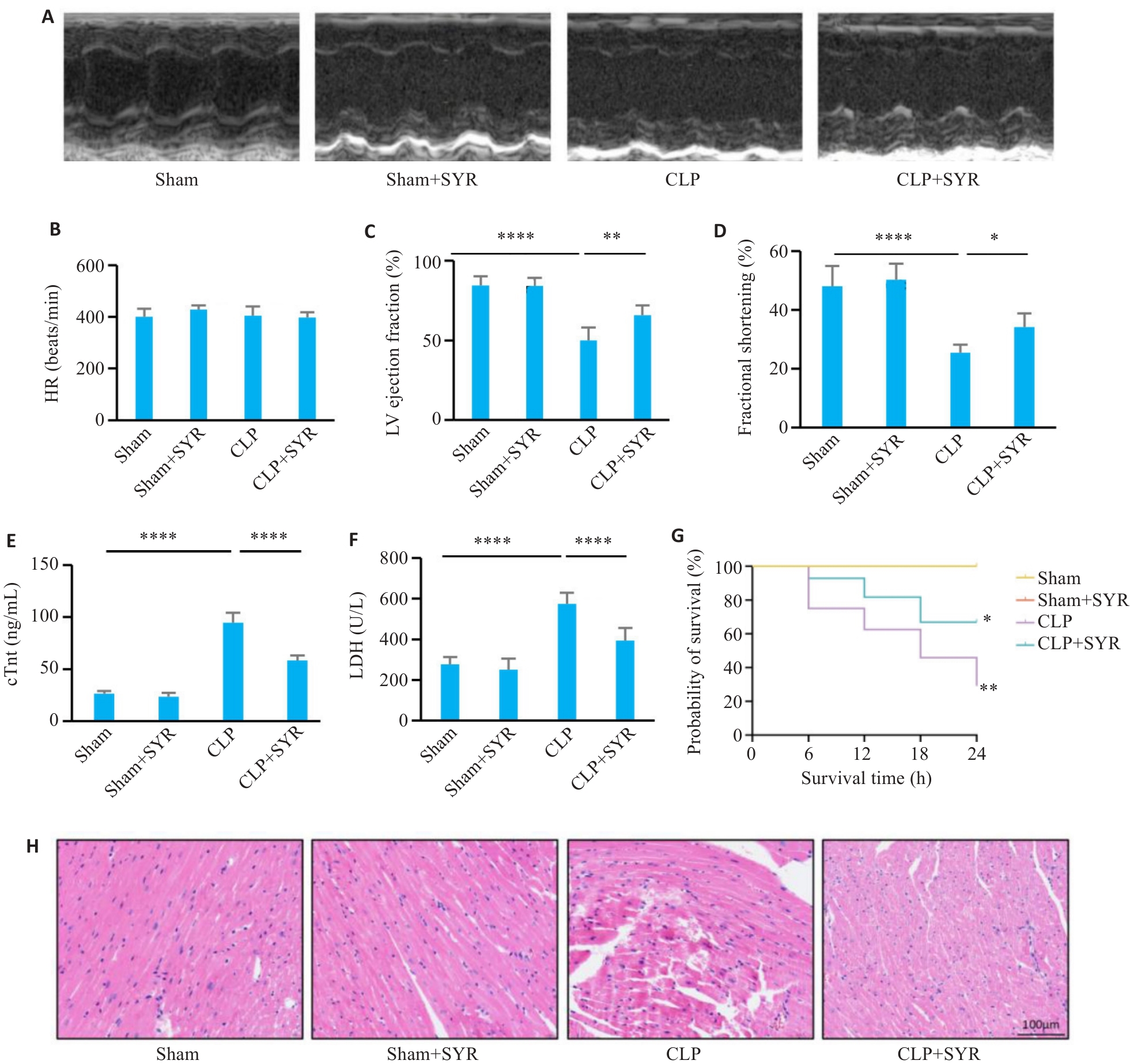
Fig.1 Syringin (SYR) alleviates myocardial injury in mice with sepsis. A: Representative left ventricular M-mode echocardiograms of the mice in different groups. B: Statistical analysis of heart rate (n=6). C: Statistical analysis of LVEF (n=6). D: Statistical analysis of LVFS (n=6). E: Serum cTnt levels in the mice. F: LDH activity in mouse serum. G: Survival rates of the mice with or without SYR therapy 24 h after cecal ligation and puncture (CLP) (n=20). Time (h) refers to the survival hours after sepsis. H: HE staining (Scale bar=100 μm). *P<0.05, **P<0.01, ****P<0.0001.
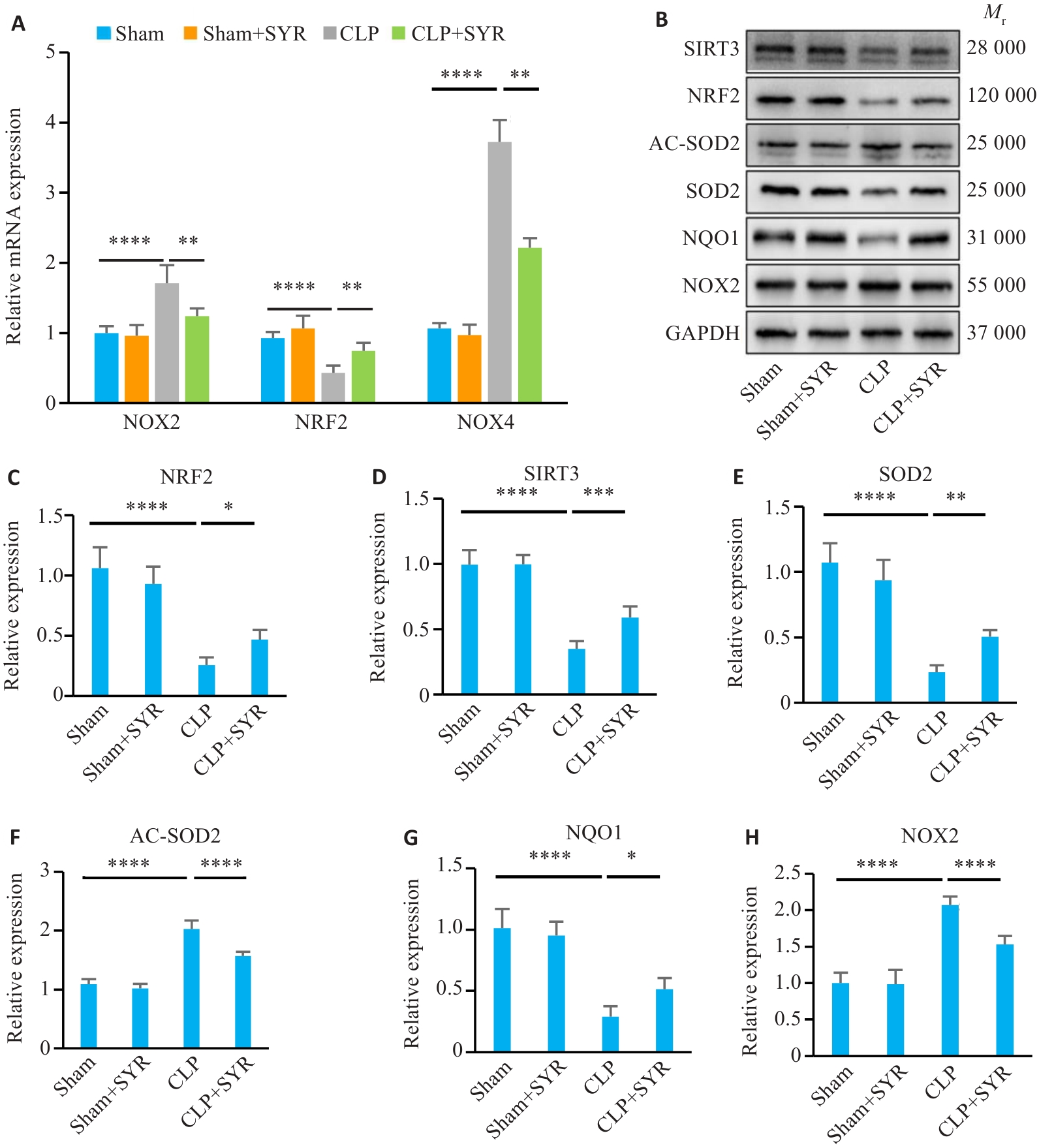
Fig.2 SYR treatment alleviates sepsis-induced aberrant expressions of oxidative stress-related genes and proteins in mice. A: NOX2, NRF2 and NOX4 mRNA levels in mouse myocardial tissue. B: Target proteins examined by Western blotting. C: Statistical analysis of NRF2/GAPDH (n=6). D: Statistical analysis of SIRT3/GAPDH (n=6). E: Statistical analysis of SOD2/GAPDH (n=6). F: Statistical analysis of AC-SOD2/GAPDH (n=6). G: Statistical analysis of NQO1/GAPDH (n=6). H: Statistical analysis of NOX2/GAPDH (n=6). Comparisons among multiple groups were made using one-way ANOVA. *P<0.05, **P<0.01, ***P<0.001, ****P<0.0001.
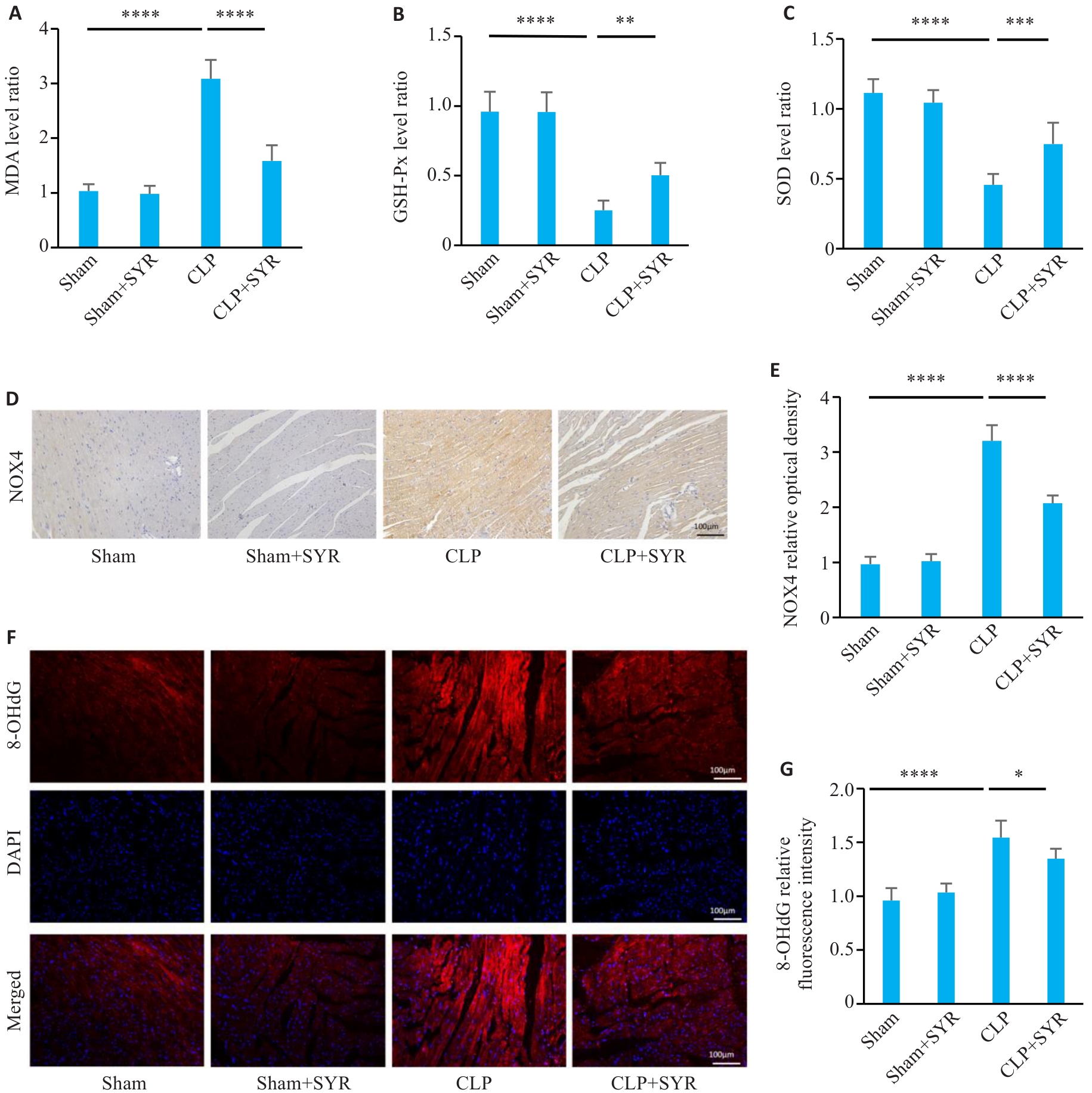
Fig.3 SYR treatment reduces the levels of oxidative stress in the serum and tissues of septic mice. A: MDA content in mouse serum (n=6). B: GSH-Px content in mouse serum (n=6). C: SOD content in mouse serum (n=6). D: Expression and location of NOX4 determined by immunohistochemistry (Scale bar=100 μm). E: Statistical analysis of NOX4 area (n=6). F: Expression and location of 8-OHdG determined by immunofluorescence staining (Scale bar=100 μm). G: Statistical analysis of fluorescence intensity (n=6). *P<0.05, **P<0.01, ***P<0.001, ****P<0.0001.
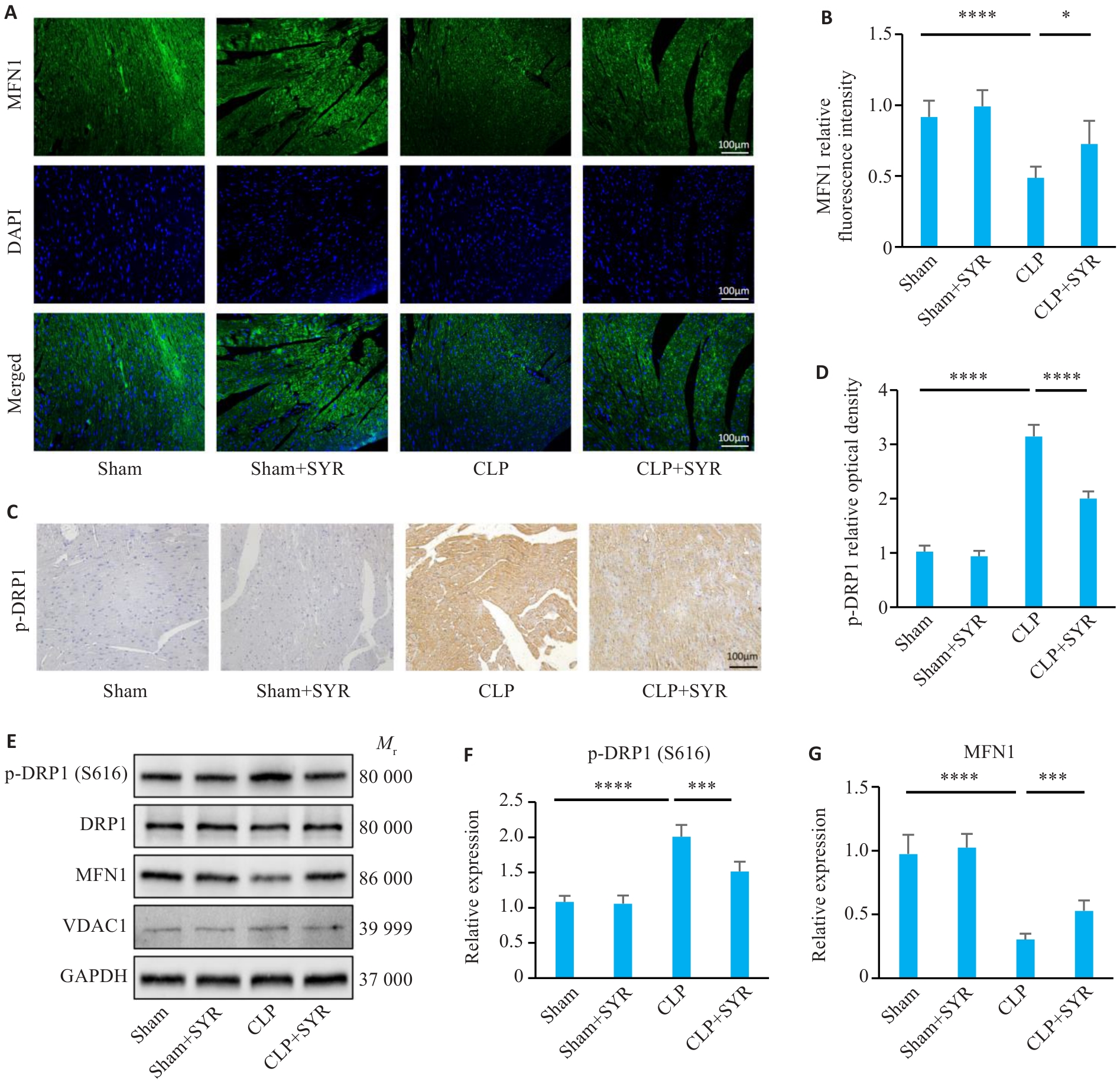
Fig.4 SYR treatment alleviates mitochondrial damage in septic mice. A: Expression and location of MFN1 determined by immunofluorescence staining (Scale bar=100 μm). B: Statistical analysis of fluorescence intensity (n=6). C: Expression and location of p-DRP1 were determined by immunohistochemistry (Scale bar=100 μm). D: Statistical analysis of p-DRP1 area (n=6). E: Target proteins examined by Western blotting. F: Statistical analysis of p-DRP1(S616)/DRP1 (n=6). G: Statistical analysis of MFN1/GAPDH (n=6). *P<0.05, ***P<0.001, ****P<0.0001.
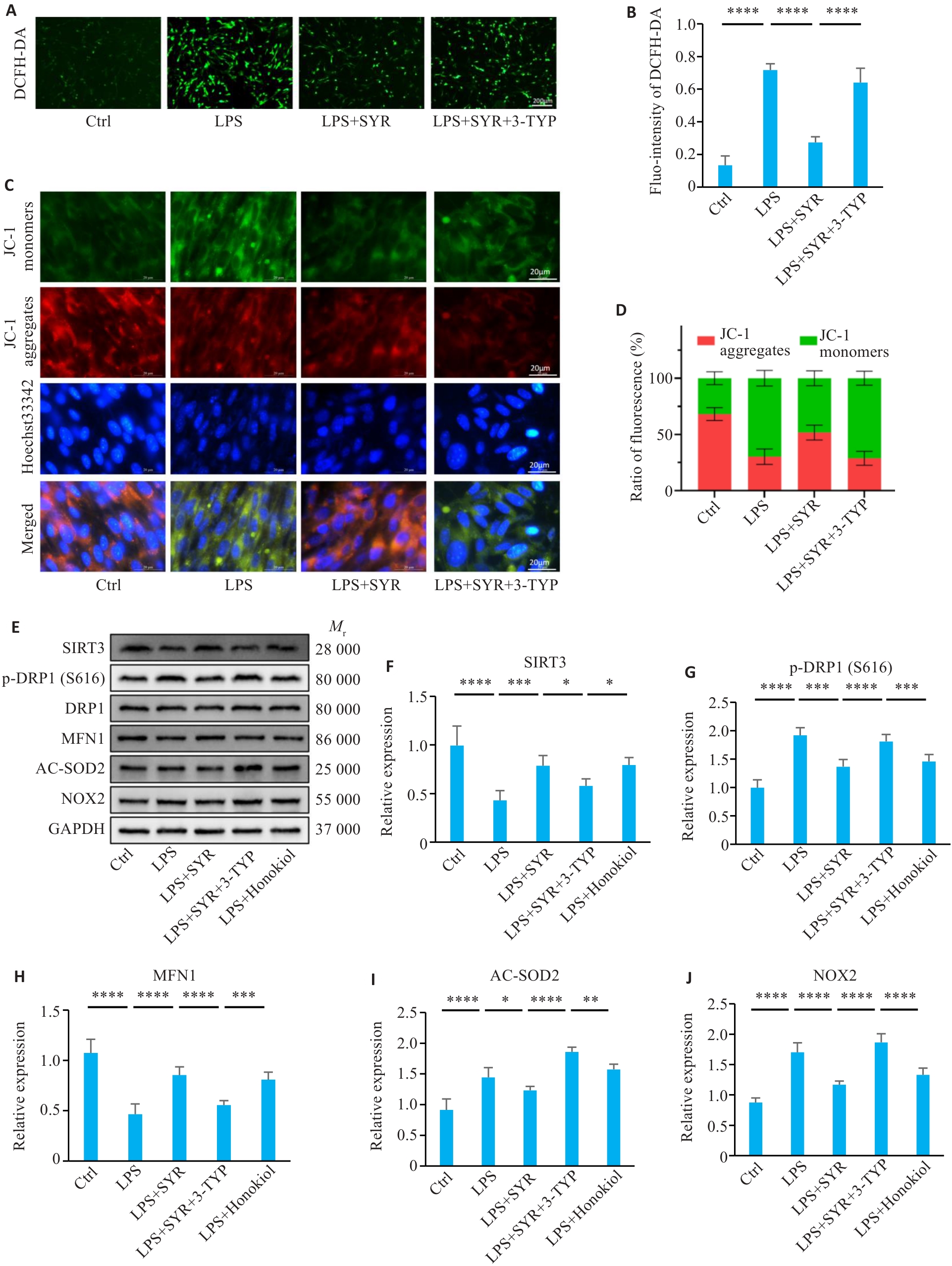
Fig.5 SYR attenuates oxidative stress and mitochondrial damage in primary culture of neonatal mouse cardiomyocytes (NMCMs) by activating SIRT3. A: Expression of DCFH-DA determined by immunofluorescence staining (Scale bar=200 μm). B: Statistical analysis of fluorescence intensity (n=6). C: JC-1 staining for measuring the mitochondrial membrane potential in NMCMs showing depolarization (green) and hyperpolarization (red) of the mitochondria. D: Statistical analysis of fluorescence intensity (n=6). E: Target proteins examined by Western blotting. F: Statistical analysis of SIRT3/GAPDH (n=6). G: Statistical analysis of p-DRP1/DRP1 (n=6). H: Statistical analysis of MFN1/GAPDH (n=6). I: Statistical analysis of AC-SOD2/GAPDH (n=6). J: Statistical analysis of NOX2/GAPDH (n=6). *P<0.05, **P<0.01, ***P<0.001, ****P<0.0001.
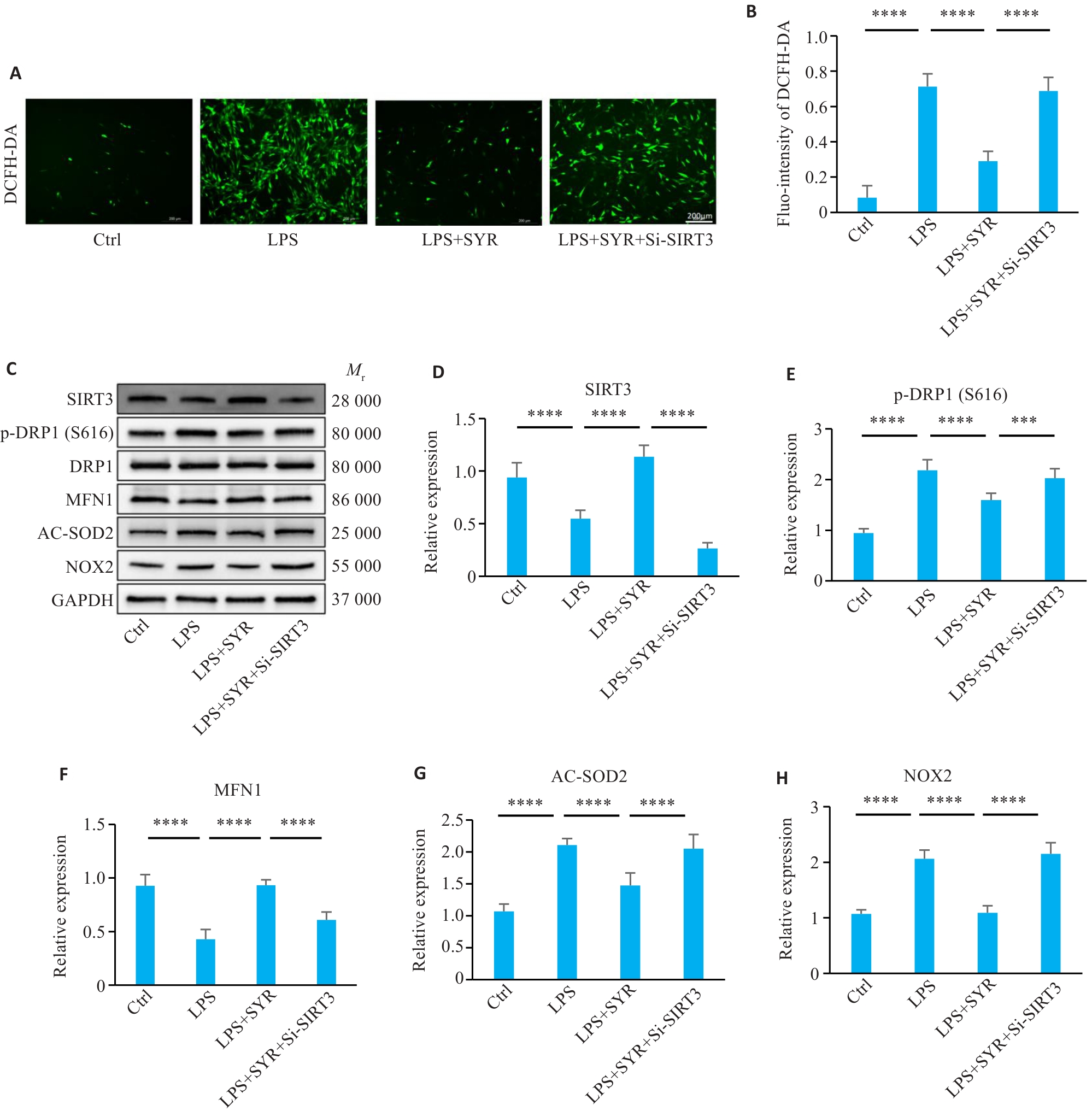
Fig.6 Inhibiting SIRT3 eliminates the inhibitory effects of SYR on oxidative stress in neonatal mouse cardiomyocytes and its protective effect on mitochondria. A: Expression of DCFH-DA determined by immunofluorescence staining (Scale bar=200 μm). B: Statistical analysis of fluorescence intensity (n=6). C: Target proteins examined by Western blotting. D: Statistical analysis of SIRT3/GAPDH (n=6). E: Statistical analysis of p-DRP1/DRP1 (n=6). F: Statistical analysis of MFN1/GAPDH (n=6). G: Statistical analysis of AC-SOD2/GAPDH (n=6). H: Statistical analysis of NOX2/GAPDH (n=6). ***P<0.001, ****P<0.0001.
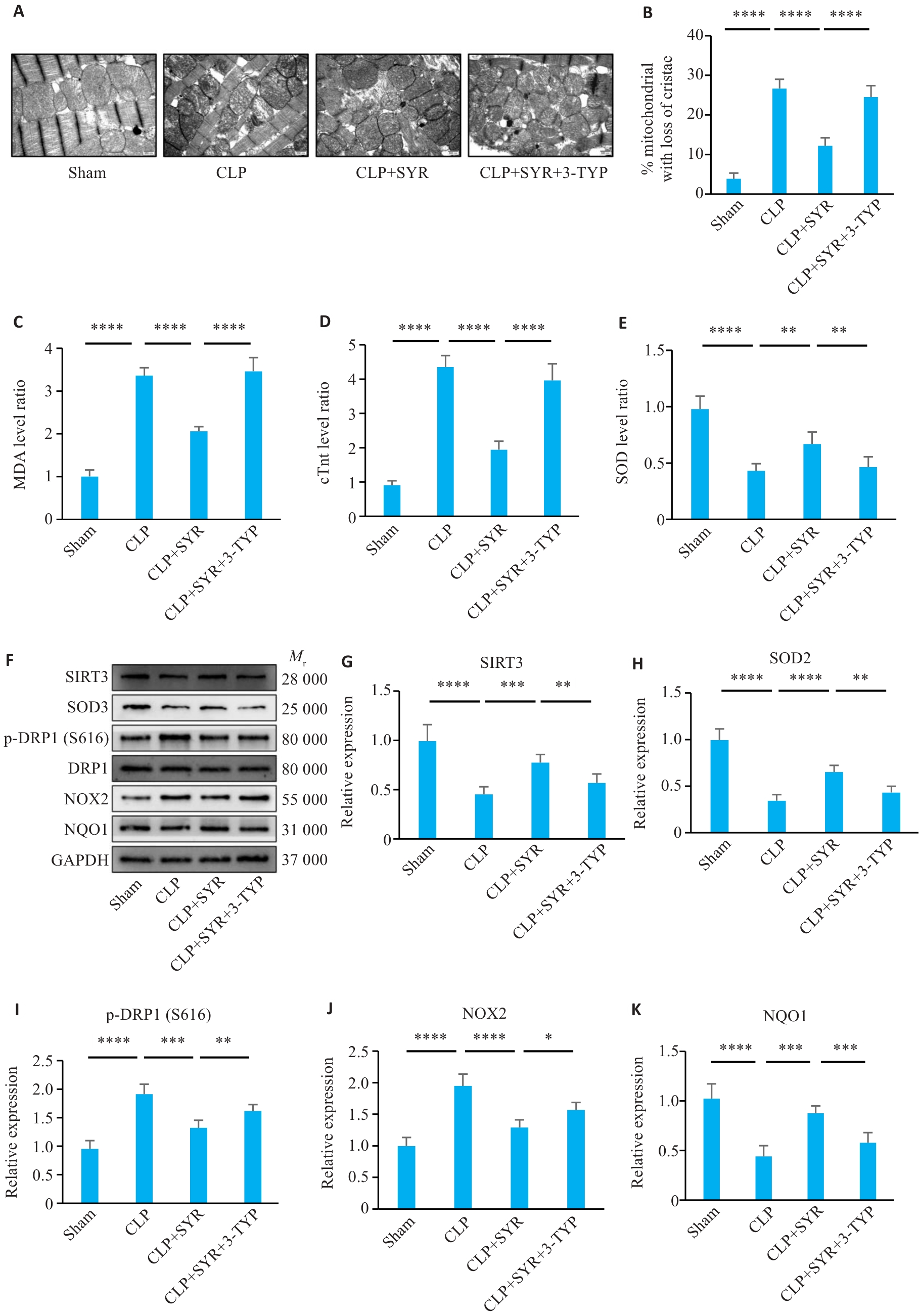
Fig.7 SYR produces protective effect on the myocardium in septic mice by activating SIRT3. A: Representative electron microscopy images showing damaged mitochondrial with loss of cristae in mouse cardiomyocytes (Scale bar=500 nm). B: Quantification of damaged mitochondria in mouse cardiomyocytes (n=6). C: MDA content in mouse serum (n=6). D: cTnt content in mouse (n=6). E: SOD content in mouse serum (n=6). F: Target proteins examined by Western blotting. G: Statistical analysis of SIRT3/GAPDH (n=6). H: Statistical analysis of SOD2/GAPDH (n=6). I: Statistical analysis of p-DRP1/DRP1 (n=6). J: Statistical analysis of NOX2/GAPDH (n=6). K: Statistical analysis of NQO1/GAPDH (n=6). *P<0.05, **P<0.01, ***P<0.001, ****P<0.0001.
| [1] | Sato R, Sanfilippo F, Lanspa M, et al. Sepsis-induced cardio-myopathy[J]. Chest, 2025, 168(6): 1383-94. doi:10.1016/j.chest.2025.08.013 |
| [2] | Pamporis K, Karakasis P, Pantelidaki A, et al. Sepsis-induced cardiomyopathy and cardiac arrhythmias: pathophysiology and implications for novel therapeutic approaches[J]. Biomedicines, 2025, 13(11): 2643. doi:10.3390/biomedicines13112643 |
| [3] | Hasegawa D, Ishisaka Y, Maeda T, et al. Prevalence and prognosis of sepsis-induced cardiomyopathy: a systematic review and meta-analysis[J]. J Intensive Care Med, 2023, 38(9): 797-808. doi:10.1177/08850666231180526 |
| [4] | Shvilkina T, Shapiro N. Sepsis-Induced myocardial dysfunction: heterogeneity of functional effects and clinical significance[J]. Front Cardiovasc Med, 2023, 10: 1200441. doi:10.3389/fcvm.2023.1200441 |
| [5] | L' Heureux M, Sternberg M, Brath L, et al. Sepsis-induced cardiomyopathy: a comprehensive review[J]. Curr Cardiol Rep, 2020, 22(5): 35. doi:10.1007/s11886-020-01277-2 |
| [6] | Marques E, Kramer R, Ryan DG. Multifaceted mitochondria in innate immunity[J]. npj Metab Health Dis, 2024, 2: 6. doi:10.1038/s44324-024-00008-3 |
| [7] | Kuroshima T, Kawaguchi S, Okada M. Current perspectives of mitochondria in sepsis-induced cardiomyopathy[J]. Int J Mol Sci, 2024, 25(9): 4710. doi:10.3390/ijms25094710 |
| [8] | Nedel W, Strogulski NR, Kopczynski A, et al. Assessment of mitochondrial function and its prognostic role in sepsis: a literature review[J]. Intensive Care Med Exp, 2024, 12(1): 107. doi:10.1186/s40635-024-00694-9 |
| [9] | Chen W, Zhao ZZ, Geng ZG, et al. Advances in mitochondria-nucleus crosstalk in septic cardiomyopathy[J]. Cell Biol Toxicol, 2025, 41(1): 136. doi:10.1007/s10565-025-10090-y |
| [10] | West AP, Shadel GS. Mitochondrial DNA in innate immune responses and inflammatory pathology[J]. Nat Rev Immunol, 2017, 17(6): 363-75. doi:10.1038/nri.2017.21 |
| [11] | Yao X, Carlson D, Sun YX, et al. Mitochondrial ROS induces cardiac inflammation via a pathway through mtDNA damage in a pneumonia-related sepsis model[J]. PLoS One, 2015, 10(10): e0139416. doi:10.1371/journal.pone.0139416 |
| [12] | Hu DX, Sheeja Prabhakaran H, Zhang YY, et al. Mitochondrial dysfunction in sepsis: mechanisms and therapeutic perspectives[J]. Crit Care, 2024, 28(1): 292. doi:10.1186/s13054-024-05069-w |
| [13] | 董永杰, 董 静, 岳 峰, 等. 紫丁香苷调节PD-1/PD-L1信号通路对胃癌细胞增殖、凋亡和免疫逃逸的影响 [J]. 中国老年学杂志, 2025, 45(17): 4304-8. |
| [14] | 任兰鑫, 左振魁, 王 琳, 等. 基于JAK2/STAT3信号通路探究紫丁香苷对溃疡性结肠炎肠上皮细胞凋亡的影响 [J]. 中药材, 2025, 48(6): 1528-33. |
| [15] | Niu HS, Liu IM, Cheng JT, et al. Hypoglycemic effect of syringin from Eleutherococcus senticosus in streptozotocin-induced diabetic rats[J]. Planta Med, 2008, 74(2): 109-13. doi:10.1055/s-2008-1034275 |
| [16] | Zhao D, Liu KT, Wang J, et al. Syringin exerts anti-inflammatory and antioxidant effects by regulating SIRT1 signaling in rat and cell models of acute myocardial infarction[J]. Immunity Inflam & Disease, 2023, 11(2): e775. doi:10.1002/iid3.775 |
| [17] | Yao JP, Li Y, Jin YP, et al. Synergistic cardioptotection by tilianin and syringin in diabetic cardiomyopathy involves interaction of TLR4/NF‑κB/NLRP3 and PGC1a/SIRT3 pathways[J]. Int Immunopharmacol, 2021, 96: 107728. doi:10.1016/j.intimp.2021.107728 |
| [18] | Xu ZW, Huang FJ, Wu ZM, et al. Syringin attenuates Alzheimer's disease-associated neuroinflammation by inhibiting NLRP3 inflammasome activation[J]. Phytomedicine, 2025, 148: 157454. doi:10.1016/j.phymed.2025.157454 |
| [19] | Wang WL, Feng XY, Guo X, et al. Syringin attenuates fibrogenesis and inflammation through SIRT3-regulated P2X7 receptor signaling pathway in hepatic fibrosis[J]. Phytomedicine, 2025, 148: 157461. doi:10.1016/j.phymed.2025.157461 |
| [20] | Peng YC, Xu J, Wei LY, et al. Melatonin alleviates sepsis-induced acute lung injury by inhibiting necroptosis via reducing circulating mtDNA release[J]. Mol Med, 2025, 31(1): 176. doi:10.1186/s10020-025-01228-z |
| [21] | Guo ML, Zhuang HJ, Su YM, et al. SIRT3 alleviates imiquimod-induced psoriatic dermatitis through deacetylation of XBP1s and modulation of TLR7/8 inducing IL-23 production in macrophages[J]. Front Immunol, 2023, 14: 1128543. doi:10.3389/fimmu.2023.1128543 |
| [22] | 彭煜策, 姜 毅, 马 丹, 等. 异牡荆素通过促进SIRT3表达减轻糖尿病小鼠的心肌氧化应激损伤 [J]. 南方医科大学学报,2026,46(2): 316-24. |
| [23] | Marconi GD, Della Rocca Y, Fonticoli L, et al. The beneficial effect of carvacrol in HL-1 cardiomyocytes treated with LPS-G: anti-inflammatory pathway investigations[J]. Antioxidants, 2022, 11(2): 386. doi:10.3390/antiox11020386 |
| [24] | Huang pian-pian, Fu J, Liu li-hua, et al. Honokiol antagonizes doxorubicin-induced cardiomyocyte senescence by inhibiting TXNIP-mediated NLRP3 inflammasome activation[J]. Int J Mol Med, 2019,45(1): 186-94. |
| [25] | Yu WL, Lyu JS, Jia LL, et al. Dexmedetomidine ameliorates hippocampus injury and cognitive dysfunction induced by hepatic ischemia/reperfusion by activating SIRT3-mediated mitophagy and inhibiting activation of the NLRP3 inflammasome in young rats[J]. Oxid Med Cell Longev, 2020, 2020: 7385458. doi:10.1155/2020/7385458 |
| [26] | Aissaoui N, Boissier F, Chew M, et al. Sepsis-induced cardiomyopathy[J]. Eur Heart J, 2025, 46(34): 3339-53. doi:10.1093/eurheartj/ehaf340 |
| [27] | Yu XT, Gao J, Zhang CX. Sepsis-induced cardiac dysfunction: mitochondria and energy metabolism[J]. Intensive Care Med Exp, 2025, 13(1): 20. doi:10.1186/s40635-025-00728-w |
| [28] | Haileselassie B, Mukherjee R, Joshi AU, et al. Drp1/Fis1 interaction mediates mitochondrial dysfunction in septic cardiomyopathy[J]. J Mol Cell Cardiol, 2019, 130: 160-9. doi:10.1016/j.yjmcc.2019.04.006 |
| [29] | Liu AB, Wang S, Shen Y, et al. The role of mitochondrial dysfunction and inflammatory response in the pathogenesis of sepsis-induced myocardial injury: a mechanistic study[J]. J Inflamm Res, 2025, 18: 15207-35. doi:10.2147/jir.s552730 |
| [30] | Bertozzi G, Ferrara M, Di Fazio A, et al. Oxidative stress in sepsis: a focus on cardiac pathology[J]. Int J Mol Sci, 2024, 25(5): 2912. doi:10.3390/ijms25052912 |
| [31] | Wan CL, Sun SY, Du YQ, et al. A study on the mechanism of action of Syringin in the treatment of type 2 diabetes by integrating metabolomics, network pharmacology, molecular docking technology and experimental validation[J]. Int Immunopharmacol, 2025, 167: 115716. doi:10.1016/j.intimp.2025.115716 |
| [32] | Cai XM, Wu YN, Liu FX, et al. Syringin alleviates ROS-induced acute lung injury by activating SIRT1/STAT6 signaling pathway to inhibit ferroptosis[J]. Tissue Cell, 2025, 93: 102698. doi:10.1016/j.tice.2024.102698 |
| [1] | Lu XU, Yuanjin PAN, Yuchen WANG, Zhenyu CHEN, Wei JIANG, Jiangquan YU, Ruiqiang ZHENG. Xuebijing Injection ameliorates sepsis-associated acute respiratory distress syndrome in mice by upregulating phospholipid transfer protein to regulate macrophage JNK/c-JUN pathway [J]. Journal of Southern Medical University, 2026, 46(9): 2035-2045. |
| [2] | Yuanhuan CHEN, Bin YUE, Quansheng WU, Haiyan MAO, Xiujia JI, Cuijun CHU, Lin CHEN, Yuzhi ZHANG, Bingxia LI, Xiaohua ZHANG, Peng FENG. Activation of the CaMKKβ/AMPK/HIF-1α signaling pathway promotes angiogenesis in endometriosis by regulating mitophagy [J]. Journal of Southern Medical University, 2026, 46(9): 2046-2055. |
| [3] | Xiaomin LI, Jie XU, Caiyue GAO, Jijun ZHU, Yu WANG, Dongdong LI, Xiaoyan WANG. The mitochondrial protein encoded by circUSP25 promotes colon cancer cell proliferation and migration [J]. Journal of Southern Medical University, 2026, 46(9): 2123-2129. |
| [4] | Mengjie YU, Anbo ZHAO, Yixuan HAO, Yiren WANG, Yuexian LIU, Hongwei YE, Qin GAO. LCN2 knockout protects endothelial barrier function in mice with sepsis-induced acute lung injury by regulating the NF-κB signaling pathway [J]. Journal of Southern Medical University, 2026, 46(8): 1779-1789. |
| [5] | Tong QIAO, Longtao ZHANG, Yu ZHANG, Ju HUANG, Qingqing LI, Zhijun GENG, Jianguo HU, Jing Li. Isovanillic acid alleviates dextran sulfate sodium-induced ulcerative colitis in mice by improving mitochondrial function via activating the PPARγ pathway [J]. Journal of Southern Medical University, 2026, 46(7): 1487-1497. |
| [6] | Weishuai YIN, Fei LI, Yi CAO, Qiqi YANG, Zetian DENG, Shijie CAO, Yongqi SUN, Xinyang BI, Zhengpeng LIANG, Sijia WU, Baoguo WANG. Effect of Huayu Tongluo moxibustion combined with neural stem cell transplantation on hippocampal Drp1/Mfn proteins and mitochondrial dynamics in rats with vascular dementia [J]. Journal of Southern Medical University, 2026, 46(7): 1520-1532. |
| [7] | Miao LI, Guiying YU, Jincheng WANG, Kang XIE, Yulin OUYANG, Neng WANG, Ruijia WEN, Wei WANG, Chun LI. Lonicera japonica attenuates oxidative stress and improves post-ischemic heart failure in mice via the STAT3/PGC-1α axis [J]. Journal of Southern Medical University, 2026, 46(7): 1563-1575. |
| [8] | Xiaoyu GUO, Jiayu WU, Bing HAN, Ting YANG, Huanhuan YIN, Jinyi XIONG, Rujia XIE. CHOP promotes hepatocyte pyroptosis by downregulating endoplasmic reticulophagy and enhancing endoplasmic reticulum-mitochondria interaction [J]. Journal of Southern Medical University, 2026, 46(7): 1648-1659. |
| [9] | Yanyan WANG, Zhihui SONG, Liuli GUO, Yang XIAO, Rui CHEN, Yi WANG. Tongmai Yangxin pills alleviate myocardial ischemia-reperfusion injury by enhancing mitochondrial function via activating the ERK signaling pathway [J]. Journal of Southern Medical University, 2026, 46(6): 1203-1215. |
| [10] | Jin LI, Yijie HE, Fangfang BI, Junxin CHEN, Zhenyan FAN, Yu ZHANG, Enyu CHEN, Hongwen XIAO, Yun WU, Hua TIAN, Yuhong ZHOU. Targeted inhibition of miR-503 upregulates Apelin expression to alleviate myocardial infarction in mice [J]. Journal of Southern Medical University, 2026, 46(6): 1235-1243. |
| [11] | Lin YIN, Yu ZHANG, Keni ZHANG, Tong QIAO, Longtao ZHANG, Ju HUANG, Jing LI, Jianguo HU, Zhijun GENG. 1,3-dicaffeoylquinic acid mitigates dextran sulfate sodium-induced colitis in mice by alleviating oxidative stress via inhibiting the PI3K/Akt pathway [J]. Journal of Southern Medical University, 2026, 46(6): 1244-1255. |
| [12] | Ziyu WANG, Jingwen WU, Hanbing WANG, Yan XU, Chunling JIANG, Li ZHOU. Elevation of red blood cell distribution width to hematocrit ratio is associated with increased 28-day all-cause mortality in septic patients [J]. Journal of Southern Medical University, 2026, 46(6): 1256-1266. |
| [13] | Jing YU, Jijun CHU, Chengcheng LIANG. Chronic iron overload induces diminished ovarian reserve in mice via iron metabolism dysregulation-mediated oxidative stress and endocrine dysfunction [J]. Journal of Southern Medical University, 2026, 46(6): 1313-1322. |
| [14] | Minglang SONG, Hai SU, Hongxing XIA, Shiyu CHEN, Lili SHAO, Zhibin JIANG. Mechanism of Tongxie Yaofang for reducing 5-HT-induced oxidative stress injury in BRL 3A cells: the mediating role of the SREBP-1/CD1 pathway [J]. Journal of Southern Medical University, 2026, 46(6): 1385-1394. |
| [15] | Jinchao ZHU, Ningning SHAO, Zeyu HUANG, Yanqing LIU, Xiangyan MENG, Ziquan LIU, Yujie SUN, Jinrui DONG, Haojun FAN. Ultrafine Xiebai powder alleviates lipopolysaccharide-induced acute lung injury in mice by suppressing ferroptosis and modulating the NF-κB/STAT3 signaling axis [J]. Journal of Southern Medical University, 2026, 46(5): 1006-1017. |
| Viewed | ||||||
|
Full text |
|
|||||
|
Abstract |
|
|||||
