
Journal of Southern Medical University ›› 2024, Vol. 44 ›› Issue (9): 1783-1795.doi: 10.12122/j.issn.1673-4254.2024.09.19
Previous Articles Next Articles
Hu LIU1,2( ), Zhihai SU3, Chengjie HUANG3, Lei ZHAO1,2, Yangfan CHEN1,2, Yujia ZHOU1,2, Hai LÜ3, Qianjin FENG1,2()
Received:2024-06-14
Online:2024-09-20
Published:2024-09-30
Contact:
Qianjin FENG
E-mail:liuhu_smu@outlook.com;fengqj99@smu.edu.cn
Supported by:Hu LIU, Zhihai SU, Chengjie HUANG, Lei ZHAO, Yangfan CHEN, Yujia ZHOU, Hai LÜ, Qianjin FENG. A multi-constraint optimal puncture path planning algorithm for percutaneous interventional radiofrequency thermal fusion of the L5/S1 segments[J]. Journal of Southern Medical University, 2024, 44(9): 1783-1795.
Add to citation manager EndNote|Ris|BibTeX
URL: https://www.j-smu.com/EN/10.12122/j.issn.1673-4254.2024.09.19
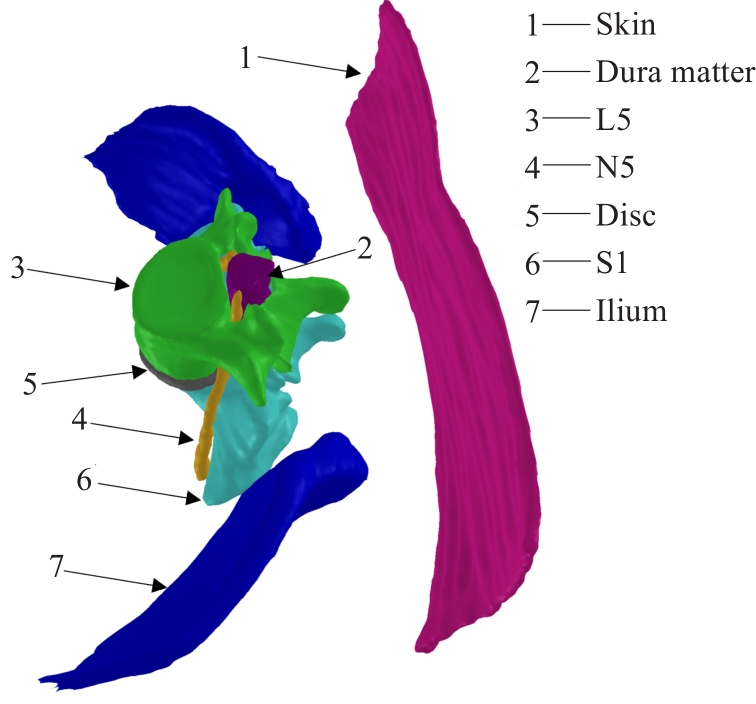
Fig.1 3D path planning environment.

Fig.2 Overall workflow of the algorithm.
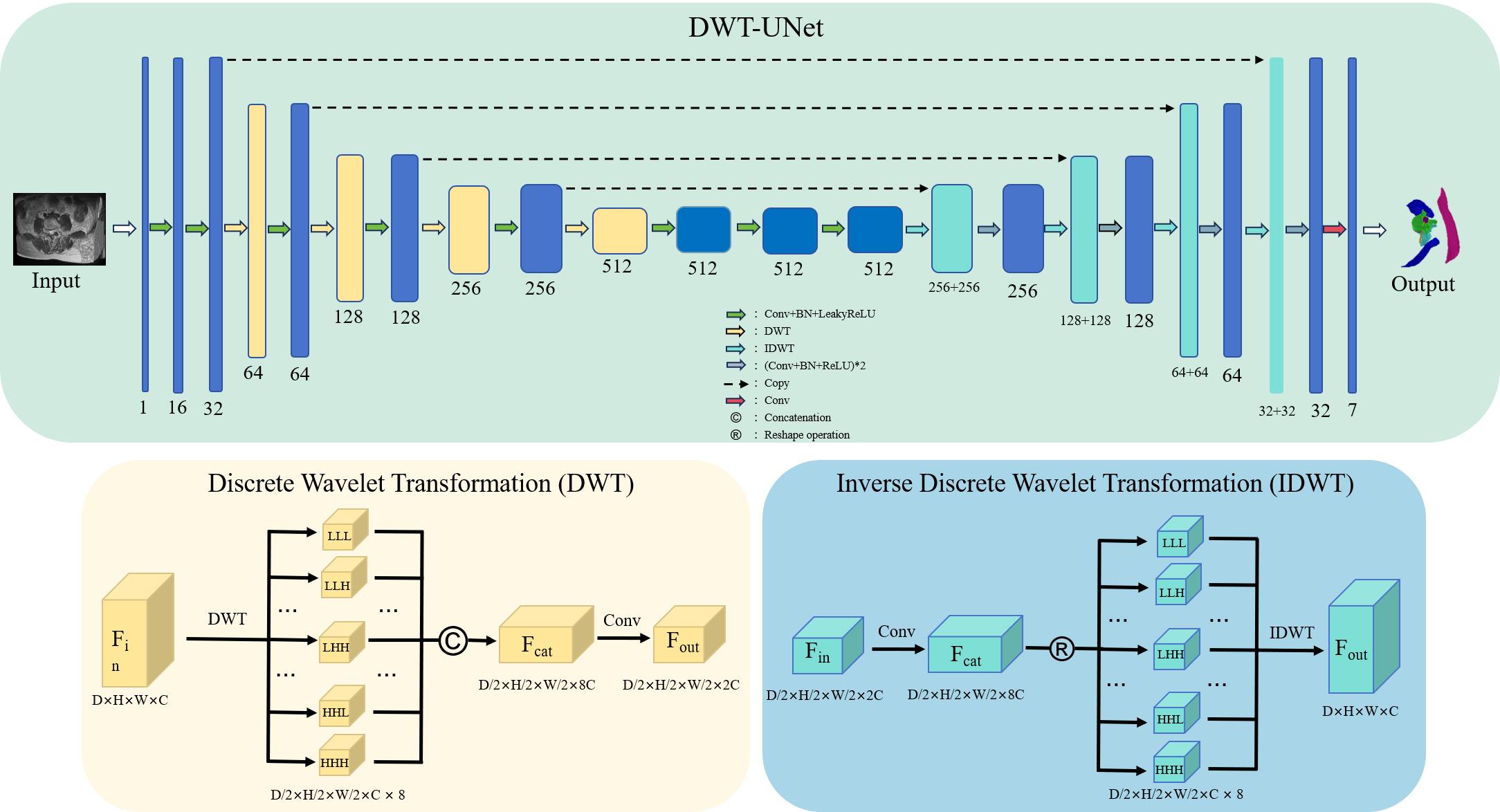
Fig.3 Structural diagram of DWT-UNet model.
| ID | Hard constraints | Soft constraints |
|---|---|---|
| A | To avoid collision with the risk-prone anatomical structures in the L5/S1 segment (including L5, S1, N5, dura mater, and ilium), ensuring a minimum clearance of 0.5mm (considering the outer diameter of a 20G needle is approximately 0.9mm) is crucial to maintain a safety margin during the procedure.[ | The distance between the puncture path and critical anatomical structures should be maximized as much as possible.[ |
| B | The puncture depth should be less than 150mm (considering the length of the puncture needle is 150mm) to ensure the ablation target can be effectively reached.[ | The puncture depth should be minimized as much as possible.[ |
| C | To prevent the phenomenon of needle slippage, the angle between the puncture path and the surface of the intervertebral disc should be greater than 20 degrees.[ | The angle between the puncture path and the surface of the intervertebral disc should be maximized as much as possible.[ |
| D* | The puncture path must traverse the intervertebral foramen. | Utilize a distance field based on bone structures to navigate and avoid densely packed bone regions. |
| E* | The puncture should be performed from the posterior (back) side. | Utilize a distance field based on neural tissue to navigate and avoid densely populated neural regions. |
| F* | The entry point of the puncture path must be located on the skin overlying the L5/S1 segment, in order to restrict the insertion range of the ablation needle. | The projected area of the Kambin's triangle should be maximized as much as possible. |
Tab.1 Constraints for path planning in radiofrequency ablation for lumbar disc herniation
| ID | Hard constraints | Soft constraints |
|---|---|---|
| A | To avoid collision with the risk-prone anatomical structures in the L5/S1 segment (including L5, S1, N5, dura mater, and ilium), ensuring a minimum clearance of 0.5mm (considering the outer diameter of a 20G needle is approximately 0.9mm) is crucial to maintain a safety margin during the procedure.[ | The distance between the puncture path and critical anatomical structures should be maximized as much as possible.[ |
| B | The puncture depth should be less than 150mm (considering the length of the puncture needle is 150mm) to ensure the ablation target can be effectively reached.[ | The puncture depth should be minimized as much as possible.[ |
| C | To prevent the phenomenon of needle slippage, the angle between the puncture path and the surface of the intervertebral disc should be greater than 20 degrees.[ | The angle between the puncture path and the surface of the intervertebral disc should be maximized as much as possible.[ |
| D* | The puncture path must traverse the intervertebral foramen. | Utilize a distance field based on bone structures to navigate and avoid densely packed bone regions. |
| E* | The puncture should be performed from the posterior (back) side. | Utilize a distance field based on neural tissue to navigate and avoid densely populated neural regions. |
| F* | The entry point of the puncture path must be located on the skin overlying the L5/S1 segment, in order to restrict the insertion range of the ablation needle. | The projected area of the Kambin's triangle should be maximized as much as possible. |
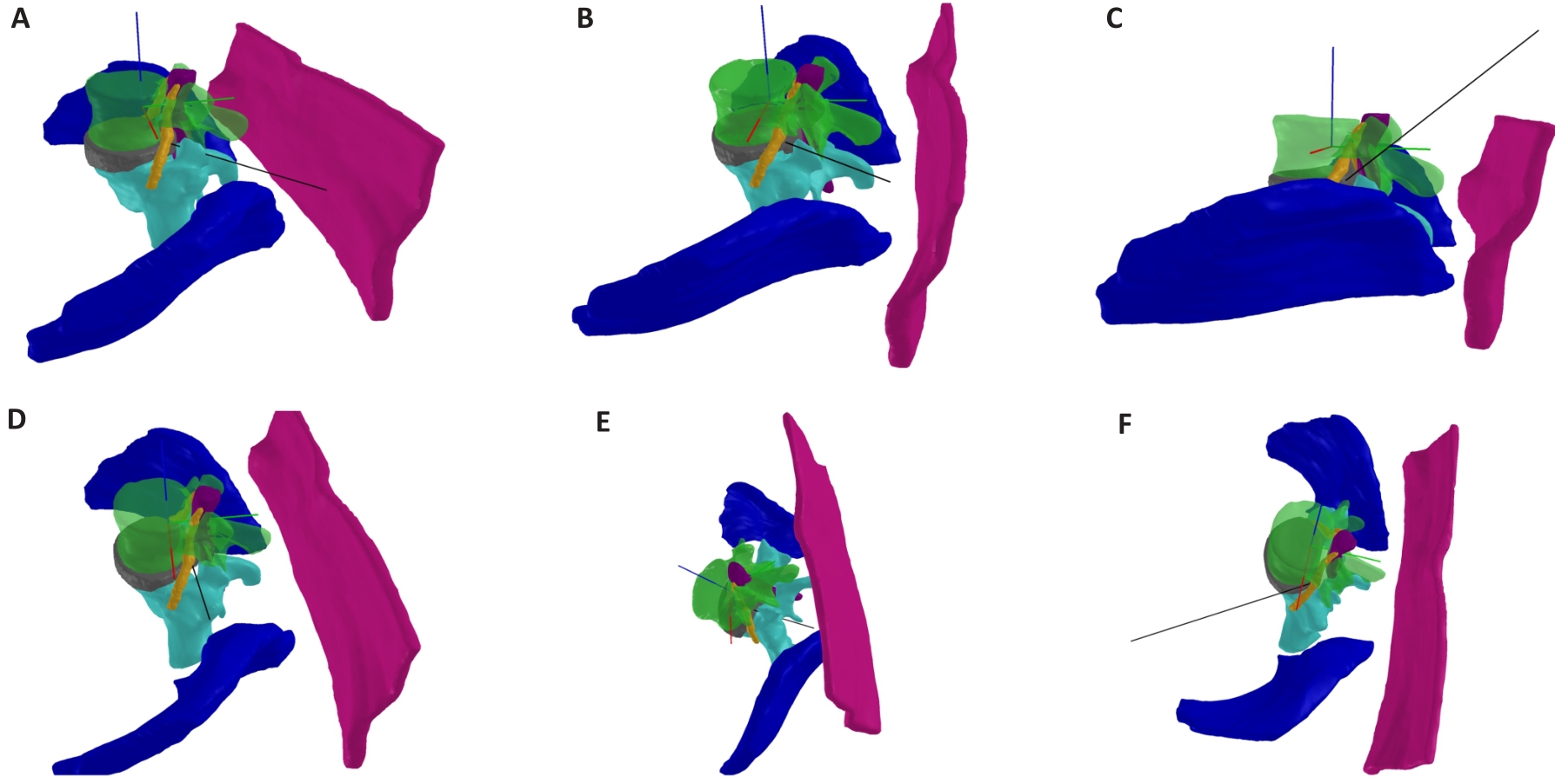
Fig.4 Illustration of violations of hard constraints for radiofrequency ablation needle puncture. A: Collision between puncture path and S1. B: Depth greater than the maximum length. C: Entry point out of range. D: Excessively small angle. E: Path misses intervertebral foramen. F: Puncture from anterior approach.

Fig.5 Diagram of the path to the key structures.

Fig.6 Diagram of the XYZ Axis limited perspective of the Kambin's triangle.
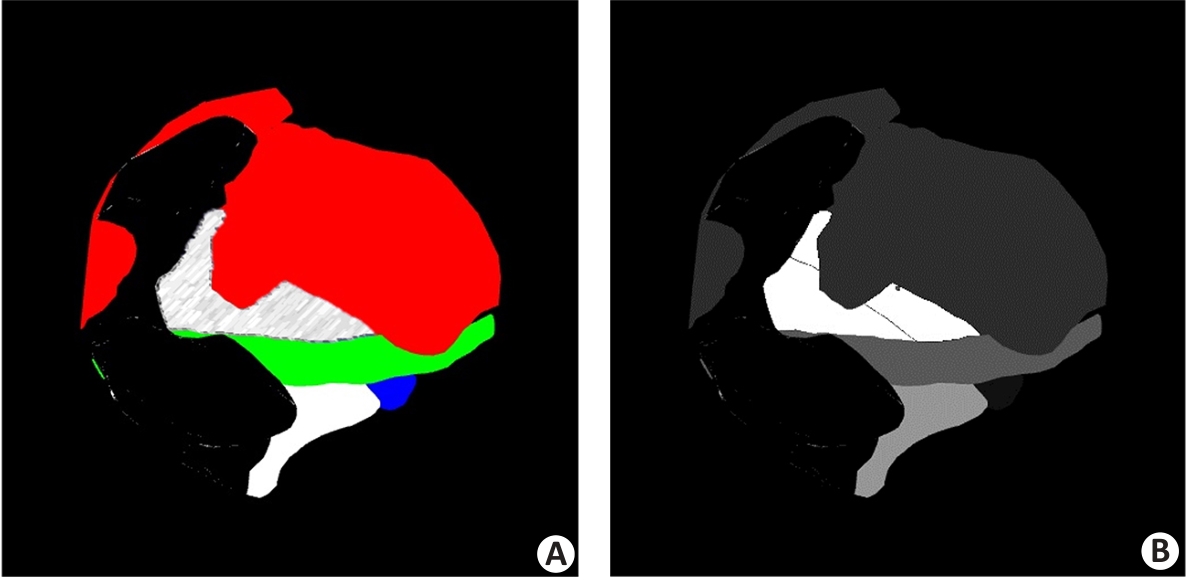
Fig.7 Kambin's triangle projection. A: Kambin's triangle projection area. B: Extracted Kambin's triangle region after grayscale conversion.
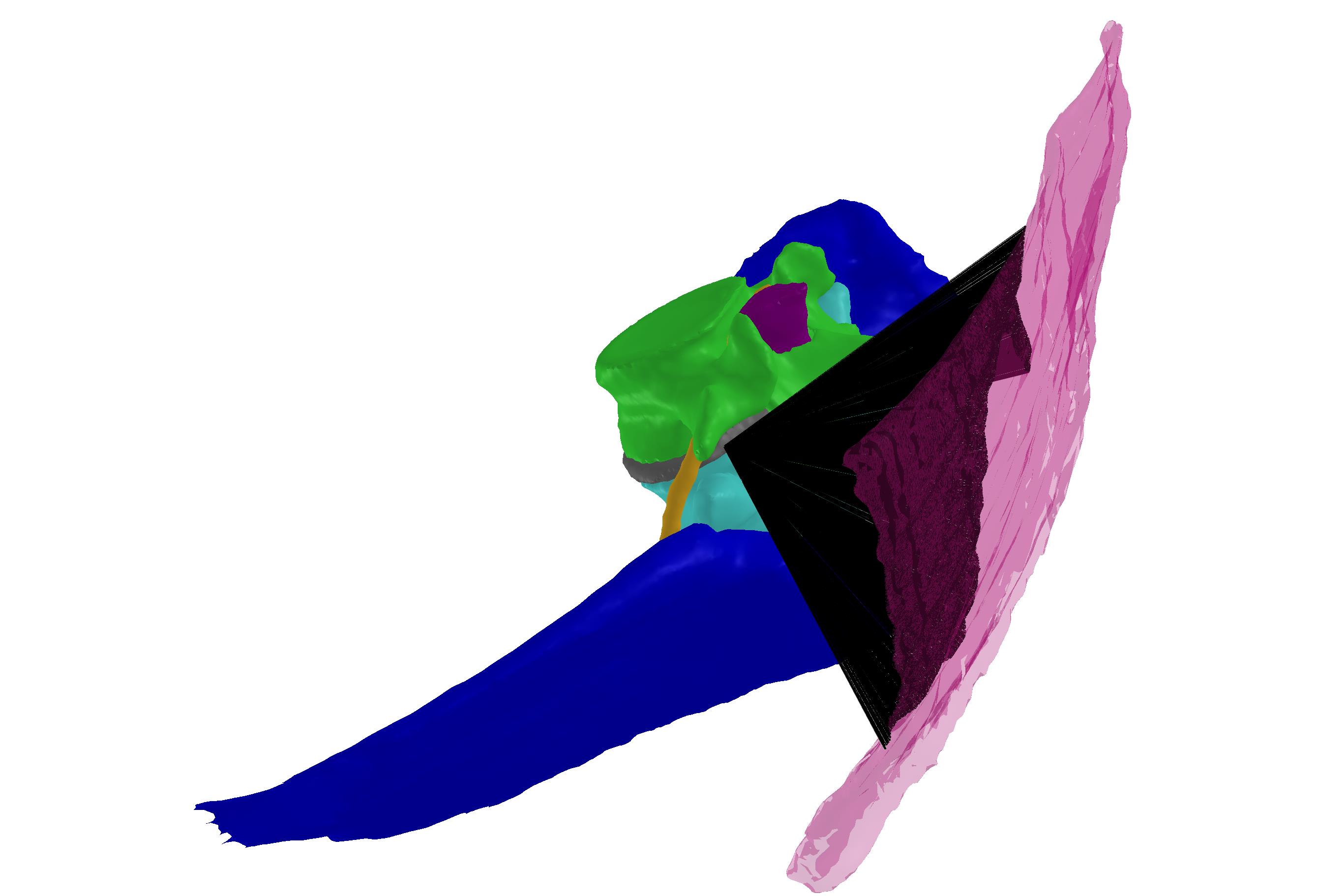
Fig.8 Diagram of non-feasible puncture area.
| Decision criteria | WIlium | WDura | WL5 | WN5 | WS1 | WDepth | WKambin |
|---|---|---|---|---|---|---|---|
| WIlium | 1 | 1/3 | 1/3 | 1/3 | 1/3 | 3 | 1/7 |
| WDura | 3 | 1 | 1/3 | 3 | 3 | 5 | 1/3 |
| WL5 | 3 | 3 | 1 | 5 | 5 | 7 | 1/3 |
| WN5 | 3 | 1/3 | 1/5 | 1 | 3 | 5 | 1/5 |
| WS1 | 3 | 1/3 | 1/5 | 1/3 | 1 | 5 | 1/7 |
| WDepth | 1/3 | 1/5 | 1/7 | 1/5 | 1/5 | 1 | 1/9 |
| WKambin | 7 | 3 | 3 | 5 | 7 | 9 | 1 |
Tab.2 Judgment matrix for criterion layer
| Decision criteria | WIlium | WDura | WL5 | WN5 | WS1 | WDepth | WKambin |
|---|---|---|---|---|---|---|---|
| WIlium | 1 | 1/3 | 1/3 | 1/3 | 1/3 | 3 | 1/7 |
| WDura | 3 | 1 | 1/3 | 3 | 3 | 5 | 1/3 |
| WL5 | 3 | 3 | 1 | 5 | 5 | 7 | 1/3 |
| WN5 | 3 | 1/3 | 1/5 | 1 | 3 | 5 | 1/5 |
| WS1 | 3 | 1/3 | 1/5 | 1/3 | 1 | 5 | 1/7 |
| WDepth | 1/3 | 1/5 | 1/7 | 1/5 | 1/5 | 1 | 1/9 |
| WKambin | 7 | 3 | 3 | 5 | 7 | 9 | 1 |
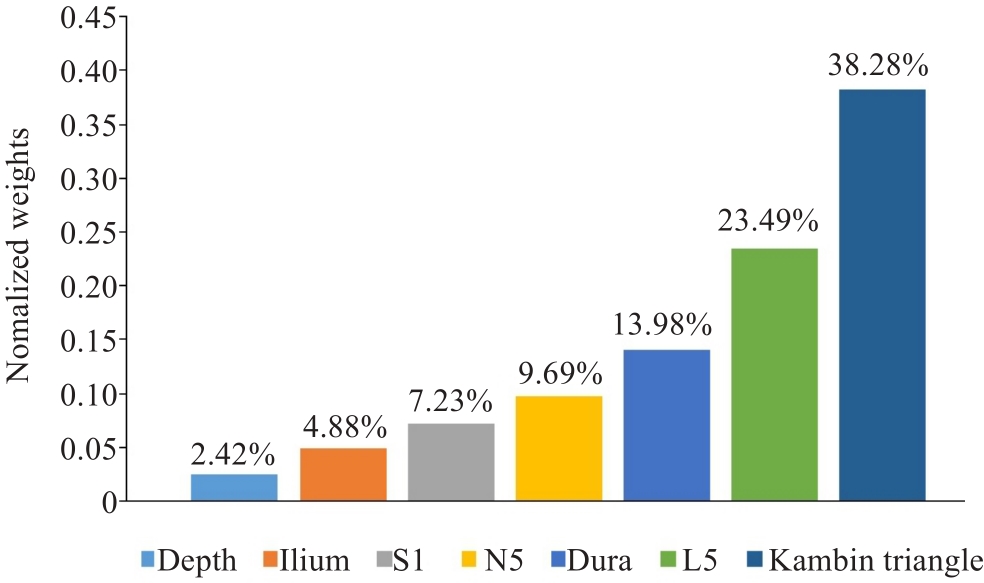
Fig.9 Chart of the weight distribution.
Algorithm 1 skin insertion point sampling algorithm |
|---|
Input:Local 3D model of skin S Output:Uniform sampling needle insertion point on the skin 1:for triangle ABC in S 2: // calculate the two edge vectors of triangle ABC 3: 4: 5: // calculate the area of triangle ABC 6: 7: s 8: for j = 1, 2, 3, …, N do 9: // generate random numbers 10: if 11: 12: 13: end if 14: // sample points in triangle ABC 15: 16: add 17: end for 18: end for 19: return sampling point list |
Tab.3 Algorithm for skin entry point sampling
Algorithm 1 skin insertion point sampling algorithm |
|---|
Input:Local 3D model of skin S Output:Uniform sampling needle insertion point on the skin 1:for triangle ABC in S 2: // calculate the two edge vectors of triangle ABC 3: 4: 5: // calculate the area of triangle ABC 6: 7: s 8: for j = 1, 2, 3, …, N do 9: // generate random numbers 10: if 11: 12: 13: end if 14: // sample points in triangle ABC 15: 16: add 17: end for 18: end for 19: return sampling point list |
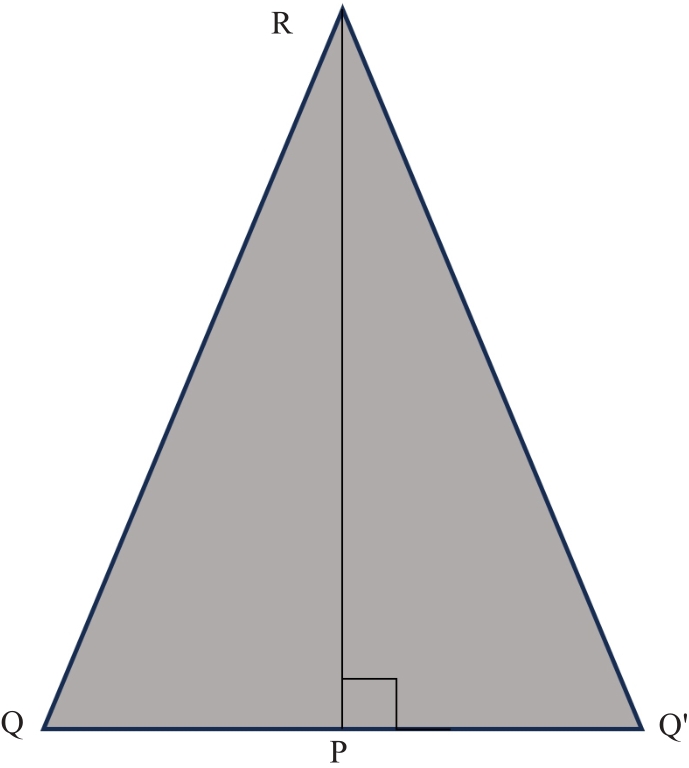
Fig.10 Diagram of error.
| Level | Core criteria |
|---|---|
| Excellent | Satisfy all clinical hard constraints and DDura, DN5, DL5, Depth, AKambin all outperforme the manual reference path, where Depth and AKambin are allowed to have a downward deviation of no more than 2%. |
| Good | Satisfy all clinical hard constraints, with DN5 and Depth required to outperform the manual reference path, while DDura, DL5 and AKambin are allowed to have a downward deviation of no more than 5%. |
| Moderate | Satisfy all clinical hard constraints and at least 3 out of the 7 indicators (DDura, DN5, DL5, Depth, AKambin, Depth, AKambin) outperforme the manual reference path. |
| Pass | Satisfy all clinical hard constraints. |
| Fail | Violation of any clinical hard constraint condition ( |
Tab.4 Core criteria for grading
| Level | Core criteria |
|---|---|
| Excellent | Satisfy all clinical hard constraints and DDura, DN5, DL5, Depth, AKambin all outperforme the manual reference path, where Depth and AKambin are allowed to have a downward deviation of no more than 2%. |
| Good | Satisfy all clinical hard constraints, with DN5 and Depth required to outperform the manual reference path, while DDura, DL5 and AKambin are allowed to have a downward deviation of no more than 5%. |
| Moderate | Satisfy all clinical hard constraints and at least 3 out of the 7 indicators (DDura, DN5, DL5, Depth, AKambin, Depth, AKambin) outperforme the manual reference path. |
| Pass | Satisfy all clinical hard constraints. |
| Fail | Violation of any clinical hard constraint condition ( |
| Model | L5/S1 | ||||
|---|---|---|---|---|---|
| S1 | Disc | L5 | Dura mater | N5 | |
| nnFormer[ | 0.9434 | 0.9219 | 0.9400 | 0.9029 | 0.7933 |
| DeepLabv3[ | 0.8070 | 0.8701 | 0.8427 | 0.8161 | 0.5073 |
| U-Net++[ | 0.9462 | 0.9225 | 0.9419 | 0.9066 | 0.8012 |
| DWT-UNet (Ours) | 0.9491 | 0.9373 | 0.9488 | 0.9197 | 0.8274 |
Tab.5 DSC of each structure segmented using different models
| Model | L5/S1 | ||||
|---|---|---|---|---|---|
| S1 | Disc | L5 | Dura mater | N5 | |
| nnFormer[ | 0.9434 | 0.9219 | 0.9400 | 0.9029 | 0.7933 |
| DeepLabv3[ | 0.8070 | 0.8701 | 0.8427 | 0.8161 | 0.5073 |
| U-Net++[ | 0.9462 | 0.9225 | 0.9419 | 0.9066 | 0.8012 |
| DWT-UNet (Ours) | 0.9491 | 0.9373 | 0.9488 | 0.9197 | 0.8274 |
| Model | L5/S1 | ||||
|---|---|---|---|---|---|
| S1 | Disc | L5 | Dura mater | N5 | |
| 3D U-Net[ | 0.9453 | 0.9231 | 0.9413 | 0.9035 | 0.7981 |
| 3D U-Net+DWT | 0.9491 | 0.9373 | 0.9488 | 0.9197 | 0.8274 |
| ResUNet[ | 0.9429 | 0.9221 | 0.9400 | 0.8974 | 0.7868 |
| ResUNet+DWT | 0.9466 | 0.9346 | 0.9477 | 0.9111 | 0.8160 |
| V-Net[ | 0.9404 | 0.9226 | 0.9356 | 0.8944 | 0.7814 |
| V-Net+DWT | 0.9426 | 0.9269 | 0.9431 | 0.9054 | 0.7974 |
Tab.6 DSC of the ablation experiment
| Model | L5/S1 | ||||
|---|---|---|---|---|---|
| S1 | Disc | L5 | Dura mater | N5 | |
| 3D U-Net[ | 0.9453 | 0.9231 | 0.9413 | 0.9035 | 0.7981 |
| 3D U-Net+DWT | 0.9491 | 0.9373 | 0.9488 | 0.9197 | 0.8274 |
| ResUNet[ | 0.9429 | 0.9221 | 0.9400 | 0.8974 | 0.7868 |
| ResUNet+DWT | 0.9466 | 0.9346 | 0.9477 | 0.9111 | 0.8160 |
| V-Net[ | 0.9404 | 0.9226 | 0.9356 | 0.8944 | 0.7814 |
| V-Net+DWT | 0.9426 | 0.9269 | 0.9431 | 0.9054 | 0.7974 |
| ID | Gender | Age (year) | Initial candidate needle insertion points | Needle insertion points that satisfy hard constraints | Depth (mm) | Clinical level |
|---|---|---|---|---|---|---|
| Case1 | Female | 53 | 43 035 | 22 097 | 123.71 | Good |
| Case2 | Female | 54 | 38 040 | 18 362 | 113.90 | Good |
| Case3 | Male | 39 | 43 925 | 11 689 | 126.46 | Good |
| Case4 | Male | 40 | 44 285 | 12 935 | 120.15 | Good |
| Case5 | Female | 26 | 38 200 | 8111 | 109.66 | Good |
| Case6 | Female | 27 | 38 995 | 10 538 | 103.67 | Excellent |
| Case7 | Female | 54 | 45 045 | 11 346 | 105.87 | Excellent |
| Case8 | Female | 32 | 38 480 | 18 646 | 87.22 | Excellent |
| Case9 | Female | 33 | 37 370 | 17 929 | 88.02 | Excellent |
| Case10 | Female | 35 | 35 070 | 15 663 | 134.82 | Good |
| Case11 | Female | 36 | 34 120 | 11 825 | 147.26 | Excellent |
| Case12 | Female | 63 | 45 875 | 12 569 | 83.74 | Moderate |
| Case13 | Female | 64 | 45 250 | 13 219 | 84.30 | Good |
| Case14 | Female | 38 | 39 495 | 9911 | 128.67 | Good |
| Case15 | Female | 39 | 38 105 | 7527 | 125.40 | Good |
| Case16 | Female | 41 | 38 240 | 6539 | 112.07 | Excellent |
| Case17 | Female | 42 | 36 895 | 3917 | 116.50 | Good |
| Case18 | Male | 33 | 43 880 | 11 475 | 130.13 | Excellent |
| Case19 | Male | 34 | 43 725 | 10 750 | 122.36 | Excellent |
| Case20 | Male | 26 | 39 115 | 10 094 | 104.42 | Excellent |
| Case21 | Male | 27 | 37 945 | 11 575 | 123.99 | Excellent |
Tab.7 Parameters of the puncture paths planned by the algorithm in 21 cases
| ID | Gender | Age (year) | Initial candidate needle insertion points | Needle insertion points that satisfy hard constraints | Depth (mm) | Clinical level |
|---|---|---|---|---|---|---|
| Case1 | Female | 53 | 43 035 | 22 097 | 123.71 | Good |
| Case2 | Female | 54 | 38 040 | 18 362 | 113.90 | Good |
| Case3 | Male | 39 | 43 925 | 11 689 | 126.46 | Good |
| Case4 | Male | 40 | 44 285 | 12 935 | 120.15 | Good |
| Case5 | Female | 26 | 38 200 | 8111 | 109.66 | Good |
| Case6 | Female | 27 | 38 995 | 10 538 | 103.67 | Excellent |
| Case7 | Female | 54 | 45 045 | 11 346 | 105.87 | Excellent |
| Case8 | Female | 32 | 38 480 | 18 646 | 87.22 | Excellent |
| Case9 | Female | 33 | 37 370 | 17 929 | 88.02 | Excellent |
| Case10 | Female | 35 | 35 070 | 15 663 | 134.82 | Good |
| Case11 | Female | 36 | 34 120 | 11 825 | 147.26 | Excellent |
| Case12 | Female | 63 | 45 875 | 12 569 | 83.74 | Moderate |
| Case13 | Female | 64 | 45 250 | 13 219 | 84.30 | Good |
| Case14 | Female | 38 | 39 495 | 9911 | 128.67 | Good |
| Case15 | Female | 39 | 38 105 | 7527 | 125.40 | Good |
| Case16 | Female | 41 | 38 240 | 6539 | 112.07 | Excellent |
| Case17 | Female | 42 | 36 895 | 3917 | 116.50 | Good |
| Case18 | Male | 33 | 43 880 | 11 475 | 130.13 | Excellent |
| Case19 | Male | 34 | 43 725 | 10 750 | 122.36 | Excellent |
| Case20 | Male | 26 | 39 115 | 10 094 | 104.42 | Excellent |
| Case21 | Male | 27 | 37 945 | 11 575 | 123.99 | Excellent |
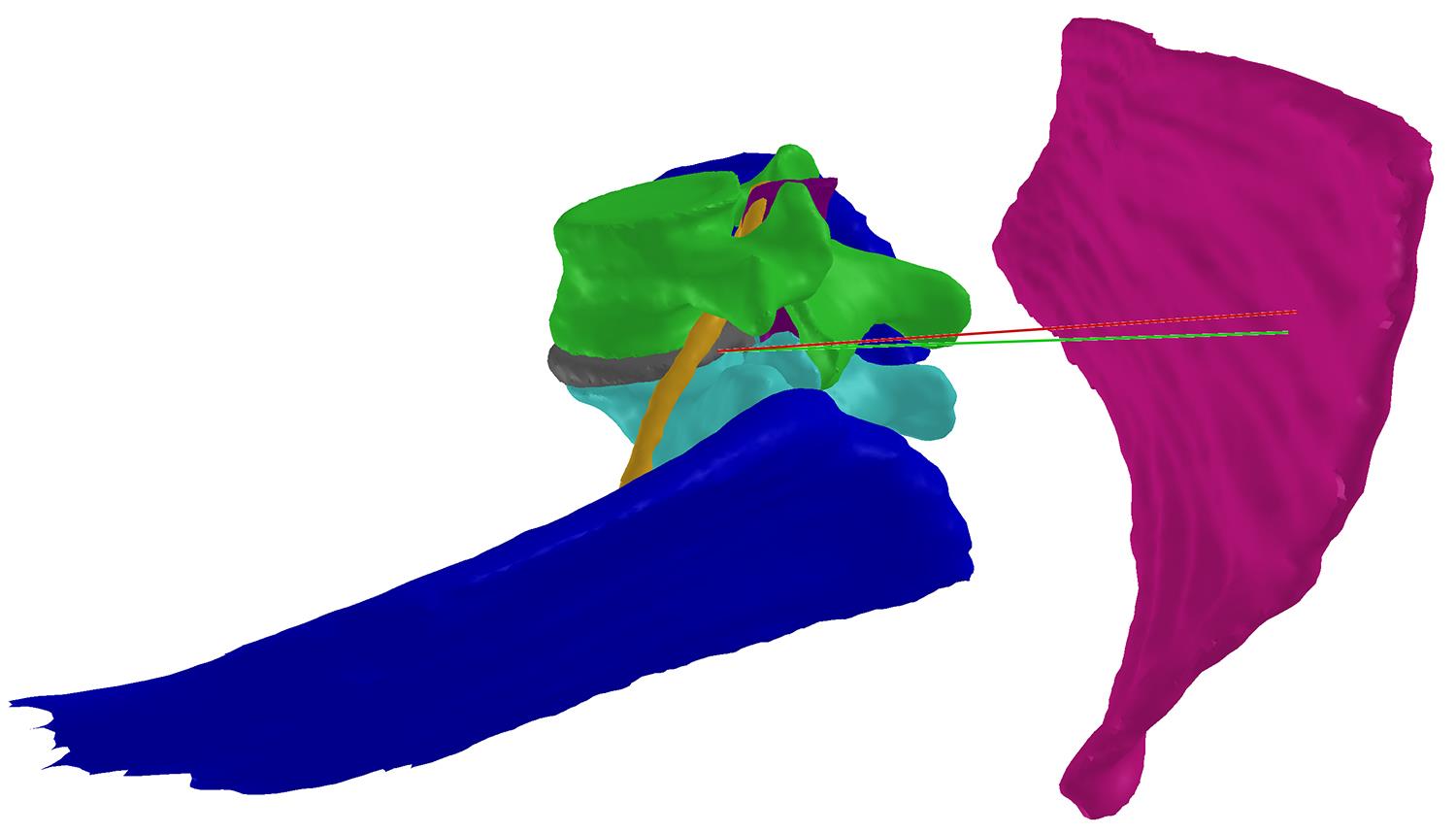
Fig.11 Comparison between algorithmically planned paths and doctor-planned paths.
| Soft constraints | Algorithm (ours) | Physician | t/Z | P |
|---|---|---|---|---|
| Diliac(mm) | 9.44±5.10 | 11.88±6.14 | 2.381 | 0.017 |
| DDura(mm) | 17.44±2.38 | 17.23±2.55 | 2.212 | 0.039 |
| DL5(mm) | 8.12±1.66 | 7.20±1.79 | 3.875 | <0.001 |
| DN5(mm) | 6.13±1.84 | 5.66±1.83 | 3.980 | <0.001 |
| DS1(mm) | 0.58±0.17 | 1.25±0.18 | 12.727 | <0.001 |
| Depth(mm) | 113.92±17.44 | 119.51±18.60 | 7.008 | <0.001 |
| AKambin(mm2) | 170.87±59.87 | 148.70±72.83 | 2.868 | 0.004 |
Tab.8 Comparison of the plans by the algorithm and the physician (Mean±SD)
| Soft constraints | Algorithm (ours) | Physician | t/Z | P |
|---|---|---|---|---|
| Diliac(mm) | 9.44±5.10 | 11.88±6.14 | 2.381 | 0.017 |
| DDura(mm) | 17.44±2.38 | 17.23±2.55 | 2.212 | 0.039 |
| DL5(mm) | 8.12±1.66 | 7.20±1.79 | 3.875 | <0.001 |
| DN5(mm) | 6.13±1.84 | 5.66±1.83 | 3.980 | <0.001 |
| DS1(mm) | 0.58±0.17 | 1.25±0.18 | 12.727 | <0.001 |
| Depth(mm) | 113.92±17.44 | 119.51±18.60 | 7.008 | <0.001 |
| AKambin(mm2) | 170.87±59.87 | 148.70±72.83 | 2.868 | 0.004 |
| Soft constraints | Auto segmentation | Manual segmentation | t/Z | P |
|---|---|---|---|---|
| Diliac(mm) | 7.54±5.54 | 9.44±5.10 | 2.958 | 0.008 |
| DDura(mm) | 18.43±2.18 | 17.44±2.38 | 2.071 | 0.052 |
| DL5(mm) | 7.99±1.49 | 8.12±1.66 | 0.535 | 0.599 |
| DN5(mm) | 5.94±1.92 | 6.13±1.84 | 0.678 | 0.498 |
| DS1(mm) | 1.07±0.94 | 0.58±0.17 | 2.311 | 0.021 |
| Depth(mm) | 111.90±16.97 | 113.92±17.44 | 1.477 | 0.140 |
| AKambin(mm2) | 154.62±48.07 | 170.87±59.87 | 2.066 | 0.052 |
Tab.9 Algorithm performance comparison of auto-segmented and manually segmented data (Mean±SD)
| Soft constraints | Auto segmentation | Manual segmentation | t/Z | P |
|---|---|---|---|---|
| Diliac(mm) | 7.54±5.54 | 9.44±5.10 | 2.958 | 0.008 |
| DDura(mm) | 18.43±2.18 | 17.44±2.38 | 2.071 | 0.052 |
| DL5(mm) | 7.99±1.49 | 8.12±1.66 | 0.535 | 0.599 |
| DN5(mm) | 5.94±1.92 | 6.13±1.84 | 0.678 | 0.498 |
| DS1(mm) | 1.07±0.94 | 0.58±0.17 | 2.311 | 0.021 |
| Depth(mm) | 111.90±16.97 | 113.92±17.44 | 1.477 | 0.140 |
| AKambin(mm2) | 154.62±48.07 | 170.87±59.87 | 2.066 | 0.052 |
| 1 | 周谋望, 岳寿伟, 何成奇, 等. “腰椎间盘突出症的康复治疗” 中国专家共识[J]. 中国康复医学杂志, 2017, 32(2): 129-35. |
| 2 | Ucar D, Duman S, Bayram Y, et al. Extruded disc herniations are experienced earlier by inactive young people in the high-tech gaming era[J]. J Med Life, 2021, 14(3): 402-7. |
| 3 | Deyo RA, Mirza SK. CLINICAL PRACTICE. herniated lumbar intervertebral disk[J]. N Engl J Med, 2016, 374(18): 1763-72. |
| 4 | Martin MD, Boxell CM, Malone DG. Pathophysiology of lumbar disc degeneration: a review of the literature[J]. Neurosurg Focus, 2002, 13(2): E1. |
| 5 | Beyaz SG, Ülgen AM, Kaya B, et al. A novel combination technique: three points of epiduroscopic laser neural decompression and percutaneous laser disc decompression with the Ho: YAG laser in an MSU classification 3AB herniated disc[J]. Pain Pract, 2020, 20(5): 501-9. |
| 6 | Wei WB, Dang SJ, Wei L, et al. Transforaminal epidural steroid injection combined with radio frequency for the treatment of lumbar disc herniation: a 2-year follow-up[J]. BMC Musculoskelet Disord, 2021, 22(1): 347. |
| 7 | 王锁良, 吕建国, 申晓东, 等. 射频热凝靶点消融术在颈腰椎间盘突出症中的应用[J]. 西安交通大学学报(医学版), 2008, 29(2): 236-8. |
| 8 | Wang HW, Huang B, Li CQ, et al. Learning curve for percutaneous endoscopic lumbar discectomy depending on the surgeon’s training level of minimally invasive spine surgery[J]. Clin Neurol Neurosurg, 2013, 115(10): 1987-91. |
| 9 | Ruetten S, Komp M, Godolias G. An extreme lateral access for the surgery of lumbar disc herniations inside the spinal canal using the full-endoscopic uniportal transforaminal approach-technique and prospective results of 463 patients[J]. Spine, 2005, 30(22): 2570-8. |
| 10 | Ju CI. Technical considerations of the transforaminal approach for lumbar disk herniation[J]. World Neurosurg, 2021, 145: 597-611. |
| 11 | Scorza D, El Hadji S, Cortés C, et al. Surgical planning assistance in keyhole and percutaneous surgery: a systematic review[J]. Med Image Anal, 2021, 67: 101820. |
| 12 | Kikinis R, Pieper SD, Vosburgh KG. 3D slicer: a platform for subject-specific image analysis, visualization, and clinical support[M]// Intraoperative Imaging and Image-Guided Therapy. New York: Springer, 2014: 277-89. |
| 13 | Huang Y, Yu LF, Zhang FF. A survey on puncture models and path planning algorithms of bevel-tipped flexible needles[J]. Heliyon, 2024, 10(3): e25002. |
| 14 | Baegert C, Villard C, Schreck P, et al. Multi-criteria trajectory planning for hepatic radiofrequency ablation[J]. Med Image Comput Comput Assist Interv, 2007, 10(Pt 2): 676-84. |
| 15 | Baegert C, Villard C, Schreck P, et al. Trajectory optimization for the planning of percutaneous radiofrequency ablation of hepatic tumors[J]. Comput Aided Surg, 2007, 12(2): 82-90. |
| 16 | Seitel A, Engel M, Sommer CM, et al. Computer-assisted trajectory planning for percutaneous needle insertions[J]. Med Phys, 2011, 38(6): 3246-59. |
| 17 | Li RK, An CY, Wang SX, et al. A heuristic method for rapid and automatic radiofrequency ablation planning of liver tumors[J]. Int J Comput Assist Radiol Surg, 2023, 18(12): 2213-21. |
| 18 | Patil S, Burgner J, Webster RJ 3rd, et al. Needle steering in 3-D via rapid replanning[J]. IEEE Trans Robot, 2014, 30(4): 853-64. |
| 19 | Zhao X, Guo H, Ye D, et al. Comparison of Estimation and Control Methods for Flexible Needle in 2D[C]//东北大学, IEEE新加坡工业电子分会. 第28届中国控制与决策会议论文集(下), 2016: 6. |
| 20 | 赵燕江, 黄 磊, 杜海艳, 等. 基于改进RRT算法的套管柔性针运动规划[J]. 仪器仪表学报, 2017, 38(3): 620-8. |
| 21 | Cai CX, Sun CS, Han Y, et al. Clinical flexible needle puncture path planning based on particle swarm optimization[J]. Comput Methods Programs Biomed, 2020, 193: 105511. |
| 22 | Shahriari N, Georgiadis JR, Oudkerk M, et al. Hybrid control algorithm for flexible needle steering: demonstration in phantom and human cadaver[J]. PLoS One, 2018, 13(12): e0210052. |
| 23 | Vaswani A, Shazeer N, Parmar N, et al. Attention is all you need[EB/OL]. 2017: arXiv: 1706.03762. |
| 24 | Çiçek Ö, Abdulkadir A, Lienkamp SS, et al. 3D U-net: learning dense volumetric segmentation from sparse annotation[C]//International Conference on Medical Image Computing and Computer-Assisted Intervention. Cham: Springer, 2016: 424-32. |
| 25 | Ma HP, Hung YF, Tsai SH, et al. Predictions of the length of lumbar puncture needles[J]. Comput Math Methods Med, 2014, 2014: 732694. |
| 26 | Eun SS, Lee SH, Liu WC, et al. A novel preoperative trajectory evaluation method for L5-S1 transforaminal percutaneous endoscopic lumbar discectomy[J]. Spine J, 2018, 18(7): 1286-91. |
| 27 | Tezuka F, Sakai T, Abe M, et al. Anatomical considerations of the iliac crest on percutaneous endoscopic discectomy using a transforaminal approach[J]. Spine J, 2017, 17(12): 1875-80. |
| 28 | Jones MW, Baerentzen JA, Sramek M. 3D distance fields: a survey of techniques and applications[J]. IEEE Trans Vis Comput Graph, 2006, 12(4): 581-99. |
| 29 | Zhou HY, Guo JS, Zhang YH, et al. nnFormer: volumetric medical image segmentation via a 3D transformer[J]. IEEE Trans Image Process, 2023, 32: 4036-45. |
| 30 | Chen LC, Papandreou G, Schroff F, et al. Rethinking atrous convolution for semantic image segmentation[J/OL]. arXiv E Prints, 2017: arXiv: . |
| 31 | Zhou ZW, Siddiquee MMR, Tajbakhsh N, et al. UNet: redesigning skip connections to exploit multiscale features in image segmentation[J]. IEEE Trans Med Imag, 2020, 39(6): 1856-67. |
| 32 | Diakogiannis FI, Waldner F, Caccetta P, et al. ResUNet-a: a deep learning framework for semantic segmentation of remotely sensed data[J]. ISPRS J Photogramm Remote Sens, 2020, 162: 94-114. |
| 33 | Milletari F, Navab N, Ahmadi SA. V-net: fully convolutional neural networks for volumetric medical image segmentation[C]//2016 Fourth International Conference on 3D Vision (3DV). Stanford, CA, USA. IEEE, 2016: 565-71. |
| 34 | Overley SC, Cho SK, Mehta AI, et al. Navigation and robotics in spinal surgery: where are we now?[J]. Neurosurgery, 2017, 80(3S): S86-99. |
| 35 | 李玉希, 黄浚燊, 刘 婷, 等. 脊柱手术机器人在脊柱外科手术中的应用进展[J]. 机器人外科学杂志: 中英文, 2021, 2(2): 143-50. |
| 36 | Villard C, Baegert C, Schreck P, et al. Optimal trajectories computation within regions of interest for hepatic RFA planning[J]. Med Image Comput Comput Assist Interv, 2005, 8(Pt 2): 49-56. |
| 37 | Liang LB, Cool D, Kakani N, et al. Multiple objective planning for thermal ablation of liver tumors[J]. Int J Comput Assist Radiol Surg, 2020, 15(11): 1775-86. |
| 38 | 刘晓熙, 姜慧研, 骆 敏. 面向肝癌消融术的多约束最优穿刺路径规划算法[J]. 东北大学学报: 自然科学版, 2023, 44(7): 922-30. |
| 39 | Liu YJ. Potential risk of intelligent technologies in clinical orthopedics[J]. Adv Exp Med Biol, 2018, 1093: 281-8. |
| 40 | Zhao L, Pang SM, Chen YF, et al. SpineRegNet: spine Registration Network for volumetric MR and CT image by the joint estimation of an affine-elastic deformation field[J]. Med Image Anal, 2023, 86: 102786. |
| No related articles found! |
| Viewed | ||||||
|
Full text |
|
|||||
|
Abstract |
|
|||||
