Journal of Southern Medical University ›› 2026, Vol. 46 ›› Issue (8): 1967-1980.doi: 10.12122/j.issn.1673-4254.2026.08.24
Motion parameter decoupling and motion constraint-driven optimization for correcting rigid motion artifacts in cone-beam computed tomography
Haotao JIANG1( ), Yongbo WANG2, Zhaoying BIAN1()
- 1.School of Biomedical Engineering//Provincial Key Laboratory of Medical Image Processing, Southern Medical University, Guangzhou 510515, China
2.School of Life Science and Technology, Xi'an Jiaotong University, Xi'an 710049, China
-
Received:2025-12-02Online:2026-08-20Published:2026-08-01 -
Contact:Zhaoying BIAN E-mail:3198010108@smu.edu.cn;zybian@smu.edu.cn -
Supported by:National Natural Science Foundation of China(62571422)

Cite this article
Haotao JIANG, Yongbo WANG, Zhaoying BIAN. Motion parameter decoupling and motion constraint-driven optimization for correcting rigid motion artifacts in cone-beam computed tomography[J]. Journal of Southern Medical University, 2026, 46(8): 1967-1980.
share this article
Add to citation manager EndNote|Ris|BibTeX
URL: https://www.j-smu.com/EN/10.12122/j.issn.1673-4254.2026.08.24
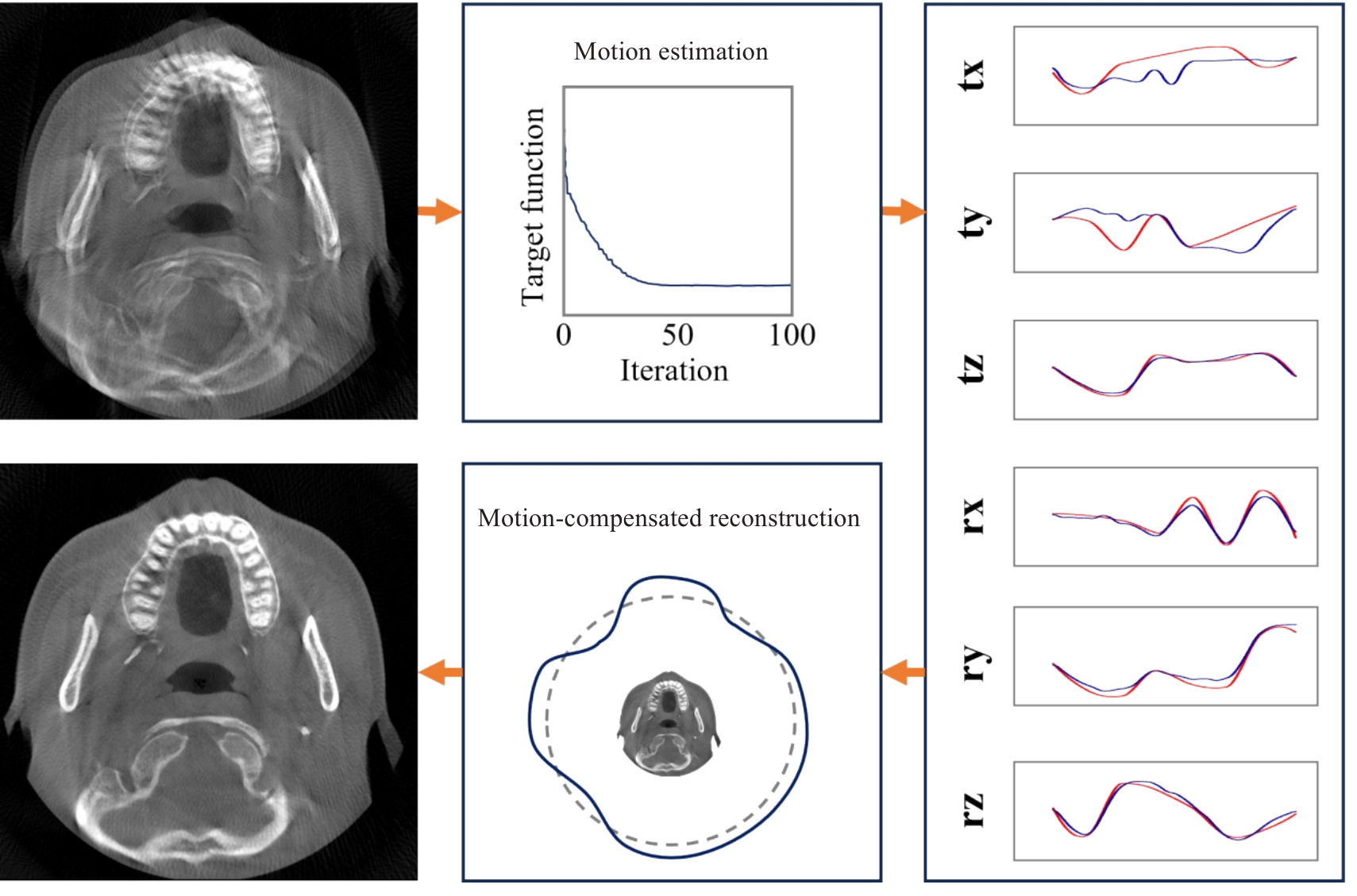
Fig.1 Flow chart of the motion estimation method.
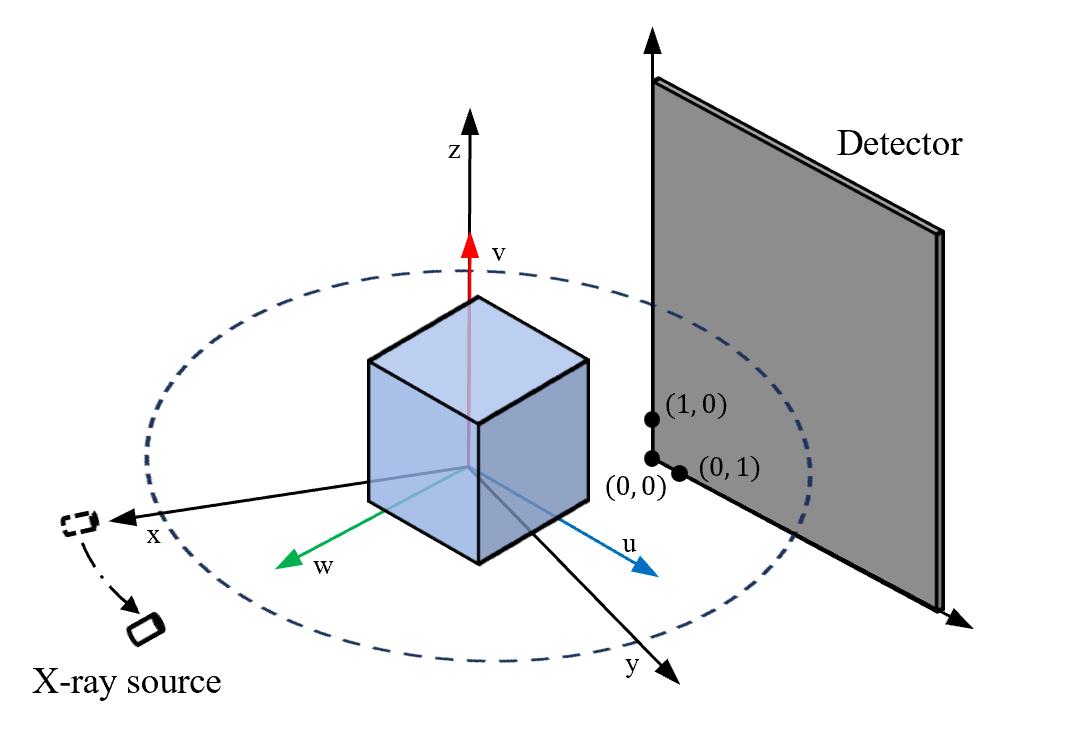
Fig.2 Schematic diagram of the coordinate system used in the experiment.
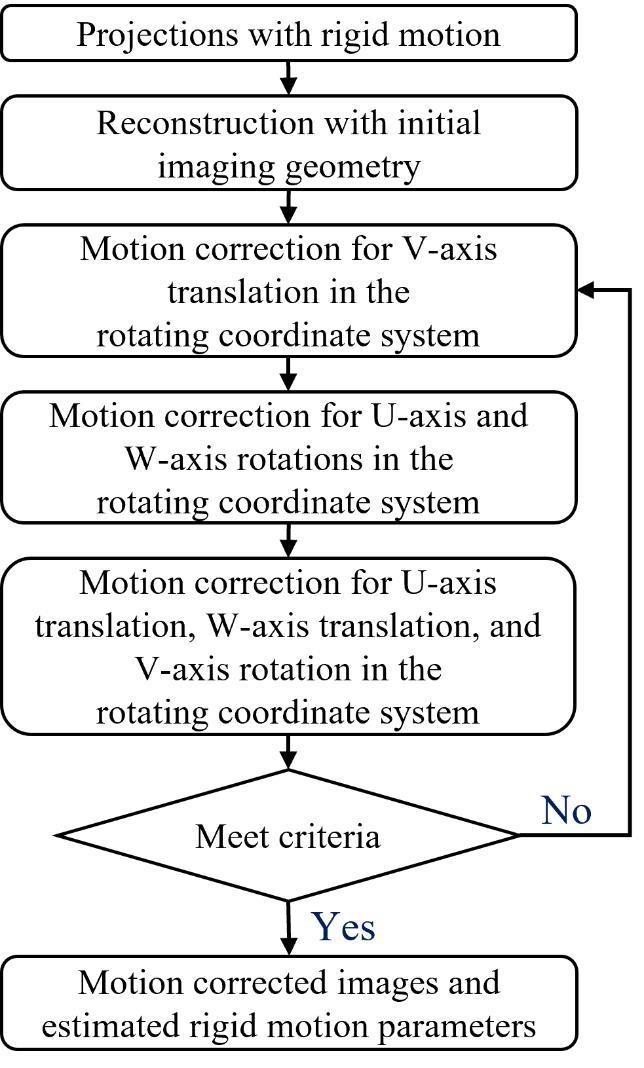
Fig.3 Flow chart of the proposed CBCT rigid motion artifact correction method.
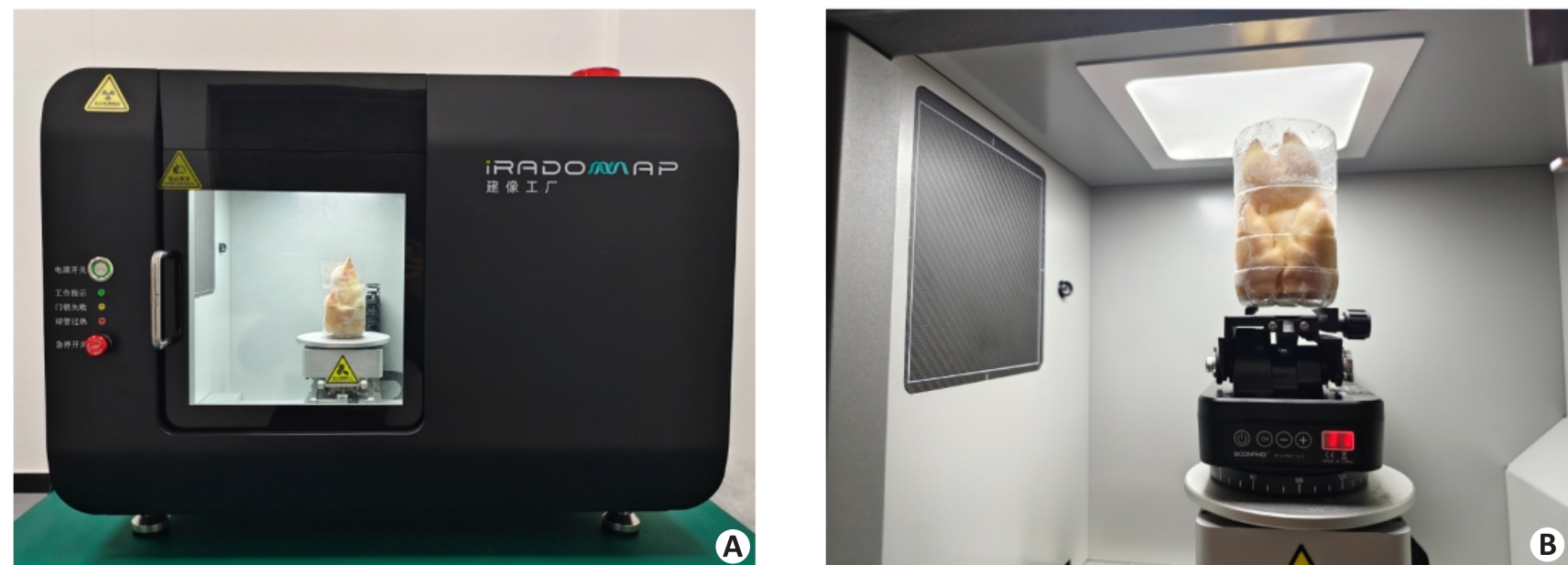
Fig.4 Experimental setup. A: Xi'an Jiaotong University CBCT experimental platform. B: Porcine limb sample with controlled gimbal on CBCT rotating table.
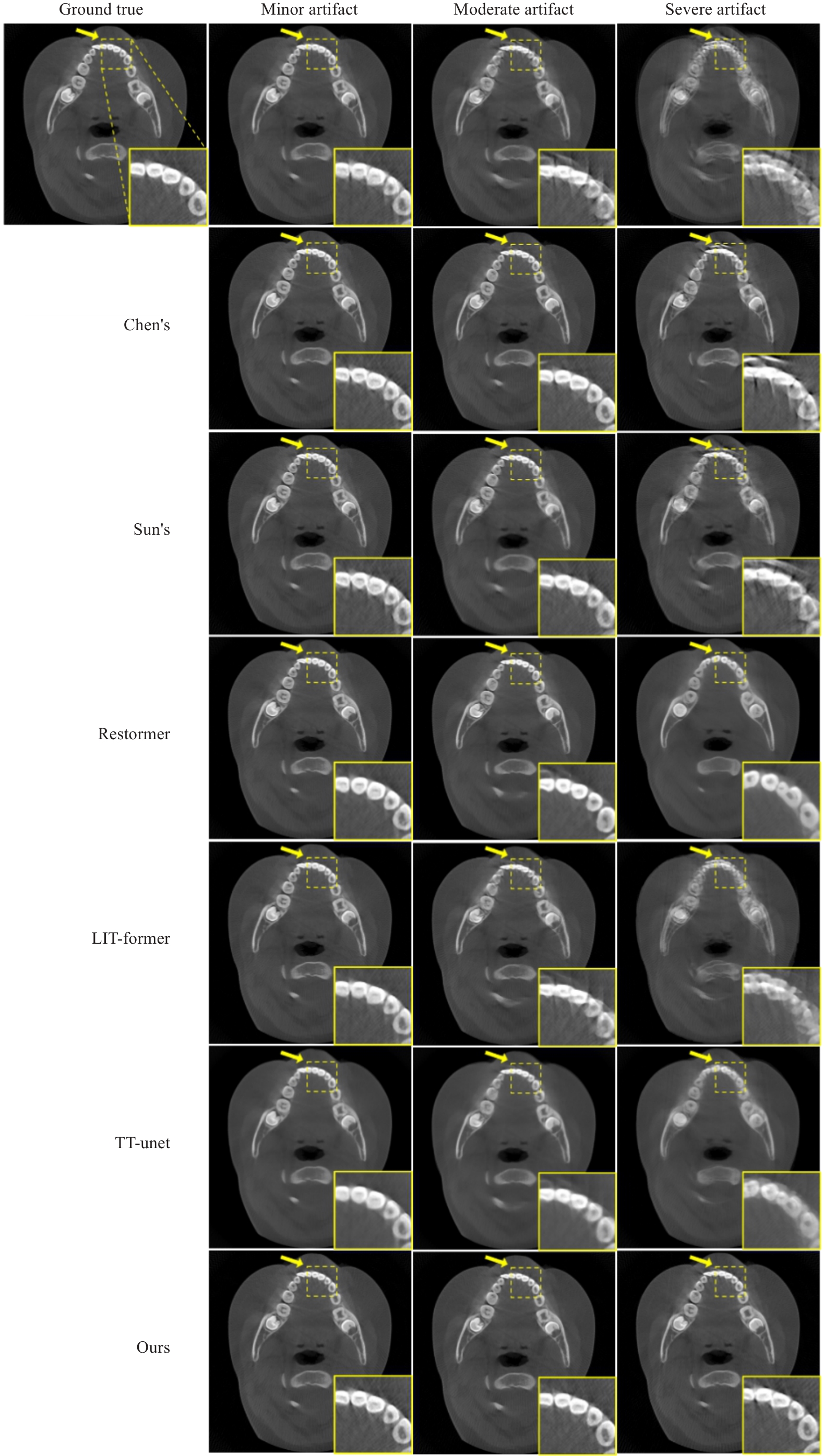
Fig.5 Transverse-view results of different artifact-correction methods on head simulation data.
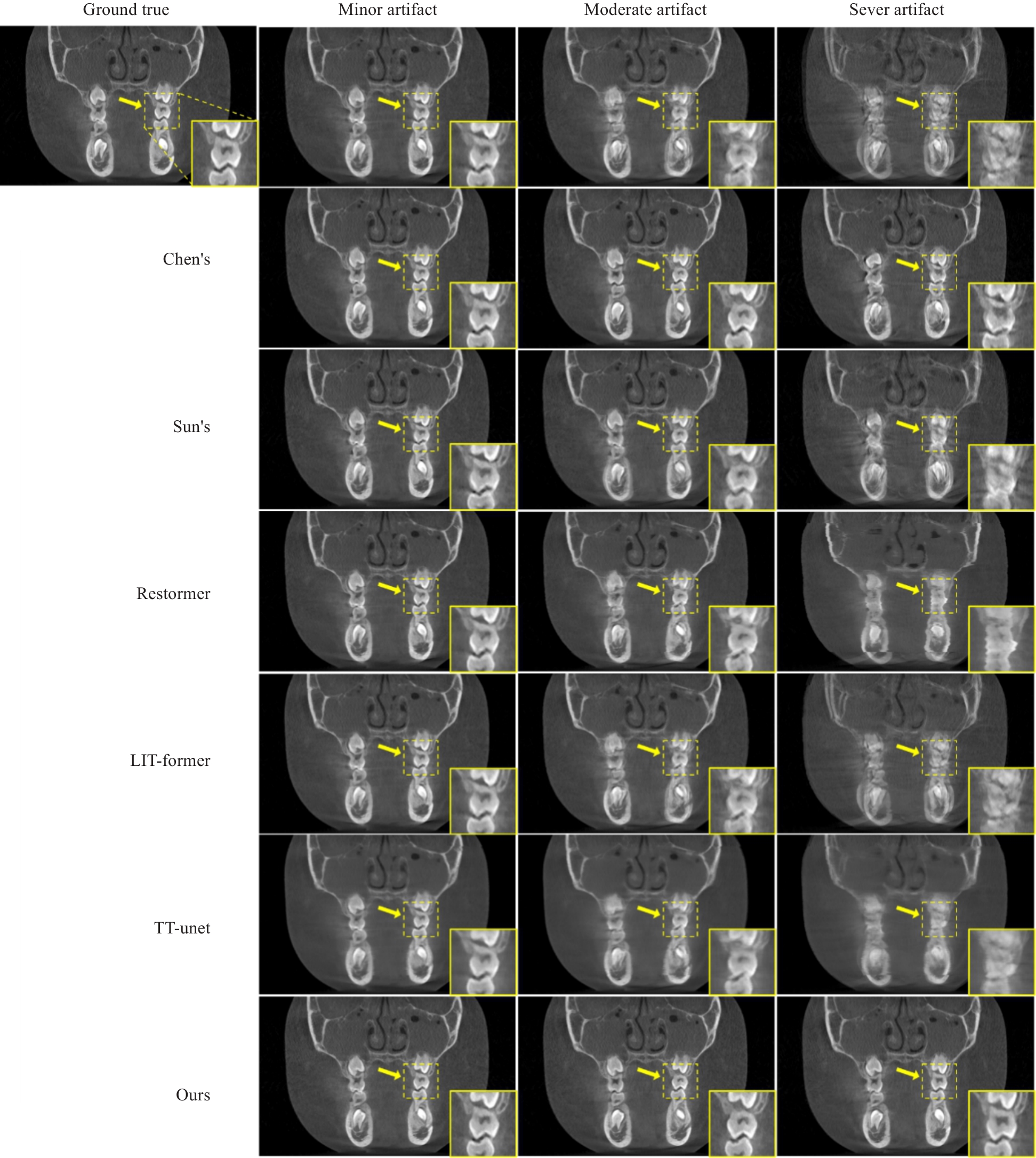
Fig.6 Coronal-view results of different artifact-correction methods on head simulation data.
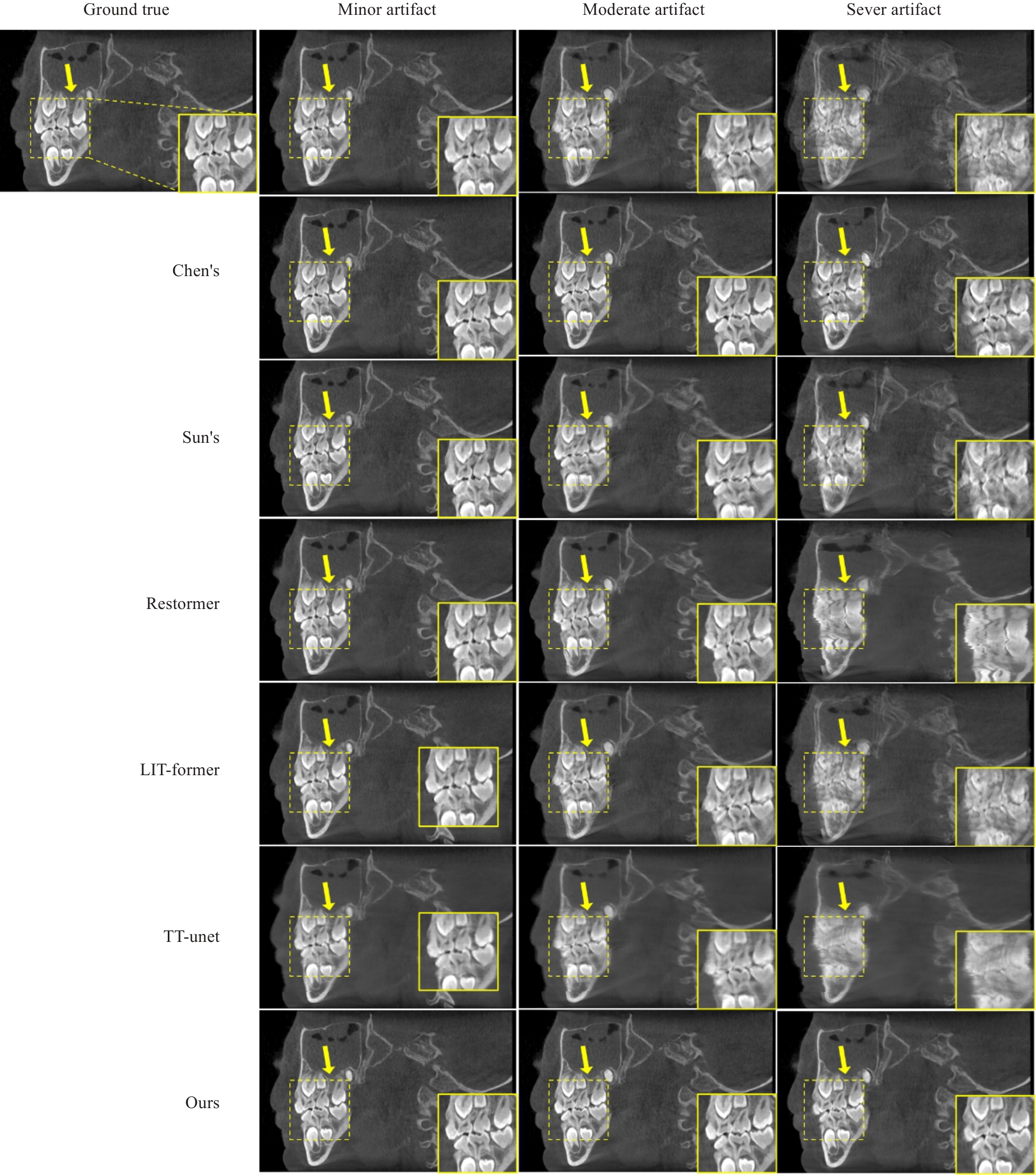
Fig.7 Sagittal-view results of different artifact-correction methods on head simulation data.
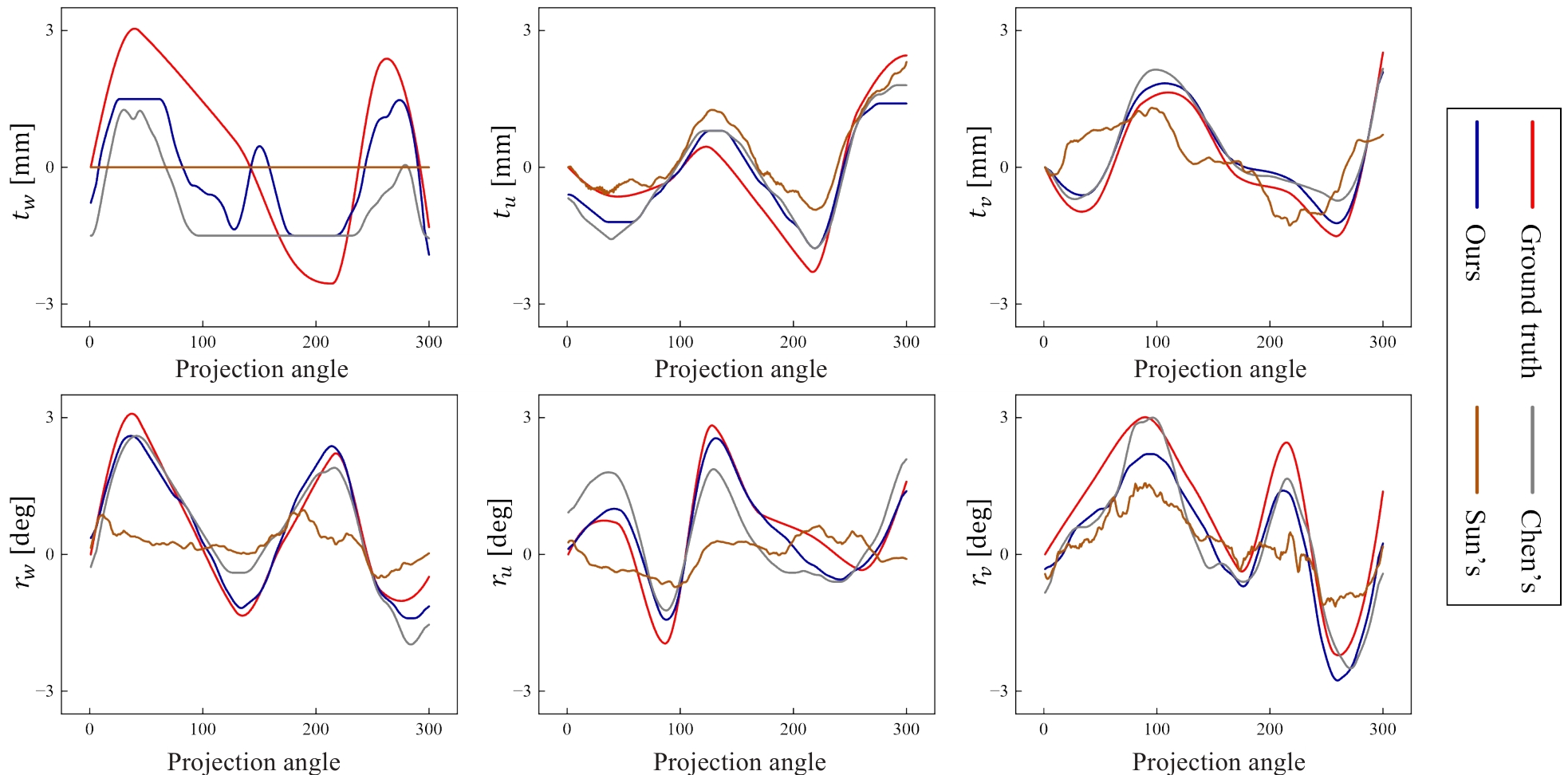
Fig.8 Rigid motion estimation results of different motion estimation methods on head simulation data.
| Method | Minor artifact | Moderate artifact | Severe artifact | ||||||
|---|---|---|---|---|---|---|---|---|---|
| PSNR | RMSE | SSIM | PSNR | RMSE | SSIM | PSNR | RMSE | SSIM | |
| Chen et al. | 34.25 | 4.94 | 0.8709 | 31.20 | 7.02 | 0.8235 | 28.84 | 9.05 | 0.7800 |
| Sun et al. | 33.45 | 5.32 | 0.8517 | 29.98 | 7.53 | 0.7873 | 28.85 | 9.04 | 0.7575 |
| LIT-Former | 34.57 | 4.70 | 0.8613 | 29.54 | 7.98 | 0.7660 | 26.99 | 11.25 | 0.7037 |
| Restormer | 34.79 | 4.64 | 0.8670 | 30.69 | 7.20 | 0.8014 | 28.01 | 10.02 | 0.7359 |
| TT-Unet | 34.11 | 5.12 | 0.8565 | 30.09 | 7.41 | 0.7716 | 27.48 | 10.58 | 0.7134 |
| Proposed | 35.40 | 4.33 | 0.8934 | 31.49 | 6.78 | 0.8264 | 30.57 | 7.55 | 0.8018 |
Tab.1 Quantitative indicators of different motion artifact correction algorithms on head simulation data
| Method | Minor artifact | Moderate artifact | Severe artifact | ||||||
|---|---|---|---|---|---|---|---|---|---|
| PSNR | RMSE | SSIM | PSNR | RMSE | SSIM | PSNR | RMSE | SSIM | |
| Chen et al. | 34.25 | 4.94 | 0.8709 | 31.20 | 7.02 | 0.8235 | 28.84 | 9.05 | 0.7800 |
| Sun et al. | 33.45 | 5.32 | 0.8517 | 29.98 | 7.53 | 0.7873 | 28.85 | 9.04 | 0.7575 |
| LIT-Former | 34.57 | 4.70 | 0.8613 | 29.54 | 7.98 | 0.7660 | 26.99 | 11.25 | 0.7037 |
| Restormer | 34.79 | 4.64 | 0.8670 | 30.69 | 7.20 | 0.8014 | 28.01 | 10.02 | 0.7359 |
| TT-Unet | 34.11 | 5.12 | 0.8565 | 30.09 | 7.41 | 0.7716 | 27.48 | 10.58 | 0.7134 |
| Proposed | 35.40 | 4.33 | 0.8934 | 31.49 | 6.78 | 0.8264 | 30.57 | 7.55 | 0.8018 |
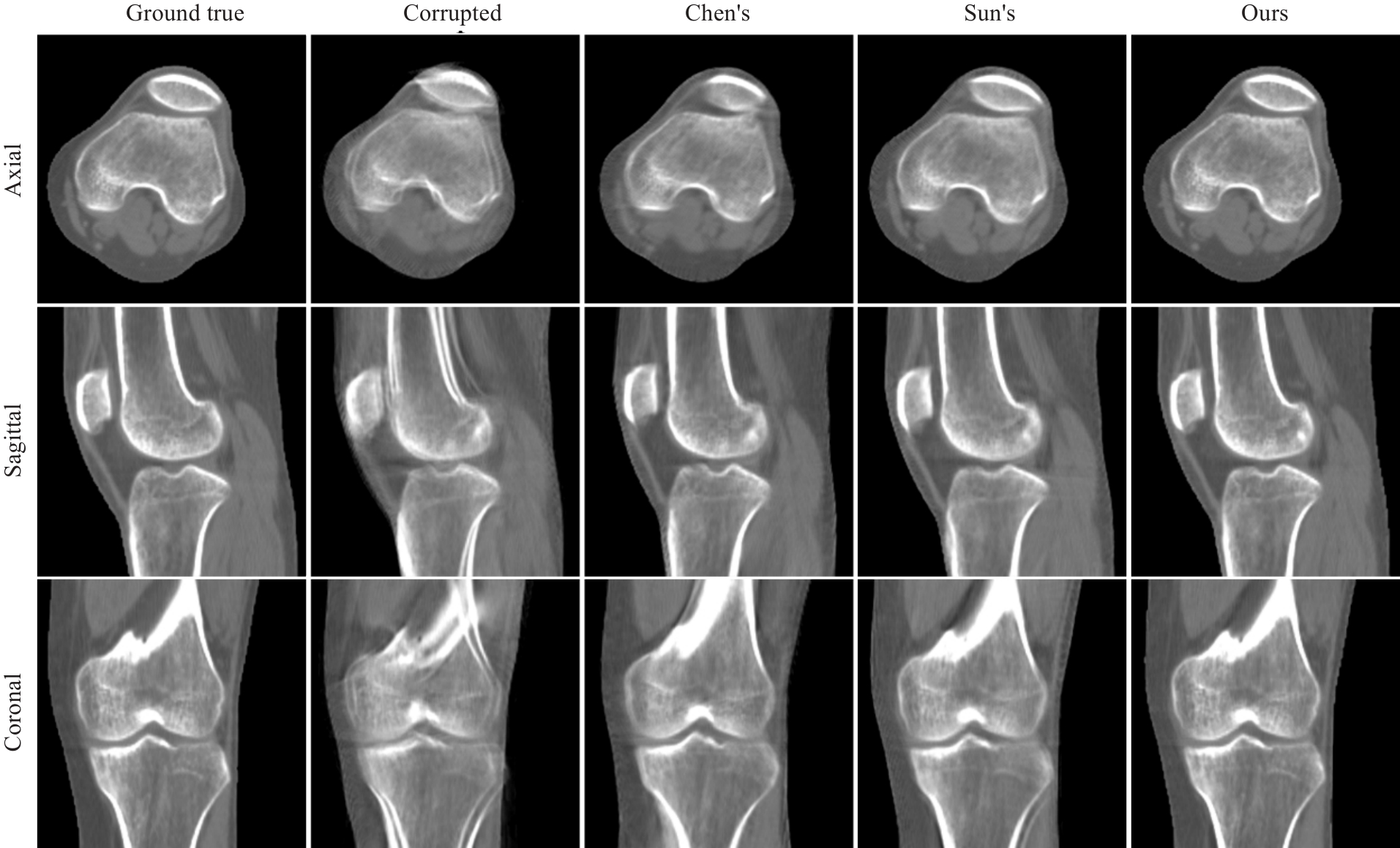
Fig.9 Results of motion-estimation methods on knee simulation data.
| Methods | PSNR | RMSE | SSIM |
|---|---|---|---|
| Chen et al. | 31.8366 | 6.5270 | 0.8881 |
| Sun et al. | 33.9899 | 5.1114 | 0.9174 |
| Proposed | 35.7197 | 4.1740 | 0.9531 |
Tab.2 Quantitative metrics of different motion estimation methods on knee simulation data
| Methods | PSNR | RMSE | SSIM |
|---|---|---|---|
| Chen et al. | 31.8366 | 6.5270 | 0.8881 |
| Sun et al. | 33.9899 | 5.1114 | 0.9174 |
| Proposed | 35.7197 | 4.1740 | 0.9531 |
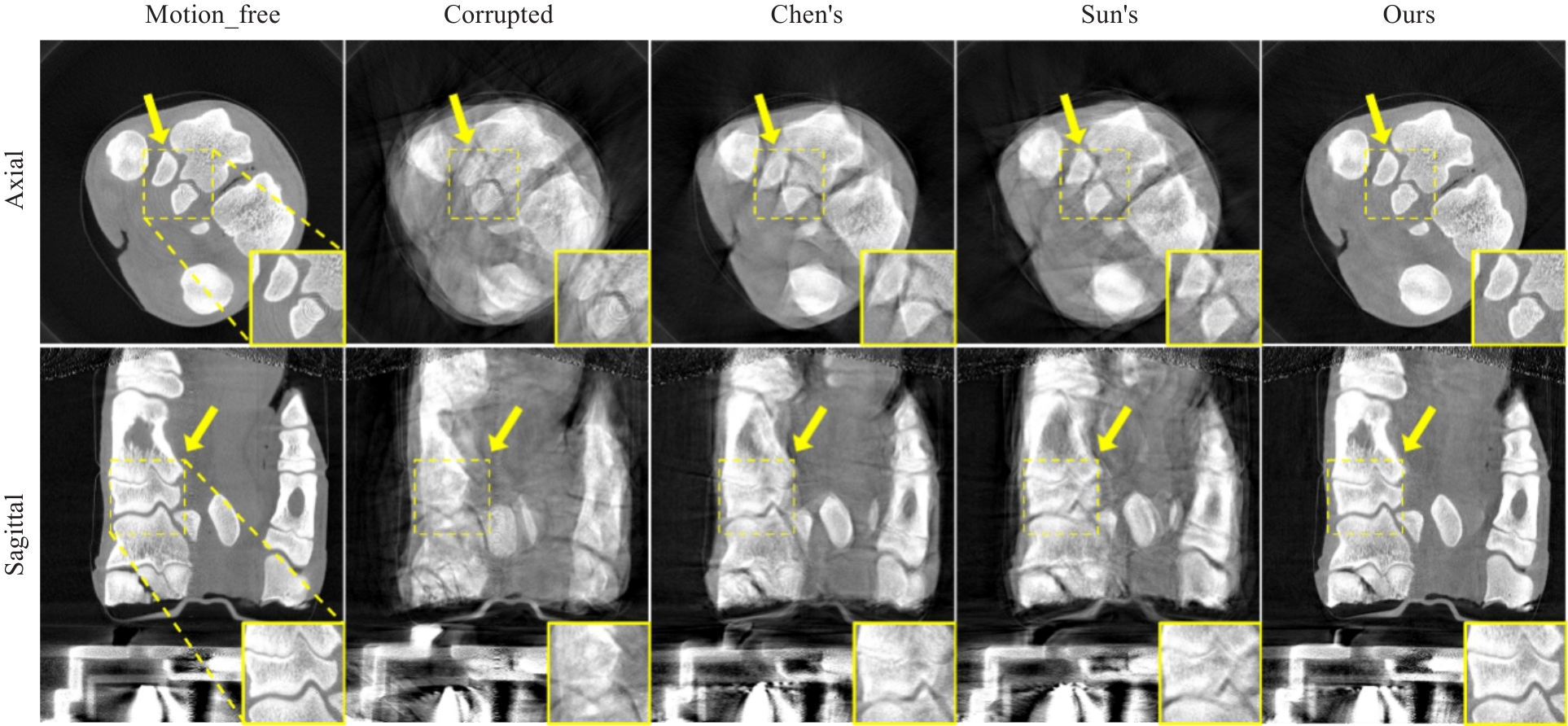
Fig.10 Comparative results of different artifact correction methods on real data (axial and sagittal views).
| Methods | PSNR | RMSE | SSIM |
|---|---|---|---|
| Chen et al. | 33.0498 | 5.5761 | 0.8662 |
| Sun et al. | 31.7047 | 6.6268 | 0.8496 |
| Proposed | 35.5427 | 4.2599 | 0.8949 |
Tab.3 Quantitative metrics of different motion estimation methods on real porcine data
| Methods | PSNR | RMSE | SSIM |
|---|---|---|---|
| Chen et al. | 33.0498 | 5.5761 | 0.8662 |
| Sun et al. | 31.7047 | 6.6268 | 0.8496 |
| Proposed | 35.5427 | 4.2599 | 0.8949 |
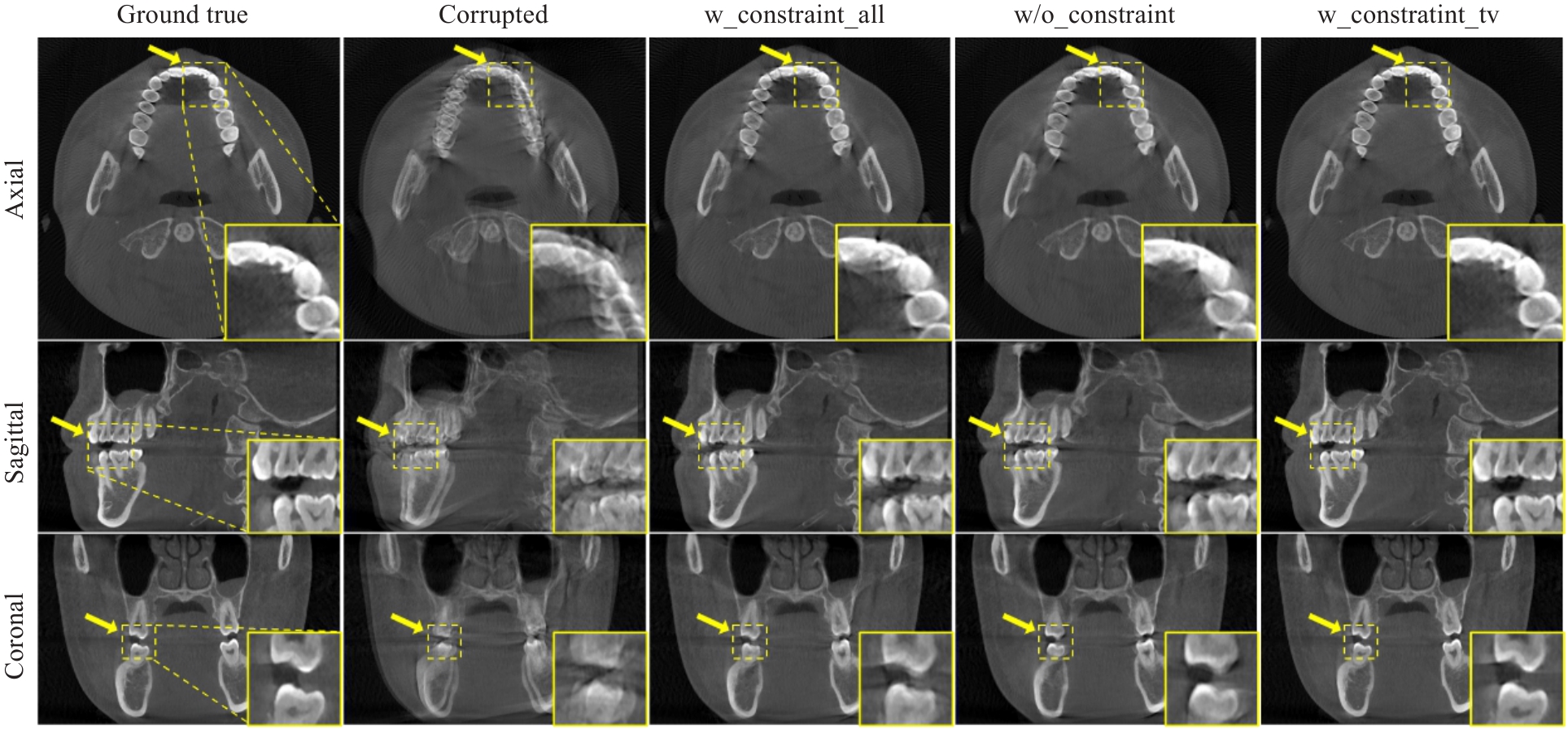
Fig.11 Comparative results of image restoration for motion estimation constraint validation.
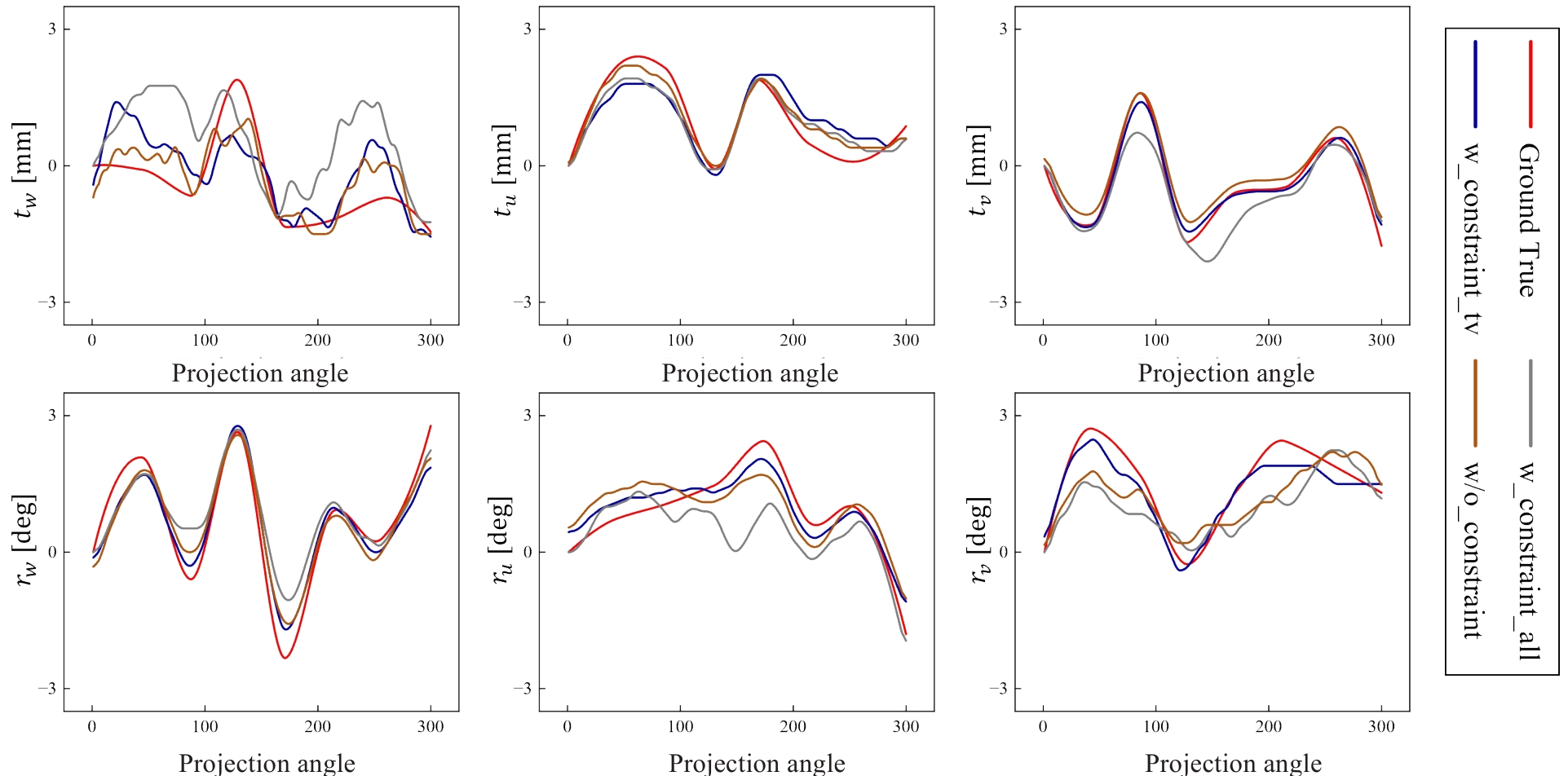
Fig.12 Comparative results of rigid motion trajectory estimation for motion estimation constraint validation.
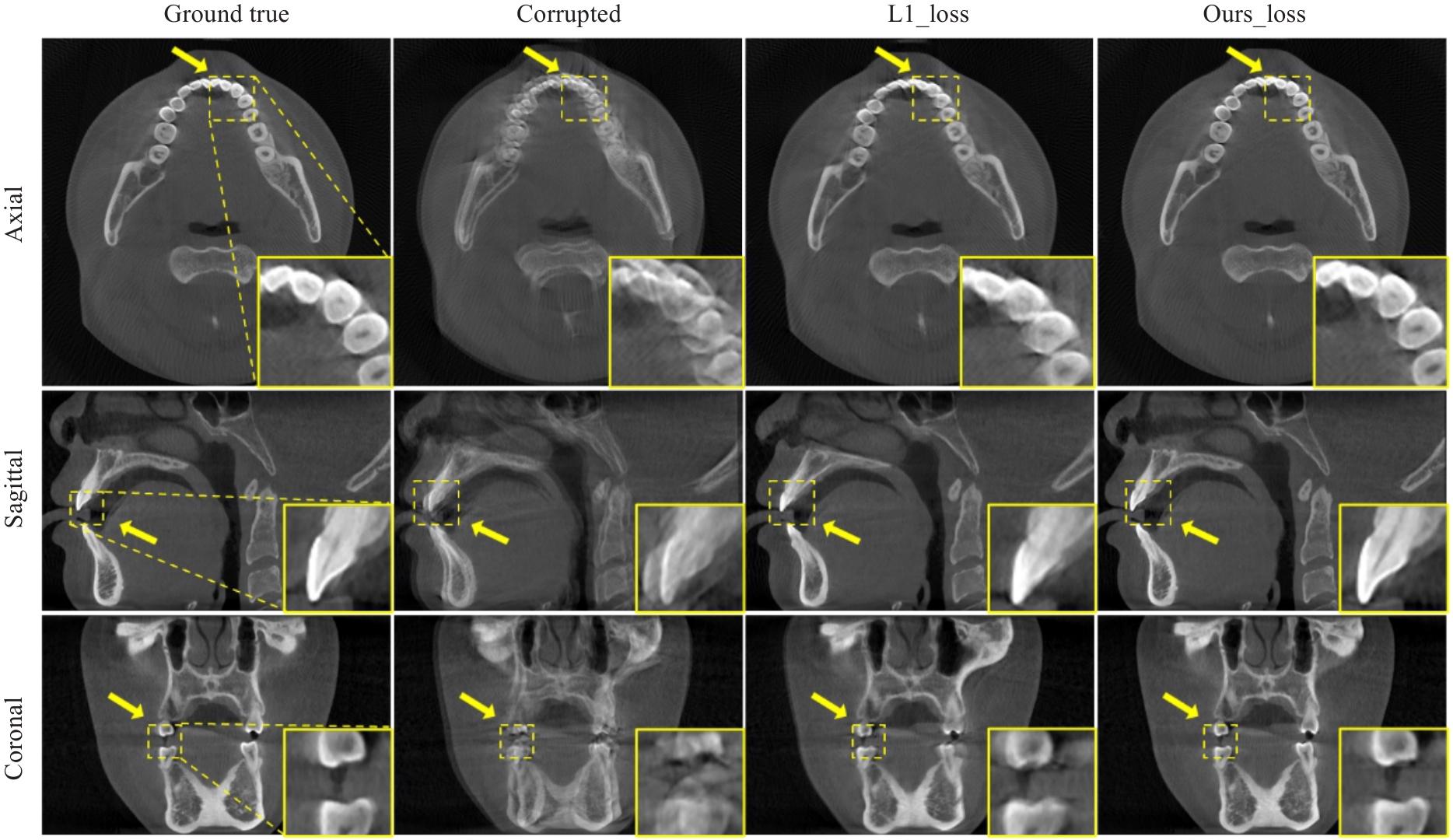
Fig.13 Comparative results of image restoration for staged cost function validation.
| [1] | Spin-Neto R, Wenzel A. Patient movement and motion artefacts in cone beam computed tomography of the dentomaxillofacial region: a systematic literature review[J]. Oral Surg Oral Med Oral Pathol Oral Radiol, 2016, 121(4): 425-33. doi:10.1016/j.oooo.2015.11.019 |
| [2] | Loubele M, Bogaerts R, Van Dijck E, et al. Comparison between effective radiation dose of CBCT and MSCT scanners for dento-maxillofacial applications[J]. Eur J Radiol, 2009, 71(3): 461-8. doi:10.1016/j.ejrad.2008.06.002 |
| [3] | Nemtoi A, Czink C, Haba D, et al. Cone beam CT: a current overview of devices[J]. Dentomaxillofac Radiol, 2013, 42(8): 20120443. doi:10.1259/dmfr.20120443 |
| [4] | Spin-Neto R, Costa C, Salgado DM, et al. Patient movement characteristics and the impact on CBCT image quality and interpretability[J]. Dentomaxillofac Radiol, 2018, 47(1): 20170216. doi:10.1259/dmfr.20170216 |
| [5] | Nardi C, Taliani GG, Castellani A, et al. Repetition of examination due to motion artifacts in horizontal cone beam CT: comparison among three different kinds of head support[J]. J Int Soc Prev Community Dent, 2017, 7(4): 208-13. doi:10.4103/jispcd.jispcd_17_17 |
| [6] | Hanzelka T, Dusek J, Ocasek F, et al. Movement of the patient and the cone beam computed tomography scanner: objectives and possible solutions[J]. Oral Surg Oral Med Oral Pathol Oral Radiol, 2013, 116(6): 769-73. doi:10.1016/j.oooo.2013.08.010 |
| [7] | Malviya S, Voepel-Lewis T, Eldevik OP, et al. Sedation and general anaesthesia in children undergoing MRI and CT: adverse events and outcomes[J]. Br J Anaesth, 2000, 84(6): 743-8. doi:10.1093/oxfordjournals.bja.a013586 |
| [8] | Beeres M, Wichmann JL, Paul J, et al. CT chest and gantry rotation time: does the rotation time influence image quality?[J]. Acta Radiol, 2015, 56(8): 950-4. doi:10.1177/0284185114544242 |
| [9] | Berland LL, Smith JK. Multidetector-array CT: once again, technology creates new opportunities[J]. Radiology, 1998, 209(2): 327-9. doi:10.1148/radiology.209.2.9807555 |
| [10] | Hernandez D, Eldib ME, Hegazy MAA, et al. A head motion estimation algorithm for motion artifact correction in dental CT imaging[J]. Phys Med Biol, 2018, 63(6): 065014. doi:10.1088/1361-6560/aab17e |
| [11] | Berger M, Maier A, Xia Y, et al. Motion compensated fan-beam CT by enforcing fourier properties of the sinogram[C]//2014 Third International Conference on Image Formation in X-ray Computed Tomography. Salt Lake City, Utah, USA. 2014: 329-32. |
| [12] | Zhang Y, Zhang LY. A rigid motion artifact reduction method for CT based on blind deconvolution[J]. Algorithms, 2019, 12(8): 155. doi:10.3390/a12080155 |
| [13] | Hu ZL, Jiang CH, Zhang QY, et al. Wasserstein generative adversarial networks for motion artifact removal in dental CT imaging[C]//Medical Imaging 2019: Physics of Medical Imaging. February 16-21, 2019. San Diego, USA. SPIE, 2019: 113. doi:10.1117/12.2511818 |
| [14] | Ali ASRA, Fusiello A, Landi C, et al. Motion artifacts detection in short-scan dental CBCT reconstructions[EB/OL]. 2023: arXiv: 2304.10154. . doi:10.1109/nssmicrtsd49126.2023.10337961 |
| [15] | Weisenberger AG, Gleason SS, Goddard J, et al. A restraint-free small animal SPECT imaging system with motion tracking[J]. IEEE Trans Nucl Sci, 2005, 52(3): 638-44. doi:10.1109/tns.2005.851399 |
| [16] | Herzog H, Tellmann L, Fulton R, et al. Motion artifact reduction on parametric PET images of neuroreceptor binding[J]. J Nucl Med, 2005, 46(6): 1059-65. |
| [17] | Kim JH, Nuyts J, Kyme A, et al. A rigid motion correction method for helical computed tomography (CT)[J]. Phys Med Biol, 2015, 60(5): 2047-73. doi:10.1088/0031-9155/60/5/2047 |
| [18] | Kyme AZ, Se S, Meikle SR, et al. Markerless motion estimation for motion-compensated clinical brain imaging[J]. Phys Med Biol, 2018, 63(10): 105018. doi:10.1088/1361-6560/aabd48 |
| [19] | Reaungamornrat S, Otake Y, Uneri A, et al. Tracker-on-C for cone-beam CT-guided surgery: evaluation of geometric accuracy and clinical applications[J]. Med Imag 2012 Image Guid Proced Rob Interv Model, 2012, 8316: 831609. doi:10.1117/12.911454 |
| [20] | Ouadah S, Jacobson M, Stayman JW, et al. Correction of patient motion in cone-beam CT using 3D-2D registration[J]. Phys Med Biol, 2017, 62(23): 8813-31. doi:10.1088/1361-6560/aa9254 |
| [21] | Yu HY, Wang G. Data consistency based rigid motion artifact reduction in fan-beam CT[J]. IEEE Trans Med Imaging, 2007, 26(2): 249-60. doi:10.1109/tmi.2006.889717 |
| [22] | Berger M, Xia Y, Aichinger W, et al. Motion compensation for cone-beam CT using Fourier consistency conditions[J]. Phys Med Biol, 2017, 62(17): 7181-215. doi:10.1088/1361-6560/aa8129 |
| [23] | Aichert A, Berger M, Wang J, et al. Epipolar consistency in transmission imaging[J]. IEEE Trans Med Imaging, 2015, 34(11): 2205-19. doi:10.1109/tmi.2015.2426417 |
| [24] | Preuhs A, Maier A, Manhart M, et al. Double your views–exploiting symmetry in transmission imaging[M]//Medical Image Computing and Computer Assisted Intervention – MICCAI 2018. Cham: Springer International Publishing, 2018: 356-64. doi:10.1007/978-3-030-00928-1_41 |
| [25] | Sun T, Kim JH, Fulton R, et al. An iterative projection-based motion estimation and compensation scheme for head X-ray CT[J]. Med Phys, 2016, 43(10): 5705. doi:10.1118/1.4963218 |
| [26] | Berger M, Müller K, Aichert A, et al. Marker-free motion correction in weight-bearing cone-beam CT of the knee joint[J]. Med Phys, 2016, 43(3): 1235-48. doi:10.1118/1.4941012 |
| [27] | Chen MY, He P, Feng P, et al. General rigid motion correction for computed tomography imaging based on locally linear embedding[J]. Opt Eng, 2018, 57(2): 1. doi:10.1117/1.oe.57.2.023102 |
| [28] | Huang H, Siewerdsen JH, Zbijewski W, et al. Reference-free learning-based similarity metric for motion compensation in cone-beam CT[J]. Phys Med Biol, 2022, 67(12): 125020. doi:10.1088/1361-6560/ac749a |
| [29] | Sisniega A, Stayman JW, Yorkston J, et al. Motion compensation in extremity cone-beam CT using a penalized image sharpness criterion[J]. Phys Med Biol, 2017, 62(9): 3712-34. doi:10.1088/1361-6560/aa6869 |
| [30] | Kingston A, Sakellariou A, Varslot T, et al. Reliable automatic alignment of tomographic projection data by passive auto-focus[J]. Med Phys, 2011, 38(9): 4934-45. doi:10.1118/1.3609096 |
| [31] | Maur S, Stsepankou D, Hesser J. Auto-calibration by locally consistent contours for dental CBCT[J]. Phys Med Biol, 2018, 63(21): 215018. doi:10.1088/1361-6560/aae66d |
| [32] | Zamir SW, Arora A, Khan S, et al. Restormer: efficient transformer for high-resolution image restoration[C]//2022 IEEE/CVF Conference on Computer Vision and Pattern Recognition (CVPR). June 18-24, 2022, New Orleans, LA, USA. IEEE, 2022: 5718-29. doi:10.1109/cvpr52688.2022.00564 |
| [33] | Chen ZH, Niu C, Gao Q, et al. LIT-former: linking in-plane and through-plane transformers for simultaneous CT image denoising and deblurring[J]. IEEE Trans Med Imaging, 2024, 43(5): 1880-94. doi:10.1109/tmi.2024.3351723 |
| [34] | Deng ZH, Zhang WK, Chen KL, et al. TT U-Net: temporal transformer U-Net for motion artifact reduction using PAD (pseudo all-phase clinical-dataset) in cardiac CT[J]. IEEE Trans Med Imaging, 2023, 42(12): 3805-16. doi:10.1109/tmi.2023.3310933 |
| [1] | Zongyue LIN, Yongbo WANG, Zhaoying BIAN, Jianhua MA. A deep blur learning-based motion artifact reduction algorithm for dental cone-beam computed tomography images [J]. Journal of Southern Medical University, 2024, 44(6): 1198-1208. |
| [2] |
.
Four-dimensional cone-beam CT reconstruction based on motion-compensated robust principal component analysis
[J]. Journal of Southern Medical University, 2021, 41(2): 243-249.
|
| [3] | . Evaluation of rapid teeth movement through reducing resistance and distraction in Beagle dogs with cone-beam computed tomography [J]. Journal of Southern Medical University, 2013, 33(09): 1280-. |
| Viewed | ||||||
|
Full text |
|
|||||
|
Abstract |
|
|||||